Table of Contents >> Show >> Hide
- Why a Wall Niche Makes Such a Great Bookshelf
- Start With the Most Important Question: What Kind of Wall Is It?
- Plan the Bookshelf Before You Touch a Saw
- Choose Materials That Can Handle Real Weight
- Build Strategy: Simple, Clean, and Strong
- How to Make It Look Built-In Instead of Basic
- Best Places in the House for a Niche Bookshelf
- Styling the Finished Bookshelf Without Overdoing It
- Common Mistakes to Avoid
- Final Thoughts
- Experience and Real-Life Lessons From Turning a Wall Niche Into a Bookshelf
Note: This guide is for informational purposes and works best when the niche is in a non-load-bearing wall or in a space that has already been safely framed and verified. Always check for wires, plumbing, and structural concerns before cutting or fastening anything.
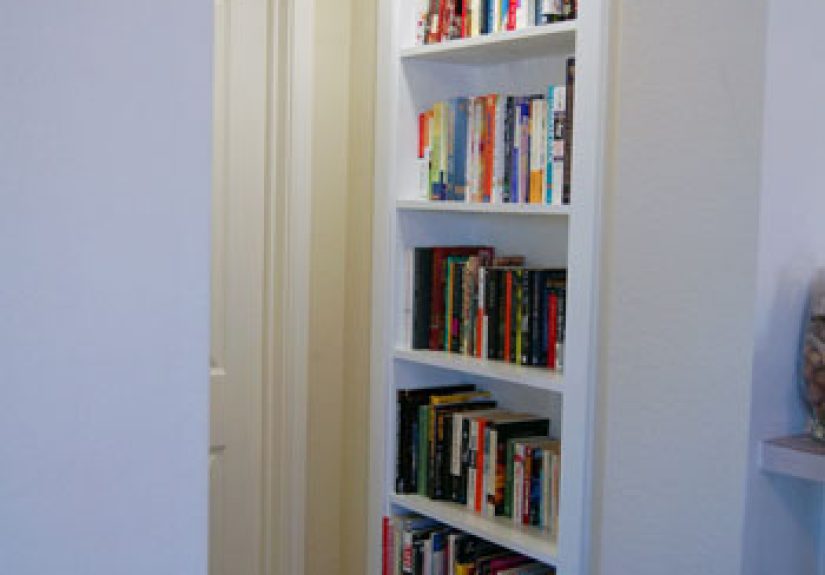
Some parts of a house are born to be useful. Others just stand there looking awkward, like they arrived late to the blueprint meeting and got stuck beside a chimney chase, under a stair, or in that random recess next to a window. If you have a wall niche doing absolutely nothing except collecting dust and vague potential, turning it into a bookshelf is one of the smartest upgrades you can make.
A niche bookshelf adds storage without swallowing floor space. It can make a room look more custom, more intentional, and frankly more expensive than it really was. Best of all, it can be tailored to your style: crisp and modern, cozy and traditional, bright and kid-friendly, or moody enough to make your paperback collection look like it belongs in a detective novel.
The trick is to treat the project like both a design move and a construction task. A bookshelf inside a wall niche is not just a few boards slapped into a recess with optimism and a paintbrush. It needs good measurements, safe wall conditions, sturdy materials, shelf spacing that actually fits books, and finishing touches that make it look built-in instead of merely inserted.
Why a Wall Niche Makes Such a Great Bookshelf
Wall niches are ideal candidates for bookshelves because they already provide a natural frame. Instead of forcing a freestanding bookcase to fit an odd space, you are working with the architecture you already have. That creates a cleaner profile, better traffic flow, and a finished look that can feel almost custom even on a modest budget.
In practical terms, a recessed bookshelf also helps in smaller rooms. Since the storage sits partly or fully inside the wall line, you do not lose as much usable floor area. That matters in bedrooms, hallways, living rooms, offices, and those in-between spots where a standard case would stick out and announce itself like a refrigerator at a tea party.
And then there is the visual payoff. Built-ins make rooms feel planned. They can connect a reading corner to the rest of the space, highlight a blank wall, or turn an awkward alcove into the part of the room everyone notices first. Add trim, paint, a contrasting back panel, or even a small picture light, and suddenly your neglected recess looks like it has been waiting for books all along.
Start With the Most Important Question: What Kind of Wall Is It?
Before you get charmed by paint swatches and brass picture lights, take a step back and figure out what you are dealing with. A niche can be decorative and already framed, or it can be a potential opening you plan to create between studs. Those are two very different jobs.
Existing niche
If the recess is already there, you are ahead of the game. Your job is mostly about making it stronger, prettier, and more useful. You still need to check depth, squareness, drywall condition, and fastener locations, but you are not beginning with demolition.
New niche between studs
If you want to create the niche by cutting into a wall cavity, you need to verify three things before anything else: whether the wall is load-bearing, whether pipes or wires are in the way, and whether the stud layout gives you enough width and depth for a practical shelf. In many homes, studs are spaced 16 or 24 inches on center, and the cavity between standard studs may leave you with a relatively narrow but very useful built-in shelf.
If the wall may be load-bearing, stop treating this like a casual Saturday project. Structural walls can support floors, roofs, and other loads, and changing them without a plan can create serious problems. If you are unsure, consult building plans or have a licensed pro verify the wall before you proceed. Your future bookshelf should support novels, not headlines about regrettable home improvement decisions.
Plan the Bookshelf Before You Touch a Saw
A beautiful niche bookshelf starts with realistic planning. Measure the opening height, width, and depth in at least three places each. Older homes are famous for walls that look square until you introduce a level and ruin the illusion.
Write down the smallest width and depth measurements, because those are the numbers that will keep your shelving from becoming a frustrating lesson in “almost fits.” If the niche sits above baseboard or near trim, decide whether you will notch around it, remove and reinstall it, or run the built-in from above it.
Decide what the shelves need to hold
This is where many DIY projects go wrong. People say they want a bookshelf, then build shelves sized for decorative seashells and one tiny succulent. Books are heavy. Tall art books are bulky. Paperbacks are forgiving, but hardcovers are not.
As a starting point, shallow shelves around 8 to 10 inches deep often work for paperbacks and standard novels, while 10 to 12 inches is more flexible for mixed collections. If your niche is deeper, resist the urge to make every shelf extra deep just because you can. Overly deep shelves often become clutter caves where books go to be forgotten behind baskets, candles, and whatever object was trendy six months ago.
Think about shelf spacing
Not every shelf should be evenly spaced. A more useful layout usually mixes heights: shorter openings for paperbacks, medium openings for hardcovers, and one or two taller spaces for oversized books or decorative objects. Adjustable shelves are especially smart if your collection changes often or if the bookshelf may eventually hold toys, baskets, or display pieces.
Choose Materials That Can Handle Real Weight
If this bookshelf will actually hold books, choose materials like you respect gravity. Thin boards may look fine on day one, then bow in slow motion over time. That is not character. That is surrender.
Plywood is one of the most reliable choices for built-ins because it is stable, strong, and available in paint-grade and stain-grade options. MDF can create a very smooth painted finish and is popular for trim and shelving, but it should be used thoughtfully, especially for longer spans carrying heavy books. Solid wood edging on shelf fronts can improve durability and give thinner shelves a heftier look.
If your span gets wider, shelf thickness matters more. Longer shelves loaded with books can sag over time, and woodworking guidance is clear on this point: span, thickness, and material all affect rigidity. For a narrow wall niche, standard 3/4-inch shelving is often fine. For wider spans or especially heavy loads, thicker shelves, edge banding, center support, or a face frame can make a big difference.
Build Strategy: Simple, Clean, and Strong
There is more than one way to build a niche bookshelf, but the cleanest method is usually to create a fitted box or side panels with shelves attached securely to the surrounding framing. Think of it like building a custom insert for the opening.
Option 1: Fixed shelves
Fixed shelves create a more built-in look and can add rigidity to the entire unit. If the niche width is modest and you already know your ideal book heights, this is a tidy, sturdy option.
Option 2: Adjustable shelves
Adjustable shelves offer flexibility and are particularly useful in family spaces, home offices, and children’s rooms. Shelf-pin holes let you reconfigure the opening later, which is helpful when your collection changes from chapter books to cookbooks to “Why do I suddenly own five enormous biographies?”
Option 3: Hybrid layout
A smart compromise is to use one or two fixed shelves for structure and make the rest adjustable. This gives you stability plus flexibility without overcomplicating the build.
Whichever route you choose, anchor the bookshelf properly. Heavier shelving should tie into studs or secure framing members, not just drywall. Even a recessed design still needs reliable attachment points, especially if it extends floor to ceiling or will carry a serious load.
How to Make It Look Built-In Instead of Basic
The difference between “nice shelf” and “that looks custom” usually comes down to finish details. The bones may be simple, but the trim is where the personality shows up.
Add a face frame
A face frame cleans up raw edges and gives the bookshelf a furniture-like appearance. It can also hide slight gaps where the wall is not perfectly straight, which is a common issue in real homes where rulers are apparently more philosophical than exact.
Trim the perimeter
Adding casing, scribe molding, or slim trim around the niche helps the unit blend into the wall. Crown or base details can also connect the bookshelf to the room’s existing millwork.
Paint the back panel
A contrasting back panel is one of the easiest ways to make a small niche bookshelf feel deliberate. Deep blue, olive, charcoal, warm taupe, or even wallpaper can create depth and make books pop. If you want a quieter look, painting the niche and shelves the same color as the wall can feel elegant and seamless.
Consider lighting
If the niche is in a living room, hallway, or reading corner, a picture light or small sconce above the bookshelf can make it feel polished. Even simple accent lighting can elevate the built-in from storage to feature.
Best Places in the House for a Niche Bookshelf
Living room
A living-room niche bookshelf works well for mixed display: novels, art books, a few framed photos, and one or two decorative objects that do not look like they were panic-purchased at a clearance aisle. This is also the place to coordinate the bookshelf color with surrounding trim or fireplace built-ins.
Bedroom
In a bedroom, a niche bookshelf can turn dead space into a cozy reading moment. If the recess is near a chair or window, it can help create a mini library feel without needing a full wall of shelving.
Hallway
A narrow hallway niche is great for shallow shelving. It can hold books, baskets, or a rotating display of favorite covers without jutting into the walking path.
Home office
This is where adjustable shelving shines. Office niches often need to hold books, binders, storage boxes, and the occasional object you keep for inspiration but can no longer explain.
Styling the Finished Bookshelf Without Overdoing It
Once the shelves are built, resist the urge to decorate every inch like a department store display. A bookshelf should still look like it belongs to someone who reads, not someone held hostage by decorative beads.
Start with the books. Group them vertically on some shelves and horizontally in smaller stacks on others. Leave a little breathing room. Add one or two objects per shelf at most, especially in a small niche. A trailing plant, framed art, ceramic bowl, or a single sculptural object can soften the look without creating visual traffic.
If you want the niche to act as a focal point, dedicate at least one shelf almost entirely to books. That simple move often looks better than trying to make every shelf half-library, half-museum gift shop.
Common Mistakes to Avoid
Ignoring wall safety
Never assume a wall cavity is empty. Use a stud finder and verify the location of studs, utilities, and obstacles before cutting or drilling.
Making shelves too deep
Deeper is not always better. For books, too much depth can waste space and create clutter.
Using flimsy shelving
If the goal is a real bookshelf, not a decorative shrine to three coffee-table books, use materials and thicknesses that can support actual weight over time.
Skipping finish work
Raw edges, visible gaps, and mismatched paint can make a smart project look unfinished. Trim, caulk, sanding, and paint are not optional if you want a true built-in effect.
Forgetting the room around it
The best niche bookshelf feels connected to the architecture of the room. Echo existing trim, colors, or hardware so the piece belongs there.
Final Thoughts
Turning a wall niche into a bookshelf is one of those rare home projects that is practical, beautiful, and deeply satisfying. It improves storage, adds architectural character, and gives awkward square footage a real purpose. Done well, it can look like it was always meant to be there.
The smartest version of this project balances structure and style. Check the wall first. Measure carefully. Use materials that can take the weight. Keep the depth sensible. Then finish it like you mean it, with trim, paint, and styling that suits the room instead of fighting it.
And once it is done, you get the best reward any home project can offer: a place for your books that looks so polished people assume it came with the house. You, of course, may smile modestly and let them believe it was effortless. That can be our little built-in secret.
Experience and Real-Life Lessons From Turning a Wall Niche Into a Bookshelf
The first thing many people notice after finishing a niche bookshelf is that the project changes the whole mood of the room, not just the storage. What used to feel like a strange recess or a forgotten gap suddenly becomes the visual anchor. A living room corner that once looked incomplete can feel intentional. A bedroom niche can turn into a cozy reading zone. Even a hallway recess can become a conversation starter instead of a space everyone mentally edits out.
One of the most common experiences homeowners describe is surprise at how much measuring matters. On paper, the niche often seems straightforward. In real life, the left side may be slightly taller than the right, the back wall may lean just enough to annoy you, and the corners may not meet at the kind of angles geometry teachers promised. That usually leads to the same lesson: dry-fit everything first, because confidence is not a measuring tool.
Another real-world discovery is how quickly “just a few shelves” becomes a finish-details project. Once the shelves are in place, raw edges start looking suspicious. Tiny gaps suddenly become visible from across the room. A can of paint becomes two cans of paint, then primer, then caulk, then the realization that trim is the magic trick. This is not bad news. It is simply the moment the project stops being construction and starts becoming design.
People also learn a lot about their reading habits from the styling stage. You may think you have a neat collection of reasonably sized books until you start loading shelves and discover three giant art books, several cookbooks the size of paving stones, and one hardcover series that refuses to fit anywhere politely. That is when adjustable shelves earn their keep. A flexible setup saves you from redesigning the whole unit because one oversized atlas decided to be dramatic.
There is also the emotional side of the project, which is easy to underestimate. A niche bookshelf often feels more personal than a store-bought case. It uses the home’s own shape. It reflects the owner’s taste. It can hold favorite novels, kids’ picture books, travel finds, framed photos, or inherited books that deserve a better home than a cardboard box in the closet. Because of that, the finished result often feels less like furniture and more like part of the house’s identity.
Many DIYers say the biggest win is not the storage at all. It is the sense that an awkward architectural problem has been solved with something useful and beautiful. That is a uniquely satisfying kind of improvement. You are not just hiding a weird space. You are giving it a job, a personality, and a reason to exist. And when guests compliment it, they usually do not say, “Nice shelf.” They say, “That looks like it was always supposed to be there.” For a project like this, that is pretty much the gold medal.