Table of Contents >> Show >> Hide
- Why This Conversation Hit a Nerve
- 29 Statues People Would Much Rather See in Public Squares
- 1. Danuta Danielsson, “The Woman With the Handbag”
- 2. Rosa Parks, U.S. Capitol
- 3. Harriet Tubman: The Journey to Freedom
- 4. Martin Luther King Jr., the “Stone of Hope”
- 5. The Women’s Rights Pioneers Monument in Central Park
- 6. The Robert Gould Shaw and 54th Regiment Memorial
- 7. The Virginia Civil Rights Memorial
- 8. Fearless Girl in New York
- 9. Alan Turing in Manchester
- 10. The Kindertransport Memorial
- 11. Anne Frank Statues
- 12. Bussa, Barbados
- 13. The Irish Famine Memorial
- 14. Steel Women of Sheffield
- 15. C.L. Dellums in Oakland
- 16. Dolores Ibárruri, “La Pasionaria”
- 17. Lapu-Lapu in Mactan
- 18. Louis Riel
- 19. The 1763 Monument to Cuffy in Guyana
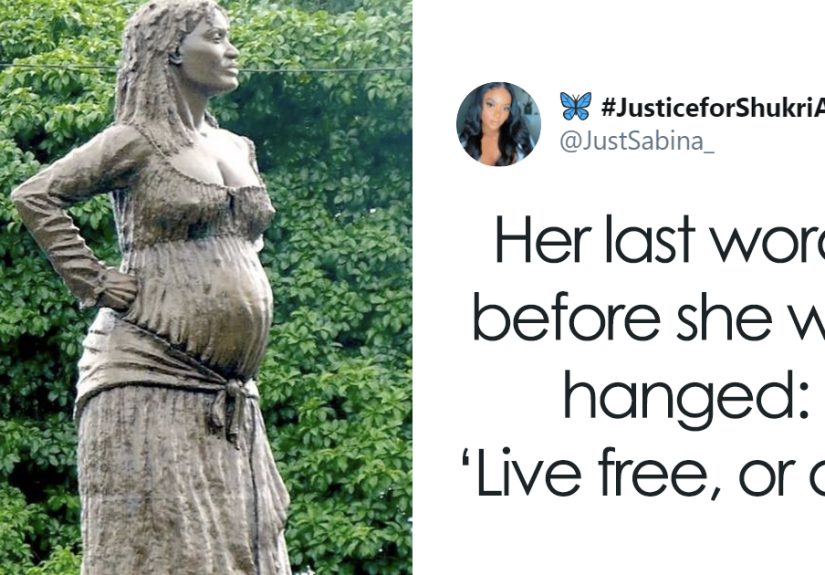
- 20. Anti-Slavery Memorials in Badagry
- 21. Nelson Mandela Statues
- 22. The Non-Violence Sculpture, or Knotted Gun
- 23. Rocky Balboa in Philadelphia
- 24. Duke Kahanamoku in Waikiki
- 25. Hachikō in Tokyo
- 26. Molly Malone in Dublin
- 27. Paddington Bear Statues
- 28. The Little Mermaid
- 29. Everyday People Memorials
- What Makes a Statue Worth Defending?
- The Experience of Seeing a Great Statue in Real Life
- Final Thoughts
Public statues are supposed to say something about who we are. That sounds noble, until you remember that a lot of monuments were built less to educate the public than to flatter power, freeze one version of history, or hand a bronze halo to people whose legacies look much uglier under modern light. So when protesters and local governments began rethinking monuments during the racial justice uprisings of 2020, social media did what social media does best: it turned a heated civic debate into a giant public mood board.
One viral corner of Twitter asked a surprisingly useful question: if some statues deserve to come down, what kinds of statues deserve to stay up? That is where the conversation got interesting. People began sharing monuments that honored courage, resistance, decency, humor, memory, labor, and the occasionally chaotic beauty of ordinary humanity. In other words, the sort of public art that makes you stop, look twice, and think, “Yes, this is a much better use of several thousand pounds of metal.”
The result was not just a gallery of famous figures. It was a bigger argument about what public space should celebrate. Not domination. Not nostalgia for oppressive systems. Not a glorified shrug in stone. Instead, the best statues in the viral conversation carried stories of justice, sacrifice, intelligence, defiance, migration, survival, and sometimes pure delight. Below are 29 memorable examples and why they struck such a chord with people online.
Why This Conversation Hit a Nerve
The debate over monuments was never only about aesthetics. It was about values. A statue in a public square is not a dusty footnote tucked into a library book. It is an endorsement with pigeons. It tells residents, tourists, schoolkids, and anyone passing by who is worth remembering. That is why the viral statue thread felt bigger than a listicle. It was an act of civic editing.
And the statues people shared had something in common: they felt earned. They commemorated people who stood up to fascism, slavery, racism, hunger, inequality, or the quiet cruelty of being erased from official history. Others were simply beloved because they made public space gentler, smarter, or more human. Together, they formed a kind of unofficial syllabus for better monuments.
29 Statues People Would Much Rather See in Public Squares
-
1. Danuta Danielsson, “The Woman With the Handbag”
Few statues capture moral clarity quite like the image of Danuta Danielsson swinging her handbag at a neo-Nazi marcher. It is fearless, messy, unpretentious, and wonderfully lacking in fake grandeur. Public art does not always need a horse and a pedestal. Sometimes it just needs one citizen saying, “Absolutely not.”
-
2. Rosa Parks, U.S. Capitol
Rosa Parks does not need dramatic posing to command attention. Her monument works because her legacy works: dignity, resolve, and world-changing courage expressed through one refusal. It reminds viewers that history can pivot on a quiet act of resistance, which is far more inspiring than another bronze tribute to inherited power.
-
3. Harriet Tubman: The Journey to Freedom
Harriet Tubman statues resonate because Tubman’s life was larger than myth and more demanding than slogan. She did not merely symbolize freedom; she actively built escape routes toward it. A monument to Tubman feels alive with purpose, and that sense of motion makes it dramatically different from statues built to preserve old hierarchies.
-
4. Martin Luther King Jr., the “Stone of Hope”
The Martin Luther King Jr. Memorial in Washington, D.C., succeeds because it is rooted in a moral vision bigger than one man’s likeness. The sculpture feels like an idea taking shape in stone: hope carved from despair. It invites reflection instead of demanding reverence, which is a smart trick for any monument.
-
5. The Women’s Rights Pioneers Monument in Central Park
Sojourner Truth, Susan B. Anthony, and Elizabeth Cady Stanton make this monument feel less like a solo vanity project and more like a public conversation. That matters. Good statues often show progress as collaborative, argumentative, and unfinished. Also, the fact that real women took so long to appear in such a major park says plenty.
-
6. The Robert Gould Shaw and 54th Regiment Memorial
This memorial endures because it does more than honor a commander. It recognizes Black soldiers whose courage helped reshape the Civil War and the nation’s story. Unlike monuments that flatten history into hero worship, this one gives viewers movement, humanity, and a fuller sense of who carried the burden of freedom.
-
7. The Virginia Civil Rights Memorial
A monument to student-led resistance has a special power. It honors not mythic perfection but real courage from young people who challenged segregation. That makes it feel immediate. It tells visitors that public history belongs not only to presidents and generals, but also to determined citizens in pressed shirts and stubborn shoes.
-
8. Fearless Girl in New York
Yes, the statue has been debated, commercialized, photographed to death, and turned into approximately one billion Instagram backdrops. But it still works. Its power lies in posture. Fearless Girl transformed a financial district space into a stage for conversations about gender, ambition, and who gets to take up room in public life.
-
9. Alan Turing in Manchester
A statue of Alan Turing carries both admiration and indictment. It celebrates a mind that helped change the world while reminding viewers how badly that world treated him. That tension makes it meaningful. Great statues do not have to be comfortable. Sometimes their job is to force a city to remember what it owes.
-
10. The Kindertransport Memorial
Memorials to rescued children cut through public debate with devastating simplicity. They are not grandstanding objects. They are reminders of lives saved because someone opened a border, offered transit, or chose compassion over fear. A statue like that does not just honor the past. It argues with the present.
-
11. Anne Frank Statues
Anne Frank’s memorials succeed because they keep innocence and brutality in the same frame. They do not let viewers turn history into abstraction. Her image makes persecution personal, and that is the opposite of what bad monuments do. Bad monuments blur harm. Good ones bring us close enough to feel it.
-
12. Bussa, Barbados
The Bussa statue honors resistance to slavery, and that alone explains why people shared it with such energy. It represents struggle against bondage rather than the power structures that enforced it. Public art feels healthier when it points upward toward liberation instead of backward toward domination dressed up as heritage.
-
13. The Irish Famine Memorial
There is something deeply moving about monuments built around suffering rather than conquest. Famine memorials do not ask viewers to admire strength in the usual swaggering sense. They ask for empathy. That shift matters. A city becomes more humane when it remembers hunger, exile, and grief with as much seriousness as victory.
-
14. Steel Women of Sheffield
This statue gets shared because it honors work that history often makes invisible. Women in industry rarely got heroic treatment in traditional monument culture. Here they do, and the result feels overdue in the best possible way. It celebrates labor, endurance, and community instead of pretending history was built by famous men alone.
-
15. C.L. Dellums in Oakland
A labor organizer at a train station is exactly the sort of poetic placement public art should aim for. C.L. Dellums fought for dignity and worker rights, and putting his likeness in a transit space makes the monument feel tied to daily life. It belongs to commuters, not just ceremony.
-
16. Dolores Ibárruri, “La Pasionaria”
Monuments to anti-fascist figures have a directness that many older statues lack. They stand for a moral line that still feels legible. You do not have to squint through a cloud of euphemism to understand why people admire a figure associated with resistance to fascism. Bronze behaves better when history does too.
-
17. Lapu-Lapu in Mactan
Lapu-Lapu is remembered for resisting colonial invasion, and that makes his monument resonate far beyond one location. People are drawn to statues that honor self-determination rather than conquest. The symbolism is clean, powerful, and deeply relevant in any conversation about whose stories have traditionally dominated public space.
-
18. Louis Riel
Louis Riel remains a complicated and passionate choice, which is exactly why his memorial presence matters. Monuments do not need to be bland to be worthwhile. They need to open genuine history. Riel’s legacy connects rebellion, Indigenous and Métis rights, language, identity, and the messiness of nation-making.
-
19. The 1763 Monument to Cuffy in Guyana
Cuffy’s legacy is tied to revolt against colonial slavery, and that makes the monument feel like a public correction. It honors the people who resisted oppression rather than the people who administered it. That reversal is one of the strongest themes in the viral statue conversation, and for good reason.
-
20. Anti-Slavery Memorials in Badagry
Memorials near former slave-trade sites carry a haunting honesty. They do not prettify the past. They hold a place open for mourning and remembrance. In a world full of monuments built to flatter the powerful, a sculpture that centers the suffering and survival of the exploited feels morally refreshing.
-
21. Nelson Mandela Statues
Mandela statues are shared so often because they usually stand for reconciliation without forgetting the cost of injustice. They suggest that public art can honor moral authority without drifting into bombast. When a monument makes people think about courage, prison, forgiveness, and political imagination, it is doing real work.
-
22. The Non-Violence Sculpture, or Knotted Gun
This sculpture wins instantly because the message lands before you even finish crossing the plaza. A revolver with its barrel tied in a knot is visual storytelling at its sharpest. It is simple, universal, and surprisingly elegant. Public art rarely benefits from shouting, but it often benefits from one brilliant visual sentence.
-
23. Rocky Balboa in Philadelphia
Listen, Rocky is fictional, but civic affection does not care. This statue works because it reflects a city’s playful side and welcomes participation. People pose, laugh, imitate the stance, and become part of the artwork for a moment. That kind of democratic silliness is not a flaw. It is a feature.
-
24. Duke Kahanamoku in Waikiki
A great public monument can feel like an embrace. Duke Kahanamoku’s statue does exactly that, with open arms and a sense of place that is impossible to miss. It honors athletic brilliance, cultural identity, and hospitality all at once. Nobody leaves thinking, “Well, that was unnecessarily smug.”
-
25. Hachikō in Tokyo
A loyal dog may not fit traditional monument logic, but that is part of the charm. Hachikō’s statue honors devotion, and visitors respond to it because emotional truths often outlast political slogans. It proves that public art can be memorable without pretending every square needs a stern man in a cape.
-
26. Molly Malone in Dublin
Molly Malone survives endless tourist photographs because she feels woven into the everyday myth of the city. She is accessible, local, and affectionate in spirit. Public statues do not always need to lecture. Sometimes they just need to capture a place’s voice and give people a reason to smile on the sidewalk.
-
27. Paddington Bear Statues
A marmalade-loving fictional bear might seem like a lightweight candidate in a serious monument debate, but that is exactly the point. Paddington represents welcome, migration, gentleness, and belonging. In an age when public symbolism gets weaponized, a statue that says “be kind and make room” is surprisingly radical.
-
28. The Little Mermaid
This sculpture has become iconic not because it dominates a skyline, but because it invites intimacy. It sits, reflects, and quietly becomes part of the shoreline. Good statues do not always conquer space. Sometimes they collaborate with it. That softer relationship between sculpture and place is part of their appeal.
-
29. Everyday People Memorials
The real lesson of the viral thread may be this: people are hungry for statues that honor nurses, workers, students, migrants, organizers, mothers, refugees, and overlooked heroes. The best public art does not always elevate the mighty. Often, it simply says the public includes more people than history once admitted.
What Makes a Statue Worth Defending?
When you line these monuments up mentally, a pattern emerges. The statues people celebrated online are not obsessed with dominance. They are not trying to turn public space into an outdoor trophy shelf for empire, whitewashing, or old-money vanity. They do something harder and better: they tell stories with ethical weight.
They also tend to be more emotionally legible. You do not need a seminar, a family tree, and three interpretive plaques to understand why Rosa Parks matters, why Harriet Tubman matters, or why a sculpture about anti-slavery resistance matters. The message is not simplistic, but it is clear. That clarity is one reason these monuments travel so well online.
And then there is the joy factor. Some statues become beloved because they are profound. Others become beloved because they are warm, funny, or welcoming. A city needs both. It needs monuments that challenge and monuments that charm. The common thread is that they make public life feel more open rather than more intimidating.
The Experience of Seeing a Great Statue in Real Life
There is a big difference between reading about a statue and actually standing in front of one. Online, a monument is a photo, a caption, a debate, a reply thread, maybe a badly cropped screenshot. In person, it becomes physical. It has weather on it. It has scale. It has nearby traffic, footsteps, shadows, a tree branch reaching into the frame, and usually one tourist doing something mildly ridiculous with a selfie stick.
That physical presence changes the emotional experience. A good statue does not just represent a person or idea; it alters the mood of a place. You feel it when a memorial slows people down. You feel it when children ask questions. You feel it when strangers read the plaque, then look up again with a different expression on their faces. The best monuments create a pause in the city, a pocket of attention inside all the rushing around.
That is especially true for statues connected to justice, survival, or resistance. They carry a quiet pressure. You may arrive with only the vague knowledge that this figure was “important,” but standing there makes the story less abstract. Rosa Parks becomes not a paragraph in a textbook but a presence. Harriet Tubman becomes not merely a legend, but a person whose courage had direction, urgency, and consequence. The distance between “history” and “human being” gets smaller.
Then there are the statues people love because they are generous. Not morally grand, just generous. Rocky invites silliness. Hachikō invites affection. Duke Kahanamoku feels almost like he is greeting the whole beach. Paddington, in his own polite way, suggests civilization might survive after all. These monuments work because they let people participate. They do not loom above everyone like a bronze scolding. They share the sidewalk.
That shared feeling may be the most important part of the whole debate. Public art should not merely decorate a place. It should help shape the emotional climate of that place. Does the square feel closed, hierarchical, and haunted by selective memory? Or does it feel open, curious, and worth inhabiting together? One kind of monument freezes authority. The other kind builds belonging.
That is why the viral statue thread still resonates. It was never only a joke, though it certainly had some excellent internet energy. It was a collective expression of taste, ethics, and civic imagination. People were saying they wanted monuments with heart. Monuments with honesty. Monuments with better stories. And, frankly, monuments that do not make future generations wonder why anyone thought glorifying cruelty was a classy landscaping choice.
Final Thoughts
The smartest thing about the “29 better statues” conversation was that it shifted the question from destruction to replacement. Once a society starts reconsidering who it honors, it has a chance to become more honest about itself. That does not mean every public square must turn into a solemn history lesson. It means our monuments should reflect the values we actually want to hand forward: courage, equality, memory, decency, resistance to oppression, and a little room for joy. Bronze can do better. The internet, for once, had a point.