Table of Contents >> Show >> Hide
If you’ve ever watched Total Recall and thought, “Wow, this guy should never be in charge of anything more important than a stapler,” you’ve already met Vilos Cohaagen.
He’s the cigar-chomping, air-rationing tyrant who turns Mars into his personal profit center and everyone else’s survival horror challenge.
In this article, we’ll break down who Cohaagen is, why he’s such a memorable villain, where he lands in sci-fi villain rankings, and how modern audiences feel about him today.
Who Is Vilos Cohaagen?
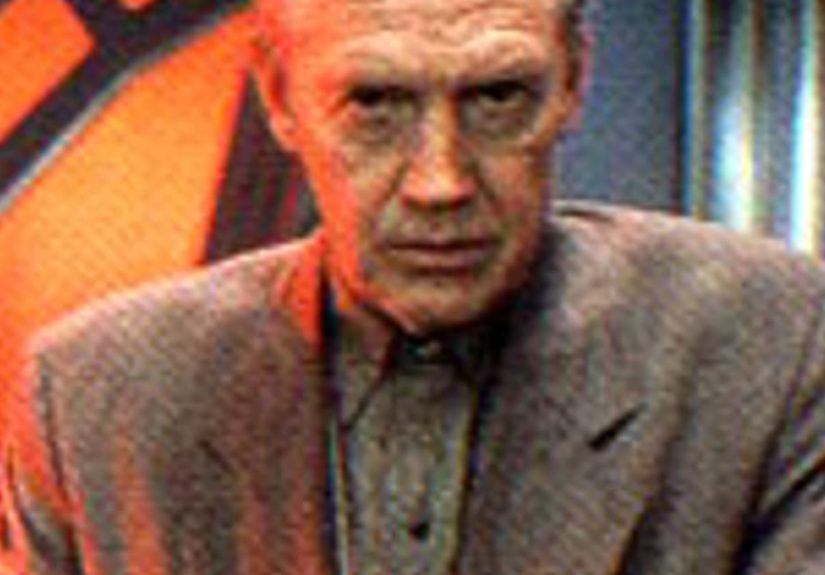
Vilos Cohaagen is the main antagonist of the 1990 sci-fi action film Total Recall, directed by Paul Verhoeven.
In that version, he’s the ruthless governor of the Mars colony, controlling not only the planet’s valuable resources but also its very air supply.
He represents the worst combination imaginable: a corporate CEO with governmental power, no conscience, and a monopoly on oxygen.
The character resurfaces in the 2012 remake of Total Recall, where he’s reimagined as a powerful chancellor on a dystopian future Earth.
Different setting, different actor, same basic idea: Cohaagen is the guy who treats entire populations as disposable line items on a balance sheet.
In both incarnations, Cohaagen isn’t the snarling “monster under the bed” type of villain.
He’s the smiling executive behind the desk, the one who can casually sign the order that changes thousands of lives.
That banality of evil is precisely what makes him so unsettling.
Why Vilos Cohaagen Works So Well As A Villain
The Power Of A Simple, Terrifying Motivation
Cohaagen’s motives aren’t mysterious. He wants power, control, and profit.
He’s willing to sacrifice workers, crush a resistance movement, and create enormous human suffering if it preserves his grip on the system.
There’s no tragic backstory, no misunderstood childhood trauma, and no secret soft side.
In an era when many villains are given sympathetic origin stories, Cohaagen stands out as refreshingly, almost nostalgically straightforward.
This blunt motivation actually makes him feel more believable.
We recognize his type from headlines and history books: leaders who slowly normalize cruelty by calling it “policy,” “security,” or “economic necessity.”
Cohaagen doesn’t think he’s the villain; he thinks he’s the adult in the room keeping the machine running.
A Corporate Tyrant In Sci-Fi Clothing
Cohaagen is one of sci-fi’s more pointed corporate villains.
He isn’t an alien warlord or a shadowy demon; he’s a businessman-politician hybrid backed by security forces and economic leverage.
The fact that he literally controls oxygen turns a basic sci-fi conceit into a metaphor for how real-world corporations can control essential resources like water, energy, or housing.
Visual storytelling reinforces this idea.
On Mars, Cohaagen sits in sleek offices while people in the poorer sectors struggle with failing air systems and visible illness.
He exists in a climate-controlled bubble, making decisions that others suffer from in real time.
That contrast between clean boardrooms and grimy streets is a classic sci-fi way of saying, “This isn’t just one bad guyit’s an entire system with a face.”
Performance And Direction: Why He Sticks In Your Memory
Part of Cohaagen’s lasting appeal comes from how he’s performed and directed.
In the 1990 film, he’s played with a mix of smug charm and explosive frustration.
He barks orders, threatens people with a grin, and occasionally erupts when things don’t go his way.
You always sense that he thinks he’s the smartest guy in the roomand that he absolutely cannot tolerate being proven wrong.
The direction heightens his menace.
Cohaagen is often seen behind glass, on screens, or elevated above others in the frame, emphasizing his distance and power.
When he finally shares physical space with the protagonist, it feels like a collision between two worlds: the controlled, artificial order he built and the chaotic, human mess he’s been trying to suppress.
Where Does Vilos Cohaagen Rank Among Sci-Fi Villains?
Now for the big question: how does Cohaagen rank against other iconic sci-fi villains like Darth Vader, the Xenomorph, or the Terminator?
On many “greatest villains of all time” lists, Cohaagen doesn’t crack the top tier.
Those spots tend to go to instantly recognizable, franchise-defining figuresmask-wearing Sith lords, unstoppable robots, and acid-blooded nightmares.
Cohaagen is rarely the headliner on those lists, and sometimes he’s not mentioned at all.
However, if you zoom in specifically on corporate and political villains, Cohaagen’s ranking rises fast:
- Among sci-fi corporate villains, he’s often mentioned in fan discussions alongside megacorp executives from franchises like Alien or Robocop.
- In discussions of “most punchable bosses in sci-fi,” Cohaagen consistently earns a spot, thanks to his smug demeanor and casual cruelty.
- Several fan-curated lists and comment threads highlight him as a textbook example of a leader who uses “security” and “order” as excuses for oppression.
In other words, Cohaagen is less of a universal pop-culture icon and more of a connoisseur’s pick.
Film lovers who pay attention to themes of corporate power and authoritarianism often rank him quite highly, even if casual viewers can’t immediately name him.
The Fan-Vote Factor
On crowd-sourced ranking sites and movie forums, Cohaagen tends to land in the middle or upper-middle tier:
- He rarely wins polls outright, but he frequently shows up as a strong “write-in” choice for “best human villain in sci-fi.”
- When people make personal top-20 or top-50 villain lists, Cohaagen often appears as a deep cutsomeone they include to signal they appreciate villains rooted in politics, not just special effects.
- Discussions about “favorite corporate villain” or “villains who feel uncomfortably real” bring his name up again and again.
So if Vader is the rockstar headliner, Cohaagen is the critically acclaimed character actor: not always front and center, but very respected by those who pay attention.
Modern Opinions: Why Cohaagen Still Feels Relevant
From Sci-Fi Tyrant To Real-World Parallel
One reason Cohaagen continues to spark opinions is how eerily relevant he feels in a world of tech billionaires, privatized infrastructure, and mega-projects on Earth and beyond.
Some modern commentary directly compares him to high-profile CEOs who discuss colonizing Mars or controlling major communication and transportation networks.
Whether or not you agree with those comparisons, the fact that people make them shows how contemporary his archetype feels.
The core idea is simple: when one person or company controls something essential to lifewhether it’s oxygen on Mars or internet access on Earththey can tilt the entire social and political structure in their favor.
Cohaagen is the sci-fi dramatization of that risk.
Personality Analysis: The Villain As A Manager
Fans have gone as far as assigning Cohaagen modern personality labels, trying to pin down his psychological profile.
Across those discussions, a pattern emerges: he’s seen as a security-obsessed, control-focused leader who treats human beings like assets on a spreadsheet.
He’s not chaotic; he’s structured.
He values stabilitybut only the kind of stability where he’s permanently on top.
This makes him extra chilling because he’s not a wild card.
Cohaagen isn’t unpredictable; he’s precisely predictable in the worst possible way.
You know that if a choice ever comes down to “what’s good for the people” versus “what’s good for Cohaagen’s system,” he will always choose the latter.
Visual And Thematic Symbolism
In the 1990 film, the imagery surrounding Cohaagen reinforces his role as a corrupt ruler.
Mars is depicted with harsh lighting, heavy use of reds, and stark contrasts between clean corporate settings and claustrophobic, struggling communities.
Cohaagen is often shown in strong, artificial light, surrounded by technology and security personnel, emphasizing his comfort and control.
Critics and essayists point out that this visual design isn’t just cool sci-fi style; it’s commentary.
Cohaagen’s world is highly ordered, but that order is built on exploitation and suppression.
Every polished surface and tidy control room is backed by chaos in the streets and gasping lungs in the poorer districts.
Strengths, Weaknesses, And Legacy
What Cohaagen Does Brilliantly As A Villain
Cohaagen’s biggest strengths as a villain include:
- Clarity of role: You know exactly what he stands forprofit, control, and power.
- Real-world resonance: He feels like a heightened version of real leaders we’ve seen throughout history.
- Performances: The actors who play him bring a credible mix of charm, arrogance, and malice.
- Thematic weight: He embodies ideas about corporate overreach, privatized essentials, and authoritarian governance.
Where He Falls Short In The Rankings
If Cohaagen has a weakness (from a “villain ranking” perspective), it’s that he isn’t as instantly iconic visually as some of his peers.
He doesn’t have a mask, a lightsaber, tentacles, or a terrifying robot exoskeleton.
To recognize him, you generally need to have seen the movie and remembered his name.
That makes him less meme-friendly and less likely to appear on lunchboxes or Halloween costumes.
As a result, he sometimes gets overshadowed by flashier, more visually distinctive antagonists.
Overall Verdict: Where We’d Rank Vilos Cohaagen
Taking everything into account, here’s a reasonable way to place Cohaagen in the big picture:
- Within all movie villains: upper middle tier. Memorable, well-acted, but not universally iconic.
- Within sci-fi human villains: high tier. One of the stronger examples of a corporate/political tyrant.
- Within corporate villains specifically: very high tier, thanks to how clearly he represents the dangers of concentrated power.
Cohaagen may not be the face on every poster, but he’s the villain that quietly lingers in the back of your mind whenever you hear phrases like “resource privatization” and “strategic austerity.”
Personal Experiences & Fandom Perspectives On Vilos Cohaagen
Part of the fun of talking about Vilos Cohaagen is comparing how different viewers respond to him over time.
Many people first encounter him as teenagers or young adults, when Total Recall plays like a wild action movie full of practical effects, one-liners, and strange Martian imagery.
On that first viewing, Cohaagen often registers as “the bad guy with the air” and not much more.
But revisit the film years laterespecially after working in a big company, following politics, or watching debates over privatized utilitiesand he starts to feel disturbingly familiar.
You recognize the way he talks about “order” and “stability,” how he frames resistance as chaos, and how he always connects morality to the bottom line.
Suddenly, the most unrealistic part of the story isn’t that Mars is colonized; it’s that the workers manage to fight back successfully.
Fans routinely share little “aha” moments related to Cohaagen.
Some say they didn’t pay much attention to him on first watch, but on rewatch they realize how central he is to the movie’s political spine.
Others notice how their sympathies shift with age: as kids, they’re focused on the hero’s confusion and identity crisis; as adults, they can’t stop thinking about the structural power Cohaagen wields.
There’s also a generational split in how people rank him.
Viewers who grew up with tapes or DVDs of Total Recall often put Cohaagen fairly high on their personal villain lists, because he’s deeply tied to their memory of the movie.
Younger viewerswho might encounter the story through clips, streaming, or the remakesometimes see him more as a “solid but not legendary” antagonist.
For them, he competes with a massive library of modern villains across cinematic universes and streaming shows.
Online, Cohaagen pops up in the most interesting places.
Someone will start a thread about “best corporate villains,” and there he is.
Another thread will debate which movie bosses are scariest from a worker’s perspective, and Cohaagen shows up again, often described as exactly the kind of person you never want running a colonized planetor frankly, anything.
A particularly telling experience many fans describe is this:
the older they get, the less they fear Cohaagen as some distant sci-fi bogeyman and the more they recognize him as an exaggerated reflection of real trendsconsolidated power, privatized basics, and leaders who see people as numbers.
Instead of feeling like an over-the-top cartoon, he starts to feel like an uncomfortable mirror.
That might be Cohaagen’s ultimate legacy.
He doesn’t just give the hero someone to fight; he gives the audience someone to think about.
When a fictional villain can still spark debates about corporate ethics, political responsibility, and the cost of “order” decades after his film’s release, that’s a strong case for ranking him higher than his name recognition alone would suggest.
So, whether you personally rank Vilos Cohaagen in your top 10 or somewhere around “honorable mention,” he earns his place in the conversation.
He’s a reminder that sometimes the scariest villains aren’t the monsters from another worldthey’re the ones who look like executives from this one.