Table of Contents >> Show >> Hide
- Who Was Wilhelm Wagenfeld?
- The Bauhaus Spirit in a Creamer and Sugar Bowl
- Design History of the Wagenfeld Creamer And Sugar Bowl
- Key Features of the Wagenfeld Creamer And Sugar Bowl
- Original, Vintage, and Reissued Versions
- How to Identify a Wagenfeld Creamer And Sugar Bowl
- Why Collectors Love It
- How to Use the Wagenfeld Creamer And Sugar Bowl Today
- Care Tips for Wagenfeld Glassware
- Buying Guide: What to Look For
- Styling Ideas for a Modern Home
- Experience Section: Living With the Wagenfeld Creamer And Sugar Bowl
- Conclusion
Note: This article is written for web publication and is based on real design history, museum records, collection notes, auction references, and product documentation related to Wilhelm Wagenfeld, Jenaer Glas, Schott & Genossen, and Bauhaus glass tableware.
The Wagenfeld Creamer And Sugar Bowl may sound like a small tabletop duo, but in the world of modern design, these two transparent little pieces carry more cultural weight than their size suggests. They are not loud. They do not sparkle with gold trim, floral decals, or “grandma’s best china” energy. Instead, they sit quietly on the table, clear as morning light, doing exactly what Bauhaus design promised: making everyday life simpler, smarter, and unexpectedly beautiful.
Designed by German industrial designer Wilhelm Wagenfeld, the creamer and sugar bowl belong to the larger Wagenfeld glass tea service associated with Jenaer Glas and Schott & Genossen. The set became admired for its heat-resistant glass, clean geometric forms, and practical elegance. In short, it is the kind of object that whispers, “I have excellent taste,” without knocking over the teapot to prove it.
For collectors, design students, Bauhaus fans, and anyone who believes coffee deserves better companions than a paper sugar packet, the Wagenfeld creamer and sugar bowl are worth understanding. Their story connects modernism, industrial glassmaking, German design, and the surprisingly emotional experience of serving milk and sugar from objects that look like tiny glass planets.
Who Was Wilhelm Wagenfeld?
Wilhelm Wagenfeld was one of the most influential German industrial designers of the 20th century. Born in Bremen in 1900, he trained as a silversmith before studying at the Bauhaus in Weimar. The Bauhaus was not interested in decoration for decoration’s sake. Its teachers and students wanted to rethink daily life through architecture, furniture, lighting, textiles, metalwork, ceramics, and household goods.
Wagenfeld absorbed that philosophy deeply. His designs were meant to be functional, affordable, and suitable for modern production. He believed ordinary household objects should be useful, beautiful, and accessible. That idea may sound obvious today, but at the time it was a design revolution wearing sensible shoes.
His best-known works include the famous Wagenfeld lamp, glass kitchenware, metal tableware, and the Jenaer Glas tea service. The Wagenfeld creamer and sugar bowl are part of this broader mission: to bring thoughtful, modern design into everyday rituals.
The Bauhaus Spirit in a Creamer and Sugar Bowl
The genius of the Wagenfeld creamer and sugar bowl lies in restraint. They do not try to look expensive through ornament. They look refined because every part has a reason to exist. The round bodies, transparent glass, modest scale, and balanced proportions create a quiet harmony.
Bauhaus design often used simple geometry: circles, cylinders, spheres, rectangles, and triangles. Wagenfeld’s tableware reflects that vocabulary. The sugar bowl is low, rounded, and open or lidded depending on the version. The creamer is similarly compact, with a small spout and handle shaped for pouring rather than posing. Together, they look like they were designed by someone who respected both the user and the sugar cube.
Why Transparent Glass Matters
The use of clear glass is not merely aesthetic. Transparency was central to the design’s function. You can see what is inside. Cream, milk, sugar, tea, or water become part of the visual composition. The object does not hide the contents; it frames them.
This is one reason the Wagenfeld glass tea service remains so admired. When empty, the pieces are almost invisible. When filled, they come alive. Cream turns the creamer soft white. Sugar catches the light. Tea glows amber. The table setting changes depending on what the pieces hold, which is basically the most tasteful magic trick ever performed by kitchenware.
Design History of the Wagenfeld Creamer And Sugar Bowl
The Wagenfeld tea service was developed around the early 1930s for Jenaer Glaswerk Schott & Genossen, a company known for advanced glassmaking. The set included pieces such as a teapot, cups, saucers, plates, tray, creamer, and sugar bowl. Many records date related pieces between 1930 and 1934, with some museum entries specifically identifying the creamer around 1932.
The material was heat-resistant glass, often associated with borosilicate glass technology. This mattered because Wagenfeld’s designs were not intended to sit in a cabinet and collect compliments. They were meant to be used. Heat-resistant glass made the tea service practical for hot beverages, while its clarity gave the objects a modern, almost scientific beauty.
The creamer and sugar bowl were not afterthoughts. They completed the ritual. A teapot may be the star of the table, but milk and sugar are the supporting cast that keep the show from becoming a one-person monologue. Wagenfeld designed the pieces so they belonged visually and functionally to the same family.
Key Features of the Wagenfeld Creamer And Sugar Bowl
1. Clear Heat-Resistant Glass
The most recognizable feature is the transparent glass. Original and later production versions are commonly associated with heat-resistant glass, allowing them to function as practical tableware rather than fragile decorative props. The glass feels light, clean, and modern.
2. Minimalist Bauhaus Form
The design avoids fuss. No floral borders. No scrollwork. No tiny cherubs wondering why they were placed on a sugar bowl. Instead, the pieces rely on shape, proportion, and clarity. This makes them easy to pair with modern, vintage, Scandinavian, Japanese, or even rustic table settings.
3. Compact Scale
The creamer and sugar bowl are small enough for a breakfast tray, tea service, coffee bar, or display shelf. Their modest scale is part of their charm. They do not dominate the table; they refine it.
4. Functional Details
The creamer’s spout is designed for controlled pouring, while the handle offers grip without visual heaviness. The sugar bowl’s open, rounded form makes it easy to access sugar cubes or loose sugar. Some sets include lids, depending on version and production period.
5. Collectible Appeal
Collectors appreciate Wagenfeld glassware because it represents both Bauhaus ideals and industrial design history. Original Jenaer Glas pieces, postwar examples, later Schott Zwiesel revivals, and vintage market finds can vary in markings, condition, and value.
Original, Vintage, and Reissued Versions
When people search for Wagenfeld Creamer And Sugar Bowl, they may encounter several categories: museum-documented original examples, vintage Jenaer Glas pieces, postwar production, later Schott or Schott Zwiesel versions, and contemporary secondhand listings. This can be confusing at first, especially when every seller claims their listing is “rare,” “iconic,” or “Bauhaus,” sometimes before spelling Wagenfeld correctly.
Original early pieces from the 1930s are generally the most historically significant. They may carry marks related to Schott & Genossen or Jenaer Glas. Postwar pieces can still be desirable, especially when they maintain the classic Wagenfeld form. Later reissues or revived Wagenfeld collection pieces are often valued for usability and accessibility rather than museum-level rarity.
If buying, look carefully at measurements, maker’s marks, condition, and whether the listing includes both the creamer and sugar bowl. A lone creamer can still be lovely, but it is a bit like finding one elegant shoe. Useful, perhaps, but emotionally incomplete.
How to Identify a Wagenfeld Creamer And Sugar Bowl
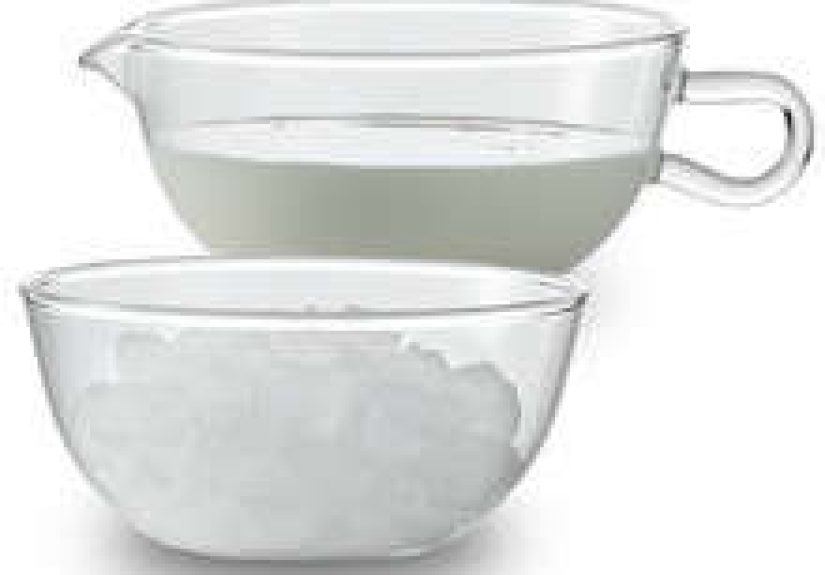
Identification begins with the form. The pieces should have a clean, rounded, transparent Bauhaus look. The creamer is typically low and compact, with a delicate handle and small pouring lip. The sugar bowl is usually rounded and clear, often with a simple, open profile or lid depending on the version.
Next, check for marks. Vintage Jenaer Glas and Schott pieces may include etched or printed maker’s marks on the base. Some related museum examples note markings such as Schott & Genossen or Jenaer Glas. However, marks can vary by production period, and not every piece is equally well documented.
Condition is equally important. Look for chips, cracks, cloudiness, scratches, repairs, and missing lids. Because clear glass reveals everything, damage is not shy. Even a tiny chip can catch light like a little design crime scene.
Why Collectors Love It
The Wagenfeld creamer and sugar bowl appeal to collectors for several reasons. First, they are connected to Bauhaus history, one of the most influential design movements of the 20th century. Second, they are usable. Unlike some collectible objects that require white gloves and emotional support, these pieces were designed for real tables and real beverages.
Third, they are visually flexible. They can sit beside a mid-century modern coffee pot, a minimalist ceramic mug, or a full glass tea service. They do not demand a matching universe. They adapt.
Finally, they represent a design philosophy that still feels current. In an age of clutter, disposable goods, and kitchen gadgets that promise enlightenment but mostly steal drawer space, Wagenfeld’s work feels refreshingly disciplined. The creamer pours. The sugar bowl holds sugar. Both look beautiful while doing it. That is enough.
How to Use the Wagenfeld Creamer And Sugar Bowl Today
For Coffee Service
Place the creamer beside a French press, pour-over setup, or espresso tray. Fill it with milk, cream, oat milk, almond milk, or half-and-half. The clear glass makes even a simple coffee routine feel curated without becoming fussy.
For Tea
The pieces shine in a tea setting. Pair them with loose-leaf tea, glass cups, linen napkins, and a small tray. The sugar bowl can hold cubes, rock sugar, or raw sugar. The creamer can hold milk or lemon syrup, depending on your tea habits and tolerance for tradition police.
For Entertaining
Use the set at brunch, dessert service, or after-dinner coffee. Because the design is transparent, it works with almost any color palette. It will not fight with your plates, flowers, or that one guest who insists on explaining single-origin beans for twelve minutes.
For Display
If you own vintage pieces and prefer not to use them daily, display them on open shelving, in a glass cabinet, or beside design books. Their small size makes them easy to style. They look especially good near other clear glass objects, chrome accents, or warm wood.
Care Tips for Wagenfeld Glassware
Even if a version is described as dishwasher-safe or heat-resistant, careful handling is wise, especially with vintage examples. Modern reissues may tolerate everyday use better than older pieces, but glass is still glass. It has survived design history; do not test its patience by tossing it into a sink full of forks.
Wash gently with warm water and mild dish soap. Avoid abrasive scrubbers that can scratch the surface. If using a dishwasher for modern pieces, place them securely so they do not knock against heavier items. For vintage or collectible examples, hand washing is usually the safer choice.
Allow pieces to dry fully before storage. If cloudiness appears, try a gentle vinegar-water rinse, but avoid harsh chemicals unless you are comfortable risking the finish or markings. Store lids separately or carefully cushioned if the sugar bowl includes one.
Buying Guide: What to Look For
When shopping for a Wagenfeld creamer and sugar bowl, begin with authenticity. Read the listing carefully. Look for references to Wilhelm Wagenfeld, Jenaer Glas, Schott & Genossen, Schott Mainz, Schott Zwiesel, or related markings. Compare the shape with museum and auction examples when possible.
Second, check measurements. Many Wagenfeld tea-service pieces are small, and photographs can make them appear larger than they are. A sugar bowl may look like it can hold enough sugar for a neighborhood bakery, only to arrive ready for a polite tea table.
Third, review condition photos. Ask for close-ups of rims, handles, spouts, bases, and any markings. Chips around the rim and spout are common trouble spots. Scratches may not ruin usability, but they can affect value.
Fourth, understand the difference between collectible and practical value. A museum-era original is not the same as a later revival. Both can be enjoyable, but they occupy different lanes. One is closer to design history; the other may be better for everyday coffee.
Styling Ideas for a Modern Home
The Wagenfeld creamer and sugar bowl look best when given breathing room. Avoid crowding them with overly ornate accessories. Let the transparency do its job. A simple tray, a white ceramic cup, a linen cloth, and a small spoon are enough.
For a Bauhaus-inspired table, pair the glass set with black, white, and primary color accents. For a softer modern look, combine it with oak, stoneware, and neutral textiles. For a vintage display, place it with other 1930s or mid-century glass pieces.
Because the design is so quiet, it can also act as a bridge between styles. It softens industrial interiors, sharpens rustic ones, and gives minimalist kitchens a touch of historical depth. That is the benefit of good design: it does not need to shout to be noticed.
Experience Section: Living With the Wagenfeld Creamer And Sugar Bowl
Using a Wagenfeld-style creamer and sugar bowl changes the mood of a table in a subtle way. At first, you may think, “It is just a little glass creamer and a little glass sugar bowl.” Then you set them beside your morning coffee, and suddenly your breakfast looks like it has read several design books and developed excellent posture.
The first experience most people notice is the lightness. These pieces do not feel heavy or ceremonial. They invite use. Pouring milk from the creamer is a small pleasure because the form is direct and unfussy. There is no dramatic flourish, no oversized handle, no decorative lip pretending to be useful. It simply pours. That may sound ordinary, but many household objects fail at their one job with astonishing confidence.
The sugar bowl brings a different kind of satisfaction. Clear glass makes sugar look intentional. Cubes become sculptural. Loose sugar catches light. Even a small spoon resting beside it feels more elegant. Guests notice the set without always knowing why. They may not say, “Ah, yes, Bauhaus industrial design,” but they often pause for a second before adding sugar. That pause is the object doing its work.
Another pleasant experience is how easily the pair fits into different routines. On weekdays, it can sit beside a simple mug and a slice of toast. On weekends, it can join a full brunch spread with pastries, fruit, coffee, and tea. During a dinner party, it can appear at dessert with espresso or black tea. It never feels overdressed or underdressed. It is the design equivalent of a perfectly cut white shirt.
There is also a practical emotional benefit: the set encourages slower serving. Instead of grabbing milk from a carton and sugar from a bag, you transfer them into objects made for the table. That tiny act creates ceremony without becoming precious. It says, “This moment deserves five extra seconds.” In a world where breakfast is often eaten while reading emails and negotiating with a toaster, five extra seconds can feel luxurious.
Collectors may experience the set differently. For them, handling a Wagenfeld creamer and sugar bowl is partly about connection. These pieces link today’s kitchen to the modernist belief that good design belongs in daily life. They remind us that innovation does not always need screens, batteries, or software updates. Sometimes innovation is a better-shaped spout and a sugar bowl that looks right from every angle.
Of course, owning glassware also teaches humility. You become aware of sink edges, cabinet doors, and the reckless enthusiasm of teaspoons. If the set is vintage, you may treat it with extra caution. That is not a flaw; it is part of the experience. Objects with history ask us to slow down and pay attention. They make ordinary gestures more mindful.
The Wagenfeld creamer and sugar bowl are especially rewarding because they balance beauty and usefulness. They are not museum ideas trapped behind glass, even though similar pieces live in museum collections. They are household objects with intellectual backbone. They can serve milk and sugar while quietly telling a century-long story about modern design, material honesty, and the dignity of everyday things.
Conclusion
The Wagenfeld Creamer And Sugar Bowl prove that small objects can carry big design ideas. Created within the world of Bauhaus-inspired modernism and connected to Jenaer Glas and Schott glassmaking, this transparent duo combines function, restraint, and lasting beauty. Whether you collect original pieces, hunt for vintage Jenaer Glas, admire museum examples, or simply want a more elegant coffee table, the Wagenfeld set remains relevant because it solves a simple problem gracefully.
It holds milk. It holds sugar. It looks timeless. And it quietly reminds us that good design does not need to beg for attention. Sometimes it just sits there, clear and calm, making your coffee feel smarter.