Table of Contents >> Show >> Hide
- What Is a Sheaf of Grain?
- How Sheaves Were Made Before Modern Harvesting
- Sheaf vs. Shock vs. Stook: What Is the Difference?
- Why Did Farmers Use Sheaves?
- The Role of Sheaves in American Farm History
- Why Sheaves Are Rare in Modern Farming
- Sheaves in Decoration, Symbolism, and Culture
- How to Use Grain Sheaves for Home Décor
- Are Sheaves the Same as Straw?
- What Sheaves Teach Us About Agriculture
- Experiences and Practical Observations Related to Sheaves of Grain
- Conclusion
If you have ever seen an old harvest painting, a rustic fall centerpiece, or a movie scene where farmers stand golden bundles upright in a field, you have probably met a sheaf of grain. You may not have known its name, but there it was: neatly tied, sun-colored, and looking as if autumn itself had put on a belt.
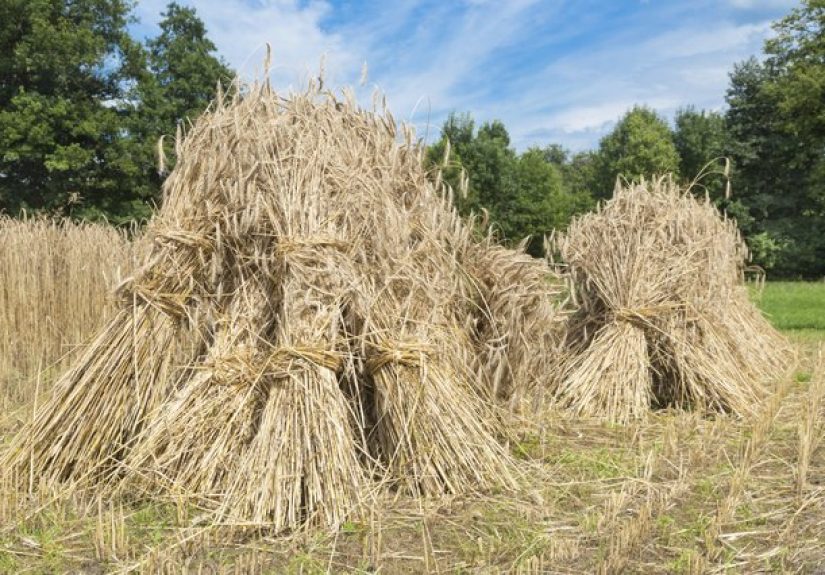
So, what are sheaves of grain? A sheaf is a bundle of cut grain stalks tied together after harvest. The stalks usually come from cereal crops such as wheat, barley, oats, rye, or similar small grains. Each sheaf includes both the stems and the grain heads, which are the seed-bearing tops of the plant. Before modern combines rolled across farms like mechanical dinosaurs with GPS, sheaves were an essential part of harvesting, drying, moving, and threshing grain.
Today, sheaves are less common in large-scale farming, but they still matter. They appear in traditional agriculture, heritage farming, seasonal decorations, religious language, literature, and even logos. In short, a sheaf is not just a bundle of stalks. It is a small, tied-up piece of farming history.
What Is a Sheaf of Grain?
A sheaf of grain is a gathered bundle of cereal crop stalks that have been cut and tied together. The plural form is sheaves, pronounced “sheevz.” One sheaf usually contains enough stalks to be easy for a person to lift, carry, stack, or pitch with a fork. Think of it as the harvest version of a bouquet, except instead of roses, you get wheat, straw, and possibly a strong desire to bake bread.
The main keyword here is simple: sheaves of grain are tied bundles of harvested grain plants. The grain heads remain attached until the next step, usually threshing, which separates the edible kernels from the stalks and husks. The remaining stalks become straw, which has traditionally been used for bedding, mulch, thatching, and craft materials.
Common grains used in sheaves
Sheaves are most often associated with small grains, including:
- Wheat: The classic golden sheaf seen in harvest imagery and farm décor.
- Barley: A grain used for food, animal feed, and malting.
- Oats: Often bundled in traditional harvesting and livestock systems.
- Rye: A hardy cereal grain with long stalks, useful for both grain and straw.
- Rice: In many traditional rice-growing regions, cut rice stalks may also be bundled and dried.
In the United States, the term “small grains” commonly refers to crops such as wheat, oats, barley, and rye. These grains have smaller kernels than corn and are often managed differently in planting, harvesting, storage, and processing.
How Sheaves Were Made Before Modern Harvesting
Before combine harvesters became standard, harvesting grain was a multi-step process that required timing, teamwork, strong backs, and probably a very generous lunch. Farmers first cut the standing grain with hand tools such as sickles, scythes, or cradle scythes. Later, mechanical reapers and reaper-binders made the work faster by cutting stalks and tying them into bundles.
After the stalks were cut, workers gathered them with the seed heads facing the same direction. The bundle was then tied around the middle using straw, twine, or another binding material. This tied bundle became a sheaf.
The basic process
- Cut the grain: Mature grain stalks were cut close enough to preserve useful straw.
- Gather the stalks: Workers collected the cut stems into manageable bundles.
- Align the heads: The grain heads were usually placed in the same direction for easier handling.
- Tie the bundle: The stalks were secured around the middle to form a sheaf.
- Stand or stack: Several sheaves were arranged upright in the field to dry.
- Thresh later: Once dry, the grain was separated from the stalks.
This system may sound simple, but good sheaf-making required skill. A loose bundle could fall apart. A bundle tied too tightly could trap moisture. A poorly placed sheaf could tip over in the wind like a dramatic farm actor exiting stage left.
Sheaf vs. Shock vs. Stook: What Is the Difference?
Harvest vocabulary can feel like a secret club where every word sounds like it came from a barn with excellent acoustics. Three terms often appear together: sheaf, shock, and stook.
Sheaf
A sheaf is one tied bundle of cut grain stalks. It is the basic unit.
Shock or stook
A shock or stook is a group of sheaves arranged upright in the field. Farmers stood sheaves together so air could circulate around them, helping the grain dry while keeping the heads off the damp ground. A well-built shock acted like a tiny grain teepee: practical, balanced, and much better at surviving a breeze than a pile dumped flat on the soil.
Stack
A stack was a larger storage arrangement, often made after sheaves had dried enough to be moved. Stacks helped hold grain until threshing could be done.
Why Did Farmers Use Sheaves?
Sheaves solved several real farm problems. They made cut grain easier to handle, easier to dry, easier to transport, and easier to process. Before one machine could cut, thresh, and clean grain in a single pass, farmers needed a system that worked with human labor, animals, weather, and time.
Sheaves helped grain dry
Moisture is one of the great enemies of harvested grain. If grain stays too wet, it can sprout, mold, spoil, or lose quality. By tying stalks into sheaves and standing them upright in shocks, farmers improved airflow and kept the grain heads away from wet soil. Drying was not just a nice bonus; it was a survival strategy for the crop.
Sheaves made transport easier
Loose stalks are awkward. They slide, scatter, tangle, and generally behave like they have somewhere else to be. Tied sheaves are easier to load onto wagons, carry to barns, and feed into threshing equipment. The bundle gave order to the chaos of cut grain.
Sheaves prepared grain for threshing
Threshing is the process of separating kernels from the rest of the plant. In older systems, farmers used flails, animals, or threshing machines. Sheaves made it easier to move harvested stalks to the threshing floor or machine. Once the kernels were loosened, winnowing or mechanical cleaning removed chaff and lighter plant material.
The Role of Sheaves in American Farm History
Sheaves of grain played a major role in American agriculture, especially during the 18th and 19th centuries and into the early 20th century. On many farms, harvest season was a community event. Families and neighbors worked together to cut, bind, shock, haul, thresh, and store grain. It was exhausting work, but it was also social. Nothing says “team bonding” quite like sweating in a wheat field while someone reminds you there are only twenty more acres to go.
Early harvesting relied heavily on hand tools. A skilled worker using a sickle or scythe could cut grain, while others followed behind to gather and bind the stalks. The cradle scythe improved the process by helping collect cut stalks as they fell. Later, horse-drawn reapers increased speed, and reaper-binders eventually cut and tied grain into sheaves mechanically.
These inventions changed rural life. They reduced the amount of hand labor required and allowed farms to harvest larger fields more efficiently. Still, even with machines, sheaves remained important because the grain often still had to dry in the field before threshing.
Why Sheaves Are Rare in Modern Farming
Modern grain farming usually skips the sheaf stage. Today, combines cut the grain, separate the kernels, and discharge the straw in one continuous operation. A combine can do in minutes what once took teams of people many hours or days. That is wonderful for efficiency, although it does remove some of the old harvest romance. Combines are impressive, but no one has ever written a cozy folk hymn called “Bringing in the Combine Header.”
Most commercial wheat, barley, oat, and rye fields are now harvested directly when the crop reaches the right maturity and moisture level. Some farmers may still swath or windrow grain under specific conditions, but tying individual sheaves is no longer standard practice on large farms.
However, sheaves have not disappeared completely. They remain common in educational demonstrations, living history farms, traditional farming communities, small-scale grain growing, craft production, and decorative uses.
Sheaves in Decoration, Symbolism, and Culture
Sheaves of grain carry strong symbolic meaning. They represent harvest, abundance, patience, labor, gratitude, and the cycle of planting and reaping. This is why wheat sheaves often appear in fall decorations, Thanksgiving displays, church harvest festivals, wedding décor, and rustic home design.
Harvest symbolism
A sheaf is a natural symbol of completed work. Seeds were planted, plants grew, weather was endured, and finally the crop was gathered. The tied bundle says, “The season gave us something.” That message is simple, but powerful.
Religious and literary use
The phrase “bringing in the sheaves” appears in religious songs and harvest language. In many contexts, sheaves symbolize reward after effort, hope after patience, or gathering what has been sown. The image works because nearly everyone understands the basic idea: a field becomes food only after work.
Design and décor
In modern homes, sheaves of wheat or dried grain are popular for fall arrangements. They look warm, natural, and timeless. Place one on a dining table and suddenly the room says, “Welcome, please enjoy soup and emotional coziness.”
How to Use Grain Sheaves for Home Décor
If you want to use sheaves of grain in your home, the easiest option is to buy dried wheat, rye, oats, or barley from a craft supplier, farm market, or floral shop. You can tie the stalks with twine, ribbon, linen, burlap, or raffia. Keep the look simple. Grain already has texture and movement; it does not need glitter, plastic pumpkins, and a tiny scarecrow shouting for attention.
Simple display ideas
- Place a wheat sheaf in a ceramic pitcher for a farmhouse-style centerpiece.
- Tie small sheaves with twine for place settings at a fall dinner.
- Combine dried grain with eucalyptus, dried flowers, or seed pods.
- Use mini sheaves in wreaths, mantel displays, or entryway baskets.
- Pair barley or oats with neutral fabrics for a softer, natural look.
Practical care tips
Keep dried grain sheaves away from open flames, damp rooms, and curious pets. Moisture can cause mold, and dry stalks can shed. If allergies are a concern, gently shake the sheaf outdoors before bringing it inside. For longer display life, store sheaves in a cool, dry place and protect them from crushing.
Are Sheaves the Same as Straw?
No. A sheaf is a bundle of cut grain stalks before the grain has been removed. Straw is what remains after the grain kernels are separated from the stalks. In other words, a sheaf may contain straw, but straw is not automatically a sheaf.
Here is the simple chain:
- Standing grain: The crop before harvest.
- Sheaf: Cut stalks tied together, grain heads still attached.
- Threshed grain: Kernels separated from the plant.
- Straw: Dry stems left after threshing.
This distinction matters because people often use the words loosely. A decorative “wheat sheaf” still includes seed heads. A bale of straw usually does not. If the bundle looks like golden stalks with grain heads at the top, it is probably a sheaf. If it looks like a rectangular block suitable for sitting on at a pumpkin patch, it is probably straw.
What Sheaves Teach Us About Agriculture
Sheaves remind us that food is not just a product on a grocery shelf. Grain has a long journey: soil preparation, planting, germination, growth, pollination, ripening, harvesting, drying, threshing, milling, and cooking. A loaf of bread begins with a plant in a field, not with a plastic bag and a twist tie.
They also show how farming technology evolves. Hand-cut sheaves made sense when labor was available and fields were smaller. Reaper-binders made sense when farmers needed speed but still relied on drying and threshing systems. Combines make sense in modern large-scale production, where timing, efficiency, and grain quality are critical.
Understanding sheaves of grain gives us a clearer view of how agriculture moved from hand labor to mechanized systems. It is a humble subject, but it opens the door to history, food systems, rural culture, and the practical genius of farmers who had to work with weather, soil, tools, animals, and time.
Experiences and Practical Observations Related to Sheaves of Grain
Anyone who has handled real sheaves of grain quickly learns that they are more than pretty harvest decorations. They are surprisingly physical. A sheaf looks light from across a room, especially when it is tied with a cute ribbon and sitting beside a pumpkin. But a fresh bundle of grain stalks has weight, scratchiness, and attitude. The stems can poke your wrist, the heads can shed bits of chaff, and the whole bundle seems determined to lean in whatever direction is least convenient.
One of the first practical lessons is that neat sheaves depend on alignment. When the grain heads all face the same direction, the bundle looks clean and balanced. When they point everywhere, the sheaf looks as if it lost an argument with a ceiling fan. Traditional harvest workers understood this instinctively. Proper alignment made the bundles easier to tie, carry, stack, and thresh. For decorative use, the same rule applies. Gather the stalks gently, tap the cut ends on a flat surface, and tie the bundle firmly around the middle or lower third.
Another experience people often notice is the smell. Dried grain has a warm, grassy scent that feels instantly seasonal. Wheat smells different from oats; rye can feel sharper and more rustic. In a home, a dried sheaf can make a room feel earthy and calm, but it should not smell musty. A musty odor usually means moisture, and moisture is not your friend. It is the uninvited guest who brings mold to the party.
Working with sheaves also builds respect for historic farm labor. Tying one bundle for a centerpiece is pleasant. Tying hundreds under a hot sun is a different story. Traditional harvesting required rhythm: cut, gather, bind, stand, repeat. The work had to be done when the crop was ready, not when everyone felt emotionally prepared. If rain was coming, the pressure increased. A field of grain represented months of investment, and poor timing could reduce quality or waste the harvest.
For small gardens or educational projects, growing a patch of wheat or oats can be a memorable way to understand sheaves. Children and adults alike can see the full cycle from seed to stalk to bundle. Even a small row teaches big lessons: grain needs time, weather matters, and the final harvest is only one part of the story. Cutting a few stalks, tying them with twine, and letting them dry upright gives a hands-on connection to agriculture that no textbook can fully replace.
In decorating, the best experiences usually come from keeping sheaves simple. Natural grain already has color, shape, and symbolism. A plain wheat sheaf tied with jute can look more elegant than an overbuilt arrangement. It works on farmhouse tables, modern shelves, wedding aisles, market displays, and Thanksgiving settings. The key is dryness, balance, and restraint. Let the grain be grain. It has been doing the golden-harvest look for thousands of years, and frankly, it is very good at its job.
Conclusion
Sheaves of grain are tied bundles of harvested cereal stalks, usually wheat, barley, oats, rye, or similar crops. Historically, they helped farmers dry, move, store, and thresh grain before modern harvesting machines changed the process. Today, sheaves remain valuable as symbols of harvest, abundance, tradition, and rural life.
Whether you see them in a historic farm demonstration, a Thanksgiving centerpiece, a painting, or an old song lyric, sheaves carry a story. They remind us that grain once passed through many human hands before becoming flour, bread, porridge, feed, or seed for the next season. A sheaf may be just a bundle, but it is a bundle with roots.
Note: This article is written in original American English and synthesized from reputable agricultural, dictionary, historical, and educational references. Source links are intentionally omitted for clean web publishing.