Table of Contents >> Show >> Hide
- The quick definition: an orange liqueur built on Cognac
- What “Cordon Rouge” means in real life
- How it tastes: orange zest, candied peel, and warm Cognac notes
- How it’s made (the simple version)
- How to drink Grand Marnier Cordon Rouge
- Grand Marnier vs. triple sec vs. Cointreau vs. curaçao
- How to choose the right use for it
- Storage and shelf-life tips
- FAQ: quick answers people actually want
- of real-world “experiences” with Grand Marnier Cordon Rouge
- Conclusion
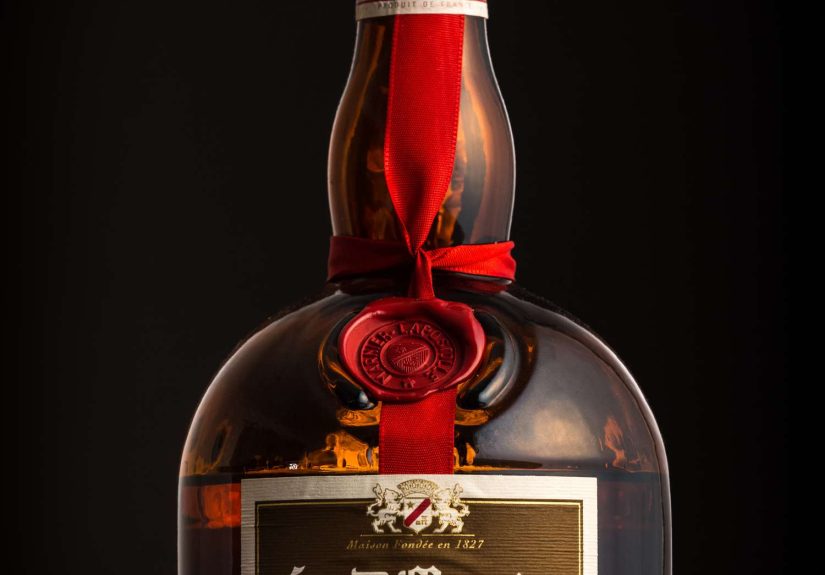
If you’ve ever scanned a back bar and spotted a curvy bottle wearing a bright red ribbon like it’s headed to a fancy party,
you’ve met Grand Marnier Cordon Rouge. It’s an orange liqueur with a grown-up résumé: it brings citrus, warmth, and a
Cognac-driven “ooh, that’s nice” finish that makes cocktails taste more intentionaland desserts taste like they’re wearing a tux.
But what exactly is it? Is it just “fancy triple sec”? Is it meant for margaritas, crêpes, after-dinner sipping, or all of the above?
(Spoiler: yes.) Let’s break down what Grand Marnier Cordon Rouge is, how it tastes, how it’s used, and why it behaves differently
than the clear orange liqueurs most of us started with.
The quick definition: an orange liqueur built on Cognac
Grand Marnier Cordon Rouge is a French orange-flavored liqueur made by blending Cognac with distilled bitter orange essence and
sugar. That Cognac base is the big headline: it’s what gives the liqueur deeper vanilla-toffee notes, a rounder mouthfeel, and a
darker amber color compared with many clear orange liqueurs.
It’s also unusually strong for a liqueur: Grand Marnier Cordon Rouge is typically bottled at 40% ABV (80 proof), which puts it in
the “don’t underestimate this because it tastes like orange candy” category. In other words, it can function like a flavoring agent,
a sweetener, and a legitimate spirit in the same glass.
What “Cordon Rouge” means in real life
“Cordon Rouge” is the signature Grand Marnier expressionthe classic one you’ll see most often in stores and recipes. When
people say “Grand Marnier,” they’re usually referring to this exact bottle. It’s the standard bearer in the lineup: orange-forward,
Cognac-backed, and designed to work across sipping, mixing, and cooking.
How it tastes: orange zest, candied peel, and warm Cognac notes
Grand Marnier doesn’t taste like orange soda. The orange character leans toward bitter orange, candied peel, and aromatic zest rather
than bright, juicy sweetness. Behind that citrus, you’ll often notice vanilla and baking-spice warmth from the Cognac, plus nutty,
toffee-like richness that can read as hazelnut or caramel depending on what you pair it with.
The finish is one reason it’s beloved: it tends to linger longer than many orange liqueurs, leaving a gentle bittersweet orange note
and a soft brandy warmth. That long finish is why it can be sipped neat like a digestifand why a small pour can make a cocktail
taste “finished,” not just mixed.
How it’s made (the simple version)
Think of Grand Marnier Cordon Rouge as a blend. The building blocks are:
- Cognac (the brandy base that adds oak-aged depth and warmth)
- Distilled bitter orange essence (concentrated citrus aroma and flavor)
- Sugar (to round the edges and give it liqueur-level sweetness)
That’s the “why it tastes different” story in three bullets. Unlike many triple secs that rely on neutral spirits for a crisp, bright
profile, Grand Marnier’s Cognac backbone makes it richer, darker, and more dessert-friendlywithout turning it into syrup.
How to drink Grand Marnier Cordon Rouge
1) Neat or on the rocks
Because it’s 40% ABV and has an oak-and-citrus structure, Grand Marnier can be sipped straightespecially after dinner.
Try it neat if you want the full orange-peel aroma; try it over a large ice cube if you want the sweetness dialed back and
the Cognac notes to come forward as it chills.
2) In cocktails where orange matters (but so does depth)
Grand Marnier shines in cocktails that benefit from a richer orange noteespecially drinks built around aged spirits. A few
classic roles:
- Cadillac-style Margarita: Swapping in Grand Marnier can add a plush orange finish and a rounder mid-palate.
- Sidecar variations: Orange liqueur + Cognac is already a natural pairingGrand Marnier leans into that logic.
- Sparkling wine cocktails: A small pour can add citrus perfume and gentle sweetness without tasting like juice.
- Spirit-forward riffs: Because it’s strong, it can stand up in stirred or boozy builds instead of disappearing.
A practical bartender-style tip: because it brings both sweetness and orange flavor, you may need slightly less simple syrup
(or none at all) in cocktails that already have sweet elements. Grand Marnier is not a “dump it in and hope” ingredientit’s a
“taste and adjust” ingredient.
3) In cooking and baking (where it behaves like edible perfume)
Grand Marnier is famous in desserts because orange + vanilla + caramel notes play beautifully with butter, cream, chocolate,
and fruit. It’s often used to flavor sauces, whipped cream, custards, cakes, and classic French-style dessert presentations.
Common moves include:
- Orange sauces and caramel: A splash can lift an orange-butter sauce or deepen caramelized citrus flavors.
- Chocolate desserts: Orange + chocolate is a timeless duo; a little liqueur can make chocolate taste brighter.
- Creamy desserts: Stir into custard bases, crème brûlée mixes, or whipped cream for a citrus-vanilla accent.
- Fruit-forward dishes: It loves berries, stone fruit, apples, and anything that already welcomes warm spice.
If a recipe calls for flambéing, remember: alcohol is flammable, and kitchen flames are not interested in your insurance deductible.
Follow the recipe carefully, keep your face away from the pan, and never pour straight from the bottle into a hot skillet.
Grand Marnier vs. triple sec vs. Cointreau vs. curaçao
Orange liqueur names can feel like a choose-your-own-adventure, so here’s a simple way to think about it:
Triple sec
“Triple sec” is a category, not a single brand. Many triple secs are clear and built on neutral spirits. They often emphasize
bright orange aroma and sweetness, with a lighter body.
Cointreau
Cointreau is a well-known premium triple sec. It’s typically crisp, clean, and intensely orange-scentedexcellent when you want
brightness and precision in cocktails.
Curaçao
Curaçao is another orange liqueur style that can vary widelysome versions are drier, some sweeter, and some use brandy-based
foundations. The main point: curaçao often brings a slightly different orange-peel character and can add complexity depending on
the producer.
Grand Marnier Cordon Rouge
Grand Marnier stands out because it’s Cognac-based and full-strength at 40% ABV. The result is richer, darker, and more
brandy-forward than many triple secsoften perceived as more “dessert-ready,” and especially flattering with aged spirits.
Can you substitute them? Usually, yesbut the drink will change. Swap Grand Marnier into a cocktail that expects a crisp triple sec
and you may get more warmth and depth. Swap a lighter triple sec into a Grand Marnier-forward recipe and you may lose some richness.
Neither is “wrong”; it’s just a flavor decision.
How to choose the right use for it
Grand Marnier Cordon Rouge makes the most sense when:
- You’re mixing with aged spirits (Cognac, bourbon, aged rum) and want the orange note to feel integrated, not sharp.
- You want an orange liqueur that can hold its own without extra syrup.
- You’re cooking or baking and want orange flavor with built-in vanilla/caramel warmth.
- You like the idea of sipping orange liqueur as a digestif, not just hiding it in a cocktail.
If your goal is a super-bright, super-clean citrus snap in a margarita or cosmopolitan-style drink, a crisp triple sec may be the
better fit. If your goal is “orange, but with a velvet jacket,” Grand Marnier is your friend.
Storage and shelf-life tips
Grand Marnier is shelf-stable. Keep it tightly capped, store it in a cool, dark place, and it will stay in good shape for a long time.
Like most spirits and liqueurs, it won’t spoil the way milk doesbut heat, sunlight, and oxygen can slowly dull aromatics.
If you use it mainly for cooking, you can treat it like vanilla extract with a passport: it’ll be there when you need it.
FAQ: quick answers people actually want
Is Grand Marnier the same as triple sec?
Not exactly. They’re both orange liqueurs, but Grand Marnier is Cognac-based and richer, while triple sec is a category that’s often
lighter and built on neutral spirits.
Can you sip Grand Marnier straight?
Yes. Its strength and Cognac notes make it a popular after-dinner sip, neat or over ice.
Does it work in margaritas?
Absolutelyespecially if you like a margarita with more orange depth and a warmer finish. Just remember it adds sweetness too, so
balance accordingly.
What’s a good substitute if I don’t have it?
In many cocktails and recipes, a quality triple sec, Cointreau, or an orange curaçao can work. Brandy-based orange liqueurs tend to
feel closest to Grand Marnier’s richer profile.
of real-world “experiences” with Grand Marnier Cordon Rouge
Grand Marnier is one of those bottles that quietly earns a permanent home once you’ve had a few “ohhh, that’s what it does” moments.
The first common experience is the accidental discovery of its strength: you pour a generous splash into a shaker the way you would
with a lower-proof liqueur, take a sip, and realize you’ve built something closer to a full-proof cocktail than a sweet add-on.
It’s not a problemjust a reminder that this orange liqueur shows up to work, not to watch.
A classic at-home milestone is the “Cadillac” margarita experiment. You start with your usual tequila and fresh lime juice, then swap
in Grand Marnier for your standard orange liqueur. The first thing most people notice isn’t louder orangeit’s a warmer, rounder
finish, like the cocktail put on a soft sweater. The second thing you notice is that you don’t need as much extra sweetener. Grand
Marnier carries sweetness and flavor together, so the drink can stay balanced with fewer moving parts.
In the kitchen, Grand Marnier tends to become a secret weapon for “I need this dessert to taste like I planned ahead.” A spoonful in
whipped cream turns it from plain to perfumed. A splash in a citrus sauce can make it taste more intense without adding more juice.
And if you bake, you’ll probably have the moment where orange and chocolate suddenly make perfect sense: brownies, cakes, or ganache
pick up a brighter edge when a little orange liqueur joins the partywithout tasting like candy.
Hosting is where Grand Marnier really flexes. It’s the bottle that can do three jobs in one evening: a quick pre-dinner cocktail,
a splash in a sparkling wine toast, and a small after-dinner pour for anyone who wants something cozy but not heavy. People often
describe it as “festive,” which is basically a polite way of saying it makes an average Tuesday feel like you lit a candle and used a
real napkin.
Another very relatable experience: you buy it for one specific recipemaybe a classic orange-forward dessertand then it lingers in
your cabinet until the next time you’re out of orange liqueur. That’s when you discover it’s an upgrade in more places than you
expected. It can make a simple sour taste more layered, make warm cider taste more holiday-ready, or give a coffee cocktail a subtle
orange-vanilla accent that feels fancy without being fussy.
The most consistent “experience,” though, is learning that Grand Marnier is not just orange flavorit’s orange flavor with structure.
Once you start thinking of it as a Cognac-friendly spirit rather than a sweet orange syrup, you’ll use it more confidently: smaller
pours, better balance, and a lot more “wow, what’s in this?” from whoever’s holding the glass.
Conclusion
Grand Marnier Cordon Rouge is a Cognac-based orange liqueur that delivers bitter-orange aroma, candied peel richness, and a warm,
oak-kissed finishat a full-strength 40% ABV. That combination is why it can be sipped neat, mixed into classic cocktails, and folded
into desserts without disappearing. If you want an orange liqueur with depth (not just sweetness), this red-ribbon bottle is the
reliable “one pour, big payoff” option.