Table of Contents >> Show >> Hide
- What Is IQOS?
- How Does IQOS Work?
- IQOS vs. Smoking: What Is the Difference?
- IQOS vs. Vaping: Why They Are Not the Same
- Is IQOS Safer Than Smoking?
- Is IQOS Safer Than Vaping?
- What Does FDA Authorization Mean for IQOS?
- Does IQOS Help People Quit Smoking?
- Health Risks of IQOS and Heated Tobacco Products
- Why People Are Interested in IQOS
- Common Myths About IQOS
- Who Should Avoid IQOS?
- IQOS, Vaping, and Smoking: Quick Comparison
- Practical Example: Three Nicotine Users, Three Very Different Patterns
- Experience-Based Perspective: What People Notice When Comparing IQOS, Vaping, and Smoking
- Final Thoughts: So, What Is IQOS Really?
- SEO Tags
If cigarettes are the old flip phone of nicotine delivery and vaping is the flashy smartphone with too many settings, IQOS sits somewhere in the middle: sleeker than a cigarette, more tobacco-centered than a vape, and still very much part of the nicotine family. It is often marketed as a “heated tobacco” or “heat-not-burn” product, which sounds almost cozylike a tiny tobacco toaster. But the real question is not whether the gadget looks modern. The real question is what it does, how it differs from vaping or smoking, and what people should know before assuming it is harmless.
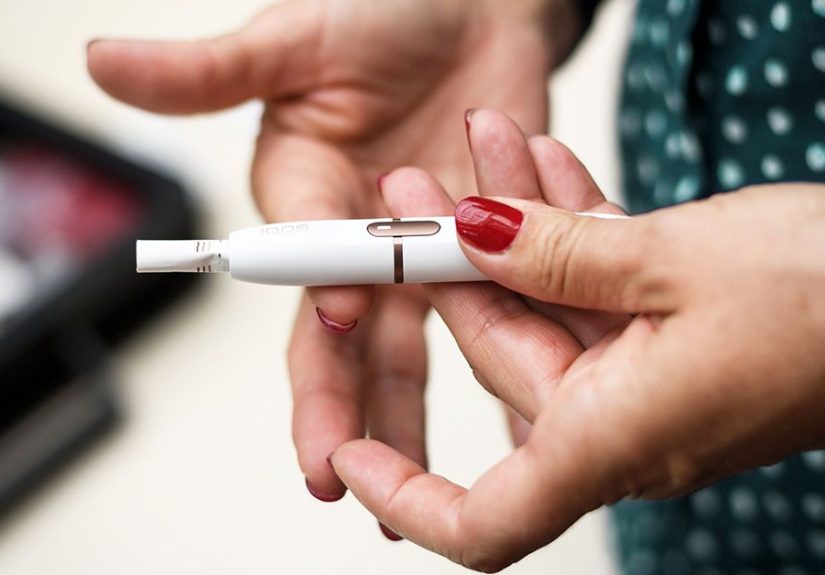
IQOS is a tobacco heating system developed by Philip Morris International. Unlike a traditional cigarette, it does not burn loose tobacco at the tip. Unlike most vapes, it does not heat a flavored liquid. Instead, IQOS uses a battery-powered device to heat specially designed tobacco sticksoften called HeatSticksto create an inhalable aerosol that contains nicotine. That one sentence explains why IQOS often causes confusion: it is not exactly smoking, not exactly vaping, and definitely not a nicotine-free wellness gadget.
This guide breaks down what IQOS is, how it works, how it compares with cigarettes and e-cigarettes, what “reduced exposure” really means, and why “less smoke” does not automatically mean “safe.”
What Is IQOS?
IQOS is a heated tobacco product. The name is commonly associated with a device-and-stick system: the user inserts a small tobacco stick into a holder, the device heats the tobacco, and the user inhales the resulting aerosol. The main keyword here is heated tobacco. IQOS uses real tobacco leaf, not a bottle of vape juice.
Traditional cigarettes work through combustion. You light the cigarette, the tobacco burns, smoke forms, and that smoke carries nicotine along with thousands of chemicals. IQOS is different because the tobacco is heated to a lower temperature instead of being burned in the familiar glowing-tip way. That lower-temperature process produces an aerosol rather than classic cigarette smoke.
In plain English, IQOS is designed to give adult tobacco users nicotine from tobacco without the same burning process used by cigarettes. However, the word “designed” is doing a lot of work. A product can be designed to reduce certain emissions and still carry health risks. A parachute is designed to help you fall more safely, but nobody recommends jumping off the roof for cardio.
How Does IQOS Work?
IQOS devices generally include a holder, charger, and tobacco sticks. A user places a tobacco stick into the holder. The device heats the tobacco with an electronic heating element, creating an aerosol that the user inhales. The stick is discarded after use.
The basic process
Here is the simple version:
- Insert: A tobacco stick goes into the IQOS holder.
- Heat: The device warms the tobacco instead of setting it on fire.
- Inhale: The user inhales an aerosol containing nicotine and other substances.
- Dispose: The used tobacco stick is removed and thrown away.
Because IQOS still uses tobacco, it is regulated as a tobacco product. That matters. It is not simply a tech accessory, and it should not be discussed as if it were a harmless lifestyle gadget sitting next to your wireless earbuds.
IQOS vs. Smoking: What Is the Difference?
The biggest difference between IQOS and smoking is combustion. A cigarette burns tobacco. IQOS heats tobacco. Combustion is a major reason cigarette smoke contains so many dangerous chemicals, including tar, carbon monoxide, and many cancer-causing substances.
When a cigarette burns, it creates a complex chemical cloud. Cigarette smoke contains more than 7,000 chemicals, and many are toxic or linked to cancer. This is why smoking remains one of the most dangerous and preventable health risks. It is also why the phrase “just one cigarette” is doing the same kind of pretending as “just one episode” at midnight.
IQOS produces lower levels of some harmful and potentially harmful chemicals compared with cigarette smoke when users switch completely from cigarettes to IQOS. That is the foundation of the U.S. FDA’s exposure-modification authorization for certain IQOS products. But this does not mean IQOS is safe, FDA-approved as harmless, or proven to reduce disease risk.
Smoking burns tobacco
Traditional cigarettes use fire. That burning process produces smoke, ash, odor, carbon monoxide, and a long list of harmful chemicals. Cigarette smoke affects both the person smoking and people nearby through secondhand smoke exposure.
IQOS heats tobacco
IQOS heats processed tobacco leaf to create an aerosol. It may produce less smell and less ash than cigarettes, but it still delivers nicotine and still exposes users to harmful substances. The difference is not “danger versus no danger.” It is more accurate to think of it as “different exposure profile, still not risk-free.”
IQOS vs. Vaping: Why They Are Not the Same
Many people lump IQOS and vaping together because both involve a device, a battery, and an inhaled aerosol. But they are not the same product category.
Vapes, also called e-cigarettes, heat an e-liquid. That liquid usually contains nicotine, propylene glycol, vegetable glycerin, flavorings, and other ingredients. IQOS heats real tobacco. That difference matters because tobacco naturally contains nicotine and other compounds, including toxins and cancer-producing substances.
Vaping uses liquid
Most e-cigarettes use a cartridge, pod, tank, or disposable liquid chamber. The device heats the liquid and turns it into aerosol. Vape products may come in many flavors, from mint to mango to dessert-like options that sound less like nicotine products and more like a suspiciously energetic bakery menu.
IQOS uses tobacco sticks
IQOS uses small tobacco sticks. These sticks contain processed tobacco leaf. The aerosol may feel different from cigarette smoke and different from vape aerosol, but the product still belongs in the tobacco conversationnot the “just vapor” conversation.
Is IQOS Safer Than Smoking?
The careful answer is: IQOS may reduce exposure to certain harmful chemicals for adults who smoke cigarettes and switch completely to IQOS, but it is not safe. That “switch completely” part is important. If someone uses IQOS sometimes but continues smoking cigarettes, the potential exposure reduction becomes much less meaningful.
Public-health agencies repeatedly warn against dual use: using more than one nicotine or tobacco product at the same time. Someone who smokes during work breaks, vapes in the car, and uses IQOS at night has not found a magic loophole. They have built a nicotine buffet, and the body still gets the bill.
It is also important to separate reduced exposure from reduced disease risk. Lower exposure to some chemicals does not automatically prove a lower risk of cancer, heart disease, lung disease, or other tobacco-related illness. Long-term health outcomes take time to study, and heated tobacco products are newer in the U.S. market than conventional cigarettes.
Is IQOS Safer Than Vaping?
This question is tricky because vaping products vary widely. Some e-cigarettes are disposable, some are refillable, some use nicotine salts, some use freebase nicotine, and many contain different flavoring chemicals. IQOS is more standardized because it uses specific tobacco sticks with a specific device system.
Still, “safer than vaping” is not a simple label anyone should slap on IQOS. Vaping aerosol can contain nicotine, heavy metals, ultrafine particles, volatile organic compounds, and flavoring chemicals that may be harmful when inhaled. IQOS aerosol can contain nicotine and harmful substances from heated tobacco. Both involve inhaling chemicals into the lungs, which are famously not designed to be a testing lab.
For adults who currently smoke cigarettes, the health conversation should focus on quitting tobacco and nicotine completely when possible, or using evidence-based cessation tools. For people who do not use nicotine, the best choice is not to start vaping, smoking, or using IQOS.
What Does FDA Authorization Mean for IQOS?
In the United States, the FDA has authorized certain IQOS products to be marketed with exposure-modification claims. In April 2026, the FDA renewed authorization for five IQOS products to be marketed with claims that, based on available evidence, the IQOS system heats tobacco but does not burn it, significantly reduces production of harmful and potentially harmful chemicals, and can significantly reduce exposure to those chemicals when adult smokers switch completely from conventional cigarettes.
That sounds significantand it isbut it is also easy to misunderstand. FDA authorization does not mean the product is safe. It does not mean the FDA “approved” IQOS as a healthy product. It does not mean IQOS is a recommended quit-smoking device. It also does not mean users can claim the same reduced-exposure benefit if they continue smoking cigarettes.
Reduced exposure is not the same as harmless
Think of it like standing farther from a campfire. You may inhale less smoke than if your face were directly over the flames, but you are not breathing mountain air. IQOS may reduce exposure to some harmful chemicals compared with cigarettes for complete switchers, but it still exposes users to nicotine and other harmful compounds.
Does IQOS Help People Quit Smoking?
IQOS is not an FDA-approved smoking cessation product. That is a key point for readers searching “does IQOS help quit smoking?” Some adult smokers may switch from cigarettes to IQOS, but switching products is not the same as quitting nicotine.
Evidence-based quit-smoking options include behavioral counseling and FDA-approved medications such as nicotine replacement therapy, varenicline, and bupropion. These tools are designed for cessation. IQOS is a commercial tobacco product, not a medical treatment.
If someone wants to quit smoking, the better first move is to talk with a healthcare professional, use a quitline, build a quit plan, and consider approved medications. Quitting is hard, but it is not a personality test. Nicotine is addictive by design, and needing help does not mean someone lacks willpower. It means the product is doing what the product was built to do.
Health Risks of IQOS and Heated Tobacco Products
The health risks of IQOS are still being studied, especially over the long term. However, several points are already clear.
IQOS contains nicotine
Nicotine is highly addictive. It can affect the brain, reinforce dependence, and make quitting difficult. Nicotine exposure is especially concerning for youth, young adults, and pregnant people. For adolescents, nicotine can harm brain development, including areas involved in attention, learning, mood, and impulse control.
IQOS aerosol is not clean air
Heated tobacco products produce emissions. Those emissions are not the same as clean air, and people nearby may be exposed to some harmful substances. The fact that a product smells less like a cigarette does not mean everyone around it has volunteered for a chemistry experiment.
Long-term effects are still uncertain
Cigarettes have been studied for many decades. IQOS and other heated tobacco products have a shorter research history, especially in the U.S. market. Scientists are still learning about the long-term health effects of regular heated tobacco use, dual use, and secondhand exposure.
Why People Are Interested in IQOS
People often become curious about IQOS for practical reasons. Some dislike cigarette odor. Some want less ash. Some are looking for a product that feels closer to smoking than vaping does. Others hear “heat-not-burn” and assume it must be dramatically safer.
From a user-experience standpoint, IQOS may feel more familiar to someone who smokes because it uses tobacco sticks rather than sweet e-liquid flavors. The ritualinsert, heat, inhale, discardcan feel closer to smoking than filling a vape tank or charging a disposable device. But familiarity can be a double-edged sword. A product that preserves the ritual of smoking may also preserve nicotine habits.
Common Myths About IQOS
Myth 1: IQOS is just vaping
No. Vaping heats liquid. IQOS heats tobacco. Both create aerosol, but they are not identical products.
Myth 2: IQOS is FDA-approved as safe
No. Certain IQOS products have FDA authorization for specific reduced-exposure marketing claims. That does not mean FDA says IQOS is safe.
Myth 3: If it does not burn, it cannot hurt you
No. Heating tobacco can still produce harmful substances. Nicotine addiction remains a major concern.
Myth 4: Using IQOS and cigarettes together is a good compromise
Not really. Dual use can keep nicotine dependence going and may reduce or erase potential exposure-reduction benefits.
Who Should Avoid IQOS?
People who do not currently use tobacco or nicotine should avoid IQOS. Youth, young adults, pregnant people, and people trying to stay nicotine-free should not start. Former smokers should also be cautious because nicotine exposure can trigger relapse.
For current adult smokers, the ideal health move is to quit tobacco and nicotine completely. If a smoker is considering switching to IQOS, it is important to understand that complete switching is different from occasional substitution. The “I only smoke cigarettes on stressful days” plan has a funny way of turning every day into a stressful day.
IQOS, Vaping, and Smoking: Quick Comparison
| Product | What It Uses | How It Works | Main Concern |
|---|---|---|---|
| IQOS | Processed tobacco sticks | Heats tobacco to create aerosol | Nicotine addiction and harmful tobacco emissions |
| Vaping | E-liquid | Heats liquid to create aerosol | Nicotine, chemicals, metals, flavoring risks, unknown long-term effects |
| Smoking | Combustible tobacco | Burns tobacco to create smoke | Thousands of chemicals, cancer risk, heart and lung disease, secondhand smoke |
Practical Example: Three Nicotine Users, Three Very Different Patterns
Imagine three adults. Alex smokes a pack of cigarettes a day. Jamie vapes throughout the afternoon. Taylor uses IQOS after dinner but still smokes on weekends. They may all say they are using “alternatives,” but their exposure patterns are different.
Alex is exposed to the toxic mix of cigarette smoke from combustion. Jamie is inhaling e-cigarette aerosol, which may contain nicotine, particles, metals, and flavoring byproducts. Taylor may reduce some cigarette-related exposure during IQOS use, but weekend smoking means Taylor is not a complete switcher. That detail matters because many reduced-exposure discussions around IQOS depend on full replacement of cigarettes.
The takeaway is simple: the product category matters, but the behavior matters too. How often someone uses a product, whether they combine it with cigarettes, and whether they are trying to quit all nicotine can change the health picture.
Experience-Based Perspective: What People Notice When Comparing IQOS, Vaping, and Smoking
When people talk about IQOS in real-world conversations, the discussion rarely sounds like a scientific paper. It sounds more like: “Does it smell?” “Does it feel like smoking?” “Is it better than vaping?” “Will my jacket stop smelling like an ashtray with car keys?” These experience-based questions matter because nicotine products are not used in a vacuum. They are tied to routine, stress, taste, smell, social situations, and habit.
A cigarette has a very specific ritual. There is the lighter, the first drag, the ash, the smell, the break from work, and the social script. For some smokers, vaping feels too different. It can feel sweet, airy, or gadget-heavy. IQOS may feel closer to smoking because it uses a tobacco stick and has a beginning and end. You insert the stick, use it for a set session, and discard it. That structure can feel familiar to smokers who are used to finishing a cigarette rather than casually puffing on a vape throughout the day.
Smell is another common experience point. Cigarette smoke clings to clothing, furniture, hair, and cars with the determination of a dramatic ex. IQOS may produce less lingering odor than cigarettes, which some users find appealing. But “less odor” does not mean “no emissions” or “safe for everyone nearby.” The nose is not a medical device. Just because something smells cleaner does not mean the lungs are giving it a five-star review.
Vaping, meanwhile, often feels more customizable. Users can choose flavors, nicotine strengths, device types, airflow settings, and more. That flexibility is part of vaping’s appeal, but it can also encourage frequent use. A vape can become something people reach for constantlyduring emails, after meals, while scrolling, while walking to the fridge for no good reason. IQOS, because it uses individual tobacco sticks, may feel more session-based. However, session-based does not automatically mean low-risk; it simply means the pattern of use may differ.
For people trying to move away from cigarettes, one real-life challenge is dual use. Someone may buy IQOS with the idea of replacing smoking, but then continue cigarettes during stress, social drinking, long drives, or after meals. This is where the health logic gets messy. If cigarettes stay in the routine, the body continues receiving smoke exposure. The best-case reduced-exposure argument for IQOS depends on completely switching from cigarettes, not adding IQOS as a second nicotine lane on the highway.
Another common experience is cost and maintenance. Cigarettes are simple: buy, light, smoke. Vapes require charging, pods, coils, liquids, or disposable replacements. IQOS requires the device, charger, and compatible tobacco sticks. Users may need to clean parts of the device or replace components. That can feel modern and organized to some people, but annoying to others. Nothing says “technology has advanced” quite like troubleshooting your tobacco device before coffee.
Social acceptance also varies. Some people may tolerate IQOS more than cigarette smoke because the smell is different. Others may object because it is still a tobacco product that produces an inhaled and exhaled aerosol. In workplaces, restaurants, apartments, hotels, and public spaces, policies may treat heated tobacco products like smoking or vaping. The safest assumption is not “it is allowed because it is not a cigarette,” but “check the rules before using it.”
The biggest experience lesson is this: IQOS may feel different from smoking and vaping, but it should not be treated as harmless. Adult smokers may see it as an alternative, but non-users should not see it as a reason to start nicotine. Former smokers should be especially careful because the tobacco ritual can wake up old cravings. If the goal is better health, the strongest finish line is not switching from one nicotine product to another forever. It is building a realistic plan to quit tobacco and nicotine altogether, with support that actually helps.
Final Thoughts: So, What Is IQOS Really?
IQOS is a heated tobacco product that sits between cigarettes and vapes in the public imagination, but it has its own identity. It heats real tobacco instead of burning it like a cigarette or vaporizing liquid like an e-cigarette. That makes it different, but not harmless.
For adult smokers who switch completely, certain IQOS products may reduce exposure to some harmful chemicals compared with cigarettes. But reduced exposure is not the same as zero risk. IQOS still contains nicotine, can sustain addiction, and is not an FDA-approved quit-smoking treatment. For people who do not use tobacco or nicotine, the best advice is beautifully boring: do not start.
The smartest way to think about IQOS is not as a miracle device, a vape clone, or a safe cigarette. Think of it as a tobacco product with a different heating method, a different exposure profile, and many questions still being studied. In other words: less campfire, still not fresh air.