Table of Contents >> Show >> Hide
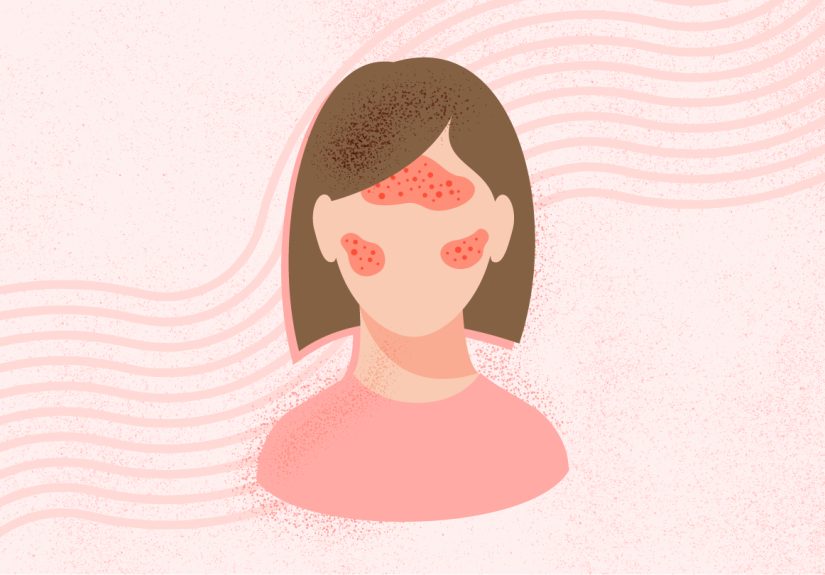
Rosacea is one of those skin conditions that likes to make an entrance. One day your face looks calm and cooperative; the next, your cheeks are throwing a tiny red-carpet event without asking permission. But rosacea is more than occasional blushing or “sensitive skin having a dramatic Monday.” It is a chronic inflammatory skin condition that most often affects the center of the face, including the cheeks, nose, chin, and forehead.
For many people, rosacea shows up as persistent facial redness, flushing, visible blood vessels, acne-like bumps, burning, stinging, or irritated eyes. It can come and go in flares, which means symptoms may calm down for a while and then return after exposure to triggers such as sunlight, heat, stress, spicy foods, certain skin-care products, or hot drinks.
The good news: rosacea is not contagious, it is not caused by poor hygiene, and it is not a personal failure hiding inside your moisturizer. While there is no permanent cure, rosacea can often be managed well with the right diagnosis, gentle skin care, trigger control, prescription treatments, and long-term prevention habits.
What Is Rosacea?
Rosacea is a long-term inflammatory disorder that affects the skin and sometimes the eyes. It usually begins after age 30, although symptoms can appear earlier. It is more commonly diagnosed in people with lighter skin, but it can affect all skin tones. On darker skin, redness may look more purple, dusky, brownish, or harder to detect, which can unfortunately delay diagnosis.
Rosacea often develops gradually. At first, someone may notice they flush easily after sun exposure, hot weather, exercise, embarrassment, or a spicy meal. Over time, the redness may last longer. Small visible blood vessels may appear. Some people develop red bumps or pus-filled spots that resemble acne, except rosacea usually does not come with blackheads. Others may notice dry, irritated, gritty, or bloodshot eyes.
Because rosacea can look like acne, eczema, lupus, allergic reactions, seborrheic dermatitis, or general skin sensitivity, getting the correct diagnosis matters. Treating rosacea like regular acne, for example, may backfire if harsh scrubs, strong acids, or irritating products are used. Rosacea-prone skin prefers calm, not a bathroom counter full of tiny chemical fireworks.
Common Symptoms of Rosacea
Rosacea symptoms vary from person to person. Some people have mostly redness. Others have bumps, eye irritation, swelling, or thickened skin. Symptoms can be mild, moderate, or severe, and they often flare in cycles.
1. Facial Redness and Flushing
Frequent flushing is one of the earliest and most common signs of rosacea. The face may turn red after heat, sun, stress, exercise, hot beverages, or spicy foods. At first, the redness may fade quickly. Later, it may stick around longer, especially across the cheeks, nose, chin, and forehead.
2. Visible Blood Vessels
Small, enlarged blood vessels, also called telangiectasia, may become visible near the surface of the skin. These fine red lines often appear around the nose and cheeks. They can make redness look more permanent, even when a flare has settled down.
3. Acne-Like Bumps and Pimples
Papulopustular rosacea can cause red bumps and pus-filled blemishes. This is why rosacea is sometimes mistaken for adult acne. The difference is that rosacea usually centers on the face and does not typically include blackheads. The skin may also feel more sensitive, hot, or irritated than acne-prone skin.
4. Burning, Stinging, or Sensitive Skin
Many people with rosacea describe their skin as reactive. Products that once felt harmless may suddenly sting. A cleanser may feel too strong. A moisturizer may burn. Even water can feel irritating during a flare. The skin barrier may become more vulnerable, so gentle skin care becomes a key part of treatment.
5. Thickened Skin
In some cases, rosacea can cause skin thickening, especially around the nose. This is called phymatous rosacea, and when it affects the nose, it is known as rhinophyma. The skin may look bumpy, enlarged, or uneven. This type is more common in men and usually develops over time.
6. Eye Symptoms
Ocular rosacea affects the eyes and eyelids. Symptoms may include redness, burning, itching, dryness, watery eyes, light sensitivity, swollen eyelids, crusting around the lashes, or the feeling that sand has moved into your eye and signed a lease. Eye symptoms can occur before, during, or after skin symptoms. Anyone with eye pain, vision changes, or severe light sensitivity should seek medical care promptly.
What Causes Rosacea?
The exact cause of rosacea is still not fully understood. Researchers believe it likely involves a mix of genetics, immune system activity, inflammation, blood vessel changes, skin barrier sensitivity, microorganisms on the skin, and environmental triggers.
Rosacea is not caused by dirt, laziness, poor washing, or anything that deserves blame. In fact, over-washing can make rosacea worse. The condition appears to involve an overactive inflammatory response. For example, the skin may react too strongly to heat, sunlight, certain ingredients, or normal organisms that live on the skin.
Family history may play a role. If close relatives have rosacea, your chances may be higher. Some people with rosacea also have very sensitive skin that reacts strongly to fragrance, alcohol-based products, exfoliating acids, menthol, witch hazel, or rough scrubs.
Common Rosacea Triggers
A trigger is anything that can spark or worsen a rosacea flare. Not everyone has the same triggers, which is why rosacea can feel like a mystery game designed by a dermatologist with a sense of humor.
Common rosacea triggers include:
- Sun exposure
- Hot weather or sudden temperature changes
- Wind or cold weather
- Emotional stress
- Heavy exercise or overheating
- Spicy foods
- Hot coffee, tea, or other heated drinks
- Alcoholic drinks in adults, especially red wine
- Hot baths, saunas, or steam rooms
- Harsh skin-care products
- Certain cosmetics or fragrances
- Some medications that dilate blood vessels
The best way to identify personal triggers is to keep a simple flare diary. Write down what you ate, the weather, skin-care products used, stress level, exercise, and symptoms. After a few weeks, patterns often appear. Maybe your skin hates hot yoga. Maybe it is suspicious of cinnamon. Maybe your face considers July a personal attack.
How Rosacea Is Diagnosed
There is no single blood test or magic “rosacea scanner” used for diagnosis. Doctors usually diagnose rosacea by examining the skin, reviewing symptoms, asking about flares and triggers, and checking for eye involvement. A dermatologist may also ask about family history, skin-care habits, medications, and whether symptoms burn, sting, itch, or worsen with sunlight.
Sometimes doctors order tests to rule out other conditions, especially if the rash looks unusual or appears with symptoms beyond the skin. Conditions that may resemble rosacea include acne, lupus, eczema, allergic contact dermatitis, seborrheic dermatitis, perioral dermatitis, and reactions to medications.
If eye symptoms are present, an eye doctor may be involved. Ocular rosacea can sometimes lead to complications if ignored, so red, painful, gritty, or light-sensitive eyes deserve attention.
Rosacea Treatment Options
Rosacea treatment depends on the symptoms. A person with mostly redness may need a different plan than someone with bumps, eye irritation, or thickened skin. The goal is to reduce flares, calm inflammation, improve comfort, protect the skin barrier, and prevent symptoms from getting worse.
Gentle Skin Care
For nearly everyone with rosacea, treatment starts with gentle skin care. That means using a mild, fragrance-free cleanser, applying moisturizer, and wearing broad-spectrum sunscreen every day. Mineral sunscreens with zinc oxide or titanium dioxide are often better tolerated by sensitive skin, although the best sunscreen is the one your skin can tolerate and you will actually use.
Avoid harsh scrubs, strong exfoliants, alcohol-based toners, fragranced products, and “tingly” formulas that feel like they are trying to teach your face a lesson. Rosacea skin generally does not need punishment. It needs calm, consistency, and fewer surprises.
Topical Medications
Doctors may prescribe topical treatments to reduce redness, bumps, and inflammation. Common options include metronidazole, azelaic acid, ivermectin, brimonidine, and oxymetazoline. Some target acne-like bumps and pustules, while others help reduce persistent facial redness by affecting widened blood vessels.
These medications should be used exactly as directed. Some may take several weeks to show full results. Others may reduce redness more quickly but can cause rebound redness in some people, so medical guidance matters.
Oral Medications
For moderate to severe inflammatory rosacea, a clinician may prescribe oral medications such as low-dose doxycycline or other antibiotics used mainly for their anti-inflammatory effects. In severe or stubborn cases, dermatologists may consider additional treatments. These choices depend on age, health history, pregnancy status, other medications, and side effect risks.
Laser and Light-Based Therapy
Laser therapy or intense pulsed light may help reduce visible blood vessels, persistent redness, and some thickened skin changes. These treatments usually require multiple sessions and should be performed by qualified professionals. Temporary redness, swelling, bruising, or pigment changes can happen, especially in darker skin tones if the wrong device or settings are used.
Treatment for Ocular Rosacea
Ocular rosacea treatment may include eyelid hygiene, warm compresses, lubricating eye drops, prescription eye drops, topical antibiotics for the eyelids, or oral medications. Because the eyes are delicate, do not use skin medications near the eyes unless a clinician says it is safe. Your eyes are not the place for DIY bravery.
How to Prevent Rosacea Flares
Rosacea cannot always be prevented, but flares can often be reduced. Prevention is mostly about building a calm routine and avoiding known triggers without turning life into a spreadsheet of fear.
Use Sunscreen Daily
Sun exposure is one of the most common rosacea triggers. Daily broad-spectrum SPF 30 or higher can help protect the skin. Add a wide-brimmed hat, shade, and sunglasses when outdoors. Sunscreen is not glamorous, but neither is arguing with your cheeks every afternoon.
Keep Skin Care Simple
A basic routine often works best: gentle cleanser, moisturizer, sunscreen in the morning, and any prescribed medication as directed. Introduce new products one at a time. Patch test on a small area before applying something all over your face.
Track Triggers
A trigger journal can help you spot patterns. You do not have to track every molecule you meet. Just note major factors: food, drinks, weather, exercise, stress, products, and symptoms. Over time, you may learn which triggers are worth avoiding and which ones are harmless for you.
Manage Heat and Exercise Wisely
Exercise is healthy, but overheating can trigger flushing. Try cooler workout spaces, fans, breaks, water, lower-intensity intervals, or outdoor activity during cooler hours. The goal is not to stop moving; it is to keep your face from filing a complaint.
Choose Products Carefully
Look for labels such as fragrance-free, gentle, non-comedogenic, and for sensitive skin. Be cautious with retinoids, exfoliating acids, benzoyl peroxide, menthol, camphor, sodium lauryl sulfate, and alcohol-heavy formulas. Some people tolerate certain active ingredients well; others flare quickly. Personal response matters.
When to See a Doctor
See a dermatologist or healthcare professional if facial redness keeps returning, acne-like bumps do not improve, skin burns or stings often, visible blood vessels appear, or symptoms affect confidence and daily life. Also seek care if over-the-counter products make things worse.
Get prompt medical help for eye pain, vision changes, severe light sensitivity, significant swelling, or symptoms that feel more intense than a typical flare. Ocular rosacea can be managed, but it should not be ignored.
Living With Rosacea: Practical Experiences and Real-World Tips
Living with rosacea is not just about prescriptions and sunscreen. It is also about learning how your own skin behaves in everyday life. For many people, the most frustrating part is unpredictability. You can do everything “right” and still wake up looking like your face had an argument overnight. That does not mean you failed. Rosacea is a chronic condition, and progress is usually measured in fewer flares, shorter flares, and calmer skin over time.
One helpful experience-based strategy is to stop changing everything at once. When skin is angry, it is tempting to buy five new products, start a new diet, exfoliate, ice the face, and ask the bathroom mirror for legal advice. But rosacea-prone skin often improves with subtraction, not addition. Many people do better when they pause unnecessary products and return to a simple routine: gentle cleanser, moisturizer, sunscreen, and prescribed treatment if they have one.
Another useful lesson is that “natural” does not always mean rosacea-friendly. Essential oils, citrus extracts, scrubs, homemade masks, and spicy botanical ingredients can irritate sensitive skin. A plain moisturizer may not look exciting on social media, but boring skin care can be a beautiful thing. Think of it as oatmeal for your face: not flashy, but dependable.
People with rosacea often learn to prepare for predictable triggers. If heat causes flushing, they may carry cool water, avoid sitting directly under heaters, use a fan while exercising, or choose shaded outdoor seating. If sun is a trigger, sunscreen becomes as routine as brushing teeth. If certain foods cause flares, the goal is not to fear food; it is to recognize patterns and make realistic choices. For example, someone may tolerate mild salsa but flare after extra-hot chili. Another person may react to hot soup because of temperature, not ingredients.
Makeup can also be part of rosacea management for people who want it. Green-tinted primers may help neutralize redness, while mineral powders or fragrance-free foundations may be easier to tolerate. The key is gentle removal. Scrubbing off makeup at night can undo the benefit of wearing it. Use a mild cleanser and soft hands. Your face is not a kitchen pan.
Confidence matters, too. Rosacea is visible, and visible skin conditions can affect mood, social comfort, and self-esteem. Some people feel embarrassed during flares because others mistake redness for sunburn, acne, anger, or drinking. A simple response such as “It’s a skin condition called rosacea” can help, but no one owes an explanation. Support groups, dermatology care, and honest conversations can reduce the feeling of dealing with it alone.
Finally, long-term success usually comes from patience. Prescription treatments may take weeks. Trigger tracking takes time. Laser therapy, if chosen, may require repeat visits. There may be trial and error. But with a thoughtful plan, many people with rosacea get clearer, calmer, more comfortable skin. The aim is not perfect skin every day. The aim is skin that behaves more often, flares less dramatically, and lets you get on with life without constantly negotiating with your cheeks.
Conclusion
Rosacea is a common chronic skin condition that can cause facial redness, flushing, visible blood vessels, acne-like bumps, skin sensitivity, thickened skin, and eye irritation. Although the exact cause is not fully known, inflammation, genetics, immune response, blood vessel changes, and environmental triggers all appear to play a role.
The most effective rosacea plan usually combines medical diagnosis, gentle skin care, daily sun protection, trigger awareness, and treatments tailored to the symptoms. Rosacea may not have a permanent cure, but it is very manageable. With patience, professional guidance, and a less-is-more skin-care routine, many people can reduce flares and feel more comfortable in their skin.