Table of Contents >> Show >> Hide
- What Is the Thing Next to My Kitchen Faucet?
- What Does a Dishwasher Air Gap Do?
- How Does a Kitchen Sink Air Gap Work?
- Do You Really Need a Dishwasher Air Gap?
- Why Is Water Coming Out of the Air Gap?
- How to Clean a Dishwasher Air Gap
- Can You Remove the Thing Next to the Faucet?
- Air Gap Installation Basics
- Air Gap Troubleshooting: Quick Problem Solver
- Air Gap vs. Soap Dispenser: How to Tell the Difference
- Should Every Dishwasher Have an Air Gap?
- Maintenance Tips for a Healthy Dishwasher Air Gap
- When to Call a Plumber
- Real-Life Experience: Living With the Mystery Faucet Thing
- Conclusion
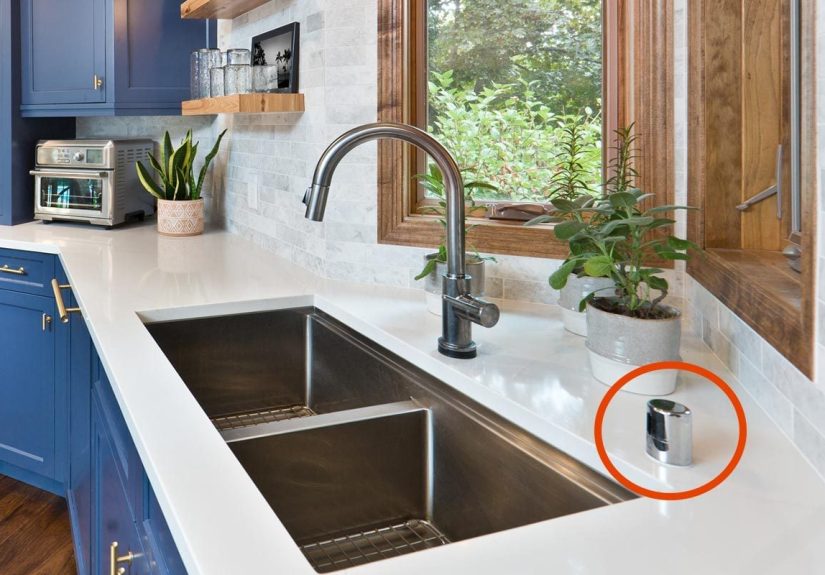
If you have ever looked at the small metal cylinder sitting beside your kitchen faucet and wondered, “Is that a tiny robot hat? A mystery button? A decoration the previous homeowner forgot to explain?” you are not alone. That little dome-shaped fitting is usually a dishwasher air gap, and while it may not win any design awards, it plays a very important role in keeping dirty sink water where it belongs: not inside your dishwasher.
The thing next to your kitchen faucet is most commonly an air gap, a plumbing safety device connected to your dishwasher drain line. Its job is simple but important: it helps prevent wastewater from flowing backward into your dishwasher. In everyday language, it acts like a tiny bouncer for your plumbing system. Clean dishwasher water may leave, but gross sink water does not get invited back in.
This guide explains what a kitchen sink air gap is, why it is installed next to the faucet, how it works, whether you need one, and what to do if water starts coming out of it like your countertop is auditioning for a fountain show.
What Is the Thing Next to My Kitchen Faucet?
The small cylinder next to your faucet is usually a dishwasher air gap. It is often mounted on the sink deck or countertop and covered with a chrome, stainless steel, black, bronze, or brushed nickel cap. Under that cap is a plastic or metal fitting connected to two drain hoses beneath the sink.
One hose runs from the dishwasher to the air gap. Another hose runs from the air gap to either the garbage disposal or the sink drain tailpiece. The visible cap is only the decorative top. The real action happens below the counter, where the air gap interrupts the drain path and creates a physical separation between the dishwasher and the sink drainage system.
Why Is It Placed Beside the Faucet?
An air gap must be installed above the flood level of the sink to work properly. That is why it sits on the sink rim or countertop instead of hiding quietly in the cabinet like most plumbing parts. If the sink backs up, the air gap remains above the waterline, helping prevent contaminated water from being siphoned into the dishwasher.
In other words, it is not there to annoy your minimalist kitchen design. It is there because gravity, pressure changes, and food sludge do not always behave politely.
What Does a Dishwasher Air Gap Do?
A dishwasher air gap helps prevent backflow. Backflow happens when water moves in the wrong direction through a plumbing system. In a kitchen, that can mean dirty sink water, disposal waste, or drain water trying to travel backward into the dishwasher drain hose.
Without some type of backflow protection, a clogged sink drain or garbage disposal could push wastewater toward the dishwasher. That is not just unpleasant; it can contaminate clean dishes, cause odors, and create drainage problems.
The air gap creates a break in the drain line. Because there is a physical open space between the incoming dishwasher water and the outgoing drain path, wastewater cannot easily siphon backward into the dishwasher. It is one of the simplest plumbing ideas around, which is exactly why it works so well.
How Does a Kitchen Sink Air Gap Work?
Here is the basic process:
- The dishwasher pumps used water out through its drain hose.
- That water travels up to the air gap fitting beside the faucet.
- Inside the air gap, the water passes across a small open chamber.
- From there, it flows down through a larger hose into the garbage disposal or sink drain.
- If the sink drain backs up, the open air break prevents wastewater from being pulled or pushed back into the dishwasher.
The key is the “gap” part. The dishwasher drain line does not connect directly to the sink drain. Instead, it stops at the air gap, where air separates the two sides of the system. This interruption helps defeat siphoning and backpressure.
Air Gap vs. High Loop: What Is the Difference?
A high loop is another dishwasher drain setup. Instead of using a countertop air gap, the dishwasher drain hose is looped as high as possible under the counter before connecting to the disposal or sink drain. The height helps reduce the chance of dirty water flowing backward.
The difference is that a high loop is not the same as an air gap. A high loop uses elevation and gravity. An air gap uses a physical break in the drain line. Many dishwasher installations use one method or the other depending on local plumbing code, appliance instructions, and inspection requirements.
Some areas allow a high loop. Other areas require an approved dishwasher air gap. California, for example, is well known for requiring air gaps in many dishwasher installations. Local code always matters, so when in doubt, check with your building department or a licensed plumber.
Do You Really Need a Dishwasher Air Gap?
The answer depends on where you live and how your kitchen plumbing is configured. In many homes, an air gap is required by local plumbing code. In other places, a properly installed high loop may be accepted. But even where it is not required, an air gap is often considered a strong layer of protection against contaminated water backing into the dishwasher.
You may need an air gap if:
- Your local plumbing code requires one.
- Your dishwasher installation instructions call for one.
- Your sink or disposal is prone to backups.
- You are remodeling a kitchen and need to pass inspection.
- You want the most visible and direct form of dishwasher drain backflow protection.
If your countertop has an air gap already, do not remove it just because it looks a little lonely beside the faucet. That small fitting may be the reason your dishwasher does not occasionally smell like yesterday’s spaghetti disposal incident.
Why Is Water Coming Out of the Air Gap?
Water coming out of the air gap is one of the most common signs of a drainage problem. Normally, dishwasher water should pass through the air gap and drain quietly into the disposal or sink drain. If water spills from the cap, something downstream is probably blocked.
Common causes include:
- A clogged hose between the air gap and garbage disposal
- A blocked garbage disposal inlet
- A forgotten knockout plug in a new garbage disposal
- Debris inside the air gap body
- A kinked or sagging drain hose
- A clogged sink drain or P-trap
The Garbage Disposal Knockout Plug Problem
If your dishwasher or garbage disposal was recently installed and the dishwasher will not drain, the disposal knockout plug may still be in place. Many garbage disposals have a sealed dishwasher inlet that must be opened before connecting the dishwasher drain hose. If the plug is not removed, dishwasher water has nowhere to go. It may back up through the air gap, sit in the dishwasher, or both.
This is one of those tiny installation steps that can create a surprisingly dramatic kitchen moment. The dishwasher runs, the air gap spits water, everyone panics, and the culprit is a small plastic plug hiding in the disposal inlet.
How to Clean a Dishwasher Air Gap
Cleaning an air gap is often a beginner-friendly maintenance task. If you are comfortable with basic home care, you can usually inspect it in a few minutes.
Step 1: Remove the Decorative Cover
Lift off the metal cap. Some covers pull straight up; others may need a gentle wiggle. Under the cover, you will see the inner air gap cap or plastic body.
Step 2: Inspect for Debris
Look for food particles, grease, mineral buildup, or gunk. Yes, “gunk” is not a technical plumbing term, but it is very accurate.
Step 3: Clean the Opening
Use a small brush, bottle brush, pipe cleaner, or cloth to remove buildup. Avoid forcing sharp tools into the fitting because you do not want to damage the plastic body.
Step 4: Check the Hose to the Disposal or Drain
The larger hose running from the air gap to the disposal or sink drain is often where clogs form. Food debris can collect in this hose, especially if it sags or has a tight bend. If needed, turn off power to the disposal, place a towel or bucket under the hose, loosen the clamp, and inspect the hose for blockage.
Step 5: Run the Dishwasher
After cleaning and reconnecting everything securely, run a rinse cycle and watch the air gap. If water flows properly and no longer spills out, congratulations: you have defeated the countertop geyser.
Can You Remove the Thing Next to the Faucet?
You might be able to remove an air gap physically, but that does not mean you should. Removing it can violate plumbing code, fail a home inspection, or reduce backflow protection for your dishwasher. It can also leave an awkward hole in the sink or countertop.
If you dislike the look, consider replacing the cap with a finish that matches your faucet. Air gap covers are available in many styles, including stainless steel, matte black, oil-rubbed bronze, polished chrome, and brushed nickel. That way, the air gap can look intentional instead of like a random plumbing mushroom.
Air Gap Installation Basics
A typical dishwasher air gap installation uses two hose connections. The smaller side usually connects to the dishwasher drain hose, while the larger side connects to the garbage disposal or sink drain. Hose clamps secure both connections.
The air gap body is mounted through a hole in the sink rim or countertop. The visible cap sits above the surface, while the hoses remain below. The fitting must be high enough to protect against sink flooding and must be installed according to the product instructions and local code.
Common Installation Mistakes
- Installing the air gap too low
- Connecting the hoses to the wrong ports
- Leaving the disposal knockout plug in place
- Using a hose that is too long, kinked, or sagging
- Failing to secure hoses with proper clamps
- Replacing an air gap with a soap dispenser without checking code
If the dishwasher is not draining after installation, check the drain hose routing before assuming the appliance is defective. Many drainage problems are caused by installation details, not by the dishwasher itself.
Air Gap Troubleshooting: Quick Problem Solver
Problem: Water Shoots Out of the Air Gap
The most likely cause is a clog between the air gap and the disposal or drain. Clean the air gap and inspect the larger drain hose.
Problem: Dishwasher Has Standing Water
Check for a clogged filter, kinked drain hose, blocked air gap, clogged disposal inlet, or missing high loop where applicable.
Problem: Kitchen Sink Smells Bad Near the Air Gap
Food debris may be trapped inside the air gap or drain hose. Clean the fitting and flush the hose if necessary.
Problem: Air Gap Cap Is Loose
The decorative cap may simply need to be seated properly. If the internal fitting is loose, inspect the mounting nut under the sink.
Problem: You Have a Hole but No Air Gap
The hole may have been used for a soap dispenser, sprayer, filtered water faucet, or old air gap. Look under the sink to see what is connected before making changes.
Air Gap vs. Soap Dispenser: How to Tell the Difference
A soap dispenser usually has a pump head that presses down. When you push it, soap comes out. Simple enough. An air gap, on the other hand, does not press, pump, twist, or dispense anything. It usually looks like a small capped cylinder with slots or openings near the top.
Under the sink, a soap dispenser has a bottle attached. An air gap has two drain hoses. If you are unsure, open the cabinet and follow the connections. If hoses run to the dishwasher and disposal, it is an air gap. If a bottle of soap is hanging there, congratulations, you have found the least mysterious answer.
Should Every Dishwasher Have an Air Gap?
Not every dishwasher installation has a visible air gap. Some homes use a high loop instead, especially in areas where local code allows it. However, an air gap remains one of the most direct ways to protect against dishwasher drain backflow because it creates a physical separation rather than relying only on hose height.
For homeowners, the safest approach is to follow three things: local plumbing code, the dishwasher manufacturer’s installation instructions, and common sense. If those disagree, local code usually has the final word. A licensed plumber can confirm what is required in your area.
Maintenance Tips for a Healthy Dishwasher Air Gap
Air gaps are low-maintenance, but they are not no-maintenance. A little attention can prevent leaks, odors, and dishwasher drainage drama.
- Remove and rinse the cap occasionally.
- Clean visible debris from the air gap opening.
- Run the garbage disposal before starting the dishwasher.
- Avoid putting grease, rice, pasta, eggshells, and fibrous scraps down the disposal.
- Check the hose under the sink for kinks or sagging.
- Clean your dishwasher filter regularly.
- Watch for leaks after replacing a dishwasher or disposal.
Think of the air gap as a tiny plumbing smoke alarm. Most days, you do not think about it. But when it starts making itself known, it is telling you something needs attention.
When to Call a Plumber
You can often clean an air gap yourself, but some situations deserve professional help. Call a plumber if water keeps coming out after cleaning, if the hoses are old or cracked, if you see leaks under the sink, if the dishwasher repeatedly backs up, or if you are unsure whether the installation meets local code.
You should also get help when drilling a new countertop hole, especially in stone surfaces like granite, quartz, or marble. One wrong move can turn a small plumbing project into an expensive countertop regret.
Real-Life Experience: Living With the Mystery Faucet Thing
Many homeowners first notice the air gap during a kitchen cleaning spree. You wipe the faucet, polish the sink, and then stare at the little metal cap beside it. It does nothing obvious. It does not turn on. It does not spray. It does not dispense soap. It just sits there, looking important in the way only plumbing hardware can.
Then one day, the dishwasher runs, and water suddenly pours out of that little cap. This is usually the moment when the air gap goes from “decorative mystery object” to “main character in a kitchen emergency.” The good news is that this dramatic performance often points to a fixable clog rather than a broken dishwasher.
A common experience goes like this: the homeowner recently replaced a garbage disposal. Everything looks connected. The dishwasher starts. Ten minutes later, water burbles from the air gap and splashes into the sink. After some investigation, the cause turns out to be the disposal knockout plug. It was never removed, so the dishwasher drain water could not enter the disposal. The air gap did exactly what it was supposed to do: it gave the backed-up water a safe exit point instead of letting it force its way into the dishwasher or cabinet.
Another common situation happens slowly. Over time, bits of food, grease, and soap residue build up in the hose between the air gap and disposal. At first, the dishwasher drains normally. Then it drains more slowly. Then the air gap spits a little water. Eventually, it leaks during every cycle. Cleaning the hose usually solves the problem, and the homeowner learns a valuable lesson: kitchen plumbing has a memory, and it remembers every noodle.
Some people also discover that their air gap cap has been installed backward or positioned so the vent opening points away from the sink. If water ever escapes, it may spray onto the countertop instead of draining neatly into the basin. Rotating or reseating the cap can help direct accidental overflow into the sink, where it belongs.
Homeowners who remodel kitchens often face another air gap decision: keep it, replace it, or remove it. The sleek design brain may say, “Turn that hole into a soap dispenser.” The plumbing brain says, “Check the code first.” In many areas, removing the air gap can create inspection problems later, especially during a kitchen renovation or home sale. A better compromise is usually to install a matching air gap cover that blends with the faucet finish.
After living with one, most people stop noticing the air gap until it needs cleaning. It becomes part of the kitchen landscape, like the outlet you only use for the blender or the cabinet that somehow stores eighteen reusable water bottles. It may not be glamorous, but it quietly protects the dishwasher from dirty sink water every time the appliance drains.
The biggest lesson from real-world air gap experience is this: when the little thing next to your faucet acts weird, listen to it. Water coming out of the air gap is not random. Odor near the air gap is not just “old kitchen smell.” Slow dishwasher drainage is not always an appliance failure. These are clues that the drain path needs attention.
Once you understand what the air gap does, it becomes much less mysterious. It is not a button, a vent for decoration, or an abandoned kitchen gadget. It is a small but practical backflow prevention device that helps keep your dishwasher cleaner, your plumbing safer, and your dishes from getting an unwanted rinse in sink water soup.
Conclusion
The thing next to your kitchen faucet is most likely a dishwasher air gap. Its purpose is to prevent dirty water from backing up into your dishwasher by creating a physical break in the drain line. It may look simple, but it performs an important safety function in the kitchen plumbing system.
If water comes out of the air gap, do not ignore it. The cause is usually a clog, blocked disposal inlet, kinked hose, or installation issue. With basic cleaning and inspection, many air gap problems can be fixed quickly. For code questions, persistent leaks, or new installations, a licensed plumber is the best person to call.
So the next time you see that small cap beside your faucet, give it a little respect. It is not flashy, but it is doing quiet, useful work. In the world of kitchen plumbing, that counts as hero behavior.