Table of Contents >> Show >> Hide
- Quick Answer: When Is an Avocado Bad?
- Why Avocados Go Bad So Quickly
- 5 Ways to Tell If an Avocado Is Bad
- Is Brown Avocado Safe to Eat?
- Is It Safe to Eat an Overripe Avocado?
- How to Tell If Cut Avocado Has Gone Bad
- How Long Do Avocados Last?
- How to Store Avocados So They Stay Good Longer
- Should You Wash an Avocado Before Cutting It?
- Can You Freeze Avocado Before It Goes Bad?
- Common Avocado Mistakes That Make Spoilage Worse
- What Happens If You Eat a Bad Avocado?
- 5 Signs an Avocado Is Bad: Simple Checklist
- Best Uses for Avocados That Are Almost Too Ripe
- Experience Notes: What Real-Life Avocado Spoilage Looks Like
- Conclusion: Do Not Fear the Brown Spot, But Respect the Funk
Avocados are dramatic little fruits. One day they are hard as a decorative paperweight, the next they are buttery perfection, and by the time you find a clean knife, they may have turned into a mysterious brown science project. If you have ever stood at the kitchen counter whispering, “Is this avocado bad, or is it just having a rough morning?” you are not alone.
The good news is that a bad avocado usually gives you plenty of clues. The trick is knowing the difference between harmless browning, normal ripeness, bruising, and true spoilage. A little brown spot does not always mean disaster. A sour smell, fuzzy mold, sunken skin, or slimy flesh? That avocado has left the chat.
In this guide, you will learn exactly how to tell when an avocado is bad, what overripe avocado looks like, when brown avocado is still safe to eat, and how to store avocados so they do not betray you five minutes before taco night.
Quick Answer: When Is an Avocado Bad?
An avocado is likely bad when it is extremely mushy, has deeply dented or collapsed skin, smells sour or rancid, tastes unpleasant, shows mold, or has dark brown or black flesh throughout. If the avocado has only a small brown bruise or a thin oxidized layer on the surface, you can usually cut that part away and use the green flesh underneath.
Think of it this way: a ripe avocado should feel gently soft, smell mild and fresh, and have creamy green flesh. A spoiled avocado usually feels overly soft, looks dark or stringy inside, smells “off,” and may have visible mold. Your eyes, nose, fingers, and common sense all get a vote.
Why Avocados Go Bad So Quickly
Avocados are climacteric fruits, which means they continue to ripen after harvest. They produce and respond to ethylene gas, a natural plant hormone that speeds ripening. That is why an avocado can go from firm to ready-to-eat on your counter, especially if it is sitting near bananas or apples.
Once an avocado ripens, its clock starts ticking. The flesh softens, the fats begin to change, and the fruit becomes more vulnerable to bruising, oxidation, and microbial spoilage. Cut avocados brown even faster because oxygen hits the exposed flesh. This browning is not always dangerous, but it does make the avocado look like it has been through a tiny emotional crisis.
Storage also matters. Unripe avocados do best at room temperature. Ripe whole avocados can be moved to the refrigerator to slow ripening. Cut avocado should always be covered and refrigerated because once the protective skin is broken, the fruit is more exposed to air and bacteria.
5 Ways to Tell If an Avocado Is Bad
1. Check the Feel: Is It Too Soft, Mushy, or Collapsed?
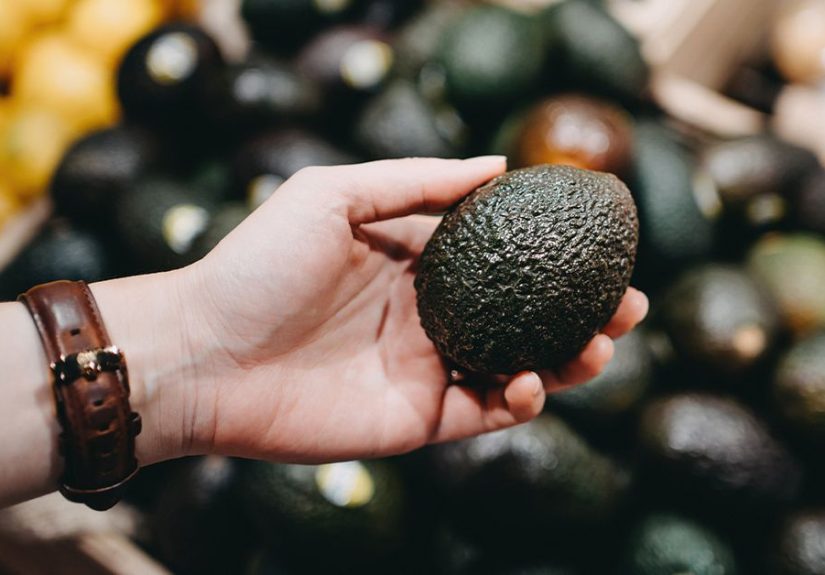
The first test is touch. Hold the avocado in your palm and apply gentle, even pressure. Do not poke it with your thumb like you are trying to interrogate it. A ripe avocado should yield slightly but still hold its shape. It should feel soft, not squishy.
If the avocado feels very mushy, has sunken spots, or seems hollow under the skin, it may be overripe or spoiled. Deep dents are especially suspicious because they often mean the flesh underneath has broken down. A few small soft spots can be bruises, but large areas of collapsed texture usually mean the fruit has gone too far.
Here is a simple texture guide:
- Hard with no give: underripe, not bad.
- Slightly soft: ripe and ready.
- Very soft but not smelly: overripe; inspect inside carefully.
- Mushy, sunken, or leaking: likely bad.
One important note: softness alone does not always mean the avocado is unsafe. Some avocados are just overripe and still usable in guacamole, smoothies, dressings, or baking. But if mushiness comes with a bad smell, dark flesh throughout, or mold, throw it away.
2. Look at the Skin: Dark Is Normal, But Damage Is Not
Avocado skin can be tricky because different varieties look different when ripe. Hass avocados, the most common type in many U.S. grocery stores, usually darken from green to deep green, purplish-black, or nearly black as they ripen. That dark color can be totally normal.
However, skin color should not be your only test. A dark Hass avocado may be perfectly ripe, while a green-skinned variety may stay green even when ready to eat. What you really want to watch for is damage: deep indentations, cracks, leaking liquid, shriveled skin, or patches that look sunken and weak.
If the avocado skin is black and the fruit feels extremely soft, that is a stronger warning sign. If the skin is dark but the avocado gently yields and smells fine, it may be right on time for toast, salad, or a bowl of guacamole that disappears suspiciously fast.
3. Cut It Open: Brown Spots, Black Flesh, and Stringiness Tell a Story
Once you cut an avocado open, the truth usually reveals itself. A good avocado should have flesh that is mostly green, yellow-green, or golden near the pit. The texture should be creamy and smooth, not slimy, watery, or fibrous throughout.
Brown avocado flesh can mean several things. A thin brown layer on the surface of a cut avocado is usually oxidation. That happens when the flesh reacts with oxygen, similar to how sliced apples turn brown. It may not look glamorous, but it is not automatically unsafe. You can often scrape or slice off the browned surface and use the fresh green flesh underneath.
Small brown spots inside the avocado are often bruises. These can happen during transport, storage, or enthusiastic squeezing at the grocery store. If the spot is small and the rest of the fruit looks and smells normal, cut away the bruised area.
But if the flesh is dark brown or black throughout, has grayish areas, or contains many dark stringy streaks, the avocado may be spoiled. Stringy avocado is not always dangerous, but it can be a sign of overripeness, poor storage, or internal breakdown. If the texture is unpleasant and the smell is off, do not try to turn it into “rustic guacamole.” Some things do not need a rebrand.
4. Smell It: A Bad Avocado Often Smells Sour or Rancid
Your nose is one of the best tools for detecting a bad avocado. Fresh avocado has a mild, clean, slightly grassy, nutty smell. It should not smell strong, sour, fermented, chemical-like, or rancid.
A spoiled avocado may smell like old oil, vinegar, alcohol, or something vaguely “wrong” that makes your brain say, “Absolutely not.” That unpleasant smell can happen when the fruit’s fats break down or when spoilage organisms are active.
If the avocado smells sour, musty, or rancid, toss it. Do not taste it to “make sure.” Your nose already filed the report.
5. Watch for Mold: Fuzzy Means Finished
Mold is the clearest sign that an avocado is bad. Mold may appear on the skin, near the stem end, or inside the fruit after cutting. It can look white, gray, greenish, or fuzzy. If you see mold, discard the avocado.
Do not scoop away mold and eat the rest. Avocados are soft, moist foods, which means mold can spread below the visible surface. Even if only one spot looks fuzzy, the surrounding fruit may already be affected.
Also avoid smelling mold closely. Mold spores are not something you need to inhale for research purposes. If you see fuzzy growth, wrap the avocado and throw it away.
Is Brown Avocado Safe to Eat?
Sometimes, yes. Brown avocado is not automatically bad. The key is figuring out why it is brown.
If a cut avocado has a thin brown surface layer but smells normal and has green flesh underneath, it is usually safe to scrape off the brown part and eat the rest. This is common oxidation. It looks unappealing, but it is not the same as spoilage.
If the avocado has a small brown bruise, you can cut it out. Bruising affects quality more than safety when the rest of the fruit looks, smells, and tastes normal.
However, avoid avocado that is brown or black throughout, slimy, moldy, sour-smelling, or oddly flavored. Those signs suggest the fruit is no longer good to eat.
Is It Safe to Eat an Overripe Avocado?
An overripe avocado may still be safe if it has no mold, no sour or rancid smell, and no widespread black or brown flesh. The texture may be softer than ideal, but it can still work in recipes where appearance is less important.
For example, a slightly overripe avocado can be mashed into guacamole, blended into a smoothie, stirred into salad dressing, or used in chocolate avocado pudding. If the flavor is still mild and the flesh is mostly green, it may be perfectly usable.
But once an avocado crosses into slimy, sour, moldy, or rotten territory, it is not worth saving. Food waste is frustrating, but food poisoning is a much worse plot twist.
How to Tell If Cut Avocado Has Gone Bad
Cut avocado spoils faster than whole avocado because the flesh is exposed to oxygen and handling. A cut avocado may be bad if it has a sour smell, slimy surface, mold, or dark discoloration that goes beyond the top layer.
If the exposed surface is only lightly brown, remove that layer and inspect the flesh underneath. If it is green, creamy, and fresh-smelling, it is usually fine. If the browning is deep, the texture is watery, or the smell is unpleasant, discard it.
For best quality, store cut avocado tightly covered in the refrigerator. Press plastic wrap directly against the flesh, use an airtight container, or brush the surface with lemon or lime juice to slow browning. The goal is to limit oxygen exposure. Avocados are needy like that.
How Long Do Avocados Last?
Avocado shelf life depends on ripeness and storage. A firm, unripe avocado may take several days to ripen at room temperature. Once ripe, a whole avocado can usually last several more days in the refrigerator. Cut avocado is best used within a day or two for quality, although careful storage can sometimes stretch it a little longer.
Here is a practical guide:
- Unripe whole avocado: keep at room temperature until it softens.
- Ripe whole avocado: refrigerate to slow further ripening.
- Cut avocado: cover tightly and refrigerate.
- Mashed avocado or guacamole: refrigerate in an airtight container and eat soon.
Do not store cut avocado at room temperature for long periods. Once it is sliced, mashed, or mixed into guacamole, it should be treated like a perishable food.
How to Store Avocados So They Stay Good Longer
Store Unripe Avocados on the Counter
If your avocado is still hard, leave it at room temperature. Refrigerating it too early can slow ripening and may affect texture. Keep it away from direct heat and sunlight. A kitchen counter or pantry spot is usually fine.
Need it to ripen faster? Place the avocado in a paper bag with a banana or apple. These fruits release ethylene gas, which can help speed up ripening. Check daily so you do not miss the perfect window. The avocado window is narrow, dramatic, and highly inconvenient.
Move Ripe Avocados to the Refrigerator
Once an avocado is ripe, refrigeration can help slow the process. This is especially useful if you bought five avocados with big meal-prep dreams and then remembered you also have a life.
Put ripe whole avocados in the refrigerator and use them within several days for best quality. Cold temperatures do not stop ripening forever, but they do slow it down.
Protect Cut Avocado from Air
Oxygen is the main reason cut avocado turns brown. To slow oxidation, press plastic wrap directly onto the cut surface, place the avocado in an airtight container, or brush the flesh with lemon or lime juice. Acid helps slow browning and adds a bright flavor that works well in many dishes.
Leaving the pit in may help reduce browning only on the area it covers, but it does not protect the whole surface. The real trick is reducing air contact.
Do Not Store Avocados in Water
You may see social media tips suggesting that whole or cut avocados can be stored in water. Skip that hack. Storing produce in water can create food-safety concerns, especially if bacteria are present on the skin or in the storage container. A covered container in the refrigerator is a better choice.
Should You Wash an Avocado Before Cutting It?
Yes, it is smart to rinse avocados before cutting them, even though you do not eat the peel. Dirt or bacteria on the skin can be transferred into the flesh by the knife. Wash the avocado under running water, gently scrub the firm skin, and dry it with a clean towel before slicing.
Do not use soap, bleach, or household cleaners on avocados. Produce can absorb residues, and nobody wants guacamole with a hint of dish detergent. Plain running water and clean handling are the right approach.
Can You Freeze Avocado Before It Goes Bad?
Yes, ripe avocado can be frozen, but the texture changes after thawing. Frozen avocado is best for smoothies, sauces, dressings, dips, or baked goodsnot for beautiful slices on toast.
To freeze avocado, scoop out the flesh, add a little lemon or lime juice, mash or blend it, and freeze it in an airtight container or freezer bag. You can also freeze avocado chunks, but mashed avocado usually holds up better for later use.
Common Avocado Mistakes That Make Spoilage Worse
Squeezing Too Hard at the Store
Avocados bruise easily. Pressing with your thumb can damage the flesh and create brown spots. Use gentle palm pressure instead.
Waiting Too Long After It Ripens
Once an avocado is ripe, use it or refrigerate it. Leaving a ripe avocado on the counter for days is basically sending it an invitation to become guacamole’s ghost.
Ignoring the Stem End
The stem end can reveal quality issues. If it looks shriveled, moldy, or deeply sunken, inspect the avocado carefully before eating.
Leaving Cut Avocado Uncovered
Cut avocado exposed to air will brown quickly. Cover it tightly and refrigerate it as soon as possible.
What Happens If You Eat a Bad Avocado?
If you accidentally eat a small bite of spoiled avocado, you may not get sick, but it can cause stomach discomfort depending on the level of spoilage and contamination. Moldy, rancid, or bacteria-contaminated foods can increase the risk of foodborne illness.
Symptoms of foodborne illness can include nausea, vomiting, diarrhea, stomach cramps, or fever. People who are pregnant, older adults, young children, and anyone with a weakened immune system should be especially cautious with questionable foods.
When in doubt, throw it out. That phrase may sound like something embroidered on a grandma’s kitchen towel, but it is still excellent advice.
5 Signs an Avocado Is Bad: Simple Checklist
- It feels extremely mushy: gentle softness is good; collapse is not.
- The skin is deeply dented, cracked, or leaking: visible damage can signal internal spoilage.
- The flesh is black or brown throughout: small bruises are fine to remove, but widespread discoloration is a warning.
- It smells sour, rancid, or fermented: fresh avocado should smell mild.
- It has mold: fuzzy growth means the avocado should be discarded.
Best Uses for Avocados That Are Almost Too Ripe
If your avocado is very ripe but still safe, use it in recipes where softness is a feature, not a flaw. Try these ideas:
- Guacamole: mash with lime juice, salt, cilantro, onion, and jalapeño.
- Smoothies: blend with banana, cocoa, spinach, or berries.
- Salad dressing: blend with lemon juice, olive oil, herbs, and water.
- Avocado toast spread: mash with garlic, salt, pepper, and chili flakes.
- Chocolate pudding: blend with cocoa powder, milk, vanilla, and a sweetener.
Do not use avocado that smells sour, has mold, or tastes bad. A recipe can rescue overripe texture, but it cannot rescue spoilage.
Experience Notes: What Real-Life Avocado Spoilage Looks Like
Anyone who buys avocados regularly develops a sixth sense for them. It is not magic; it is kitchen survival. After enough rounds of buying a bag of firm avocados, waiting patiently, forgetting about them for twelve minutes too long, and discovering they have turned into sadness grenades, you start to notice patterns.
One common experience is the “looks perfect outside, chaos inside” avocado. The skin feels fine, maybe even promising, but once you cut it open, there are brown streaks running through the flesh. This often happens with bruising or overripeness. If the streaks are minor and the avocado smells fresh, cutting around them usually works. But if the inside is gray-brown, fibrous, and smells strange, it is better to let it go. Not every avocado gets a redemption arc.
Another familiar scenario is the avocado that is slightly brown on top after being stored in the fridge. This is especially common with leftover halves or guacamole. In many cases, the brown layer is simply oxidation. Scrape it off and check underneath. If the green layer below smells normal and tastes fresh, it can still be used. This is why airtight storage matters. The less air touches the avocado, the slower it browns.
Then there is the “I bought it ripe and forgot it existed” avocado. These usually feel very soft all over, and the skin may look wrinkled or slightly collapsed. When opened, the flesh may be dark near the skin or around the seed. Sometimes the center is still usable, but the quality will not be ideal. This type of avocado is best evaluated carefully. If it smells fine and only has a few dark patches, cut away the bad areas and use the rest quickly. If it smells sour or the texture is slimy, toss it.
In day-to-day cooking, the best strategy is to buy avocados at different ripeness levels. Choose one or two that are ready now, plus a few firmer ones for later in the week. Once a fruit reaches that gentle-soft stage, move it to the refrigerator. This simple timing trick can prevent the classic problem of five avocados ripening at the exact same moment, which sounds like a blessing until you realize you now need to eat guacamole with breakfast, lunch, and possibly dessert.
Another practical habit is washing the avocado before cutting. It feels unnecessary at first because the peel is not eaten, but the knife passes through that peel into the flesh. Rinsing and drying the fruit takes less than a minute and supports safer food prep. It is a small step, but it is especially useful if you are serving kids, guests, older adults, or anyone with a sensitive immune system.
Finally, trust your senses. Good avocado is mild, creamy, and fresh. Bad avocado tends to announce itself with sour odor, strange texture, mold, or dramatic discoloration. You do not need a laboratory. You need gentle pressure, a clean knife, your nose, and the courage to throw away a questionable fruit even if it cost more than your first phone bill.
Conclusion: Do Not Fear the Brown Spot, But Respect the Funk
Knowing when an avocado is bad comes down to five main checks: feel, skin, flesh, smell, and mold. A ripe avocado should be slightly soft, fresh-smelling, and mostly green inside. A bad avocado is often mushy, deeply discolored, sour-smelling, moldy, or slimy.
Small brown spots, minor bruises, and surface oxidation are not always deal-breakers. You can often remove those areas and enjoy the rest. But if the avocado smells rancid, shows mold, or looks dark throughout, it belongs in the trashnot on toast.
To make avocados last longer, store them according to ripeness: unripe ones on the counter, ripe ones in the refrigerator, and cut ones tightly covered and chilled. Wash before cutting, avoid risky storage hacks, and remember that the best avocado is the one you catch at the perfect momentsomewhere between “baseball” and “baby food.”