Table of Contents >> Show >> Hide
- The Short Answer: They Don’t All Use the Same Mug, but They Do Use the Same Idea
- A Mug Born From Function, Not Fashion
- Why Thick White Mugs Keep Winning
- The Restaurant Supply Effect: Sameness Is Efficient
- Why the Mug Feels So Right in Your Hand
- At Some Point, the Mug Stopped Being a Tool and Became a Symbol
- So Why Do Diners Across America All Use the Same Mugs?
- The Experience of Drinking From a Diner Mug
- Conclusion
Note: Publication-ready HTML body only. No source links included.
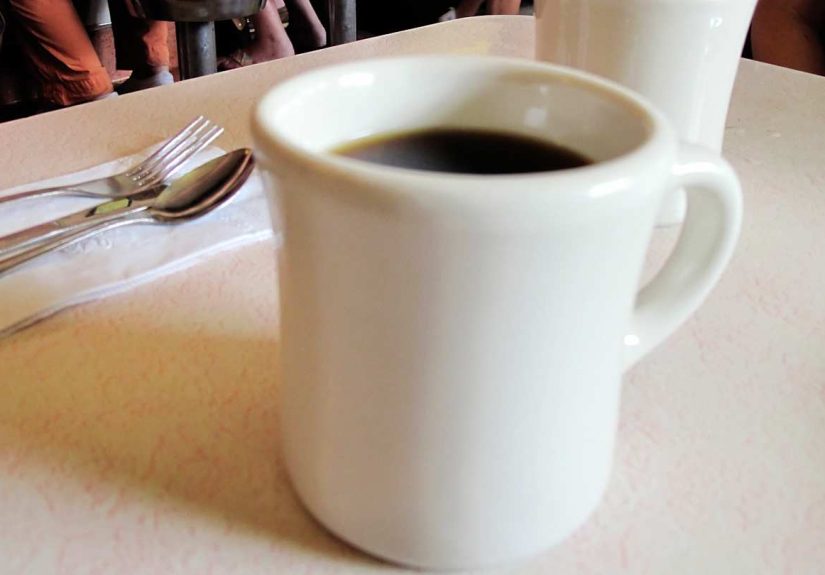
Walk into a diner in New Jersey, Ohio, Arizona, or somewhere off a two-lane road where the pie rotates slowly and the coffee refills arrive before you even ask, and you will probably meet the same mug. Not literally the same mug, of course. Diners are not sharing one giant national coffee cup like some caffeinated sisterhood of the traveling ceramic. But the style is unmistakable: thick walls, bright white body, sturdy handle, slightly squat silhouette, and enough heft to make you feel like your coffee has a union card.
That familiar diner mug has become such a fixture of American eating that it can feel almost invisible. Yet it keeps showing up for good reason. The classic diner mug sits at the crossroads of design, durability, economics, heat retention, and nostalgia. It is a workhorse disguised as comfort. It survives industrial dishwashers, rushed servers, clattering bus tubs, and customers who somehow believe a coffee refill should cost the same as it did in 1987. It also looks right in a diner in a way a delicate porcelain teacup or a trendy matte tumbler never could.
So why do diners across America seem to use the same mugs? Because over time, restaurant owners discovered that one basic formula solved nearly every problem a coffee mug could have. The result is not just a cup. It is a piece of practical American design that became an icon.
The Short Answer: They Don’t All Use the Same Mug, but They Do Use the Same Idea
The first thing to clear up is the title itself. No, every diner in America is not ordering from one mysterious Mug Headquarters hidden in a warehouse next to the nation’s pancake reserve. What diners share is a template: a heavy, white, commercial-grade coffee mug built for constant use.
That template stuck because it works absurdly well. A diner mug has to do several jobs at once. It has to keep coffee warm, survive repeated impacts, stack neatly, clean easily, feel comfortable in the hand, match almost any tabletop, and be cheap enough to replace when a customer “accidentally” develops a strong emotional attachment and slips one into a tote bag. In other words, diners did not converge on one mug style by accident. They converged because the restaurant business punishes fragile ideas.
A Mug Born From Function, Not Fashion
One of the most commonly repeated origin stories behind the classic diner mug traces it back to World War II. According to that account, the U.S. Navy needed a sturdier coffee vessel for rough seas, where ordinary cups could slide, spill, or shatter. A New York manufacturer called Victor Insulators, known for making durable porcelain electrical insulators, developed a thick, bright white mug built to withstand hard use. Over time, the design evolved and spread into civilian foodservice, where it found its perfect home in American diners.
Whether every last curve of today’s diner mug can be pinned to that single wartime moment or not, the larger point holds: the style was born from practical needs. It was made to be durable, stable, and insulating. That matters because diners themselves were functional places long before they were romantic ones. They began as lunch wagons and all-hours eateries serving workers, travelers, and night-shift regulars. Coffee was central from the beginning. If the diner was built to keep people going, the mug had to keep up.
And once a piece of equipment proves itself in foodservice, it spreads. Fast. Restaurant owners are not in the habit of reinventing cups for fun. They look for what survives, what cleans up well, and what can be reordered without drama. The mug that solved those problems became the mug everybody recognized.
Why Thick White Mugs Keep Winning
1. They hold heat like champions
A classic diner mug has thick ceramic walls, and that heft is not just there to make your wrist feel awake. Thicker mugs retain heat better than thin-walled cups, which matters in a diner where coffee may sit for a bit between pour, refill, conversation, and dramatic staring out the window during an existential breakfast. If a customer orders coffee with eggs, toast, hash browns, and maybe a side of life advice from the waitress, the mug needs to stay warm through the whole event.
2. They survive real restaurant life
Home kitchens are gentle compared with diners. In a commercial setting, mugs get stacked, knocked, banged into racks, shoved through dishwashers, and carried on trays by people moving fast. That is why commercial china is often made as vitrified or fully vitrified ware: high-fired, nonporous, durable, and easier to sanitize. For restaurant owners, this means fewer chips, fewer cracks, fewer stains, and fewer replacement orders.
3. White is the easiest color in the business
White mugs do not fight the rest of the table. They match red booths, chrome counters, laminated menus, black coffee, pale cream, and the suspiciously orange pie filling that looks homemade in the best possible way. White also communicates cleanliness and simplicity. In food presentation, neutral white tableware lets the food or drink stand out instead of competing with it. That same logic works for mugs. The coffee is the star, not the cup.
4. They are easy to replace
This may be the least glamorous reason and the most important one. A diner can buy classic white mugs from multiple commercial suppliers in nearly identical shapes. If a dozen break, disappear, or retire heroically after years of service, replacements are simple. Matching quirky artisan mugs? That is a charming idea right up until three of them chip and the potter moved to Vermont to “focus on spoons.”
The Restaurant Supply Effect: Sameness Is Efficient
Part of the reason diner mugs seem identical is that the commercial foodservice world rewards standardization. Restaurant suppliers sell plain white mugs because plain white mugs sell. They fit almost any concept, from greasy spoons to banquet halls to hotel breakfast rooms. Manufacturers emphasize the same traits again and again: heavy-duty construction, stackability, nonporous surfaces, dishwasher safety, stain resistance, and long-term durability.
That creates a feedback loop. Suppliers keep making the mug because restaurants keep buying it. Restaurants keep buying it because suppliers keep making it affordably and in bulk. Before long, the humble white mug is not just a good option. It becomes the default option, and the default option becomes tradition.
This is how a lot of “timeless” design actually works. It does not start out trying to be timeless. It starts out trying not to break.
Why the Mug Feels So Right in Your Hand
There is also a physical reason the diner mug has such staying power: it feels reassuring. A thick mug has weight. A broad handle gives a secure grip. A slightly tapered or curved body sits comfortably in the hand. That matters more than people think. Coffee is not just flavor; it is temperature, aroma, texture, and ritual. The vessel changes the experience.
Specialty coffee people sometimes prefer thinner rims and lighter cups because they can make sipping feel more delicate and precise. Fair enough. But a diner is not usually selling a tasting flight of washed Ethiopian single-origin pour-over with notes of bergamot and excellent life choices. A diner is selling coffee as comfort, fuel, and social glue. The mug supports that mission beautifully. It feels sturdy, familiar, and forgiving. It says, “Sit down. Stay a while. We’ll keep the pot on.”
Even the small downsides become part of the charm. Diner mugs are heavier. Their thick lips can feel clunkier than elegant café cups. They are not precious. Exactly. That is the point. They are built for real life, which is one reason people love them.
At Some Point, the Mug Stopped Being a Tool and Became a Symbol
What started as a functional object eventually turned into a visual shorthand for the American diner itself. Food writers and cultural historians have pointed out that many classic diner details began as practical choices and later became nostalgic signals. The thick white mug is one of the clearest examples. Today, it instantly suggests community, late-night conversation, pie, road trips, and the strangely healing power of hash browns at odd hours.
That is why the mug shows up in pop culture so often. Put one on a counter next to a slice of pie and half the country starts hearing imaginary jukebox music. The mug suggests that coffee is not being served as a luxury product. It is being served as a democratic one. You do not need a dress code, a tasting vocabulary, or a finance podcast subscription to understand it. You just need a seat.
In that sense, the classic diner mug does cultural work no trendy café cup can quite replicate. It signals accessibility. It feels communal. It belongs to places where regulars are known by name, where refill etiquette borders on religion, and where the coffee often matters less than the fact that it keeps coming.
So Why Do Diners Across America All Use the Same Mugs?
Because the classic diner mug is one of those rare objects that solved a business problem so well it became a cultural artifact. It is durable enough for commercial kitchens, neutral enough for any décor, insulating enough for long cups of coffee, cheap enough to reorder, and familiar enough to feel like home.
That is the real secret. Diners did not all fall in love with the same mug because of some secret ceramic conspiracy. They arrived there through years of trial, economics, utility, and customer expectation. The mug works. Then it works emotionally. Then it becomes tradition.
And once an object becomes both useful and beloved, good luck replacing it.
The Experience of Drinking From a Diner Mug
There is something oddly theatrical about a diner mug, even though it is one of the least glamorous objects in American dining. It arrives with a soft clink, usually set down by someone who has already called you “hon” or “boss” or “sweetie” with the confidence of a person who has seen every variety of human breakfast behavior and no longer startles easily. The mug is warm without being fussy. You wrap your hand around it and immediately understand why this design survived while daintier cups got voted off the island.
Part of the experience is physical. The mug feels substantial. It makes coffee feel like a meal companion rather than a side character. A paper cup says, “Let’s keep moving.” A diner mug says, “Sit down and tell me what happened.” It gives coffee weight, literally and emotionally. You do not sip from it the way you sip a tiny specialty cup while discussing acidity. You drink from it like a person preparing to stay for pancakes, bad weather, or a long conversation that somehow starts with toast and ends with the meaning of life.
Then there is the soundscape. Spoon against ceramic. Refill pouring. Plates skating across the counter. Somebody two booths over asking for more jelly. The mug fits that soundtrack perfectly. It belongs to rooms where coffee is not precious but important, where it functions as hospitality in liquid form. That is why a refill in a diner can feel weirdly generous even when it is built into the price. The mug is part of the ritual. Empty mug, fresh pour, tiny nod, continue your day.
The look matters too. White ceramic next to scrambled eggs, bacon, or a wedge of pie feels visually complete in a way that is hard to explain without sounding like a person who has become far too invested in tableware. The mug does not steal attention. It anchors the scene. It is reliable scenery in the little one-act play of American casual dining.
And perhaps that is why people remember diner coffee so fondly, even when the actual brew is not exactly winning awards. The mug helps shape the memory. It turns coffee into atmosphere. It turns a quick stop into a mood. It makes you feel, for a moment, like you are participating in something bigger than breakfast: a long-running national tradition of counters, conversation, caffeine, and ceramic confidence.
That is a lot to ask from a mug. But the diner mug has been quietly handling the assignment for decades.