Table of Contents >> Show >> Hide
There are household arguments that never truly die. The thermostat. The “one decorative pillow is enough” campaign. Whether the top sheet is a relic or a right. And then there is the slipper debate, which sounds small until you realize it quietly controls the comfort, cleanliness, and emotional climate of an entire home.
Some people want the full cocoon: thick lining, plush upper, enough softness to make every trip to the kitchen feel like a spa retreat with snacks. Others want structure. They are not here for floppy footwear, sweaty feet, or heel pain. They want traction, support, and a sole that says, “I may be indoors, but I still have standards.” A third group skips slippers entirely and declares barefoot living the purest expression of freedom. Naturally, all three groups think they are correct.
That is what makes slippers fascinating. They are not just cozy accessories. They are tiny lifestyle manifestos. A slipper tells you whether a person runs cold, hates dust, worries about arch support, lives with hardwood floors, tiptoes around sleeping children, or insists that outside shoes should never cross the sacred threshold of the living room.
So let’s settle nothing and examine everything. Below are 10 easy pieces in the great slipper debate: the styles, the arguments, the hidden tradeoffs, and the real-world reasons one person’s dream slipper is another person’s “absolutely not.”
Why the Slipper Debate Actually Matters
Before we get into the fun stuff, let’s give slippers the respect they rarely receive. Indoor footwear can affect comfort, floor hygiene, warmth, traction, and how your feet feel at the end of the day. For some people, especially those with heel pain, arch issues, flat feet, or sensitive joints, the difference between a supportive house shoe and a pancake-flat slipper is not academic. It is the difference between “cozy morning” and “why does my body sound expensive?”
At the same time, not everyone needs a heavily structured slipper. In a clean, safe home environment, some people enjoy going barefoot part of the day. Barefoot walking can feel cooler, lighter, and more natural. The real issue is not whether slippers are universally good or bad. The issue is whether the slipper matches the person, the floor, and the job.
That is the whole debate in one sentence: the best slipper is not the softest one. It is the one that makes sense for your actual life.
The 10 Easy Pieces
1. The Cloud Slide
This is the slipper for the person who wants their feet to feel like they have been gently adopted by a marshmallow. The cloud slide usually comes in lightweight foam, has a modern spa look, and offers instant comfort. It is easy to slip on, easy to clean, and strangely addictive. Once people start wearing them, they begin narrating their own errands: “I’m just popping to the sink,” they say, as if their footwear has transformed dishwashing into a luxury experience.
The case for it is strong. Cushioned slides can feel great after long days on hard floors, and versions with a contoured footbed can offer more support than the average flimsy slipper. The case against it is also strong. Some foam slides feel too loose, too flat, or too unstable. If the sole is slick or the fit is sloppy, that dreamy softness can become a skating lesson.
Best for: quick comfort, warmer climates, people who want easy-on footwear.
Not ideal for: households with lots of stairs, anyone who needs a very secure fit, or people who confuse “soft” with “supportive.”
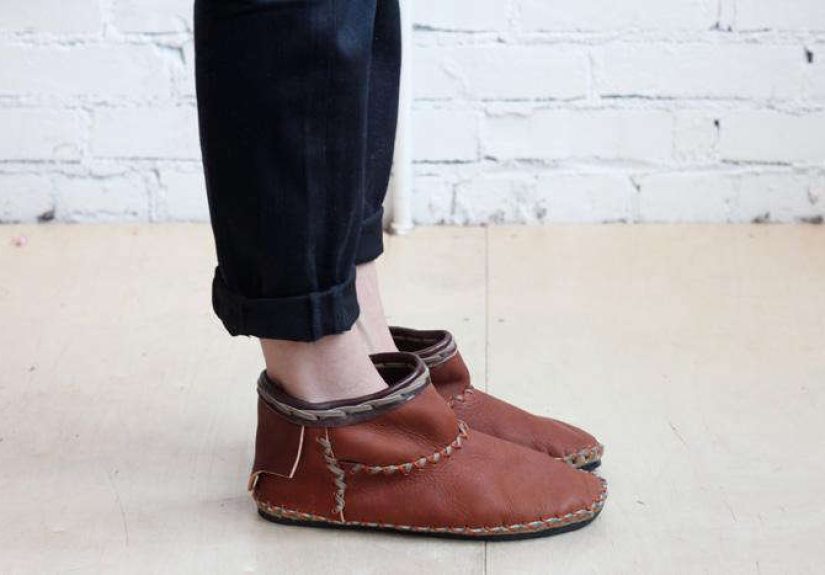
2. The Classic Moccasin
The moccasin slipper is the diplomat of the category. It looks traditional, feels familiar, and usually comes with enough structure to satisfy the support crowd without frightening the cozy crowd. It often features a closed toe, some foot coverage, and a rubber sole that can handle an accidental mailbox trip without falling into existential despair.
Its strength is balance. It is warmer than a slide, more secure than a backless mule, and usually more versatile than a fluffy novelty slipper shaped like a cartoon animal. The weak spot is that not every moccasin is created equal. Some are glorified socks with stitching. Others are basically real shoes wearing a cardigan. The difference comes down to footbed support, lining, and outsole grip.
Best for: people who want one slipper that can do a little of everything.
Not ideal for: those who overheat easily or want maximum breathability.
3. The Shearling Clog
This is the fashion favorite. The shearling-lined clog, often in suede or felt, has become the cool kid of indoor-outdoor footwear. It looks curated. It suggests that you own candles with complicated names. It says, “I would like to be comfortable, but attractively.”
And honestly, the appeal is obvious. These styles are warm, supportive when well made, and stylish enough to wear outside. The debate begins with that last part. Once your slipper becomes outdoor-capable, is it still a house shoe, or has it defected? Indoor-only purists argue that outdoor soles bring dirt back inside and defeat the point. The dual-use crowd responds that life is short and they are not swapping shoes to carry one grocery bag from the car.
Both sides have a point. A hard-sole clog is practical and polished, but if hygiene is a big priority, it works best when you keep one pair truly indoors and another for casual outdoor use.
Best for: style-conscious people, cooler homes, and those who want support with polish.
Not ideal for: strict shoes-off households that want indoor footwear to stay purely indoor.
4. The Backless Mule
Backless slippers are easy, graceful, and a little dramatic in the best way. You slide in, float through the house, and feel like someone who has a tea tray and opinions about linen. Their great advantage is convenience. Their great flaw is also convenience. Because they slip on so easily, they also slip off easily.
For some people, that is no problem. For others, especially anyone moving fast, carrying laundry, or navigating slick floors, a loose backless design can feel annoying or unstable. The debate here is classic slipper philosophy: do you want freedom or control?
Best for: low-key lounging, short indoor walks, and people who hate wrestling with footwear.
Not ideal for: older adults at fall risk, busy kitchens, or homes with lots of fast turning and stair climbing.
5. The Sock-Slipper Hybrid
Part slipper, part slipper-shaped suggestion, this category usually comes in knit or fleece with a grippy bottom and a snug, sock-like fit. It is the introvert of the group: soft, quiet, light, and not looking for attention.
These hybrids are wonderful for travel, apartments, and anyone who wants warmth without bulk. They pack easily and feel cozy on cold mornings. But they tend to offer limited structure. If your feet want arch support, heel stability, or real cushioning, the sock-slipper can quickly feel like a charming underachievement.
Best for: light wear, travel, compact living, and people who want soft warmth.
Not ideal for: long stretches on hard floors or people with recurring foot pain.
6. The Indoor-Outdoor Workhorse
This is the practical hero: sturdy sole, decent support, secure upper, and enough durability to survive patio steps, garage runs, and trash-night duty. It may not be the fluffiest slipper in the lineup, but it earns trust. It is the one you reach for when the dog needs to go out, the package arrives, and life keeps throwing tiny missions at you.
The argument against this category is emotional rather than functional. Some people think anything this robust stops feeling like a slipper and starts feeling suspiciously like responsibility. Fair. But for busy households, the workhorse often wins because it reduces the annoying little transitions that make home life feel more chaotic than it needs to.
Best for: multitaskers, pet owners, parents, and anyone who treats home like a base camp.
Not ideal for: people who want featherlight softness above all else.
7. The Wool House Shoe
Wool slippers have a loyal fan base for a reason. They are warm without always feeling stifling, soft without necessarily collapsing, and often better at staying comfortable across changing temperatures than synthetics that trap heat and moisture. A good wool house shoe feels quietly competent. No drama, no trend-chasing, just grown-up comfort.
The main challenge is care. Some wool styles are easy to refresh; others are fussier. And while many are wonderfully breathable, not all wool slippers offer the same cushioning or grip. Some are beautifully minimal and others are more supportive. As always, the materials matter, but the construction matters just as much.
Best for: people with cold feet, fans of natural fibers, and anyone who wants warmth without cartoon-level fluff.
Not ideal for: shoppers who want a toss-it-anywhere, zero-maintenance option.
8. The Recovery Slipper
Think of this as the slipper that read a sports medicine article and took notes. Recovery slippers and recovery slides are built with cushioning, shock absorption, and more intentional support. They are popular with runners, people on their feet all day, and anyone who has discovered that the floor is not always a friendly collaborator.
This category has changed the debate because it brought performance language into the house-shoe world. Suddenly, people are discussing pressure distribution in the same room where they once wore novelty reindeer slippers. Progress.
Best for: sore feet, long days, hard flooring, and people who need more than simple softness.
Not ideal for: those who want delicate aesthetics or ultra-flexible minimal footwear.
9. The Barefoot Interruption
No slipper debate is complete without the barefoot faction. Their argument is simple: if your home is clean and safe, your feet may not need shoes all day. Going barefoot can feel cooler and more natural, and some people prefer mixing barefoot time with house-shoe time depending on the room, season, and activity.
This is where the debate gets smarter. It does not have to be slippers versus barefoot forever, winner takes all. For many people, the better answer is rotation. Barefoot when relaxing on clean floors. Supportive slippers when cooking, standing, cleaning, or moving around for long periods. Indoor-only shoes when balance, traction, or foot conditions make extra support the wiser choice.
Best for: people without foot issues who enjoy a more natural feel at home.
Not ideal for: anyone with diabetes, significant foot pain, poor balance, or slippery floors that turn every hallway into a trust exercise.
10. The Guest Slipper
This final piece is less about your feet and more about your household philosophy. The guest slipper says, “We are a shoes-off home, but we are not monsters.” It is hospitality in footwear form. Offering clean indoor slippers to guests solves a surprising number of problems: cleanliness, comfort, awkwardness, and the universal fear of showing up in mismatched socks.
It also reveals something important about the entire debate. Slippers are not just private objects. They shape how a home feels. Are people expected to relax? Stay tidy? Be cozy? Move carefully? The guest slipper is the final proof that house shoes are tiny cultural signals wearing rubber soles.
Best for: shoes-off households, hosts, and anyone who likes practicality with a side of courtesy.
Not ideal for: people who barely keep track of their own slippers, let alone a guest fleet.
So, Which Slipper Actually Wins?
The annoying but accurate answer is: it depends. If you have foot pain, lean toward support, cushioning, traction, and a stable fit. If you run hot, prioritize breathable materials and lighter coverage. If your floors are slippery, grip matters more than fluff. If your household is strict about keeping outdoor grime outside, choose indoor-only slippers and mean it. If you are buying for an older adult, avoid loose, floppy designs and anything that behaves like a sock wearing false confidence.
And if you are simply trying to live a better life before coffee, ask yourself five practical questions. Are your floors cold? Do your feet hurt? Do you go outside in your house shoes? Do you overheat? Do you need real support or just a soft landing? Your answer will tell you more than any trend roundup ever could.
In other words, the great slipper debate is not really about slippers. It is about the fantasy of home. Some people want home to feel cushioned. Some want it to feel clean. Some want it to feel elegant, minimal, or medically responsible. Most of us, if we are being honest, want all of that at once.
That is why the best slipper is rarely the loudest one. It is the pair you forget to think about because it quietly does its job. No rubbing. No slipping. No sweaty regret. No dramatic heel complaints by noon. Just the simple luxury of moving through your home with a little more ease.
Experience Section: Living Through the Great Slipper Debate
Spend enough time paying attention to slippers and you start to realize they become emotional weather reports. The person in cloud slides is usually optimistic before breakfast. The person in wool clogs has accepted adulthood and probably owns a very good lamp. The one padding around barefoot is either enlightened or one cold tile away from changing teams forever.
In real life, the slipper debate tends to unfold in tiny domestic moments. You wake up on a winter morning and place one foot on the floor. The floor, in return, offers a firm and immediate rebuttal. Suddenly, the argument for lined slippers becomes less philosophical and more urgent. Later, someone needs to bring in a package, then refill the pet bowl, then answer the door. The hard-sole indoor-outdoor pair starts looking less like a compromise and more like civilization itself.
There is also the work-from-home factor, which has given slippers a whole second career. Once upon a time, slippers were mostly evening creatures. Now they are there for early emails, noon coffee, back-to-back calls, and that dramatic 3:17 p.m. kitchen walk that everyone pretends is not the highlight of the day. In that setting, people learn quickly whether their slippers are merely cute or actually functional. A stylish pair with no support feels charming for 20 minutes and suspicious by lunchtime.
Households create their own slipper cultures, too. In some homes, there is a strict front-door transition: outdoor shoes off, indoor slippers on, order restored. In others, slippers drift everywhere: under sofas, beside beds, mysteriously near the laundry basket, one always missing as though it left to begin a solo career. Families develop preferences with the intensity of sports rivalries. One person swears by open-toe slides year-round. Another insists a slipper without a back is a security flaw. Someone else keeps buying fluffy pairs that look magical for two weeks and then resemble exhausted puppets.
Guests add another layer. You can tell a lot about a home when someone says, “Please take your shoes off,” and then follows with, “I have clean slippers if you want them.” That tiny offer changes the mood instantly. It says the house has rules, yes, but also kindness. It acknowledges the strange social reality that asking people to remove their shoes is practical, while asking them to freeze on hardwood in dress socks feels like a minor diplomatic incident.
And then there is the deeply personal moment when you find your pair. Not the trend pair. Not the pair that looked good in a photo with a folded throw blanket and a ceramic mug. Your pair. The one that fits your feet, your floors, your routine, and your tolerance for nonsense. Once that happens, the debate does not end exactly, but it gets quieter. You stop being interested in slipper theory and start enjoying slipper peace.
That may be the real conclusion here. Slippers are small, but the experience is not. They shape how mornings begin, how evenings land, and how a home feels between those two points. In a world full of expensive upgrades and overcomplicated solutions, finding the right slippers remains one of the cheapest ways to improve daily life. Which is a very serious statement about a very unserious object, and somehow that feels exactly right.
Conclusion
The great slipper debate will never be fully settled because people do not want the same things from home. Some want warmth. Some want support. Some want silence, traction, breathability, easy cleaning, or an excuse to wear something that feels like a blanket with ambition. But once you understand the categories and the tradeoffs, buying the right pair becomes much easier. Choose based on your floors, your feet, your habits, and your household rules. Your toes, your arches, and possibly your entire morning routine will thank you.