Table of Contents >> Show >> Hide
- 1. Plastic Garden Tools
- 2. Spike Aeration Shoes
- 3. Expandable Garden Hoses
- 4. Claw Gardening Gloves
- 5. Hyper-Specific, Single-Use Tools
- 6. Hand Bulb Planters (The Short, Squeezy Kind)
- 7. Old-School “Legacy” Tools That Haven’t Aged Well
- 8. Cordless Electric Hoes
- 9. Bargain-Bin Hand Tools
- 10. Sonic Pest Repellers and “Miracle” Garden Gadgets
- So What Tools Do Gardeners Buy?
- of Real-World Experience: Lessons from Gardeners Who Ditched the Gimmicks
- Conclusion
If you’ve ever wandered the garden aisle and thought, “Do I really need this thing that looks like a cross between a hairbrush and a medieval weapon?” you’re not alone. Pro gardeners and longtime backyard growers are some of the thriftiest, most practical people around. They know which gardening tools are worth every penny and which gadgets are destined to crack, bend, or live a short life at the back of the shed.
Recent advice from gardening experts shows a clear pattern: plastic gizmos and hyper-specific gadgets rarely earn their keep, while a small set of durable, multi-purpose tools does most of the heavy lifting. In other words, you don’t need a tool for every micro-task. You need a tool that can survive your clay soil and your tendency to leave it outside in the rain.
Let’s walk through 10 gardening tools experienced gardeners almost never buyand the smarter, long-lasting alternatives they rely on instead.
1. Plastic Garden Tools
Why gardeners skip them
Plastic trowels, plastic hand forks, plastic cultivatorsif the entire business end of the tool is plastic, many pros won’t touch it. In compacted or rocky soil, plastic blades flex, bend, and eventually snap. Even if they survive one season, they rarely hold a sharp edge or stand up to serious digging.
On top of that, broken plastic ends up in the trash, not the recycling bin. So you’re not just wasting money; you’re also creating more waste.
What they use instead
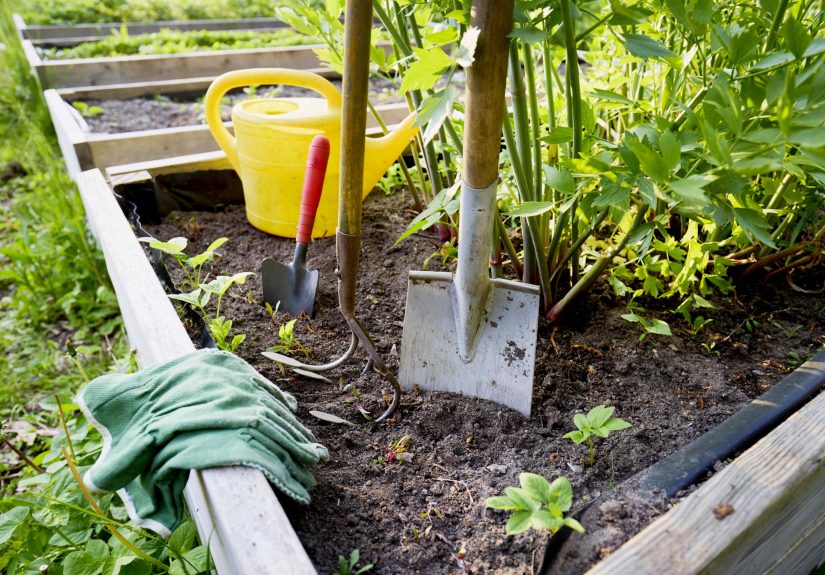
Seasoned gardeners swear by tools made from high-quality metalusually stainless steel or solid cast aluminumpaired with sturdy wood or fiberglass handles. A good metal trowel, digging fork, or hand rake might cost a little more upfront, but it can last for many years with basic maintenance like cleaning and occasional sharpening.
Real-life swap: Replace a flimsy plastic trowel with a narrow stainless steel trowel. It slices into tough soil, pries up weeds, plants bulbs, and won’t crack the first time it meets a buried rock.
2. Spike Aeration Shoes
Why gardeners avoid them
Lawn aeration shoes look brilliant in ads: you strap them on, stroll around your yard, and magically get a lush, airy lawn. In reality, they’re awkward to walk in, hard to keep on your feet, and do more harm than good. Instead of pulling out plugs of soil, the spikes simply poke holes and compress the soil around each hole, which can make compaction worse.
What they use instead
For real lawn aeration, pros use a core aeratora machine that removes small plugs of soil so air, water, and nutrients can move deeper into the root zone. You can rent one from a home center or hire a lawn service to do it once or twice a year. If your lawn is small, a manual coring tool works, too. It’s not glamorous, but it’s effective.
Budget-friendly tip: If renting a machine isn’t in the budget, focus on preventing compaction: avoid walking on wet soil, keep mower wheels off soggy spots, and use organic matter (like compost) to improve soil structure over time.
3. Expandable Garden Hoses
Why many gardeners are done with them
Expandable hoses promise easy storage and lightweight convenience. But gardeners and tool experts report the same story again and again: the stretchy inner liner acts like a rubber band that’s constantly under stress. After a season or two, it cracks, leaks, or bursts entirely.
They’re also vulnerable to UV damage, rough surfaces, and accidental dragging over paving or gravel. When they fail, it’s rarely repairable.
What they use instead
Pros typically choose a good-quality 1/2-inch garden hose with solid fittings. A narrower hose is lighter and easier to maneuver than a bulky 5/8-inch model, yet still delivers plenty of water for home gardens. Paired with a simple shutoff valve and a metal nozzle, it lasts for years.
Storage hack: Instead of buying special hose reels, many gardeners loop the hose loosely over a wall-mounted hook or simple hose hanger to prevent kinks and extend its life.
4. Claw Gardening Gloves
Why they don’t live up to the hype
Claw glovesthose gloves with hard plastic or metal “talons” on the fingertipspromise that you’ll never need a trowel again. In reality, the claws struggle with compacted soil and make your hands clumsy. Delicate work like transplanting seedlings or teasing apart roots is almost impossible with bulky fingertips.
What they use instead
Gardeners go back to basics:
- Durable, well-fitting gloves for protection and grip.
- A standard hand trowel or small cultivator for digging and loosening soil.
That combo is more versatile, easier on your hands, and actually lets you feel what you’re doing.
5. Hyper-Specific, Single-Use Tools
Why they’re usually a waste of space
Seed-sowing gadgets that only plant one type of seed, mini rakes for exactly one flowerbed size, weed pullers for one specific weedthese “hyper-specific” tools might be fun gifts, but most pros say they just fill up the shed.
When you’re hauling tools around the yard, anything that only does one tiny job isn’t worth the weight or storage space.
What they use instead
Experienced gardeners lean on a small toolkit that covers 90% of their tasks:
- Hori-hori knife or multi-purpose garden knife for cutting, planting, and weeding.
- Hand trowel for planting and digging.
- Pruners for trimming stems and small branches.
- Hoe or hand hoe for weeding and cultivating.
The guiding question many pros ask is: “Will this tool replace at least one other tool I already own?” If the answer is no, they leave it on the shelf.
6. Hand Bulb Planters (The Short, Squeezy Kind)
Why gardeners say “never again”
Short, handheld bulb planters look cutebut in real soil, they struggle. Thin metal walls bend, handles twist, and the tool often won’t reach the recommended depth unless the soil is perfectly fluffy (which most real yards are not).
What they use instead
Gardeners usually pick from two options:
- A sturdy trowel for planting small numbers of bulbs.
- A long-handled steel bulb planter when planting dozens or hundreds. You can step on it for leverage and work standing up.
Either option is tougher, more ergonomic, and less likely to end up in the “regret pile.”
7. Old-School “Legacy” Tools That Haven’t Aged Well
Why some classic designs are past their prime
Not every older tool is badsome are absolutely legendary. But many “legacy” tools were designed decades ago and haven’t kept up with changes in materials, ergonomics, or modern gardening techniques. Very heavy shovels, poorly balanced pruners, and thin, rust-prone steel can make gardening harder than it needs to be.
What they use instead
Modern versions of the same basic tools use lighter, stronger materials and better handle shapes. Look for:
- High-strength steel or aluminum blades that resist rust.
- Comfortable grip shapes that reduce strain on wrists and hands.
- Replaceable parts (like springs and blades) for pruners.
The goal isn’t to buy gadgetsit’s to get updated versions of essential garden tools that are easier and safer to use.
8. Cordless Electric Hoes
Why pros roll their eyes
The humble garden hoe is basically perfection: a handle, a blade, and gravity. Cordless electric hoes try to “improve” this by adding a motor, battery, and moving head that oscillates hundreds of times a minute. The result is a tool that’s heavier, more expensive, and prone to breakdowns, without really outperforming a traditional hoe.
What they use instead
Most gardeners just stick with a manual hoestirrup, Dutch, or standardmatched to their soil and weeding style. Paired with a long handle, a good hoe lets you work standing upright, quickly remove weeds, and lightly cultivate the soil surface.
Pro move: Keep the hoe blade sharp. A sharp edge makes it easier to slice weeds off at soil level, saving your shoulders and back.
9. Bargain-Bin Hand Tools
Why “cheap now” often means “expensive later”
Every spring, pallets of ultra-cheap garden tools appear in big-box stores. They look tempting, but experts point out that many of these trowels, cultivators, and hand forks are designed to sell, not to last. They bend on the first serious dig, handles crack, or the metal rusts after a little neglect.
Over a few seasons, repeatedly replacing broken tools often costs more than simply buying a higher-quality tool once.
What they use instead
Experienced gardeners recommend buying fewer tools, but choosing the best quality your budget allows. Key features to look for include:
- Solid metal tang that runs deep into the handle.
- Stainless steel or heavy-gauge steel for blades.
- Comfortable, securely attached handles (wood, composite, or molded).
Garage sales, estate sales, and flea markets can be gold mines for older, high-quality tools at bargain prices.
10. Sonic Pest Repellers and “Miracle” Garden Gadgets
Why they rarely work
Ultrasonic stakes and “sound wave” gadgets claim to repel moles, voles, and other pests with high-frequency noise. But there’s little credible evidence they actually solve pest problems. Consumer protection agencies have even warned manufacturers about making unproven claims for ultrasonic pest-control devices.
Similarly, many “miracle” garden gadgetssun mapping stones, soil moisture readers for outdoor beds, or overly complex watering sensorssound helpful but often end up being pricey toys rather than essential garden tools.
What they use instead
Gardeners rely on simple, evidence-based methods:
- For moles and voles: reduce their food source (like grubs), use traps, or work with a local pest-control expert when needed.
- For watering: use the time-tested “finger test”stick a finger into the soil; if it’s dry a couple of inches down, it’s time to water.
Instead of buying more gadgets, many gardeners put their money into good compost, mulch, and a reliable hose or watering can.
So What Tools Do Gardeners Buy?
Across expert lists and real-world gardeners’ recommendations, the essentials show up again and again:
- Quality hand trowel
- Pruners and maybe loppers for thicker branches
- Hori-hori knife or multi-purpose garden knife
- Hoe or hand hoe for weeding
- Rake and digging fork
- Sturdy gloves
- Durable hose or watering can
With those core garden tools and good soil, you can handle most tasks without ever buying a single “as-seen-on-TV” gadget.
of Real-World Experience: Lessons from Gardeners Who Ditched the Gimmicks
The first time many gardeners realize they’ve been duped by a tool is exactly the same: it breaks in the middle of a job they really need to finish.
Picture this: you’re planting spring bulbs, the weather is perfect, and you’re feeling productive. You plunge your brand-new bargain bulb planter into the soil andcrunchthe handle twists, the thin metal buckles, and suddenly you’re holding a very shiny, very useless piece of scrap. You finish the job with a trowel, wondering why you didn’t just start there.
Gardeners who’ve been at it for years develop a sort of “tool radar.” They’ll tell you that if a new gadget’s main selling point is that it’s “fun” or “trendsetting,” it’s probably not going to be the backbone of your garden toolkit. If it claims to replace three or four basic tools, they ask one simple question: does it actually do any of those jobs better than the originals? Usually, the answer is no.
One common experience involves cheap hand tools. Many beginners start with a low-cost set: plastic trowel, thin metal cultivator, tiny rake. On soft potting soil, they’re fine. But the first time you meet real backyard conditionsroots, rocks, compacted claythey fold, literally. After snapping a couple of handles and bending a few blades, most people upgrade to one or two solid tools and never look back.
Another story you hear a lot is about expandable hoses. They’re light, they’re colorful, and they’re funright up until they fail. Gardeners talk about pinhole leaks, sudden bursts, and how hard it is to patch that stretchy inner tube. After buying two or three, they realize they could have paid for a single heavy-duty hose that lasts for years. As one gardener put it, “I finally got tired of taking a shower every time I watered the tomatoes.”
Then there are the “miracle” gadgets: soil moisture meters, sun trackers, and ultrasonic pest repellers. Many gardeners buy them when they’re new to the hobby, especially if they’re worried about doing something “wrong.” These tools promise to simplify decisions, but they don’t replace the basics: observing your plants, checking the soil with your fingers, and learning your climate. Over time, gardeners often realize that their own eyes and hands are more accurate than a cheap plastic device.
On the flip side, ask gardeners what they’re happiest they invested in, and the answers are surprisingly simple: a really good pair of pruners, a solid digging fork, a comfortable hoe, and a knife that can do a little bit of everything. These tools become extensions of their hands. They get cleaned, sharpened, and sometimes even named. When a tool has helped you plant dozens of beds, rescue storm-damaged branches, and harvest entire seasons of vegetables, you look at those flashy gadgets very differently.
The experience that ties all of this together is this: once gardeners commit to buying fewer, better tools, gardening gets easier. There’s less clutter, less frustration, and fewer mid-project tool failures. You start to trust your toolkit. You know exactly which trowel to grab, which hoe will slice through young weeds in one pass, and which pair of pruners you can use all afternoon without your hands hating you.
If you’re just starting out, the best advice from experienced gardeners is simple: skip the gimmicks. Invest in a handful of high-quality, essential garden tools. Learn to sharpen and care for them. Pay attention to your soil, your plants, and your local weather. The more time you spend actually gardeningand the less time you spend untangling hoses or replacing broken gadgetsthe better your garden (and your mood) will be.
Conclusion
You don’t need a shed full of specialty gadgets to grow an impressive garden. By skipping flimsy plastic tools, gimmicky aeration shoes, expandable hoses, claw gloves, hyper-specific gadgets, weak bulb planters, outdated “legacy” tools, electric hoes, bargain-bin hand tools, and questionable sonic repellers, you free up space and cash for what truly matters.
High-quality, multi-purpose garden toolspaired with good soil, compost, and a bit of know-howwill outwork and outlast any trendy gadget. Your future self, standing in a thriving garden with a favorite trowel in hand, will be very glad you chose substance over hype.