Table of Contents >> Show >> Hide
- Why Kale Deserves a Place in Your Weekly Rotation
- 10 Kale Recipes for Creative Meals and Snacks
- 1. Ultra-Crispy “Everything Bagel” Kale Chips
- 2. Creamy Kale Pesto Pasta (or Zoodles)
- 3. Cozy Kale and White Bean Soup
- 4. Sheet-Pan Kale and Chickpea “Crouton” Salad
- 5. Kale Caesar Flatbread Pizza
- 6. Green Power Kale Smoothie Bowl
- 7. Kale and Sweet Potato Breakfast Hash
- 8. Kale & Feta Stuffed Chicken (or Portobellos)
- 9. Kale Hummus Snack Boxes
- 10. Double-Chocolate Kale Snack Muffins
- Tips for Cooking with Kale (So Everyone Actually Eats It)
- Putting Kale’s Health Benefits to Work
- Real-Life Experiences with Kale: What You Learn After Cooking It 100 Different Ways
- Conclusion: Let Kale Do the Heavy Lifting
Kale used to be that curly green garnish pushed to the side of your plate. Now it’s the main character:
blended in smoothies, baked into chips, swirled into pasta, and showing up in snack boxes everywhere.
And there’s good reason for the hypekale is packed with vitamins A, C, and K, fiber, and antioxidants
that support heart, bone, and eye health, all for very few calories.
But if you’ve ever bought a big bunch of kale and then watched it slowly wilt in your fridge because you
only used a handful for a salad, this article is for you. Below are 10 creative kale recipes for meals and
snacks that go way beyond the basic kale salad. You’ll find crunchy chips, snackable dips, cozy soups,
and even a sneaky dessert. Most are weeknight-friendly, meal-prep-ready, and totally customizable.
Why Kale Deserves a Place in Your Weekly Rotation
Nutrition experts still consider kale one of the most nutrient-dense leafy greens you can eat. It delivers
vitamins A and C for immune support, vitamin K for bone and heart health, plus minerals, fiber, and
plant compounds like lutein and zeaxanthin that support eye health.
Studies suggest that regularly eating leafy greens, including kale, is linked to better cardiovascular
health and may help reduce long-term disease risk as part of an overall balanced diet.
And because kale is low in calories but high in fiber and water, it’s a smart ingredient for filling,
nutrient-rich meals and snacks.
In other words: kale is doing the work. We just need fun, flavorful recipes to help it shine.
10 Kale Recipes for Creative Meals and Snacks
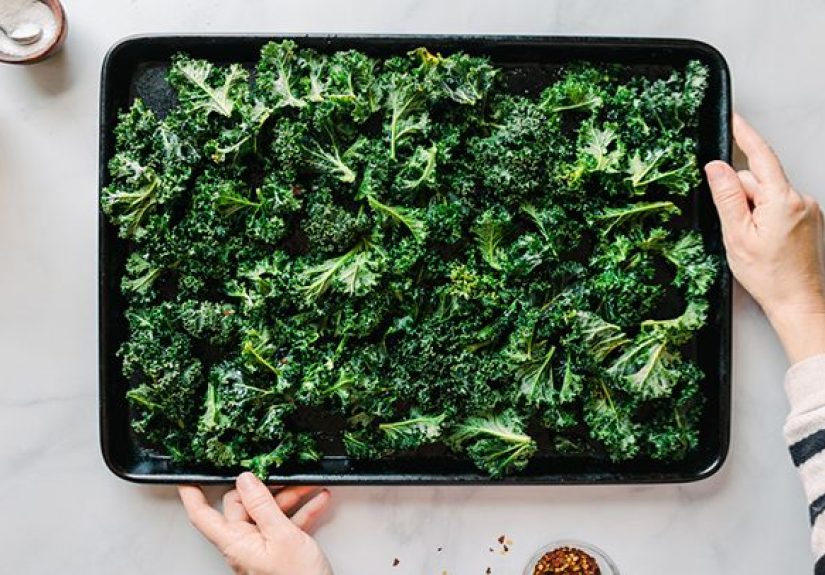
1. Ultra-Crispy “Everything Bagel” Kale Chips
Kale chips are the gateway recipe for kale skeptics. They’re salty, crunchy, and surprisingly addictive
basically potato chips’ healthier cousin. When you coat kale leaves with a bit of oil and season them
well, they crisp up beautifully in the oven or air fryer.
How to make them:
- Strip kale leaves from the stems and tear into large bite-size pieces.
- Toss with a light coating of olive oil, a pinch of salt, and a generous sprinkle of everything bagel seasoning.
- Spread in a single layer on a baking sheet and bake at low heat (around 250–300°F) until crisp, tossing once.
Why they’re great: They’re an easy, low-calorie snack that still delivers that “crunchy and salty”
satisfaction. Plus, they’re a fun way to use up kale that’s on its last day in the fridge.
2. Creamy Kale Pesto Pasta (or Zoodles)
Traditional pesto is usually all basil, but swapping in some kale gives you a heartier, earthier sauce
that clings beautifully to pasta or spiralized zucchini noodles. Many home cooks and bloggers love
combining kale with nuts, garlic, olive oil, and Parmesan for a nutrient-dense twist on the classic.
How to make it:
- In a blender or food processor, combine kale leaves, a handful of basil, nuts (like walnuts or pine nuts), garlic, lemon juice, and grated Parmesan.
- Blend, streaming in olive oil until the sauce is smooth and spoonable. Season to taste.
- Toss with hot pasta or zoodles, thinning with a splash of pasta water if needed.
Make it a meal: Add grilled chicken, tofu, or white beans for protein, and finish with extra lemon and black pepper.
3. Cozy Kale and White Bean Soup
White beans and kale are a classic pair in Mediterranean-style cooking and for good reasonfiber-rich
beans, leafy greens, and a savory broth make a satisfying bowl that’s still light enough for lunch. Many
popular kale soup recipes combine aromatics, broth, beans, and greens for a one-pot meal.
How to make it:
- Sauté onion, carrot, and celery in olive oil until soft.
- Add garlic, herbs (like thyme and rosemary), and a pinch of red pepper flakes.
- Stir in canned white beans, vegetable or chicken broth, and chopped kale.
- Simmer until the kale is tender. Finish with lemon juice and grated Parmesan or nutritional yeast.
Why it works for meal prep: The flavors deepen over a day or two in the fridge, and the kale holds up
better than more delicate greens.
4. Sheet-Pan Kale and Chickpea “Crouton” Salad
If you want a salad that eats like a meal, roast half the components. Toss kale and canned chickpeas
with a bit of olive oil and seasoning, spread them on a sheet pan, and roast until the chickpeas are
crisp and the kale edges are charred.
How to make it:
- On a sheet pan, toss drained chickpeas and torn kale with olive oil, salt, pepper, and smoked paprika.
- Roast until chickpeas are golden and kale is crisp around the edges.
- Serve over a base of grains (quinoa, farro, or brown rice) with a simple lemon-tahini or yogurt dressing.
Bonus: The crunchy chickpeas play the role of croutons, adding protein and texture without refined carbs.
5. Kale Caesar Flatbread Pizza
Take the flavors of a Caesar salad, but put them on flatbread with kale as the star. Many recipe
collections highlight kale Caesar salads as a way to get more greens into comfort food; turning it into a
flatbread is a fun spin.
How to make it:
- Brush store-bought flatbreads or naan with olive oil and garlic.
- Top with a light layer of mozzarella or Parmesan and chopped kale.
- Bake until the kale wilts and the edges are crisp.
- Drizzle with a Caesar-style dressing (homemade or high-quality store-bought) and finish with more shaved Parmesan.
Serve it: Cut into small wedges for an appetizer, or pair with soup for an easy dinner.
6. Green Power Kale Smoothie Bowl
Smoothies are one of the easiest ways to get leafy greens, and kale’s slightly peppery flavor pairs well
with sweet fruits. Many dietitians recommend blending kale with fruits, liquid, and a healthy fat so
your body can better absorb fat-soluble vitamins like A and K.
How to make it:
- Blend kale with frozen pineapple or mango, banana, and your choice of milk or yogurt.
- Add nut butter, chia seeds, or flaxseeds for healthy fats and extra fiber.
- Pour into a bowl and top with granola, sliced fruit, and a sprinkle of nuts or seeds.
Tip: If you’re sensitive to texture, blend the kale with liquid first until very smooth, then add other ingredients.
7. Kale and Sweet Potato Breakfast Hash
Want a breakfast that’s not just another bowl of cereal? A skillet hash with sweet potatoes and kale
gives you fiber, complex carbs, and greens right from the start of the day. Many healthy breakfast recipes
pair roasted or sautéed sweet potatoes with leafy greens and eggs for a balanced plate.
How to make it:
- Dice sweet potatoes and sauté in a skillet with olive oil until browned and tender.
- Add onions, peppers, and any spices you like (cumin, smoked paprika, chili powder).
- Stir in chopped kale and cook until just wilted.
- Make small wells in the hash, crack in eggs, cover, and cook until the whites set.
Make it meal-prep friendly: Cook the hash without eggs ahead of time, then reheat and top with a fried egg
or tofu scramble when serving.
8. Kale & Feta Stuffed Chicken (or Portobellos)
Stuffing chicken breasts or large portobello mushrooms with a mixture of kale, garlic, and cheese is an
easy way to combine protein and greens in one main dish. Kale’s sturdy texture holds up during baking,
staying pleasantly leafy instead of disappearing.
How to make it:
- Sauté chopped kale with garlic and a little olive oil until wilted.
- Stir in crumbled feta or goat cheese and a squeeze of lemon.
- For chicken: cut a pocket in boneless breasts, stuff with the mixture, secure with toothpicks, and bake.
- For mushrooms: remove stems, mound the filling into caps, and roast until tender.
Serving idea: Pair with a simple side of roasted potatoes or a grain like farro for an easy dinner.
9. Kale Hummus Snack Boxes
Snack boxes are trending for good reasonthey’re portion-controlled, portable, and customizable. Blending
kale into hummus gives it a vibrant green color and a nutrient boost, perfect for pairing with crunchy
veggies, whole-grain crackers, or pita chips.
How to make it:
- Blend chickpeas, tahini, lemon juice, garlic, olive oil, and a handful of kale until smooth.
- Season with salt, pepper, and a pinch of cumin or smoked paprika.
- Portion into small containers and pack with sliced carrots, cucumbers, bell peppers, and crackers.
Why it works: You get fiber from both chickpeas and kale, plus healthy fats from tahini and olive oilan ideal combo for steady energy between meals.
10. Double-Chocolate Kale Snack Muffins
Yes, you can sneak kale into dessert. Blending kale into a chocolate muffin batter is a playful way to
add extra micronutrients without turning snack time into a lecture. The cocoa and a little sweetness
help mask the flavor while still giving you some of the benefits of leafy greens.
How to make it:
- Blend kale with milk or yogurt until very smooth.
- Stir into a basic chocolate muffin batter made with whole-wheat flour, cocoa powder, eggs, and a moderate amount of sugar or honey.
- Fold in dark chocolate chips and bake until set.
Kid tip: Don’t announce the kale right away. Let the muffins win them over firstthen share the secret ingredient.
Tips for Cooking with Kale (So Everyone Actually Eats It)
Serving kale that tastes goodrather than like lawn clippingscomes down to a few simple techniques that
many recipe developers emphasize:
- Remove the tough stems. The rib in the middle can be very fibrous. Strip leaves off and either discard stems or save them for smoothies or stock.
- Cut it small. Thin ribbons or bite-size pieces are easier to chew and mix well into dishes.
- Massage raw kale. Rubbing it with a little oil, lemon, or dressing softens the texture and mellows the flavor.
- Use some fat and acid. Healthy fats (olive oil, nuts, cheese) help you absorb fat-soluble vitamins, while acid from lemon or vinegar brightens the taste.
- Don’t overcook. Light sautéing or quick roasting keeps kale tender with a bit of bite and helps preserve more nutrients than cooking it to death.
Putting Kale’s Health Benefits to Work
The real magic of kale isn’t just that it’s “healthy”it’s that it can slip into so many everyday meals:
smoothies for breakfast, soups and salads for lunch, pasta and flatbreads for dinner, and even chips and
muffins for snacks. Combining kale with other whole foods like beans, nuts, olive oil, and whole grains
gives you meals that align with many heart-healthy and Mediterranean-style eating patterns.
You don’t have to eat kale every day or in huge amounts to benefit from it. Adding a handful here and there
across the week is a realistic, sustainable way to level up your nutrition without feeling like you’re on a
“health project.”
Real-Life Experiences with Kale: What You Learn After Cooking It 100 Different Ways
Spend a little time cooking with kale and you start to notice patternswhat people love, what leftovers
keep well, and what recipes quietly become part of the weekly rotation.
First, kale is a meal-prep champion. Unlike delicate greens that wilt dramatically the moment you
look at them, kale holds up in the fridge. A big batch of massaged kale salad can sit for a day or two
without turning slimy. That means you can make a double portion of a kale salad or grain bowl on Sunday and
actually enjoy it on Tuesday, instead of sadly scraping it into the trash.
Second, kale recipes are surprisingly forgiving. Forgot to buy spinach for your soup? Kale will happily
step in. Want more volume in that pasta dish? Toss in a few handfuls of chopped kale near the end of
cooking. Need to bulk up a frittata or quiche? Kale can handle the heat. Once you get comfortable adding it
to “whatever’s already happening in the pan,” it stops feeling like a special, intimidating ingredient and
starts acting like a pantry staple.
Hosting friends is another time when kale shines. A tray of crispy kale chips with a yogurt dip or kale
hummus instantly looks more thoughtful than opening a bag of store-bought chipsbut it’s often just as
easy. People love the novelty, especially when the chips are seasoned with fun blends like everything bagel
seasoning or chili-lime. Serve a kale-based salad next to a richer main dish, and it balances out the
plate while still feeling like real food, not diet food.
Families often discover that how you introduce kale matters. Kids might not respond well to a big bowl of
plain kale saladbut they may get curious about green smoothie bowls with toppings they can add themselves.
Kale muffins or waffles become a playful “guess the secret ingredient” game. Even adults who swear they
“hate kale” sometimes change their minds after trying it in a cheesy flatbread or a cozy soup where it’s
one player in the ensemble, not the whole show.
Another common experience: your grocery bill doesn’t suffer. Kale is widely available in grocery stores and
farmers’ markets, and it tends to be relatively affordable, especially compared with pre-washed salad kits.
Because it’s sturdy, it also has a decent fridge life, so you’re less likely to waste it if you don’t cook
it the same day you buy it.
Over time, many people find that having a few “default” kale recipeslike a go-to kale soup, a smoothie
combo, and a favorite kale saladmakes it much easier to eat more vegetables in general. Kale becomes the
ingredient you’re not afraid to experiment with: you toss it into stir-fries, tuck it into quesadillas,
stir it into cooked grains, or use it to “green up” leftovers.
Most importantly, cooking with kale teaches you that healthy eating doesn’t have to be joyless. When you
build recipes around flavor firstcrispy textures, creamy sauces, bright acidityand then layer in the
nutrition benefits, you get the best of both worlds. Kale just happens to be one of those ingredients that
makes that balancing act a little easier.
Conclusion: Let Kale Do the Heavy Lifting
From everything-seasoned kale chips to pesto pasta, cozy soups, snack boxes, and even chocolate muffins,
kale is much more versatile than its “superfood” label suggests. It brings serious nutrition to the table,
but it also offers texture, color, and flavor when you treat it right. Add a couple of these kale recipes
into your weekly rotation, and you’ll start to see that this leafy green isn’t just something you “should”
eatit’s something you might actually look forward to.