Table of Contents >> Show >> Hide
- Quick Navigation
- 1) They’re not looking for a fight
- 2) “Spider bites” are often something else
- 3) They’re natural pest control
- 4) Venom isn’t the same as “dangerous”
- 5) Spider silk is a high-tech wonder
- 6) Webs are smart engineering, not spooky decor
- 7) House spiders aren’t “invading”they’re surviving
- 8) They have surprisingly thoughtful behavior
- 9) They’re a huge part of biodiversity
- 10) Fear is commonand totally workable
- Common Spider Myths (Quick Reality Check)
- So… Are Spiders Actually Helpful at Home?
- Everyday Encounters: of Spider-Related Experiences You’ll Recognize
- Conclusion
Spiders have one of the worst public-relations deals in the animal kingdom. They don’t roar, they don’t chase you down the street,
and they don’t gather in groups to plot your downfall like tiny eight-legged supervillains. Yet one surprise cameo in the shower can
turn a calm adult into a towel-wielding philosopher asking life’s biggest question: “WHY.”
Here’s the truth: most spiders are shy, helpful, and wildly interesting once you stop viewing them as “walking Halloween decor.”
They’re also doing a ton of unpaid workmostly pest controlwhile asking for nothing more than a quiet corner and the occasional
unsuspecting insect. Let’s clear up the myths, dial down the fear, and give spiders the credit they’ve been denied since forever.
1) They’re not looking for a fight
If spiders had a motto, it would be: “Avoid drama.” Most species would rather flee than interact with humans at all. When a spider
ends up on your arm, it’s usually not an attackit’s a navigation error. Spiders don’t hunt people. They hunt insects, and you’re
frankly too large, too loud, and way too moisturized to be on the menu.
Why bites are rare
Most spider bites happen in very specific situations: when a spider is trapped against skin (inside a shoe, under a glove, in folded
laundry, or pressed accidentally). In other words, it’s defensivenot aggressive. If you want to “win” against spiders, your best
strategy is simple: don’t squish them with your body parts.
2) “Spider bites” are often something else
A surprising number of mysterious skin bumps get labeled as “spider bites,” especially when there’s no spider in sight. But many
look-alike issueslike bacterial infections, allergic reactions, or irritated skincan resemble what people imagine a spider bite
looks like.
Why the myth sticks
“Spider bite” is an easy explanation when you don’t know what caused a sore spot. It also sounds more exciting than “my skin is mad
about something.” But mislabeling matters because it can delay proper treatment if the real cause is something like an infection.
Practical tip: if you didn’t see a spider bite you, treat it like any unknown skin issueclean it, don’t pick at it, and consider
medical advice if it worsens, spreads, becomes very painful, or comes with fever or other concerning symptoms.
3) They’re natural pest control
Spiders are basically tiny, free-range pest management. They eat flies, mosquitoes, gnats, moths, roaches (depending on the spider),
and other insects that actually do want to bother you. If you’ve ever enjoyed a summer evening without being devoured by mosquitoes,
you’ve benefitedat least indirectlyfrom spider work ethic.
They eat more than you think
Ecologists have estimated that spiders consume an enormous amount of prey globally each year. That’s not triviait’s an ecosystem
service. Spiders help keep insect populations from exploding, which can protect gardens, crops, and even the comfort level of your
living room.
Specific examples you’ve probably seen
- Orb-weavers set up tidy “catch nets” outdoors, snagging flying insects at night.
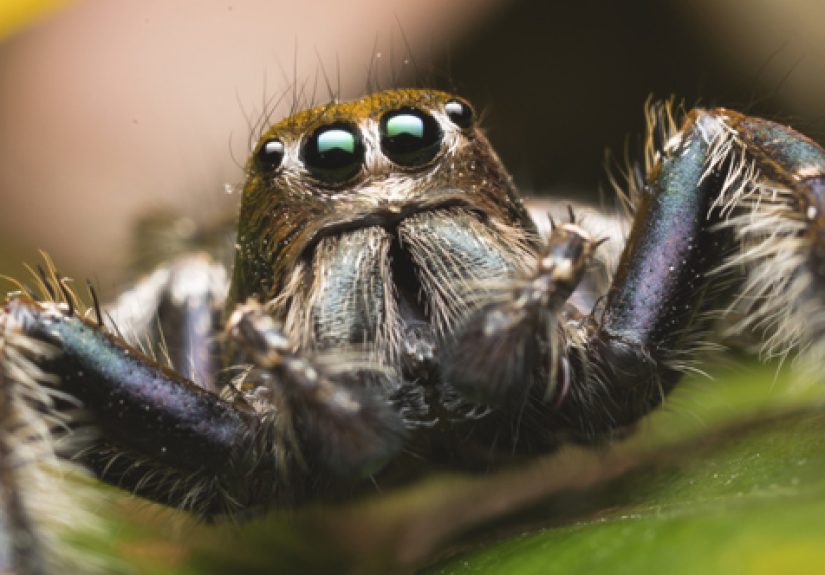
- Jumping spiders actively hunt during the day and often patrol windowsills for small bugs.
- Cellar spiders (the long-legged ones in corners) can reduce other household insect pests.
4) Venom isn’t the same as “dangerous”
Yes, most spiders have venom. No, that doesn’t automatically mean they’re medically dangerous to humans. Venom is a toolmainly for
subduing prey that is their own size (or sometimes larger). It’s like having pepper spray for hunting insects, not a master plan for
taking down mammals.
What’s true in the U.S.
A small number of species in the United States can cause more serious symptoms, and it’s smart to be cautious around spiders you
can’t identifyespecially in places where venomous species are known to live. But the big picture is that serious spider-related
medical cases are uncommon compared with how often humans and spiders share space.
Bonus plot twist: venom helps science
Spider venom is also a research goldmine. Scientists study venom components because they can interact with the nervous system and
other biological pathways in very specific ways. That makes them useful as tools for understanding disease mechanisms and, in some
cases, potential starting points for drug discovery.
5) Spider silk is a high-tech wonder
If spiders had LinkedIn profiles, “materials engineer” would be right at the top. Spider silk is famous for being lightweight and
incredibly strong for its size. It can also be stretchy and tough, depending on the type of silk and what the spider needs it to do.
It’s not just “one silk”
Many spiders produce multiple kinds of silk for different jobsdraglines, web frames, sticky capture spirals, egg sacs, and more. In
human terms, that’s like making rope, glue, packaging material, and safety harnesses… from your own body… while hanging upside down.
Respect.
Why humans care
Researchers have long been interested in spider silk for potential uses in medical sutures, protective materials, and bio-inspired
engineering. Even if you never wear a “spider-silk hoodie,” the science inspired by silk has already influenced materials research.
6) Webs are smart engineering, not spooky decor
A web isn’t just a creepy background prop for a haunted house. It’s a functional, energy-efficient tool: a trap that lets a spider
“fish” for insects while saving energy for survival and reproduction.
Different webs do different jobs
- Orb webs are the classic wheel-shaped designs, built to intercept flying insects.
- Funnel webs guide prey toward a retreat where the spider waits like a patient ambush artist.
- Sheet webs form messy-looking blankets that catch insects that blunder onto them.
Web presence can also be a clue: if you’re getting lots of webs indoors, you may have an insect food supply that’s attracting spiders.
Spiders are often a symptom, not the root problem.
7) House spiders aren’t “invading”they’re surviving
Many common house spiders aren’t marching in like conquerors. They’re following heat, shelter, and food. Homes provide stable
temperatures, fewer predators, and a buffet of tiny insects that sneak in through doors, cracks, vents, and windows.
Why you see them more at certain times
Seasonal changes can drive insects indoors, and spiders may follow. Also, some spiders become more noticeable during mating seasons
when wandering males search for females. That’s when you see more “random hallway spiders” doing their awkward speed-walk across the
floor like they’re late for a meeting.
Humane coexistence options
If you prefer your roommates to have fewer legs, relocation works: use a cup, a stiff piece of paper, and a calm spirit. Then release
the spider outdoors (or to a garage/shed corner). If spiders keep showing up, focus on reducing insect access and sealing entry points.
8) They have surprisingly thoughtful behavior
Spiders may not do taxes, but they do display behavior that’s more complex than “sit and scare humans.” Some hunt actively, some build
elaborate structures, and some use vibration, web tension, and sensory cues to interpret their environment.
Examples that change how you see them
- Jumping spiders often turn to look at people, which feels oddly like eye contact.
- Web-builders adjust construction based on wind, prey type, and damagelike a living maintenance crew.
- Some mothers guard egg sacs or stay near young, increasing survival odds.
Even the “creepy” stuff becomes less creepy when you translate it into purpose. That spider in the corner isn’t plotting. It’s
monitoring vibrations for snacks.
9) They’re a huge part of biodiversity
Spiders aren’t a single “thing.” They’re an incredibly diverse group found across most land habitats, from deserts to forests to your
attic (which is basically its own climate zone). Scientists have described tens of thousands of species worldwide, and new ones are
still being identified.
Why that diversity matters
Biodiversity isn’t just a nature documentary buzzword. Different spiders fill different ecological roles: controlling different kinds
of insect populations, serving as prey for birds and other animals, and helping maintain balance in ecosystems. In short, spiders are
one of the reasons nature doesn’t immediately turn into an all-you-can-eat insect festival.
10) Fear is commonand totally workable
If spiders make your skin try to leave your body, you’re not alone. Arachnophobia is common, and our brains are good at remembering
sudden, unpleasant surprises. The problem is that fear often runs on exaggerations: “All spiders are dangerous,” “They’ll chase me,”
or “They’re waiting for me to sleep.”
How understanding helps
Learning basic spider facts can reduce the “unknown = danger” reaction. A helpful approach is to shift from panic to curiosity:
identify what kind of spider you’re seeing (jumping spider? orb-weaver? cellar spider?), observe it from a comfortable distance, and
remind yourself that most spiders are built to avoid conflict with humans.
If you want a simple comfort plan
- Reduce insects: fix screens, clean crumbs, and manage moistureless food means fewer spiders.
- Seal entry points: weather-strip doors and patch cracks where bugs (and spiders) slip in.
- Relocate calmly: cup-and-paper beats chaos-and-screaming, and it’s faster than you think.
- Use caution in storage areas: shake out shoes, gloves, and towels that have been sitting.
Common Spider Myths (Quick Reality Check)
Myth: “Spiders want to crawl on you.”
Reality: They want to crawl away from you. You’re a moving mountain with unpredictable weather.
Myth: “If I see one spider, there are a thousand.”
Reality: Sometimes a spider is just… a spider. Not every sighting is a secret convention. If you’re seeing many, it often points to
abundant insect prey or easy entry points.
Myth: “All spiders in the U.S. are dangerous.”
Reality: A small number can cause more serious symptoms, but most are not medically significant to humans. Respect them, don’t handle
unknown spiders, and focus on prevention and identification.
So… Are Spiders Actually Helpful at Home?
In many cases, yes. Spiders are a natural part of the indoor ecosystem (which sounds fancy until you realize it includes lint and that
one missing sock). They tend to settle where food appearsflies near windows, small insects near lights, and moisture-loving bugs near
basements and bathrooms. If you remove the insect buffet, spiders usually become less common.
If you’re not comfortable sharing your space, you don’t have to. The goal isn’t “become best friends with a wolf spider.”
The goal is “make choices based on facts, not jump scares.”
Everyday Encounters: of Spider-Related Experiences You’ll Recognize
A lot of spider fear doesn’t come from actual dangerit comes from surprise. Someone flips on the bathroom light at 2 a.m.,
sees a small spider near the tub, and suddenly their heart is doing parkour. The moment becomes a story: “It was HUGE,” “It came out
of nowhere,” “It looked at me.” The funny part is that the spider is usually thinking the same thing: “Why is the sun on indoors?”
Then there’s the “window assistant” experience: you notice fewer flies buzzing around the kitchen, and later you spot a spider quietly
stationed in the corner by the screen. People often describe a weird shift herefrom disgust to reluctant appreciationbecause the
spider isn’t being creepy; it’s being effective. It’s like discovering your grumpy neighbor is also the one shoveling the sidewalk
every snowstorm.
Gardeners have their own spider stories. A common one is finding an orb web stretched between tomato cages in the early morning, lit
up with dew like a tiny chandelier. Even people who dislike spiders often admit these webs look kind of magical. Some gardeners start
leaving certain areas undisturbed after noticing fewer pest outbreaks where spiders live. The spider becomes part of the “balanced
garden” mindsetless chemical spray, more nature doing nature.
Parents and teachers often talk about the “curiosity conversion” moment with kids. A child sees a jumping spider, notices its big
forward eyes, and leans in instead of backing away. The adultwho may be quietly panickingends up googling “what kind of spider is
this?” and learning that jumping spiders are active hunters and generally not a threat to people. The next thing you know, the kid
names it something like Captain Legsworth and wants to “watch it catch a bug.” Fear doesn’t always win when curiosity gets there first.
Another common experience is the “shoe lesson.” Someone grabs a shoe that’s been sitting in the garage, feels a tickle, and suddenly
remembers every safety tip they’ve ever ignored. After that, they become the person who shakes out shoes, gloves, and storage bins like
a professional percussionist. It’s not paranoiait’s a practical habit, and it usually replaces fear with control.
Finally, there’s the peace-of-mind experience: once people learn that most spiders avoid humans and that many “spider bites” are
something else entirely, the panic level drops. They still may not want spiders indoors, but they respond differently. Instead of
smashing first and asking questions later, they relocate, seal a crack, fix a screen, and move on. That’s not “loving spiders.”
That’s just living with realityand saving your nervous system a lot of unnecessary cardio.
Conclusion
Spiders aren’t perfect. They’re not cuddly. They will never pay rent. But they’re also not the villains our jump-scare brains make
them out to be. Most are shy, most are helpful, and almost all are far more interested in eating insects than interacting with humans.
When you replace spider myths with spider facts, you get something surprisingly calming: perspective.