Table of Contents >> Show >> Hide
- Quick Cheat Sheet: How to Pick the Right Lotion
- The 11 Best Lotions for Your Skin
- 1) CeraVe Daily Moisturizing Lotion (Best everyday, no-fuss hydration)
- 2) Cetaphil Moisturizing Lotion (Best lightweight lotion for sensitive skin)
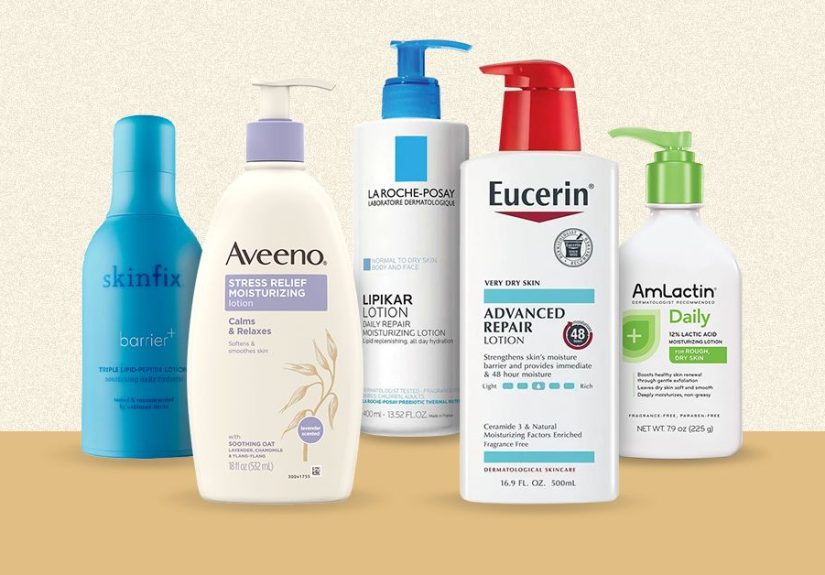
- 3) Eucerin Advanced Repair Lotion (Best for very dry, rough, “winter legs” skin)
- 4) La Roche-Posay Lipikar AP+M Triple Repair (Best for extra-dry, itch-prone, eczema-leaning skin)
- 5) Vanicream Moisturizing Lotion (Best minimalist formula for ultra-sensitive skin)
- 6) Aveeno Daily Moisturizing Lotion (Best oat-based comfort for dry, easily irritated skin)
- 7) Neutrogena Hydro Boost Fragrance-Free Body Gel Cream (Best lightweight “water-hungry skin” hydrator)
- 8) Vaseline Advanced Repair Unscented Lotion (Best budget barrier boost for very dry skin)
- 9) Lubriderm Daily Moisture Lotion (Best simple daily lotion for normal-to-dry skin)
- 10) NIVEA Essentially Enriched Body Lotion (Best for dry skin that wants richer nourishment)
- 11) Gold Bond Healing Hydrating Lotion & Cream with Aloe (Best multi-vitamin comfort for dry, rough spots)
- How to Apply Lotion So It Actually Works
- Common Lotion Mistakes (And Easy Fixes)
- When to Consider Seeing a Dermatologist
- Real-Life Experiences and “What People Notice” (Extra Notes)
- Experience #1: The “It’s Not Working!” Week (aka the patience tax)
- Experience #2: The “Fragrance Is Fine… Until It Isn’t” moment
- Experience #3: The gel-cream conversion story
- Experience #4: Rough spots finally stop feeling like sandpaper
- Experience #5: The nightstand lotion becomes a personality
- Experience #6: The “one lotion for the whole house” win
- Conclusion
Shopping for body lotion sounds easy until you’re standing in the aisle holding a bottle that promises
“72-hour hydration,” “cloud-like softness,” andsomehowinner peace. Meanwhile your skin is just asking for
one thing: please stop feeling like a dry croissant.
The truth is, the “best lotion” depends on what your skin is trying to do (or complaining about).
Dry, sensitive, bumpy, itchy, acne-prone, post-shower-tight, winter-wind-slammedeach has its own
best-match ingredients and textures. Below you’ll find 11 standout lotions and body moisturizers that are
widely recommended by dermatology-focused guidance and consistently supported by real-world product formulas
people actually use (not just admire on a shelf).
Quick Cheat Sheet: How to Pick the Right Lotion
Step 1: Identify your “skin mood”
- Normal-to-dry: lightweight lotion with glycerin + ceramides.
- Very dry or rough: richer lotion/cream with barrier helpers (ceramides, petrolatum, dimethicone) and sometimes urea or lactic acid.
- Sensitive/eczema-prone: fragrance-free, minimal irritants, often with a seal of acceptance from eczema-focused organizations.
- Bumpy texture (KP): gentle exfoliating hydrators like urea, lactic acid, or salicylic acidpaired with moisturizing agents.
- Body acne-prone: lighter, non-comedogenic textures; avoid heavy, greasy layers on breakout zones.
Step 2: Learn the 3 ingredient “jobs”
- Humectants pull in water (glycerin, hyaluronic acid, sodium PCA).
- Emollients smooth and soften (fatty alcohols, plant oils, shea butter).
- Occlusives slow water loss by sealing (petrolatum, dimethicone, waxes).
Most great body lotions combine all three. Think of it like building a hydration sandwich: add water,
smooth the surface, then lock it in.
The 11 Best Lotions for Your Skin
These picks cover different skin types, budgets, and texturesfrom “barely there” gel-creams to
“I’m not leaving the house without this” barrier-repair workhorses.
1) CeraVe Daily Moisturizing Lotion (Best everyday, no-fuss hydration)
If you want a reliable, lightweight body lotion that doesn’t feel sticky and plays nicely with most routines,
this is a classic. It’s built around barrier support with ceramides and long-lasting hydration, making it a
strong daily option for normal to dry skin.
- Best for: normal to dry skin, minimalists, “I just want one bottle” households
- Why it works: ceramides + humectants (like hyaluronic acid) help support the skin barrier
- Texture vibe: light lotion, spreads fast, layers well
2) Cetaphil Moisturizing Lotion (Best lightweight lotion for sensitive skin)
Cetaphil’s body lotion is known for being gentle, fragrance-free, and easy to wear dailyespecially if your
skin gets cranky with heavily scented products. It’s a great “starter lotion” for people who want hydration
without the greasy aftermath that ruins your grip on a doorknob.
- Best for: sensitive skin, normal-to-dry skin, face-and-body minimal routines
- Why it works: simple hydration + barrier-friendly formula designed to be gentle
- Texture vibe: light, fast-absorbing, good under clothing
3) Eucerin Advanced Repair Lotion (Best for very dry, rough, “winter legs” skin)
When dryness turns into rough texture and flaking, a basic lotion can feel like tossing a cup of water at a
desert. Eucerin’s Advanced Repair is popular because it combines rich hydration with ingredients that support
the skin’s natural moisturizing factorsoften including urea and other components that help soften roughness
over time.
- Best for: very dry skin, rough patches, elbows/knees/shins
- Why it works: strong humectants plus barrier support; often includes urea for softening
- Texture vibe: richer lotion that still spreads easily
4) La Roche-Posay Lipikar AP+M Triple Repair (Best for extra-dry, itch-prone, eczema-leaning skin)
This one is a favorite for people whose skin gets dry, rough, and itchyand who want a thicker body moisturizer
that still feels comfortable. It’s formulated with barrier and soothing ingredients (like shea butter, glycerin,
niacinamide, and ceramides), and it’s often used as a daily “keep the peace” cream for reactive skin.
- Best for: dry to extra-dry skin, itch-prone skin, sensitive households
- Why it works: rich barrier support + soothing ingredients; “triple repair” approach (hydrate, replenish lipids, support barrier)
- Texture vibe: comforting cream, not a runny lotion
5) Vanicream Moisturizing Lotion (Best minimalist formula for ultra-sensitive skin)
Vanicream is like the friend who doesn’t bring drama to the group chat. It’s designed to avoid many common
irritants (fragrance, dyes, botanical extracts, essential oils) and is frequently chosen by people with
sensitive or eczema-prone skin who want a straightforward, reliable moisturizer.
- Best for: very sensitive skin, fragrance-avoiders, irritation-prone routines
- Why it works: simple, non-comedogenic, no “mystery scent”
- Texture vibe: medium-light lotion, easy to spread
6) Aveeno Daily Moisturizing Lotion (Best oat-based comfort for dry, easily irritated skin)
If your skin gets dry and feels uncomfortable (especially after showering), Aveeno’s soothing-oat approach
is a common go-to. Oat-based formulas are often used to help calm the “tight and itchy” feeling that can come
with dry skinespecially in colder months or after frequent washing.
- Best for: dry skin, mild itchiness, post-shower tightness
- Why it works: soothing oat + barrier support; designed for daily use
- Texture vibe: classic lotion feelcomfortable, not greasy
7) Neutrogena Hydro Boost Fragrance-Free Body Gel Cream (Best lightweight “water-hungry skin” hydrator)
Some people hate the feeling of lotion but still want hydration. Enter the gel-cream: lighter, fast-absorbing,
and great when you want your skin to feel comfortable immediately (and not like it’s wearing a sweater made of
butter). Hyaluronic acid is the star ingredient, helping attract water to the skin.
- Best for: normal to dry skin, humid climates, “I can’t do greasy” people
- Why it works: hyaluronic acid + gel-cream texture that absorbs quickly
- Texture vibe: cooling gel-cream, great right after a shower
8) Vaseline Advanced Repair Unscented Lotion (Best budget barrier boost for very dry skin)
Vaseline’s body lotions often lean into barrier protectionhelpful when your skin feels rough, dull, or
chronically dry. Unscented options are especially nice if fragrance triggers irritation for you. If you want
drugstore value with serious “keep moisture from escaping” energy, this one earns a spot.
- Best for: very dry skin, winter dryness, fragrance-sensitive users
- Why it works: occlusive/barrier support plus moisturizers for longer-lasting comfort
- Texture vibe: richer lotion that absorbs better than you’d expect
9) Lubriderm Daily Moisture Lotion (Best simple daily lotion for normal-to-dry skin)
Lubriderm is a classic “daily driver” optionlightweight, fast-absorbing, and easy to use head-to-toe.
It’s the kind of lotion you’ll actually apply because it doesn’t slow you down. Great for everyday moisture,
especially if you want something comfortable under clothes.
- Best for: normal to dry skin, daily maintenance, family use
- Why it works: lightweight hydration with skin-supporting moisturizers
- Texture vibe: light and quickgood for mornings
10) NIVEA Essentially Enriched Body Lotion (Best for dry skin that wants richer nourishment)
This is for the people whose skin laughs at thin lotions. NIVEA’s richer body lotion style is designed for
dry to very dry skin and often includes nourishing emollients (like almond oil) plus humectants for longer-feeling
softness. It’s especially satisfying on legs, arms, and anywhere that gets ashy or tight.
- Best for: dry to very dry skin, colder weather, “my skin drinks lotion” types
- Why it works: richer emollients + hydration support
- Texture vibe: creamy and nourishing, best after showering
11) Gold Bond Healing Hydrating Lotion & Cream with Aloe (Best multi-vitamin comfort for dry, rough spots)
Gold Bond’s healing-style lotions are popular for targeted drynesshands, elbows, knees, and the “why is this
patch so rough?” zones. Aloe adds a soothing feel, and versions with ingredients like niacinamide and vitamin E
are often chosen for their “comfort + looks better” combo.
- Best for: rough spots, dry hands, everyday healing moisture
- Why it works: moisturizing base + soothing aloe; often includes skin-supporting vitamins
- Texture vibe: creamy but practicalgood for frequent use
How to Apply Lotion So It Actually Works
Use the “damp skin” trick
Lotion works best when your skin still has a little water on it. After a shower or washing up, pat your skin
lightlydon’t fully dry itthen apply your moisturizer. This helps trap hydration and reduces that tight feeling
that shows up ten minutes later like an unwanted sequel.
Match texture to the problem
- For all-over daily use: lightweight lotion (CeraVe, Cetaphil, Lubriderm).
- For very dry or itchy areas: richer cream/lotion (Lipikar AP+M, Eucerin Advanced Repair, Vaseline Advanced Repair).
- For “I hate lotion” days: gel-cream (Neutrogena Hydro Boost).
Don’t ignore your hands and feet
Hands and feet lose moisture fast, especially with frequent washing or walking barefoot. Keep a small pump
bottle by the sink and a richer lotion near your bed. Your future self will thank youquietly, because
they’re asleep and their heels aren’t snagging the sheets.
Common Lotion Mistakes (And Easy Fixes)
- Mistake: Using heavily scented lotion on reactive skin. Fix: Try fragrance-free first, especially if you get stinging or redness.
- Mistake: Applying lotion once a week and expecting miracles. Fix: Aim for daily, or at least after showers and handwashing.
- Mistake: Treating rough bumps with only thin lotion. Fix: Add a softening lotion (often with urea/lactic acid) and be consistent.
- Mistake: Putting heavy creams on body-acne zones. Fix: Use lighter formulas on back/chest, richer ones on legs/arms.
When to Consider Seeing a Dermatologist
If dryness becomes painful, cracked, bleeding, intensely itchy, or keeps coming back no matter what you use,
it’s worth getting professional guidance. Sometimes the “dry skin” story is actually eczema, contact dermatitis,
or another condition that needs targeted treatmentnot just more lotion.
Real-Life Experiences and “What People Notice” (Extra Notes)
You asked for experiences, so here’s the good stuffbased on common patterns people report when they switch
lotions or finally find a formula that fits. Not everyone reacts the same way (skin is wonderfully dramatic),
but these scenarios are the ones that come up again and again.
Experience #1: The “It’s Not Working!” Week (aka the patience tax)
A lot of people try a new lotion for two days, feel slightly better, then expect their skin to become
a glossy skincare-commercial leg by Thursday. Usually, the first win is comfort: less tightness after showering,
less itching at night. Visible improvements (less flaking, smoother texture) tend to show up after consistent
daily useespecially with barrier-focused lotions. The trick is to choose a lotion you’ll actually apply.
The best lotion in the world does nothing if it lives unopened in a cabinet like a moisturization trophy.
Experience #2: The “Fragrance Is Fine… Until It Isn’t” moment
Many people don’t realize fragrance can be an irritant until they hit a season of dryness, start shaving more,
switch laundry detergent, or develop a new sensitivity. Then suddenly a previously “nice smelling” lotion
starts to stingespecially on freshly shaved legs or areas with tiny cracks. That’s why fragrance-free options
like Vanicream, CeraVe, Cetaphil, and certain Aveeno or Vaseline versions often feel like relief: fewer variables,
fewer surprises. If you love scented lotion, some people keep it for “normal days” and use fragrance-free during
flare-ups. Think of it as letting your skin take off its shoes when it’s had a long day.
Experience #3: The gel-cream conversion story
There’s a specific type of person who says, “I hate lotion,” and what they really mean is,
“I hate feeling sticky.” For them, gel-creams (like Neutrogena Hydro Boost Fragrance-Free Body Gel Cream)
can be a game-changer. People often describe the first use as “cooling” and “light,” and they like that they
can get dressed quickly. The trade-off is that ultra-light textures sometimes need a second layer on truly dry
areasso a common routine becomes: gel-cream all over, richer lotion on elbows/knees/shins.
Experience #4: Rough spots finally stop feeling like sandpaper
When someone switches from a basic daily lotion to a repair-style product (like Eucerin Advanced Repair),
the biggest change they mention is texture. Dryness isn’t just “lack of moisture”it’s often a mix of dehydration,
a weakened barrier, and built-up roughness. Softening ingredients plus consistent moisture can make elbows and
shins feel smoother within a couple of weeks. People who deal with “bumpy arms” (often called KP) sometimes report
that gentle softening lotions help, but results are slow and depend on consistency. It’s more like brushing your
teeth than taking a one-time vitamin.
Experience #5: The nightstand lotion becomes a personality
Once people discover that applying lotion at night makes mornings better, a weird thing happens:
they become the person who owns “bedside lotion.” A richer option (like NIVEA Essentially Enriched or Lipikar AP+M)
can feel too heavy during the day, but perfect at night when you want to wake up comfortable. A common strategy is
“day lotion vs. night lotion”lighter in the morning, richer after evening showers. Your sheets might not throw you
a party, but your skin probably will.
Experience #6: The “one lotion for the whole house” win
In many homes, the winning lotion is simply the one everyone tolerates: fragrance-free, non-greasy, and versatile.
That’s why simple options like CeraVe Daily Moisturizing Lotion or Cetaphil Moisturizing Lotion often become staples.
People like that they can use it on arms, legs, hands, and sometimes even on the face (depending on how their skin
behaves). The emotional experience is underrated: fewer bottles, fewer decisions, less “Waitwas this the one that
made me itchy?”
Conclusion
The best lotions for your skin aren’t always the fanciestthey’re the ones with the right ingredients,
the right texture, and the right “I will actually use this” factor. If you’re dry and rough, go richer and
look for barrier support (ceramides, occlusives). If you’re sensitive, choose fragrance-free and keep the
ingredient list calm. If you’re lotion-averse, gel-creams can deliver hydration without the sticky feeling.
And if your skin is cracked, painful, or persistently itchy, consider checking in with a dermatologist to make
sure you’re treating the real issuenot just chasing symptoms.