Table of Contents >> Show >> Hide
- Why Ingrown Hairs Happen After Waxing
- 11 Home Remedies to Prevent Ingrown Hairs After Waxing
- 1. Start With a Warm Compress Before Exfoliating
- 2. Use Gentle Physical Exfoliation 2 to 3 Days After Waxing
- 3. Try a Mild Sugar-and-Honey Scrub for Non-Sensitive Areas
- 4. Moisturize Daily With Aloe Vera or a Fragrance-Free Lotion
- 5. Wear Loose, Breathable Clothing After Waxing
- 6. Keep the Area Clean Without Overwashing
- 7. Use Diluted Tea Tree Oil Carefully
- 8. Avoid Picking, Squeezing, or Digging Out Hairs
- 9. Space Out Waxing Sessions Properly
- 10. Choose Soothing Oatmeal Care for Itchy Skin
- 11. Use Cool Compresses for Redness Right After Waxing
- What Not to Use on Ingrown Hairs After Waxing
- When to See a Dermatologist
- Extra Experience: Real-Life Lessons for Preventing Ingrown Hairs After Waxing
- Conclusion
Waxing can feel like a tiny victory over body hair: smooth skin, longer-lasting results, and the quiet satisfaction of not seeing stubble return by dinner. Then, a few days later, a red bump appears. Then another. Suddenly, your post-wax glow has been replaced by a miniature rebellion called ingrown hairs.
Ingrown hairs after waxing happen when new hair grows sideways, curls back into the skin, or gets trapped under dead skin cells instead of rising cleanly through the follicle opening. They are especially common in areas where hair is coarse or curly, such as the bikini line, underarms, legs, chin, and neck. The good news is that many mild ingrown hairs can be prevented with simple home remedies, gentle skin habits, and a little patience. No magic wand requiredthough a soft washcloth and breathable cotton underwear can feel surprisingly magical.
This guide explains 11 simple ways to prevent ingrown hairs after waxing using home remedies, with practical examples, aftercare tips, and skin-friendly advice you can actually follow. The goal is not to attack your skin into submission. The goal is to help it recover, breathe, shed dead cells naturally, and let new hairs grow in the right direction.
Why Ingrown Hairs Happen After Waxing
Waxing removes hair from the root, which is why results can last longer than shaving. But as new hair grows back, it may be weaker, finer, or angled differently. If the surface of the skin is blocked by dead skin cells, heavy products, sweat, or friction from tight clothing, that new hair can get trapped. Once trapped, it may curl inward and create a bump, redness, tenderness, itching, or a dark mark after inflammation fades.
Some people are naturally more prone to ingrown hairs. Curly or coarse hair has a greater tendency to bend back toward the skin. Dry skin can create a rough surface that makes it harder for hair to break through. Waxing too often, exfoliating too aggressively, wearing tight leggings right after a wax, or applying thick oils immediately afterward can also increase the chance of bumps.
The best prevention plan is simple: keep the skin clean, calm, lightly exfoliated, hydrated, and free from unnecessary friction. Think of your follicles like tiny doorways. Your job is to keep the doorways clearnot sandblast the whole building.
11 Home Remedies to Prevent Ingrown Hairs After Waxing
1. Start With a Warm Compress Before Exfoliating
A warm compress is one of the simplest home remedies for preventing and calming ingrown hairs. Warmth softens the skin, loosens surface buildup, and helps the follicle area feel less tight. Before gentle exfoliation, press a clean, warm washcloth over the waxed area for 3 to 5 minutes. The cloth should feel warm, not hot. If your skin turns red or feels prickly, cool it down.
This method is especially useful a few days after waxing, when the skin is no longer freshly sensitive but may be starting to feel dry or bumpy. For example, if you wax your legs on Friday, you might begin warm-compress care on Sunday or Monday, depending on how your skin feels.
Avoid using a warm compress immediately after waxing if your skin is inflamed or burning. In the first few hours, coolness is usually more soothing. Warmth is better once the skin has settled.
2. Use Gentle Physical Exfoliation 2 to 3 Days After Waxing
Gentle exfoliation helps remove dead skin cells that can trap regrowing hair. The key word is gentle. Your skin is not a dirty frying pan, and you are not scrubbing it with steel wool. Use a soft washcloth, a mild body polish, or a gentle exfoliating mitt with light pressure.
Wait at least 48 hours after waxing before exfoliating, unless your esthetician gives different instructions. Freshly waxed skin is more delicate because hair has just been pulled from the follicle. Scrubbing too soon can increase redness, irritation, and tiny abrasions.
For most people, exfoliating two or three times a week is enough. Over-exfoliation can damage the skin barrier, making bumps worse. If your skin feels raw, shiny, stingy, or unusually tight, take a break and focus on moisturizing instead.
3. Try a Mild Sugar-and-Honey Scrub for Non-Sensitive Areas
A homemade sugar scrub can be helpful for areas like the legs or arms, as long as your skin is not irritated, sunburned, broken, or freshly waxed. Mix one tablespoon of fine sugar with one teaspoon of honey and enough water to create a soft paste. Massage lightly in circular motions for 20 to 30 seconds, then rinse with lukewarm water.
Fine sugar helps polish away dead skin cells, while honey gives the mixture a smooth texture. Keep the pressure feather-light. If the sugar feels sharp, gritty, or uncomfortable, do not use it. Choose a washcloth instead.
Do not use sugar scrubs on the bikini line, underarms, face, or any area with active bumps. These areas are more sensitive and can become irritated quickly. A scrub should leave skin smoother, not angrier. If your skin could write a complaint letter afterward, the scrub was too harsh.
4. Moisturize Daily With Aloe Vera or a Fragrance-Free Lotion
Dry skin is one of the sneaky causes of ingrown hairs after waxing. When the surface layer becomes rough and flaky, new hairs have a harder time growing outward. Moisturizing keeps the skin flexible and supports a healthier barrier.
Aloe vera gel is a popular home remedy because it feels cooling and lightweight. Use pure aloe vera gel or a simple fragrance-free moisturizer after the first 24 hours. Apply a thin layer once or twice daily, especially after showering. If you are prone to clogged pores, choose a non-comedogenic product.
Avoid heavy butters, thick oils, and strongly scented lotions immediately after waxing. They may feel luxurious, but they can trap sweat and debris around follicles. Save the perfume-heavy body cream for another daypreferably a day when your follicles are not recovering from a dramatic hair eviction.
5. Wear Loose, Breathable Clothing After Waxing
Friction is a major trigger for post-wax bumps. Tight jeans, leggings, synthetic underwear, and snug workout clothes can rub against freshly waxed skin, creating irritation and encouraging hairs to grow inward. For the first 24 to 48 hours after waxing, choose loose cotton clothing whenever possible.
If you wax your bikini area, soft cotton underwear is your friend. If you wax your legs, loose pants, skirts, or breathable shorts are better than compression leggings. If you wax your underarms, skip tight sleeves and avoid heavy deodorant for the first day if your skin feels sensitive.
This step sounds almost too simple, but it matters. Your skin needs a short recovery window. Give it space, air, and the dignity of not being squeezed into denim armor immediately after waxing.
6. Keep the Area Clean Without Overwashing
Clean skin helps reduce the buildup of sweat, oil, dead skin, and bacteria around hair follicles. After waxing, wash the area gently with lukewarm water and a mild, fragrance-free cleanser. Pat dry with a clean towel instead of rubbing.
For the first 24 hours, avoid hot tubs, swimming pools, saunas, intense workouts, and anything that causes heavy sweating. Freshly waxed follicles are more open and sensitive, so sweat and heat may increase irritation. This does not mean you must sit perfectly still like a museum statue, but it is wise to avoid activities that turn your skin into a humid little greenhouse.
Do not overwash the area. Cleansing too often can strip natural oils and make the skin dry, which may worsen ingrown hairs. Once daily cleansing is enough for most areas, with an extra rinse after sweating.
7. Use Diluted Tea Tree Oil Carefully
Tea tree oil is often used in home skin care because it may help with surface bacteria and irritation. However, it must be diluted. Never apply pure tea tree oil directly to freshly waxed or sensitive skin. Essential oils can cause burning, allergic reactions, and irritation when used incorrectly.
For a gentle approach, mix one drop of tea tree oil into one teaspoon of aloe vera gel or a plain carrier oil such as jojoba oil. Patch test the mixture on a small area first and wait 24 hours. If there is redness, itching, burning, or swelling, do not use it.
Tea tree oil is not necessary for everyone. If you have sensitive skin, eczema, allergies, or a history of reactions to essential oils, skip this remedy and stick with fragrance-free moisturizer. “Natural” does not always mean “automatically safe.” Poison ivy is natural too, and nobody invites it to skincare night.
8. Avoid Picking, Squeezing, or Digging Out Hairs
Picking at ingrown hairs can turn a small bump into a bigger problem. Squeezing may push inflammation deeper into the skin. Digging with fingernails, needles, or tweezers can introduce bacteria, cause scarring, and leave dark spots that last longer than the original bump.
If a hair is visible above the skin surface, you may gently encourage it with a warm compress and light exfoliation. But if the hair is buried, painful, or surrounded by pus, leave it alone and consider medical advice. Your bathroom mirror may make you feel like a surgeon, but your skin deserves better than a midnight excavation project.
The best home remedy for an angry bump is often restraint: cleanse, compress, moisturize, and wait. Most mild ingrown hairs improve without dramatic intervention.
9. Space Out Waxing Sessions Properly
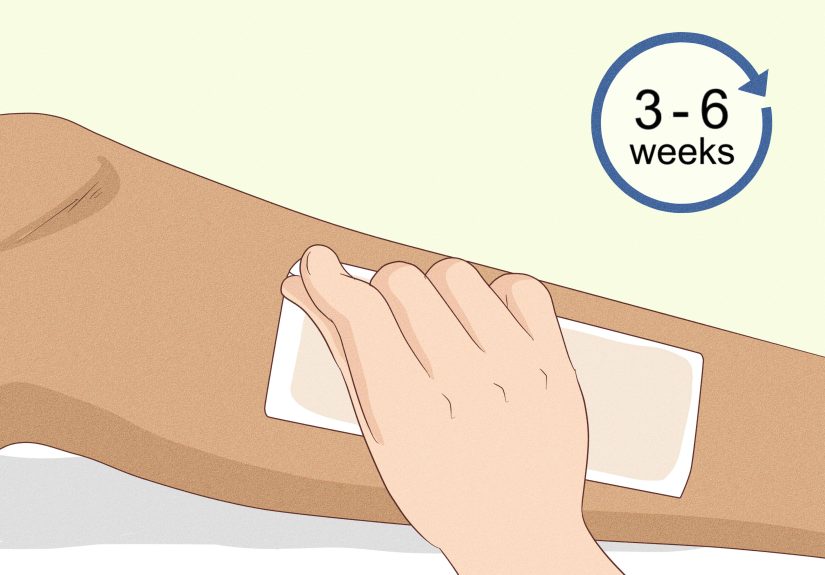
Waxing too frequently can irritate the skin and disrupt the hair growth cycle. Most people need about three to six weeks between waxing sessions, depending on the area and how quickly their hair grows. Hair should be long enough for wax to grip properly, often around one-quarter inch.
If you wax before the hair is ready, the wax may break the hair instead of removing it from the root. Broken hairs can become sharp or uneven, increasing the chance that they grow back into the skin. Waiting a little longer can lead to cleaner removal and fewer bumps.
Consistency also helps. Constantly switching between shaving, waxing, plucking, and depilatory creams can confuse your skin and increase irritation. Choose the method that works best for you and give your skin time to adjust.
10. Choose Soothing Oatmeal Care for Itchy Skin
Colloidal oatmeal is a gentle home remedy for itchy, irritated skin. It can help calm dryness and discomfort after waxing, especially on larger areas like legs or arms. You can use an oatmeal-based fragrance-free lotion or make a simple oatmeal soak for non-intimate areas.
To make a basic soak, blend plain oats into a fine powder and add a small amount to lukewarm bathwater. Soak for 10 to 15 minutes, then rinse lightly and pat dry. Follow with a gentle moisturizer while the skin is still slightly damp.
Avoid oatmeal soaks if you have open wounds, signs of infection, or allergy concerns. Also, do not use hot water. Hot water can strip the skin and increase redness. Lukewarm water is boring, yes, but boring is exactly what irritated skin wants.
11. Use Cool Compresses for Redness Right After Waxing
Immediately after waxing, a cool compress can help calm redness and tenderness. Wrap a clean cloth around a cold pack or wet a washcloth with cool water. Apply it for 5 to 10 minutes at a time. Do not place ice directly on the skin, because that can cause irritation or cold injury.
Cool compresses are especially helpful during the first day after waxing. They reduce the urge to scratch and help the skin settle before you begin any exfoliation routine later in the week.
After cooling, apply a thin layer of aloe vera gel or a fragrance-free moisturizer. Keep the routine simple. Freshly waxed skin does not need a 12-step skincare concert with guest appearances from acids, perfumes, and glitter body oil. It needs calm.
What Not to Use on Ingrown Hairs After Waxing
Some home remedies are popular online but too harsh for post-wax skin. Avoid lemon juice, baking soda paste, toothpaste, alcohol, hydrogen peroxide, and undiluted essential oils. These can burn, dry, or irritate the skin barrier. Lemon juice can also increase sun sensitivity, which may worsen discoloration.
You should also be cautious with strong chemical exfoliants such as glycolic acid, salicylic acid, or retinoids right after waxing. These ingredients can be useful for some people, but they may sting or irritate freshly waxed skin. If you use them, wait until the skin has fully calmed and introduce them slowly.
When to See a Dermatologist
Home remedies are best for mild prevention and minor bumps. See a dermatologist or healthcare professional if you notice spreading redness, warmth, swelling, severe pain, pus, fever, a large cyst-like bump, or ingrown hairs that keep returning despite good aftercare. You should also seek advice if you have diabetes, circulation problems, immune system concerns, or a skin condition that makes infections more risky.
If waxing repeatedly causes painful bumps, it may not be the best hair removal method for your skin. Trimming, laser hair removal, or other options may be safer and more comfortable. Smooth skin is nice, but healthy skin gets the VIP pass.
Extra Experience: Real-Life Lessons for Preventing Ingrown Hairs After Waxing
Anyone who has dealt with ingrown hairs after waxing knows the emotional timeline. Day one: “Wow, my skin is so smooth.” Day three: “Is that a bump?” Day five: “Why is my bikini line plotting against me?” The biggest lesson is that prevention starts before the bump appears. Once an ingrown hair is inflamed, you are managing damage. But when you build a steady routine, you can reduce many of the triggers before they cause trouble.
One practical experience is to plan waxing around your schedule. Do not wax two hours before a beach day, a long flight, a sweaty gym session, or a tight-outfit event. Freshly waxed skin needs time to recover. If you wax your legs before vacation, do it two or three days before you plan to swim. If you wax your underarms, avoid applying strong deodorant immediately afterward. If you wax the bikini area, choose soft clothing for the next day. This small planning habit can make a major difference.
Another lesson is that exfoliation works best when it is consistent, not aggressive. Many people panic after seeing bumps and start scrubbing harder. That usually backfires. A better routine is gentle exfoliation two or three times weekly, followed by moisturizer. The skin should feel smooth and comfortable afterward, not hot or sore. If you are using a washcloth, clean it often and let it dry fully between uses. A damp, forgotten washcloth is not skincare; it is a tiny spa for germs.
Moisturizing is also underrated. People often think ingrown hair prevention is only about exfoliation, but hydration matters just as much. Dry skin creates a rougher path for new hair. A lightweight, fragrance-free lotion after showering can help keep the skin flexible. For people who get bumps on the legs, applying moisturizer while the skin is still slightly damp can improve softness without needing heavy oils.
Clothing choices are another real-world factor. Tight leggings after a wax may look cute, but friction can create irritation fast. Breathable cotton underwear, loose joggers, soft shorts, or relaxed pants are better choices after waxing. This is especially important for the bikini line and inner thighs, where heat and rubbing are common.
Finally, patience is part of the routine. Ingrown hairs do not disappear overnight, and prevention is not perfect. Even with excellent care, a bump may appear occasionally. The difference is that calm, consistent aftercare usually makes bumps less frequent, less painful, and easier to manage. The best approach is simple: clean gently, cool early, exfoliate later, moisturize daily, avoid friction, and resist the urge to pick. Your skin does not need punishment. It needs teamwork.
Conclusion
Preventing ingrown hairs after waxing is less about complicated products and more about smart, gentle habits. Warm compresses, mild exfoliation, aloe vera, fragrance-free moisturizer, loose clothing, clean skin, diluted tea tree oil, oatmeal care, and cool compresses can all support smoother recovery. Just as important, avoid harsh scrubs, picking, tight clothes, and waxing too often.
The best home remedies work with your skin, not against it. Treat your freshly waxed skin like something delicate because, for a little while, it is. With the right routine, you can enjoy smoother results and fewer post-wax bumpswithout turning your bathroom into a chemistry lab.