Table of Contents >> Show >> Hide
- Why Indoor Trees Are Worth the Floor Space
- How to Choose the Best Indoor Tree for Your Home
- 15 Best Indoor Trees to Add Leafy Accents to Your Home
- Indoor Tree Care Tips That Actually Matter
- Best Indoor Trees by Room
- Personal Experience: What Indoor Trees Teach You After the First Few Months
- Conclusion
Indoor trees are the design world’s friendliest optical illusion. One minute your living room is just a couch, a lamp, and a pile of mail you swear you are “about to organize.” Add one tall, leafy plant, and suddenly the whole space feels intentional, fresh, and just a little bit expensive. The best indoor trees bring height, texture, color, and life into rooms that might otherwise feel flat.
Of course, not every plant with a dramatic silhouette is ready for life inside your home. Some want sun like a beach vacation influencer. Others prefer bright indirect light, steady moisture, and humidity that says “spa day” rather than “forced-air heating in February.” The key is choosing indoor trees that fit your room, your light, and your real-life watering habitsnot the imaginary version of you who repots plants while wearing linen and humming peacefully.
This guide breaks down the 15 best indoor trees to add leafy accents to your home, with practical care tips, styling ideas, and honest notes about which plants are beginner-friendly and which ones expect you to read the fine print. Whether you want a sculptural ficus, a tropical palm, a pet-safe option, or a bold statement tree for a sunny corner, there is a leafy roommate here with your name on it.
Why Indoor Trees Are Worth the Floor Space
Small houseplants are charming, but indoor trees change the room’s architecture. They pull the eye upward, soften hard corners, balance tall furniture, and create a natural focal point. A single potted tree beside a sofa can make a rental apartment feel more finished. A palm near a window can make a dining room feel like a vacation without the airport snacks.
Indoor trees also help you decorate without clutter. Instead of filling every shelf with objects, you can use one large plant to add movement and organic shape. Many indoor trees thrive for years when given the right light, drainage, and watering rhythm. Some grow slowly and politely. Others stretch dramatically and require occasional pruning, rotation, and a gentle conversation about boundaries.
How to Choose the Best Indoor Tree for Your Home
Match the tree to your light
Light is the big boss of indoor plant care. Bright, indirect light works for many tropical indoor trees, while some plants tolerate lower light but grow more slowly. South- and west-facing windows usually offer stronger light, while north-facing rooms are often dimmer. If your home is dark, choose forgiving options like parlor palm, money tree, or dragon tree rather than a sun-hungry olive tree.
Check your watering personality
Be honest. Are you a careful weekly checker, or do you remember your plants only when they start sending visual complaints? If you overwater, choose trees that can handle steady moisture but still need drainage. If you forget, try ponytail palm, jade tree, or yucca cane. Most indoor trees dislike sitting in soggy soil, which is basically plant feet in wet socks.
Think about pets and kids
Some popular indoor trees can be toxic to cats, dogs, or curious nibblers. If you have pets, research each plant before buying and place questionable plants out of reach. Even plants considered non-toxic can cause stomach upset if chewed, so “pet-safe” does not mean “salad bar.”
15 Best Indoor Trees to Add Leafy Accents to Your Home
1. Fiddle-Leaf Fig
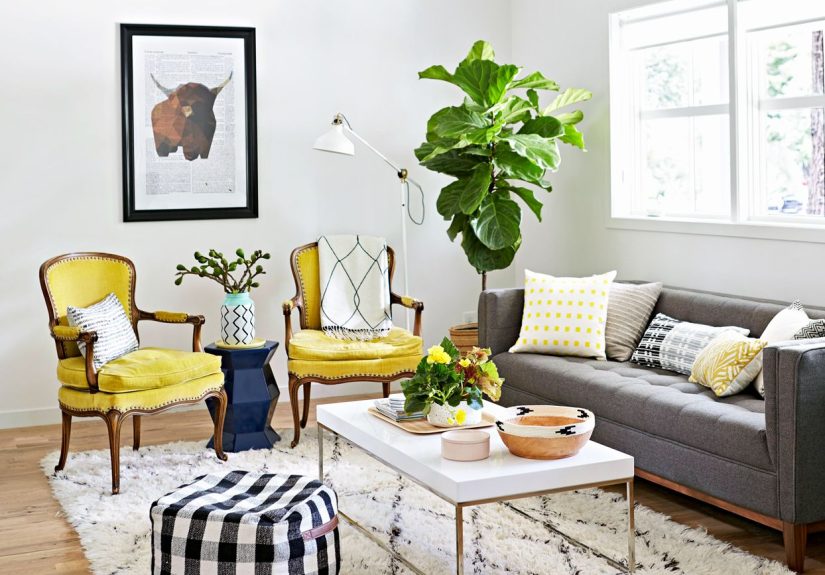
The fiddle-leaf fig is the celebrity indoor tree: dramatic, photogenic, and just demanding enough to keep things interesting. Its large, violin-shaped leaves make it perfect for modern living rooms, bright bedrooms, and empty corners that need instant style.
Best for: Bright rooms with filtered sunlight.
Care tip: Give it bright, indirect light, rotate it regularly, and water when the top few inches of soil feel dry. Avoid cold drafts, sudden moves, and overwatering. This plant likes consistency more than a toddler likes snacks.
2. Rubber Tree
The rubber tree is one of the most reliable indoor trees for people who want bold foliage without constant drama. Its thick, glossy leaves come in deep green, burgundy, and variegated varieties, making it a handsome choice for offices, bedrooms, and living spaces.
Best for: Beginners who have medium to bright indirect light.
Care tip: Keep the soil lightly moist during active growth, but let the top layer dry before watering again. Wipe the leaves occasionally so they can shine like they just discovered skincare.
3. Money Tree
The money tree is cheerful, adaptable, and often sold with a braided trunk that looks far fancier than its care routine. It has bright green, hand-shaped leaves and a tidy growth habit, making it a great indoor tree for apartments and desks that need vertical interest.
Best for: Bright indirect light and moderate watering.
Care tip: Water when the top inch or two of soil dries out. Money trees appreciate humidity but do not like sitting in water. Use a pot with drainage, because prosperity should not come with root rot.
4. Parlor Palm
The parlor palm has been popular since Victorian homes decided every sitting room needed a little jungle. It is elegant, slow-growing, and more tolerant of lower light than many indoor trees. Its soft fronds add movement without taking over the room.
Best for: Low to medium light rooms and beginners.
Care tip: Let the soil dry slightly between waterings, keep it away from cold drafts, and trim brown tips only when needed. This palm does not want to be fussed over, which is honestly refreshing.
5. Areca Palm
Areca palm brings a breezy, tropical feel with feathery fronds that spread beautifully in bright rooms. It is excellent for filling an empty corner or creating a soft green screen near a window.
Best for: Bright indirect light and a little extra humidity.
Care tip: Keep the soil evenly moist but not soaked. Brown tips often mean dry air, underwatering, mineral buildup, or a combination of tiny plant grievances. Use filtered water if your tap water is very hard.
6. Dragon Tree
The dragon tree, often sold as Madagascar dragon tree, is a low-maintenance indoor tree with slender trunks and spiky green leaves edged in red or pink. It looks architectural, grows slowly, and tolerates the occasional missed watering.
Best for: Modern spaces, offices, and plant beginners.
Care tip: Place it in bright indirect light for best color, though it can tolerate lower light. Let the soil dry partly between waterings. Keep in mind that many dracaena plants are not ideal for pets that chew plants.
7. Corn Plant
The corn plant is another dracaena with a tree-like form and broad green leaves often striped with yellow or lime. It is one of the easiest indoor trees for creating height in a corner without needing a greenhouse-level routine.
Best for: Medium light, offices, and relaxed plant owners.
Care tip: Water when the top portion of soil dries. Avoid fluoride-heavy water if leaf tips brown easily. Like other dracaenas, it prefers warm indoor temperatures and should be kept away from chilly windows.
8. Norfolk Island Pine
Norfolk Island pine looks like a miniature evergreen, but it is actually a tropical, pine-like conifer. It is popular during the holidays, yet it can stay attractive all year with its soft, tiered branches and gentle forest mood.
Best for: Bright windows and people who love calm, symmetrical plants.
Care tip: Give it bright light, rotate it for even growth, and keep the soil lightly moist but never soggy. It appreciates humidity, especially in winter when indoor air gets dry enough to make everyone reach for lip balm.
9. Olive Tree
An indoor olive tree adds Mediterranean charm with silvery-green leaves and a sculptural trunk. It is beautiful in minimalist, farmhouse, and coastal interiors, but it is not the right choice for a dark hallway. Olive trees want sun, and they are not shy about it.
Best for: Very bright, sunny windows.
Care tip: Use a fast-draining mix and let the soil dry between waterings. Olive trees prefer drier air than many tropical plants, so skip the misting. If your home lacks strong sunlight, this tree may sulk with remarkable commitment.
10. Bird of Paradise
Bird of paradise is the indoor tree for people who want giant tropical leaves and vacation energy. Indoors, it may not bloom often, but its upright banana-like foliage is dramatic enough to carry the room without flowers.
Best for: Large rooms with bright light.
Care tip: Provide bright light, some direct sun if acclimated, and steady moisture during active growth. It likes warmth and humidity. Give it space, because those big leaves do not believe in personal bubbles.
11. Schefflera
Schefflera, also called umbrella tree, has glossy leaflets arranged like tiny green umbrellas. It can grow tall indoors and is easier than many ficus trees, making it a smart choice for people who want a leafy tree without needing a plant therapist.
Best for: Bright indirect light and medium-maintenance homes.
Care tip: Let the top of the soil dry before watering. Prune leggy stems to keep the plant full, and rotate it so it does not lean dramatically toward the window like it heard gossip outside.
12. Weeping Fig
Weeping fig is a classic indoor tree with small, glossy leaves and graceful arching branches. It looks refined and can grow into a true statement plant, but it dislikes sudden changes. Move it, chill it, or overwater it, and it may drop leaves in protest.
Best for: Stable locations with bright indirect light.
Care tip: Choose a spot and keep it there. Water when the topsoil dries, avoid drafts, and expect some leaf drop after bringing it home. It is not dying; it is adjusting with theatrical flair.
13. Yucca Cane
Yucca cane has stiff, sword-like leaves and rugged trunks that bring desert-modern style indoors. It is tough, drought-tolerant, and ideal for people who prefer plants that do not need emotional support every weekend.
Best for: Bright light and forgetful waterers.
Care tip: Let the soil dry well between waterings and use a container with excellent drainage. Yucca can handle dry indoor air better than many tropical trees. It is commonly listed as toxic to pets, so place it thoughtfully.
14. Ponytail Palm
The ponytail palm is not a true palm, but it earns a spot here because its bulbous trunk and fountain of curly leaves create a delightful tree-like silhouette. It stores water in its swollen base, making it one of the most forgiving indoor trees.
Best for: Sunny rooms and low-maintenance plant owners.
Care tip: Use a cactus or succulent mix and water sparingly. Let the soil dry between drinks. Overwatering is the main danger, so resist the urge to love it with a watering can.
15. Jade Tree
Jade plant can become a charming miniature indoor tree over time, with thick branches and rounded, fleshy leaves. It is compact compared with palms or ficus trees, but it brings a bonsai-like quality that works beautifully on plant stands, shelves, and sunny windowsills.
Best for: Bright light, small spaces, and patient growers.
Care tip: Plant jade in a fast-draining succulent mix and water only when the soil is dry. Too much water causes trouble quickly. Give it strong light to keep growth compact and sturdy.
Indoor Tree Care Tips That Actually Matter
Use drainage holes, not wishful thinking
A beautiful pot without drainage is basically a decorative swamp in training. Most indoor trees need water to pass through the soil and out the bottom. If you love a sealed decorative planter, use it as a cachepot: keep the tree in a plastic nursery pot inside it, remove the plant to water, let it drain, then return it.
Rotate your tree
Plants lean toward light. Rotate indoor trees every week or two to encourage even growth. This is especially useful for fiddle-leaf fig, rubber tree, Norfolk Island pine, and schefflera. A quarter turn can prevent your tree from developing the posture of someone reading texts at midnight.
Dust the leaves
Large leaves collect dust, which blocks light and makes the plant look tired. Wipe leaves gently with a damp cloth. This keeps rubber trees glossy, fiddle-leaf figs bold, and bird of paradise leaves looking photo-ready.
Fertilize during active growth
Most indoor trees benefit from fertilizer in spring and summer, when they are actively growing. In fall and winter, growth slows, so feeding should usually be reduced or paused. Always follow the label on your fertilizer. More plant food does not mean more plant happiness; sometimes it means crispy leaf edges and regret.
Watch for pests
Indoor trees can attract scale, spider mites, fungus gnats, and mealybugs. Check the undersides of leaves, stems, and soil surface. Isolate new plants for a couple of weeks when possible, especially if you already have a leafy collection. A quick inspection is easier than turning your living room into a bug courtroom.
Best Indoor Trees by Room
Living room
Choose statement plants such as fiddle-leaf fig, rubber tree, bird of paradise, olive tree, or areca palm. These trees have enough scale to balance sofas, bookcases, and media cabinets.
Bedroom
Try parlor palm, money tree, Norfolk Island pine, or dragon tree. These bring calm greenery without overwhelming the space. Place them where they receive suitable light and will not block walking paths.
Home office
Go for low-maintenance options like corn plant, dragon tree, rubber tree, or ponytail palm. They add life to video-call backgrounds and quietly improve the vibe when your inbox is acting like a villain.
Sunny kitchen or dining room
Olive tree, jade tree, ponytail palm, and bird of paradise can thrive in bright spots. Kitchens may also offer slightly higher humidity, which tropical plants often appreciate.
Personal Experience: What Indoor Trees Teach You After the First Few Months
Living with indoor trees teaches you things that plant tags never fully explain. The first lesson is that “bright indirect light” is not one mysterious setting. It can mean a few feet from a sunny window, behind a sheer curtain, or near an east-facing window where the morning sun is gentle. Once you start paying attention, your home becomes a little map of light. You notice which corner gets a golden hour glow, which shelf is basically a cave, and which window turns into a leaf toaster at 2 p.m.
The second lesson is that watering schedules are suggestions, not laws. A money tree in a warm, sunny room may need water sooner than the same plant in a cooler bedroom. A rubber tree in a small pot dries out faster than one in a large ceramic planter. Instead of watering every Saturday because the calendar says so, check the soil. Stick your finger in the top couple of inches. If it feels dry, water. If it feels damp, wait. This one habit saves more indoor trees than any fancy gadget.
Indoor trees also make you more patient. New plant owners often expect constant growth, but trees move at tree speed, which is not exactly breaking news speed. A Norfolk Island pine may grow slowly for months. A jade tree may quietly thicken its trunk over years. A fiddle-leaf fig may pause while adjusting to a new room, then suddenly push out a fresh leaf like it just remembered its job. That slow progress is part of the fun. You learn to celebrate small signs: a new bud, stronger stems, fewer brown tips, a plant that no longer looks offended by your apartment.
Another real-life discovery: placement matters as much as care. A tree can look amazing in a dark corner for a week and then slowly decline because design and biology are arguing. The best spot is where style and plant needs overlap. Sometimes that means moving a plant stand closer to a window. Sometimes it means choosing a parlor palm instead of an olive tree because your room is cozy but not sun-drenched. The most successful plant styling works with the home you actually have.
Finally, indoor trees make a room feel cared for. They add rhythm to daily life. You notice new leaves while making coffee. You rotate the pot after cleaning. You learn when the air gets dry in winter. You become the kind of person who says, “This corner needs a palm,” and somehow that sentence makes perfect sense. Indoor trees are not just decor. They are living accents that change with the seasons, reward observation, and make home feel a little softer, greener, and more alive.
Conclusion
The best indoor trees are not just beautiful; they are the ones that fit your light, lifestyle, and space. If you want bold drama, choose fiddle-leaf fig, bird of paradise, or rubber tree. If you want beginner-friendly greenery, try money tree, parlor palm, dragon tree, or corn plant. If your home is bright and dry, olive tree, ponytail palm, yucca cane, or jade tree may be a better match.
Start with one tree, learn its signals, and let the room evolve around it. A leafy accent does not have to turn your home into a full jungle overnight. One healthy indoor tree in the right place can make your space feel fresher, warmer, and more pulled together. And unlike another throw pillow, it might actually grow.