Table of Contents >> Show >> Hide
- Before You Reuse Coffee Grounds: Dry Them First
- 1. Add Coffee Grounds to Compost
- 2. Feed a Worm Bin
- 3. Improve Garden Soil Through Finished Compost
- 4. Make a Mild Garden Mulch Mix
- 5. Use Coffee Grounds as a Natural Deodorizer
- 6. Freshen Shoes and Gym Bags
- 7. Scrub Pots, Pans, and Grill Grates
- 8. Clean Fireplace Ash More Neatly
- 9. Make a DIY Hand Scrub
- 10. Create a Body Scrub
- 11. Try a Scalp Scrub Before Shampooing
- 12. Make a Natural Dye for Paper and Fabric
- 13. Touch Up Small Wood Scratches
- 14. Make a Coffee-Scented Candle or Wax Melt
- 15. Use Coffee Grounds for Craft Texture
- 16. Keep a Small Jar for Garage and Workshop Cleanup
- What Not to Do With Used Coffee Grounds
- How to Store Used Coffee Grounds for Later
- Personal Experience: What Actually Works Best at Home
- Conclusion
Used coffee grounds are the tiny brown leftovers most of us toss without a second thought. They sit in the filter, looking tired, damp, and dramatically unemployed. But before you send them to the trash like yesterday’s news, consider this: those grounds can still work around the house, garden, garage, and beauty cabinet.
In the United States, coffee is practically a household appliance in liquid form. Millions of people brew it daily, which means millions of scoops of spent grounds are created before breakfast even gets serious. Reusing coffee grounds is a simple way to reduce waste, save money, and replace a few store-bought products with something you already have. The trick is knowing where coffee grounds shineand where they should politely stay away, like your kitchen drain.
This guide covers 16 creative uses for used coffee grounds, from composting and deodorizing to scrubbing pans, refreshing shoes, dyeing paper, and giving your garden a little organic boost. Some uses are practical, some are surprisingly fun, and a few make you wonder why we ever treated coffee grounds like trash in the first place.
Before You Reuse Coffee Grounds: Dry Them First
Most creative uses for used coffee grounds work better when the grounds are dry. Wet grounds can clump, stain unexpectedly, or grow mold if left in a sealed container too long. To dry them, spread the used grounds in a thin layer on a baking sheet, paper towel, or reusable tray. Let them air-dry for a day or two, stirring once if needed. For faster drying, place them in a low oven for a short time and let them cool completely before storing.
Once dry, keep the grounds in a jar, paper bag, or breathable container. Label it unless you enjoy the thrilling kitchen mystery of “Is this coffee, soil, or something I should apologize for?”
1. Add Coffee Grounds to Compost
One of the best uses for used coffee grounds is composting. Although they look brown, coffee grounds are typically considered a “green” compost ingredient because they add nitrogen. Nitrogen helps feed the microorganisms that break down food scraps, leaves, and other organic materials into rich compost.
Add coffee grounds in moderation and balance them with “brown” materials such as dry leaves, shredded cardboard, paper, straw, or small twigs. Too many grounds can make the pile dense and soggy, so think of them as seasoning, not the entire soup. Used paper coffee filters can often go into the compost pile too, as long as they are unbleached or free of plastic coatings.
2. Feed a Worm Bin
If you have a vermicomposting bin, used coffee grounds can become worm buffet material. Red wigglers, the hardworking celebrities of worm composting, can process small amounts of coffee grounds along with fruit and vegetable scraps.
The key word is small. Worm bins need balance and moisture control, so do not dump a whole week of espresso pucks into the bin at once. Mix the grounds with shredded paper, crushed eggshells, and vegetable scraps. If the bin smells sour or feels too wet, pause the coffee grounds and add more bedding.
3. Improve Garden Soil Through Finished Compost
Coffee grounds are often praised as a direct garden fertilizer, but the smarter route is to compost them first. Finished compost containing coffee grounds can improve soil texture, support beneficial soil organisms, and help the soil hold moisture. That is especially useful in garden beds where sandy soil dries out too fast or clay soil needs better structure.
Avoid piling thick layers of fresh used grounds directly around plants. A dense coffee layer can crust over, repel water, and interfere with air movement. Also, caffeine residues may affect some seedlings. Composting first gives the grounds time to break down into a gentler, more plant-friendly material.
4. Make a Mild Garden Mulch Mix
Used coffee grounds can be added to a homemade mulch blend, but they should not be used as a thick standalone mulch. Mix a small amount with shredded leaves, bark fines, compost, straw, or untreated wood chips. This helps prevent clumping while still putting the grounds to work.
Spread the mixture lightly around established plants, keeping it away from stems and trunks. A thin layer can help moderate soil temperature and reduce moisture loss. Your plants get a tidier bed, and your coffee grounds get a second career in landscaping. Everybody wins, except maybe the weeds.
5. Use Coffee Grounds as a Natural Deodorizer
Dried used coffee grounds can help absorb unwanted odors. Place a small open bowl of dry grounds in the refrigerator, freezer, pantry, or under the sink. They work especially well in areas where smells linger, such as near trash cans or storage cabinets.
Replace the grounds every couple of weeks or whenever they lose their freshness. For a cleaner setup, put the grounds in a breathable cloth pouch or an old clean sock tied at the top. It is not glamorous, but neither is a fridge that smells like leftover fish and regret.
6. Freshen Shoes and Gym Bags
Shoes and gym bags can develop smells powerful enough to make houseplants lean away. Coffee grounds can help. Fill a small breathable sachet with dry used coffee grounds and place it inside shoes, lockers, or gym bags overnight.
Do not pour loose grounds directly into shoes unless you want your socks to look like they walked through a café compost bin. Use a pouch, coffee filter, muslin bag, or thin sock. This method is especially handy for sneakers, sports bags, and storage bins.
7. Scrub Pots, Pans, and Grill Grates
The gritty texture of coffee grounds makes them useful as a mild abrasive cleaner. Sprinkle a spoonful of used grounds onto a greasy pan, baking tray, or grill grate, then scrub with a sponge and a little dish soap. The grounds can help loosen stuck-on food without relying on harsh scouring powders.
Use caution on delicate, porous, white, or easily scratched surfaces. Coffee can stain, and the grit may be too rough for some finishes. Also, do not rinse large amounts down the sink. Wipe the grounds into the trash or compost after scrubbing, then rinse the item clean.
8. Clean Fireplace Ash More Neatly
Used coffee grounds can help control dust when cleaning a fireplace. Sprinkle slightly damp grounds over cool ashes before sweeping. The moisture and texture help weigh down the fine ash particles, making cleanup less smoky and less likely to turn your living room into a Victorian chimney scene.
Only use this method when ashes are completely cold. Never add coffee grounds to hot embers, and never assume a fireplace is safe just because it looks quiet. Safety first, cozy vibes second.
9. Make a DIY Hand Scrub
Garden dirt, garlic smell, onion odor, and garage grime can cling to hands like they signed a lease. Used coffee grounds make a simple hand scrub when mixed with a little liquid soap or gentle oil.
Rub a small amount between your hands, especially around nails and knuckles, then rinse well. The grounds provide exfoliation while the coffee scent helps reduce strong kitchen odors. Avoid using this scrub on cuts, irritated skin, or sensitive areas. For daily use, keep it gentleyour hands are not cast-iron skillets.
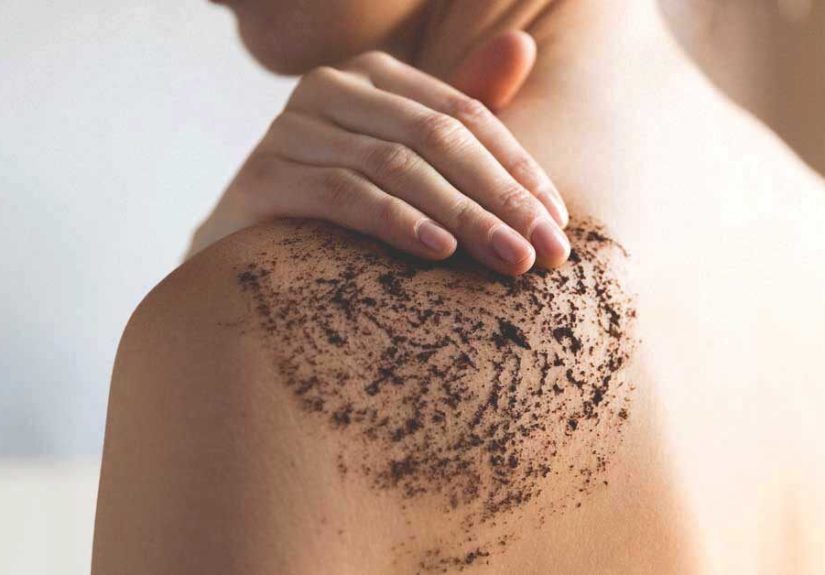
10. Create a Body Scrub
Coffee grounds are popular in homemade body scrubs because their texture helps remove dead skin cells. Mix dry used grounds with coconut oil, olive oil, honey, or a gentle body wash to create a quick exfoliating scrub for elbows, knees, feet, and rough patches.
Use light pressure and rinse carefully. Coffee scrubs can be messy in the shower, so place a drain catcher over the drain and avoid sending clumps of grounds into plumbing. Skip this method if your skin is irritated, sunburned, acne-inflamed, or very sensitive. Patch-test first, because skincare surprises are rarely the fun kind.
11. Try a Scalp Scrub Before Shampooing
Some people use coffee grounds as a pre-shampoo scalp scrub to help loosen product buildup and flakes. Massage a small amount of fine, damp grounds gently onto the scalp before shampooing, then rinse thoroughly and wash as usual.
This is best for people who can tolerate physical exfoliation. Avoid it if you have scalp irritation, open skin, psoriasis flare-ups, or very textured hair that may trap particles. If you try it, use a small amount first. Your goal is “fresh scalp,” not “why is there espresso in my hairbrush?”
12. Make a Natural Dye for Paper and Fabric
Coffee grounds can create warm tan, sepia, and light brown tones on paper, fabric, ribbon, tags, and craft projects. Simmer used grounds in water, strain the liquid, and soak the item until it reaches the shade you want. The result can look vintage, rustic, or pleasantly “old bookstore.”
This works beautifully for homemade gift tags, journaling paper, craft stationery, cotton fabric scraps, and costume projects. Always test first, because different fibers absorb color differently. Wash dyed fabric separately the first few times, and do not expect coffee dye to behave like commercial dye.
13. Touch Up Small Wood Scratches
For dark wood furniture, coffee grounds can help disguise tiny scratches. Mix used grounds with a few drops of water to make a paste. Rub it gently into the scratch with a cotton swab, let it sit briefly, then wipe away the excess.
This is not a professional refinishing method, and it will not fix deep gouges or damaged varnish. But for small marks on darker wood, it can reduce contrast enough to make scratches less noticeable. Test in a hidden area first, especially on valuable furniture.
14. Make a Coffee-Scented Candle or Wax Melt
Dried coffee grounds can add visual texture and a light coffeehouse feel to homemade candles or wax melts. Add a small amount to melted wax, pour into a heat-safe container, and let it set. Pair it with vanilla, cinnamon, cocoa, or unscented wax for a cozy aroma.
Use only fully dry grounds and follow candle-making safety rules. Too much organic material can affect how a candle burns, so keep the amount modest. If you are new to candle making, wax melts are often easier and safer because they do not involve an open flame.
15. Use Coffee Grounds for Craft Texture
Used coffee grounds can add realistic texture to art projects. Once dry, they can become “dirt” in dioramas, faux soil for artificial plant arrangements, textured paint for mixed-media art, or a gritty surface for handmade cards and school projects.
Mix dry grounds with glue, paint, or modeling paste to create depth. This is a budget-friendly way to make craft projects look earthy and natural. It is also a clever use for coffee grounds that are too old for beauty or deodorizing projects but still dry and clean.
16. Keep a Small Jar for Garage and Workshop Cleanup
Coffee grounds can be handy in garages and workshops for absorbing small oily residues from hands or tools. Mix dry grounds with dish soap to create a gritty cleaner for dirty hands after gardening, bicycle repair, or minor household fixes.
Use common sense: coffee grounds are not a replacement for proper degreasers, safety cleaners, or hazardous material disposal. But for everyday grime, they can help loosen dirt before a regular wash. Keep the jar labeled and away from moisture.
What Not to Do With Used Coffee Grounds
Do Not Pour Them Down the Drain
Coffee grounds may look harmless, but they can clump inside pipes, especially when mixed with grease, soap residue, and food particles. Even garbage disposals are not a magic escape tunnel. Put used grounds in compost, trash, or a reuse container instead.
Do Not Overload Houseplants
Sprinkling a little compost containing coffee grounds into soil is different from dumping wet grounds onto houseplants. Potted plants have limited soil volume, and excess grounds can create moisture problems, odors, fungus gnats, or nutrient imbalance.
Do Not Use Coffee Scrubs on Broken or Sensitive Skin
Coffee grounds are gritty. That is useful for scrubbing pans and rough heels, but not ideal for irritated skin. If you use them in skincare, keep the pressure light, avoid the face unless your skin tolerates exfoliation well, and patch-test first.
How to Store Used Coffee Grounds for Later
If you brew coffee daily, create a simple collection system. Keep a tray or shallow container near your coffee station. After brewing, spread the grounds out to dry. Once dry, transfer them to labeled jars based on use: “garden,” “cleaning,” “crafts,” or “deodorizer.”
For compost, you can store damp grounds for a short time, but sealed wet grounds may develop mold. Mold is generally not a problem in compost, but it is not something you want perfuming your kitchen. If you collect grounds from a coffee shop, use them quickly or store them outside in a covered container.
Personal Experience: What Actually Works Best at Home
After experimenting with used coffee grounds around the house, the most reliable uses are the simple ones. Composting is the clear winner. It takes almost no extra effort, and it makes you feel oddly responsible before 8 a.m. Instead of knocking the filter into the trash, you empty it into the compost bucket, add some dry leaves or shredded paper later, and move on with your day. No gadgets, no complicated recipe, no influencer-level mason jar choreography required.
The second best use is deodorizing. A small bowl of dry coffee grounds in the fridge can make a noticeable difference, especially after storing onions, takeout containers, or leftovers with big personalities. The trick is drying the grounds completely. Damp grounds can smell stale, which defeats the entire mission. Dry grounds in a shallow dish work much better and are easier to replace.
For cleaning, coffee grounds are surprisingly useful but should be treated like a specialty tool. They are great for scrubbing a greasy pan that already looks like it has given up on life. Add a little dish soap, sprinkle in grounds, scrub, and wipe the mess into the trash before rinsing. This method is satisfying in the same way peeling a sticker cleanly off a jar is satisfying. However, it is not ideal for every surface. White grout, pale countertops, and delicate finishes are not the place to test your coffee-powered optimism.
The hand scrub is another favorite, especially after chopping garlic or working with soil. A pinch of grounds mixed with soap helps remove stubborn smells and makes hands feel cleaner. Still, moderation matters. Coffee grounds are abrasive, so using them ten times a day would be overkill. Once in a while, after cooking or gardening, they are helpful. Every hour, like a caffeinated raccoon washing imaginary dishes, not so much.
The garden uses require the most restraint. Many people hear “coffee grounds are good for plants” and immediately imagine their tomatoes demanding a double espresso. In reality, plants prefer balance. Compost the grounds first or mix a small amount into mulch rather than piling them directly onto soil. When used carefully, grounds are a nice addition. When overused, they can clump, smell, or create problems for seedlings.
Crafting with coffee grounds is the most fun use. Coffee-dyed paper has a warm, antique look that is perfect for gift tags, recipe cards, scrapbooks, or homemade labels. The color is soft and imperfect, which is exactly the charm. It says “rustic handmade,” not “I dropped this in my mug,” assuming you strain the liquid well and let everything dry flat.
The biggest lesson is that used coffee grounds are useful, but they are not magic dust. They will not fix a dead plant, erase a deep furniture scratch, or transform your shower into a luxury spa without leaving a little cleanup behind. But when used in the right places, they are practical, cheap, and satisfying. They turn a daily waste product into something useful, which feels good in a small but real way. And honestly, any kitchen leftover that can deodorize a fridge, scrub a pan, feed compost, tint paper, and make your hands smell less like garlic deserves a little respect.
Conclusion
Used coffee grounds are one of the easiest household leftovers to reuse. They can enrich compost, help control odors, scrub dirty pans, refresh shoes, add texture to crafts, tint paper, and even become part of a simple body or hand scrub. The best results come from drying them first, using them in moderation, and matching the grounds to the right task.
Think of coffee grounds as a practical second-life ingredient. They are not perfect for everything, and they definitely do not belong down the drain. But with a little creativity, yesterday’s brew can become today’s garden helper, cleaning assistant, craft supply, and odor fighter. That is a pretty impressive résumé for something that started the morning stuck in a filter.
Note: For best results, dry used coffee grounds before storing, avoid using them on delicate surfaces, patch-test any skin use, and never pour large amounts into sinks or garbage disposals.