Table of Contents >> Show >> Hide
- A Simple Noodle Bowl Formula (So You Can Improvise Like a Pro)
- The 16 Noodle Bowl Recipes
- 1) Cold Sesame-Peanut Noodles With Cucumber (The “I’m Too Hot to Cook” Bowl)
- 2) Spicy Cashew-Scallion Noodles (Crunchy, Garlicky, Zero Apologies)
- 3) Instant Ramen Upgrade With Pork (or Tofu) and Bok Choy (15 Minutes, No Shame)
- 4) Creamy Vegan Miso Ramen (Rich Broth, No Animal Required)
- 5) Shoyu-Style Ramen Shortcut (Big Flavor, Weeknight Effort)
- 6) Vietnamese-Style Vermicelli Bowl With Lemongrass Chicken + Nuoc Cham
- 7) Lemongrass Tofu Vermicelli Bowl (Vegan, Bright, and Shockingly Satisfying)
- 8) Pad See Ew Bowl (Chewy Wide Noodles, Savory-Sweet Sauce)
- 9) Drunken Noodles (Pad Kee Mao) Bowl (Spicy, Herbaceous, Loud)
- 10) Khao Soi-Inspired Coconut Curry Noodle Bowl (Cozy With Crunch)
- 11) Laksa-Style Coconut Curry Noodle Soup (Malaysian Comfort in a Bowl)
- 12) Rainbow Peanut Noodle Bowl (Meal-Prep Friendly, Kid-Approved Energy)
- 13) Soba Noodle Bowl With Tofu + Ginger-Lime Dressing (Clean, Bright, Not Boring)
- 14) Classic Cold Soba With Dipping Sauce (Minimalist Slurp Therapy)
- 15) Japchae Bowl (Korean Glass Noodles, Sweet-Savory, Party-Worthy)
- 16) Bibim Guksu Bowl (Spicy Korean Cold Noodles, Peak Refreshing)
- Pantry Staples That Make Noodle Bowls Easy
- Make-It-Tonight Timing Tips (Because Hunger Is Not Patient)
- Kitchen Experiences: What Actually Happens When You Make Noodle Bowls (And How to Win)
- Conclusion: Your Bowl, Your Rules
Some nights you want a “real dinner,” but your energy is giving “sad granola bar.” Enter the noodle bowl: the quickest way to trick your brain into thinking you booked a table somewhere fabulous (when you’re actually wearing sweatpants and arguing with a pot of boiling water).
Noodle bowls work because they’re basically edible choose-your-own-adventure. Pick a noodle. Pick a sauce or broth. Add a protein (or don’t). Toss in something crunchy and something green. Finish with one loud, happy topping chili crisp, lime, fried egg, chopped peanuts, toasted sesamethen slurp like you mean it.
Below are 16 weeknight-friendly noodle bowl recipes you can make tonight, including cozy soups, spicy stir-fries, and cold bowls for when you can’t be trusted around a hot stove. Each one includes the “why it works” plus easy swapsbecause dinner should adapt to you, not the other way around.
A Simple Noodle Bowl Formula (So You Can Improvise Like a Pro)
If you remember nothing else, remember this: noodles + big flavor + texture + freshness. A great bowl hits at least three of these: salty/umami, sour, sweet, spicy, and rich. Build the base (broth or sauce), then add contrast (crunchy veg, herbs, acid).
- Base: broth (ramen, pho-ish, curry) or sauce (sesame, peanut, soy, gochujang).
- Body: noodles + protein (egg, tofu, shrimp, chicken, pork, mushrooms).
- Brightness: lime/lemon, vinegar, pickles, herbs, scallions.
- Crunch: cucumbers, cabbage, bean sprouts, peanuts, sesame seeds, crispy shallots.
The 16 Noodle Bowl Recipes
1) Cold Sesame-Peanut Noodles With Cucumber (The “I’m Too Hot to Cook” Bowl)
Creamy sesame-peanut sauce clings to noodles, while cucumber brings that refreshing crunch. It’s cool, fast, and weirdly elegant for something you can make during a single podcast episode.
- Whisk peanut butter or tahini with soy sauce, rice vinegar, sesame oil, garlic, ginger, and a little honey/sugar.
- Toss with cooked, cooled noodles (spaghetti works; so do soba or ramen).
- Top with cucumbers, scallions, sesame seeds, and chili oil.
2) Spicy Cashew-Scallion Noodles (Crunchy, Garlicky, Zero Apologies)
This one’s for people who believe dinner should have texture that snaps. Toasted cashews + scallions + heat = a bowl that tastes like a mic drop.
- Make a quick sauce: soy sauce + sesame oil + chili paste + a splash of vinegar.
- Toss with hot noodles so the sauce melts into every strand.
- Finish with crushed toasted cashews and an avalanche of scallions.
3) Instant Ramen Upgrade With Pork (or Tofu) and Bok Choy (15 Minutes, No Shame)
Instant ramen isn’t “cheating” if you add protein and greens. It’s “resourceful.” The secret is a creamy element (tahini/peanut butter) plus something tangy (vinegar).
- Brown ground pork (or crumbled tofu) fast; add water/broth.
- Whisk in miso + tahini/peanut butter + rice vinegar; simmer.
- Add ramen noodles and bok choy; top with scallions, sesame, chili crisp.
4) Creamy Vegan Miso Ramen (Rich Broth, No Animal Required)
Miso ramen can be deeply satisfying without meat: miso for umami, sesame for richness, and a bold topping game (mushrooms, corn, scallions, crispy tofu).
- Simmer vegetable broth with miso, garlic, ginger, and sesame/tahini for body.
- Cook ramen noodles separately or right in the broth if you’re living dangerously.
- Top with sautéed mushrooms, greens, and a drizzle of chili oil.
5) Shoyu-Style Ramen Shortcut (Big Flavor, Weeknight Effort)
Shoyu ramen is basically “soy sauce broth done right.” You can build a fast version with good broth, soy sauce, aromatics, and a few classic toppings.
- Warm broth with soy sauce, a little mirin or sugar, and ginger/garlic.
- Add noodles; cook until just tender.
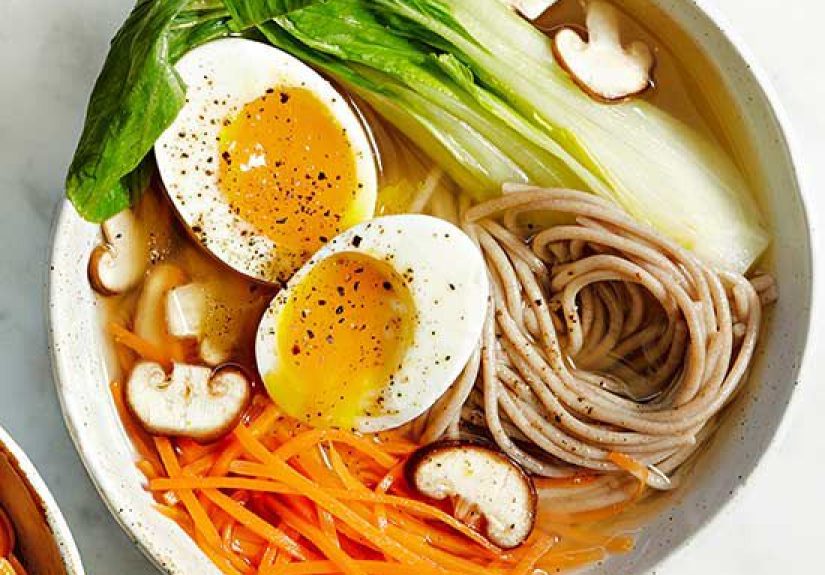
- Top with soft egg, scallions, nori, and whatever protein you’ve got.
6) Vietnamese-Style Vermicelli Bowl With Lemongrass Chicken + Nuoc Cham
This bowl is all about contrast: savory lemongrass chicken, cool herbs and veggies, and that sweet-sour-salty nuoc cham sauce that makes everything taste more alive.
- Marinate chicken with lemongrass (paste is fine), garlic, fish sauce/soy, and a touch of sugar.
- Cook rice vermicelli; rinse cool.
- Build bowls with lettuce, cucumber, herbs; drizzle nuoc cham; add crushed peanuts.
7) Lemongrass Tofu Vermicelli Bowl (Vegan, Bright, and Shockingly Satisfying)
Crispy tofu + vermicelli + crunchy veg is already great. Add a zingy dressing, and suddenly you’re the kind of person who “has fresh herbs on hand.”
- Pan-sear lemongrass-marinated tofu until golden.
- Toss vermicelli with cucumber, carrots, cabbage, mint/cilantro.
- Finish with a tangy dressing (lime + soy + a little sugar + chili).
8) Pad See Ew Bowl (Chewy Wide Noodles, Savory-Sweet Sauce)
Pad see ew is comfort food with a little swagger: wide rice noodles, egg, Chinese broccoli, and a soy-based sauce that’s sweet, salty, and a little smoky when cooked hot.
- Soften wide rice noodles; mix sauce (soy + dark soy if you have it + sugar + a splash of vinegar).
- Stir-fry protein (pork/chicken/tofu), then add egg and greens.
- Toss in noodles and sauce; cook until glossy.
9) Drunken Noodles (Pad Kee Mao) Bowl (Spicy, Herbaceous, Loud)
If pad see ew is a warm hug, drunken noodles are the friend who drags you to karaoke. Expect heat, garlic, and basil energy.
- Stir-fry garlic + chiles; add protein and vegetables.
- Toss in rice noodles and a sauce of soy + fish sauce (or extra soy) + a pinch of sugar.
- Finish with Thai basil and lime.
10) Khao Soi-Inspired Coconut Curry Noodle Bowl (Cozy With Crunch)
Northern Thai-style curry noodles are peak comfort: coconut curry broth, tender chicken, and a crunchy topping that makes every bite feel exciting.
- Simmer curry paste with coconut milk + broth; add chicken (or chickpeas).
- Serve over egg noodles (or wheat noodles).
- Top with crispy noodles or fried wonton strips, lime, cilantro, and pickled onions if you’re fancy.
11) Laksa-Style Coconut Curry Noodle Soup (Malaysian Comfort in a Bowl)
Laksa is rich, fragrant, and deeply slurpable. The shortcut is using a good curry paste, then balancing with lime and something fresh on top.
- Simmer laksa/curry paste in oil; add coconut milk + broth.
- Add shrimp, chicken, or tofu; cook gently.
- Pour over rice noodles; top with bean sprouts, herbs, lime, and crispy shallots.
12) Rainbow Peanut Noodle Bowl (Meal-Prep Friendly, Kid-Approved Energy)
This is the bowl you make when you want vegetables without feeling like you’re being punished. Peanut sauce makes everything taste like “yes.”
- Whisk peanut butter with soy sauce, lime, garlic, and warm water to thin.
- Toss with rice noodles and a pile of colorful veggies (shredded carrots, cabbage, peppers).
- Add edamame or rotisserie chicken for protein; sprinkle peanuts.
13) Soba Noodle Bowl With Tofu + Ginger-Lime Dressing (Clean, Bright, Not Boring)
Soba has a nutty bite that loves citrus and sesame. Pair it with silky tofu and snappy veg, and you’ve got a bowl that feels “light” but still feeds you.
- Whisk soy sauce + lime juice + sesame oil + ginger + a little sugar.
- Toss with soba and quick-blanched asparagus (or broccoli).
- Top with tofu, cilantro, and sesame seeds.
14) Classic Cold Soba With Dipping Sauce (Minimalist Slurp Therapy)
This is the “quiet luxury” of noodles: chilled soba, a savory-sweet dipping sauce, and a few sharp toppings (scallions, wasabi, daikon, nori). Simple, perfect.
- Mix dipping sauce: dashi (or broth) + soy sauce + mirin (or a pinch of sugar).
- Cook soba; rinse very well until cold.
- Serve with nori, scallions, and optional grated daikon; dip and slurp.
15) Japchae Bowl (Korean Glass Noodles, Sweet-Savory, Party-Worthy)
Japchae feels special, but it’s mostly: stir-fried vegetables + a sweet-savory soy-sesame dressing. Use beef, chicken, tofu, or go all-vegit’s forgiving.
- Cook sweet potato glass noodles; rinse and drain well.
- Stir-fry vegetables in batches so they stay vibrant (spinach, carrots, mushrooms, onions).
- Toss noodles with soy sauce, sugar, sesame oil; combine with veg; top with sesame seeds.
16) Bibim Guksu Bowl (Spicy Korean Cold Noodles, Peak Refreshing)
Bibim guksu is spicy, sweet, tangy, and ridiculously craveableespecially with crisp cucumber. If you have kimchi, it gets even better.
- Whisk sauce: gochujang + soy sauce + rice vinegar + sugar + sesame oil (plus kimchi juice if you have it).
- Toss with chilled thin noodles; add cucumber and optional kimchi.
- Top with sesame seeds and a jammy egg if you want extra comfort.
Pantry Staples That Make Noodle Bowls Easy
You don’t need a specialty store haul to make great noodle bowlsjust a few “flavor anchors.” Stock even half of these, and future-you will feel suspiciously capable on weeknights.
- Umami: soy sauce, miso, fish sauce (optional), oyster sauce (optional), bouillon or boxed broth.
- Acid: rice vinegar, limes, lemons.
- Heat: chili crisp, sriracha, sambal oelek, gochujang.
- Richness: sesame oil, tahini, peanut butter, coconut milk.
- Texture toppers: sesame seeds, peanuts, crispy shallots, scallions, nori.
Make-It-Tonight Timing Tips (Because Hunger Is Not Patient)
- Start water first. While it heats, whisk sauce and chop toppings.
- Cook noodles last minute. Toss immediately so they don’t clump or over-soften.
- Use shortcuts proudly. Rotisserie chicken, bagged slaw, frozen udon, and store-bought broth are all valid.
- Balance at the end. Taste, then add a final squeeze of lime or splash of vinegar to wake everything up.
Kitchen Experiences: What Actually Happens When You Make Noodle Bowls (And How to Win)
In real kitchens, noodle bowls tend to teach the same lessons again and againusually while you’re hungry. The first lesson: noodles have a dramatic personality. They go from “not done” to “too done” in the time it takes to answer one text. The most reliable move is to cook them just shy of perfect, because they’ll keep softening once they hit a hot broth or a warm sauce. If you’re making cold bowls, rinse thoroughly and shake off water like you’re trying to annoy the noodles into behaving. (Excess water = diluted sauce = sadness.)
Second lesson: sauce thickness is everything. Peanut and sesame sauces love to thicken as they sitso a sauce that looks “perfect” in the bowl can turn into edible spackle by the time the noodles are ready. Warm water is the diplomatic solution: add a tablespoon at a time until it becomes glossy and pourable. For brothy bowls, the opposite happens: a broth that tastes balanced in the pot can feel flat once noodles and toppings start drinking it like they pay rent. The fix is simple and very human: taste again at the end, then adjust with salt (soy/miso), acid (lime/vinegar), or heat (chili crisp). Most “my soup is missing something” moments are actually “my soup needs acid.”
Third lesson: texture is not optionalit’s the difference between “fine” and “I can’t stop eating this.” The best bowls have at least one crunchy element (cucumber, cabbage, sprouts, peanuts, crispy shallots) and one fresh element (herbs, scallions, citrus). Without crunch, hot bowls can feel one-note; without freshness, rich bowls can feel heavy. When you don’t have time to do a lot, do one small thing that changes the whole experience: slice scallions, toast sesame seeds for 60 seconds, crack a soft egg, or open the jar of chili crisp and commit.
Fourth lesson: leftovers behave differently depending on the bowl. Saucy noodle bowls often “drink” the sauce overnight. If you’re planning ahead, store noodles and sauce separately, then toss right before eating. For brothy bowls, keep noodles separate toootherwise they swell, hog the broth, and turn tomorrow’s lunch into a dense noodle sponge situation. Toppings also deserve respect: herbs wilt, cucumbers weep, and crispy things lose their crunch. Keep toppings in a little container, like a tiny gift to your future self.
Fifth lesson: noodle bowls are the friendliest way to clean out your fridge without it feeling like a punishment. Half a bell pepper, a handful of spinach, the last carrot, mystery mushroomsnearly all of it can become delicious with the right sauce. That’s why noodle bowls are so lovable: they’re flexible enough for weeknights, yet satisfying enough to feel like a “real meal.” Once you get comfortable with the basic balances (salty, sour, sweet, spicy, rich), you stop needing a strict recipe. You start cooking by instinctand honestly, that’s when dinner gets fun.
Conclusion: Your Bowl, Your Rules
If you’ve got noodles, you’ve got dinner. Pick one of these 16 bowls based on your moodcozy broth, spicy stir-fry, or cold and crunchythen customize with what you already have. The goal isn’t perfection. The goal is that first happy slurp that makes the whole day feel a little less serious.