Table of Contents >> Show >> Hide
- Why Calcium Matters (Beyond “Bones!”)
- How Much Calcium Do You Need Each Day?
- Calcium Absorption: The “It’s Not Just What You Eat” Part
- 17 High Calcium Foods (And How to Eat Them Without Getting Bored)
- 1) Ricotta Cheese
- 2) Yogurt (Plain or Greek)
- 3) Cow’s Milk (Including Lactose-Free)
- 4) Parmesan (and Other Hard Cheeses)
- 5) Fortified Plant Milk (Soy, Almond, Oat, etc.)
- 6) Calcium-Fortified Orange Juice
- 7) Calcium-Set Tofu
- 8) Canned Sardines (With Bones)
- 9) Canned Salmon (With Bones)
- 10) Collard Greens (Cooked)
- 11) Kale (Cooked)
- 12) Bok Choy (Cooked)
- 13) Broccoli Rabe (Cooked)
- 14) Soybeans (Including Edamame)
- 15) Navy Beans (and Other White Beans)
- 16) Chia Seeds
- 17) Dried Figs
- How to Hit Your Calcium Target Without Doing Math at Every Meal
- When Supplements Make Sense (and When They Don’t)
- of Real-Life Experiences With High-Calcium Eating
- Conclusion
Calcium has a reputation for being “that milk thing,” like it only lives in the dairy aisle and wears a tiny carton hat.
But calcium is actually the busy, behind-the-scenes mineral that helps your body do a whole lot more than build strong bones.
It’s involved in muscle contractions, nerve signaling, and even blood clottingso yes, calcium is basically a multitasker with a day planner.
The good news: You don’t need to chug a gallon of milk or gnaw on a chalk stick to get enough.
With the right mix of foodshello, ricotta; hi again, leafy greensyou can build a calcium routine that actually tastes like real life.
Let’s talk needs, absorption, and the 17 foods that bring serious calcium to the table.
Why Calcium Matters (Beyond “Bones!”)
Calcium is stored mostly in bones and teeth, which is why it gets top billing for skeletal health. But your body also uses
calcium in the bloodstream and soft tissues to keep muscles moving smoothly (including the heart), help nerves communicate,
and support normal hormone and enzyme function. When you don’t get enough calcium from food, your body can pull it from bone
to keep essential functions runningan unhelpful “borrow now, pay later” situation.
How Much Calcium Do You Need Each Day?
Needs vary by age and sex. Many adults aim for around 1,000 mg/day, while older adults (and women after midlife) often need more.
These targets include calcium from foods and supplements combined.
| Life stage | Recommended calcium (mg/day) |
|---|---|
| Adults 19–50 | 1,000 |
| Men 51–70 | 1,000 |
| Women 51–70 | 1,200 |
| Adults 71+ | 1,200 |
| Teens 14–18 | 1,300 |
One more number worth knowing: there’s also an upper limit. For most adults, the tolerable upper intake level is
about 2,500 mg/day (ages 19–50) and 2,000 mg/day (51+). Going above that regularlyespecially via supplements
can raise the risk of side effects and complications. Always a “more isn’t automatically better” moment.
Calcium Absorption: The “It’s Not Just What You Eat” Part
If calcium were a houseguest, vitamin D would be the friend who actually gets it in the door. Your body needs vitamin D to absorb calcium efficiently,
especially through active transport in the gut. So calcium-rich meals pair well with vitamin D sources (food, sunlight, or supplements if advised).
3 quick absorption rules that make life easier
- Spread calcium across the day. Your body tends to absorb moderate amounts better than one massive “calcium bomb” at dinner.
-
Watch the “binders.” Some plant compoundslike oxalates and phytatescan bind calcium and reduce bioavailability.
Example: spinach contains calcium, but its high oxalate content means much less of that calcium is actually absorbed. -
Think whole-bone teamwork. Calcium works alongside nutrients like protein, magnesium, and vitamin K.
You don’t need to micromanage every bitejust aim for variety over time.
17 High Calcium Foods (And How to Eat Them Without Getting Bored)
Calcium amounts vary by brand, recipe, and serving sizeespecially for fortified foods. Use these as reliable ballparks,
then check nutrition labels for the exact numbers in your kitchen.
1) Ricotta Cheese
Ricotta is creamy, versatile, and surprisingly calcium-forward. Depending on the type and serving size, you can get roughly
~300+ mg per common portion (think around 1/2 cup or a few ounces).
Try it: Spread ricotta on toast with honey and berries, or stir it into warm pasta with lemon, peas, and black pepper.
2) Yogurt (Plain or Greek)
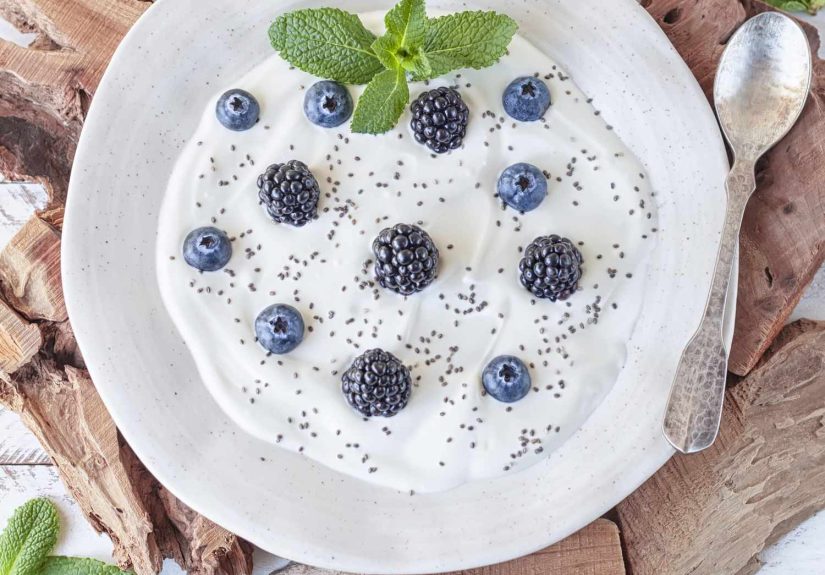
Yogurt is a calcium classic, often landing around ~300 mg per 6-ounce serving (and sometimes more, depending on the style).
Bonus: many yogurts contain live cultures, which some people find easier to tolerate than straight milk.
Try it: Make a savory yogurt bowl with cucumber, olive oil, herbs, and chickpeaslike a shortcut tzatziki dinner.
3) Cow’s Milk (Including Lactose-Free)
One cup of milk typically provides about ~300 mg of calcium. If lactose bothers you, lactose-free milk usually keeps the calcium
while skipping the discomfort.
Try it: Use milk in oatmeal, chia pudding, or a smoothiecalcium that doesn’t feel like a “glass of milk assignment.”
4) Parmesan (and Other Hard Cheeses)
Parmesan is calcium-dense. A small 1-ounce sprinkle can deliver roughly ~330 mgwhich is impressive for something you usually
add with dramatic flair over pasta.
Try it: Add Parmesan to soups, roasted vegetables, or popcorn (yes, popcorntrust the process).
5) Fortified Plant Milk (Soy, Almond, Oat, etc.)
Fortified plant milks can range widely, but many land around ~200–400 mg per cup. The key word is fortifiedcheck the carton.
Shake before pouring, because added minerals can settle.
Try it: Use fortified soy milk in coffee, cereal, or creamy soups. (Your latte can be doing real work.)
6) Calcium-Fortified Orange Juice
Fortified orange juice often provides about ~300 mg per 8 ounces. It’s a handy option if you don’t do dairy,
just keep an eye on portions if you’re watching added sugars.
Try it: Pair a small glass with breakfast, or freeze into pops for a summer snack that’s not just sugar on a stick.
7) Calcium-Set Tofu
Tofu can be a calcium powerhouse if it’s made with calcium salts (often listed as calcium sulfate). Depending on brand and firmness,
it can range from ~250 mg to well above 500 mg per serving.
Try it: Crispy baked tofu with a sesame-ginger sauce, or blend silken tofu into smoothies for a creamy boost.
8) Canned Sardines (With Bones)
Sardines are small, mighty, and loaded with calcium because the bones are soft and edible. A 3-ounce portion can provide roughly
~325–370 mg.
Try it: Mash sardines with lemon and mustard on toast, or toss with pasta, garlic, and parsley for a 10-minute dinner.
9) Canned Salmon (With Bones)
Canned salmon with bones is another stealthy calcium winoften around ~180–210 mg per 3 ounces.
The bones are tender; you can mash them right in.
Try it: Salmon patties with yogurt-dill sauce, or a grain bowl with salmon, greens, and a bright citrus dressing.
10) Collard Greens (Cooked)
Collards are one of the star leafy greens for calciumabout ~266 mg per cooked cup.
They also bring vitamin K to the party, which supports bone health in its own way.
Try it: Sauté with garlic and olive oil, add to soups, or use large leaves as a wrap for chicken or beans.
11) Kale (Cooked)
Cooked kale can provide around ~179 mg per cup. It’s also flexible: salad, sauté, soup, smoothiekale is ready for its close-up.
Try it: Massage raw kale with olive oil and lemon for a less-bitter salad, or simmer it into white bean soup.
12) Bok Choy (Cooked)
Bok choy is mild, crunchy, and a great calcium-rich greenroughly ~160 mg per cooked cup.
It’s also quick to cook, which is perfect for weeknights.
Try it: Stir-fry with tofu, mushrooms, and a simple soy-ginger sauce.
13) Broccoli Rabe (Cooked)
Broccoli rabe (rapini) has a pleasantly bitter edge and provides around ~100 mg per cooked cup.
Try it: Sauté with garlic and chili flakes, then pile onto pasta with Parmesan for a calcium tag-team.
14) Soybeans (Including Edamame)
Soybeans can bring solid calcium plus proteinaround ~175 mg per cooked cup in some references.
Edamame amounts vary, but it’s a tasty way to build a calcium-supporting meal.
Try it: Edamame tossed with sea salt as a snack, or blended into a bright green edamame “hummus.”
15) Navy Beans (and Other White Beans)
Beans aren’t just fiber heroes. Navy beans can provide roughly ~120–130 mg per cooked cup (values vary by source and preparation).
They’re easy to use as a base for calcium-friendly soups and dips.
Try it: White bean dip with lemon and garlic, or a classic bean-and-greens stew with kale or collards.
16) Chia Seeds
Small but serious: 1 ounce of chia seeds provides about ~179 mg of calcium.
Because you usually eat chia in combos (pudding, smoothies), it’s easy to stack calcium without thinking too hard.
Try it: Chia pudding with fortified milk and berriesdessert vibes, functional results.
17) Dried Figs
Dried figs are a sweet way to add calcium. Portions matter a lot here; different serving sizes can range from “nice little boost”
to “surprisingly significant.” Think of figs as a snack add-on that helps close the calcium gap.
Try it: Chop dried figs into oatmeal, salads, or yogurt, or pair with nuts and cheese for a snack plate that feels fancy.
How to Hit Your Calcium Target Without Doing Math at Every Meal
If you aim for roughly 1,000 mg/day, the easiest strategy is building a few “calcium anchors” you repeat:
one at breakfast, one at lunch, one at dinner, plus a snack if needed.
Example day (mix-and-match)
- Breakfast: Yogurt + chia + fruit (or fortified plant milk in oatmeal)
- Lunch: White bean soup with kale + Parmesan
- Dinner: Stir-fry with calcium-set tofu + bok choy
- Snack: Ricotta toast or a small glass of fortified orange juice
Notice what’s missing? The “perfect” diet. This is about consistent, realistic choices that add uplike putting pennies in a jar,
except the jar is your skeleton and the pennies are… way more delicious.
When Supplements Make Sense (and When They Don’t)
Food-first is usually the simplest route, but supplements can be useful for people who can’t meet needs through diet alone,
have higher requirements, or have medical reasons affecting absorption. The main caution is not to overshoot:
total calcium (food + supplements) that regularly exceeds the upper limit can cause problems.
If you have kidney disease, a history of kidney stones, or take medications that interact with calcium, it’s especially smart
to talk with a clinician about what’s appropriate for you. (Calcium is helpful; surprise calcium complications are not.)
of Real-Life Experiences With High-Calcium Eating
Here’s what people often discover once they actually try to “eat more calcium” in the real worldaka, the place where meetings run long,
grocery lists get ignored, and dinner sometimes becomes “whatever is closest to the front of the fridge.”
First, most folks realize calcium is easiest when it’s built into foods they already like. Ricotta is a perfect example.
It doesn’t feel like a “health food,” so it slips into your routine without drama. People add it to pasta for creaminess, dollop it onto pancakes,
or mix it with cocoa and a little maple syrup for a quick dessert. The experience is usually: “Wait… I’m doing something good for my bones and it tastes
like brunch?” That’s a win.
Then there’s the leafy greens reality check. Many people start with good intentions“I’ll just eat more greens”and immediately meet the
practical question: “How?” The trick is cooking methods. Collards and kale become way more approachable when sautéed with garlic, simmered into soup, or
stirred into beans. A common experience is that greens feel less like a chore when they’re part of a familiar comfort meallike a hearty white bean stew
instead of a lonely salad that tastes like it’s mad at you.
Another frequent discovery: fortified foods can quietly carry the load. Someone who doesn’t eat dairy might assume they’re doomed to
calcium deficiency forever, then find a fortified soy milk they actually enjoy in coffee. Or they start using fortified orange juice a few times a week
and suddenly their daily total looks a lot healthierwithout changing their entire personality.
Seafood brings its own “aha” moments. People who try sardines often expect it to be a hardcore culinary dare. But once they try the classicstoast with
lemon, mustard, and herbs; pasta with garlic and olive oilmany end up pleasantly shocked. The experience is usually: “This is… actually good?” Yes.
And canned salmon with bones is the quieter cousin: it disappears into patties, salads, and bowls, adding calcium without announcing itself.
Finally, the most helpful experience people share is learning that calcium works best as a pattern, not a one-day project. If you miss
the mark today, you don’t “fail.” You just try again tomorrow with one smart anchoryogurt at breakfast, tofu at dinner, greens in soup, ricotta as a snack.
Over time, those small, repeatable choices feel less like nutrition homework and more like normal eating that happens to support strong bones.
Conclusion
Getting enough calcium doesn’t require a rigid meal plan or a dairy-only lifestyle. With a mix of ricotta, yogurt, fortified options, calcium-set tofu,
canned fish with edible bones, beans, seeds, and leafy greens like collards and kale, you can build a flexible approach that fits your taste and schedule.
Aim for consistent “calcium anchors,” pair them with vitamin D-friendly habits, and keep your strategy simple enough to repeatbecause the best nutrition plan
is the one you’ll still be doing next week.