Table of Contents >> Show >> Hide
- Why Happiness in Old Age Matters
- 18 Ways to Live Happily During Old Age
- 1. Move Your Body Every Day
- 2. Build Strength and Balance, Not Just Endurance
- 3. Protect Your Sleep Like It Is a Priceless Family Heirloom
- 4. Eat for Energy, Strength, and Enjoyment
- 5. Stay on Top of Checkups, Screenings, and Vaccines
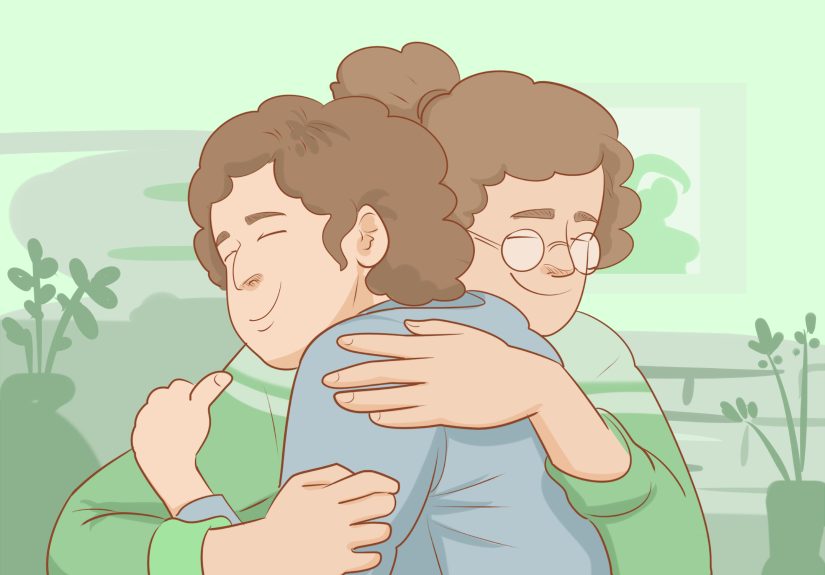
- 6. Make Social Connection a Real Priority
- 7. Keep Making New Friends
- 8. Spend Time Across Generations
- 9. Keep Learning New Things
- 10. Hold On to Hobbies That Make You Lose Track of Time
- 11. Let Creativity Have a Seat at the Table
- 12. Build a Sense of Purpose
- 13. Ask for Help Before You Absolutely Need It
- 14. Make Your Home Safer and Easier to Live In
- 15. Protect Your Hearing and Vision
- 16. Treat Mental Health Like Part of Health
- 17. Keep a Flexible Identity After Retirement or Loss
- 18. Practice Noticing Everyday Joy
- Simple Habits That Make Happy Aging Easier
- Final Thoughts on Living Happily During Old Age
- Experiences That Show What Happy Aging Really Looks Like
- SEO Tags
Growing older gets a strange amount of bad press. Somewhere along the way, society decided that aging should be treated like a plot twist nobody asked for. But the truth is much more interesting: old age can be full of humor, purpose, connection, freedom, and the kind of perspective that only comes from having survived awkward hairstyles, questionable trends, and several generations of “must-have” kitchen gadgets.
Living happily during old age does not mean pretending life is perfect. It means building habits, relationships, and routines that support joy even when your back occasionally sends strongly worded complaints. Research on healthy aging consistently points to a simple idea: happiness later in life is not based on one magic trick. It is usually built from many small choices that protect physical health, support mental well-being, strengthen social ties, and help people stay engaged with life.
This guide explores 18 practical ways to age well, feel more fulfilled, and create a life that still feels meaningful, fun, and deeply your own. None of these ideas require becoming a kale smoothie evangelist or running a marathon at sunrise. They are realistic, flexible, and grounded in what actually helps older adults stay healthier and happier over time.
Why Happiness in Old Age Matters
Happiness in later life is not a fluffy extra. It affects how people sleep, move, connect with others, handle stress, and maintain independence. A happy old age is often shaped by healthy aging habits such as regular movement, nutritious meals, social connection, preventive care, mental stimulation, and a sense of purpose. In other words, aging well is not about “staying young.” It is about staying engaged, supported, and alive to the good stuff.
18 Ways to Live Happily During Old Age
1. Move Your Body Every Day
Daily movement is one of the strongest habits for healthy aging. Walking, dancing in the kitchen, gardening, chair exercises, or a short bike ride can improve mood, support heart health, protect mobility, and help you sleep better at night. The goal is not athletic glory. The goal is to keep your body in friendly working order so it continues cooperating with your plans.
2. Build Strength and Balance, Not Just Endurance
A happy old age is easier when standing up, climbing stairs, and carrying groceries do not feel like extreme sports. Strength training and balance work help older adults stay independent and reduce fall risk. Light weights, resistance bands, tai chi, sit-to-stand exercises, and guided balance classes can make a huge difference. Muscles are not just for beach photos; they are for freedom.
3. Protect Your Sleep Like It Is a Priceless Family Heirloom
Sleep often changes with age, but poor sleep should not be brushed off as “just getting older.” Better sleep supports memory, mood, energy, and overall quality of life. Keep a regular bedtime, get daylight during the day, avoid heavy meals late at night, and make the bedroom cool, dark, and quiet. If sleep problems keep hanging around like an uninvited relative, it is worth discussing with a doctor.
4. Eat for Energy, Strength, and Enjoyment
Healthy eating in later life is not about joyless plates of steamed sadness. It is about getting enough protein, fiber, healthy fats, vitamins, and minerals from meals that still taste good. Older adults often benefit from nutrient-dense foods such as fruits, vegetables, beans, whole grains, fish, eggs, dairy, nuts, and lean proteins. And yes, hydration matters too. Water is less glamorous than pie, but it does much better long-term work.
5. Stay on Top of Checkups, Screenings, and Vaccines
Preventive care helps catch problems early and supports independence. Regular visits can help manage blood pressure, diabetes, vision changes, hearing loss, medication side effects, depression, and other issues that quietly chip away at quality of life. The happiest older adults are not always the healthiest by luck. Often, they are simply people who pay attention before a small problem becomes a giant nuisance.
6. Make Social Connection a Real Priority
Loneliness is not just unpleasant; it can affect both physical and mental health. Staying connected with family, friends, neighbors, faith communities, or clubs supports emotional well-being and helps people feel anchored. Call somebody. Meet for coffee. Join a class. Accept the invitation. Social connection is one of the best predictors of a happier old age, and it rarely arrives by accident.
7. Keep Making New Friends
Many people assume friendship is something that mostly belongs to school years, early adulthood, or sitcom characters with suspiciously flexible schedules. Not true. New friendships in later life can bring laughter, belonging, routine, and emotional support. Senior centers, book clubs, exercise classes, volunteer groups, and community programs are full of people also hoping to meet someone they can complain to affectionately about weather and technology.
8. Spend Time Across Generations
Intergenerational connection can be a joy booster. Time with grandchildren, younger neighbors, students, or younger volunteers can add energy, perspective, and a welcome reminder that slang will continue mutating no matter how hard anyone tries to stop it. Older adults often gain a stronger sense of contribution from these relationships, while younger people benefit from wisdom, patience, and stories that no search engine can replace.
9. Keep Learning New Things
The brain remains capable of adapting throughout life. Learning a language app, trying watercolor painting, taking a history class, figuring out a smartphone feature, or finally understanding how online grocery delivery works can all keep the mind engaged. Learning does not need to be formal to matter. Curiosity itself is a powerful ingredient in aging well because it keeps life from shrinking into repetition.
10. Hold On to Hobbies That Make You Lose Track of Time
People who stay involved in meaningful activities often feel happier and more satisfied. Hobbies bring pleasure, structure, and identity. Reading, quilting, woodworking, birdwatching, cooking, music, photography, puzzles, and community theater all count. The right hobby is not the one that sounds impressive. It is the one that makes you think, “Oh wow, is it already dinner time?”
11. Let Creativity Have a Seat at the Table
Creative activities can support emotional well-being and help older adults feel more expressive, connected, and mentally active. Singing, painting, storytelling, dancing, journaling, and crafting are not childish. They are human. Creativity is especially helpful during transitions such as retirement, widowhood, or changes in health because it gives feelings somewhere useful to go besides the inside of your own head.
12. Build a Sense of Purpose
Purpose in later life does not have to mean launching a nonprofit or writing a memoir with a dramatic title. It can be as simple as caring for a garden, helping with a grandchild’s homework, mentoring someone, volunteering weekly, or being the person who always checks in on others. A sense of purpose helps people stay motivated, socially engaged, and emotionally steadier. It gives shape to the day.
13. Ask for Help Before You Absolutely Need It
Independence is valuable, but so is wisdom. Sometimes the smartest move is using support early rather than struggling in silence. That might mean accepting a ride, using grocery delivery, hiring help for heavy chores, joining a balance class, or talking to family about future plans. Happy aging often includes knowing when to be brave and when to be practical. The cane, the grab bar, and the pill organizer are not enemies. They are teammates.
14. Make Your Home Safer and Easier to Live In
A comfortable home supports confidence. Good lighting, nonslip rugs, grab bars, clutter-free walkways, supportive shoes, and easy-to-reach storage can reduce stress and lower fall risk. Small changes can protect independence in a big way. A home should not feel like an obstacle course designed by a dramatic television producer. It should make daily life simpler, calmer, and safer.
15. Protect Your Hearing and Vision
Hearing and vision changes can quietly affect mood, balance, communication, and social participation. If it becomes harder to follow conversations, read labels, or feel steady, do not just “tough it out.” Regular eye and hearing checks matter. Seeing and hearing well helps people stay connected, more confident, and more likely to remain active in the world around them.
16. Treat Mental Health Like Part of Health
Depression, anxiety, grief, and prolonged loneliness are not normal parts of aging that people should simply endure with a brave smile and a cup of weak tea. Emotional struggles deserve attention and care. Talking with a doctor, counselor, support group, faith leader, or trusted loved one can help. Strong mental health habits also include relaxation, prayer or meditation, journaling, time outdoors, and honest conversations.
17. Keep a Flexible Identity After Retirement or Loss
One of the biggest adjustments in old age can be identity. Retirement, bereavement, health changes, or moving to a new home can make people wonder who they are now. Happiness grows when older adults allow themselves to become more than one role. You may no longer be only the manager, caregiver, or spouse. You can also be a volunteer, artist, walker, mentor, student, neighbor, and friend. Life still has chapters left.
18. Practice Noticing Everyday Joy
Joy in old age is often wonderfully ordinary. Morning sunlight. A strong cup of coffee. A phone call from someone you love. A tomato from your own garden. A joke that still lands after forty years of marriage. Happiness is not always a fireworks show. Sometimes it is just the steady glow of small pleasures noticed on purpose. Gratitude does not erase hardship, but it helps keep hardship from taking over the entire room.
Simple Habits That Make Happy Aging Easier
If the full list feels overwhelming, start with a few basics: move daily, stay socially connected, eat well most of the time, protect sleep, keep up with preventive care, and keep your mind engaged. Those habits create momentum. Once life feels a little steadier, it becomes easier to add more joy, more purpose, and more confidence to the years ahead.
Final Thoughts on Living Happily During Old Age
The happiest older adults are not people with zero problems. They are usually people who keep participating in life anyway. They adapt. They stay curious. They let others help. They protect their health without becoming obsessed with perfection. They keep laughing, even when the knees pop like bubble wrap and every password suddenly looks like a government encryption experiment.
Old age can be rich with meaning, connection, humor, learning, contribution, and deep satisfaction. Aging well is not about denying change. It is about meeting change with good habits, supportive people, and enough self-respect to keep building a life that still feels good to live.
Experiences That Show What Happy Aging Really Looks Like
In real life, happy aging rarely looks dramatic. It often looks like a retired teacher who starts walking with neighbors every morning and ends up staying for coffee because nobody wants to stop talking. At first, the walks are about exercise. Then they become about friendship, laughter, neighborhood news, and the comfort of being expected. What began as a health habit quietly becomes a happiness habit.
It can also look like a widower who feels lost for months after retirement and loss, then joins a local library volunteer program one afternoon a week. He helps children pick books, talks with parents, and rediscovers the part of himself that loves being useful. He is not “busy” in the frantic middle-aged sense. He is engaged. His days begin to feel shaped again. That is often the difference between merely getting through old age and living it well.
For some people, happy old age begins with accepting help. An older woman who resisted using hearing aids for years finally gets them and suddenly realizes how much conversation she has been missing at family dinners. She laughs more. She joins in again. She feels less tired because she is no longer working overtime just to follow basic talk. The change is not cosmetic. It is social, emotional, and deeply practical. Sometimes quality of life improves because one stubborn battle is finally surrendered.
In many families, happiness in later life grows through small routines. A grandfather learns how to video call his grandkids and now reads them a bedtime story twice a week from three states away. A grandmother keeps a tiny herb garden on her porch and proudly treats basil like a celebrity. An older couple downsizes, not because they are “giving up,” but because they want a home that fits the life they live now. Less maintenance. More energy for things they enjoy. More room for peace.
There are also experiences of resilience. Someone develops balance issues, joins a strength and mobility class, and discovers that the class is half exercise and half comedy hour. The body gets stronger, but so does confidence. Another person begins journaling after a health scare and finds that writing helps turn fear into perspective. Someone else signs up for a beginner art class at age 76 and spends the first three sessions saying, “I’m terrible at this,” before becoming completely, gloriously obsessed with watercolor birds.
These experiences matter because they reveal a pattern: happiness in old age is often built, not found. It grows from participation, not perfection. It shows up when people stay connected, remain open to change, keep learning, and continue saying yes to life in whatever form is still possible. That is the quiet beauty of aging well. The joys may be smaller than they were at 25, but they are often deeper, steadier, and much more honest.