Table of Contents >> Show >> Hide
- What Is an Eastlake Pump Organ?
- Why Repurpose Instead of Restore?
- The Design Vision: From Silent Organ to Stylish Wine Bar
- How the Conversion Usually Works
- Design Ideas for a Pump Organ Wine Bar
- Practical Safety and Preservation Tips
- Why This Project Connects With Modern Homeowners
- Common Mistakes to Avoid
- Experience Section: Living With an 1800's Eastlake Pump Organ Wine Bar
- Conclusion
An 1800’s Eastlake pump organ repurposed into a wine bar sounds like the kind of sentence that makes antique purists clutch their pearls and DIY lovers reach for a screwdriver. Yet when the organ is damaged, silent, unwanted, and one curbside trip away from becoming landfill confetti, repurposing can become an act of rescue rather than rebellion.
Think about it: a late-19th-century pump organ already has everything a dramatic home bar wants. It has carved wood, a commanding silhouette, secret compartments, ornate panels, pedals, spindles, and enough Victorian personality to make a modern flat-pack cabinet look like it has stage fright. With careful planning, this forgotten parlor instrument can become a functional wine bar, coffee station, cocktail cabinet, or dining-room conversation piece that still honors its original craftsmanship.
This article explores the history, design logic, practical process, and lived experience behind turning an antique Eastlake pump organ into a beautiful wine bar. It is part furniture makeover, part preservation story, and part proof that old things do not always need to be restored to their first life to deserve a second one.
What Is an Eastlake Pump Organ?
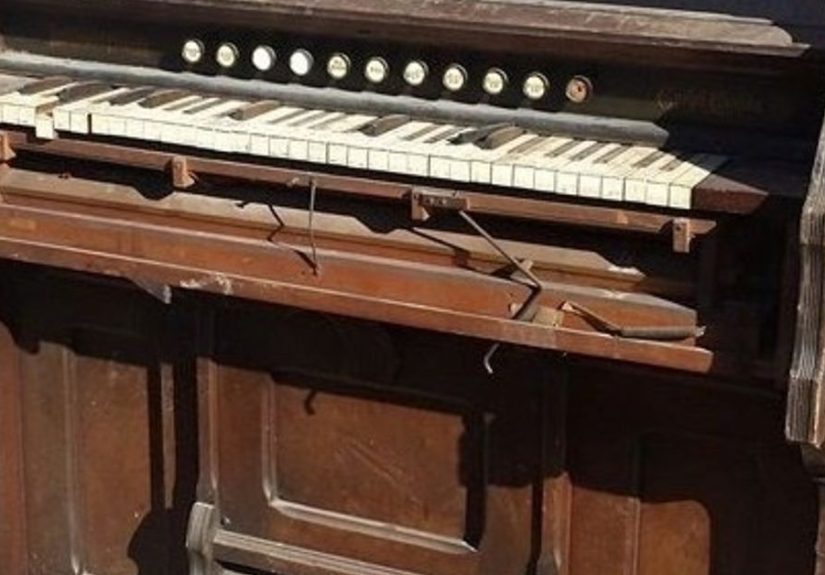
A pump organ, often called a reed organ or parlor organ, was a popular household instrument in the 1800s and early 1900s. Instead of using large pipes like a church organ, many parlor organs produced sound through reeds activated by air pressure. The player pumped foot pedals, which moved bellows and pushed air through the reeds. The result was a warm, hymn-friendly sound that filled parlors, churches, schools, and family gatherings long before Bluetooth speakers began interrupting dinner.
An Eastlake pump organ refers to a pump organ housed in cabinetry influenced by the Eastlake style, a late-Victorian design movement associated with Charles Locke Eastlake. Eastlake design rejected some of the heavy, overblown curves of earlier Victorian furniture and favored more geometric decoration, incised lines, low-relief carving, turned spindles, flat panels, and practical construction. In plain English: it was still fancy, but it did not need seventeen carved cupids hanging from the drawer pulls.
Why Eastlake Style Works So Well for a Wine Bar
Eastlake furniture is ideal for repurposing because its decorative language is structured and architectural. The flat surfaces can hold bottles, glasses, trays, and lighting. The vertical backboard creates a natural display area. The former keyboard space becomes a serving shelf. The lower cabinet can store wine bottles, bar tools, napkins, and accessories. Even the original pedals can remain as sculptural reminders of what the piece used to be.
That balance matters. A good repurposed antique does not erase the past. It lets the past sit at the bar, raise a glass, and say, “I still clean up nicely.”
Why Repurpose Instead of Restore?
Restoration is the right path when an antique organ is complete, historically significant, structurally sound, and musically repairable. In those cases, preserving the instrument as an instrument is the respectful choice. But many 1800s pump organs on the secondhand market are missing reeds, keys, backs, bellows, hardware, or internal parts. Some have been stored in damp basements, barns, garages, or sheds for decades. Others are beautiful on the outside but no longer practical or affordable to repair as working instruments.
When a piece is headed for the dump, a thoughtful conversion can preserve the most visible and meaningful parts of the object: the woodwork, silhouette, carvings, panels, and handmade charm. Reuse also aligns with sustainable design principles. Keeping an antique cabinet out of the landfill reduces waste, avoids the need for newly manufactured furniture, and gives a home something unique instead of another anonymous cabinet with an instruction manual written in mysterious hieroglyphics.
The Design Vision: From Silent Organ to Stylish Wine Bar
The best version of an antique pump organ wine bar begins with one rule: do not fight the piece. The organ already has a personality. It is tall, formal, decorative, and a little dramatic. The goal is not to make it look like it came from a minimalist showroom. The goal is to make it functional while preserving its Victorian soul.
A successful design typically includes a serving surface, bottle storage, glassware space, hidden storage, ambient lighting, and a finish that respects the age of the wood. Some makers choose a moody painted finish, such as black, charcoal, deep green, navy, or wine red. Others restore or stain the wood to highlight oak, walnut, cherry, or other period-appropriate tones. Reclaimed barn wood, beadboard, or antique-style hardware can help replace missing sections without making the repair look painfully new.
Keeping the Recognizable Organ Details
The most charming conversions keep the features that say, “Yes, I used to play hymns.” The pedals can remain below the cabinet. The roll-top key cover, if present, can become a clever way to hide corkscrews, cocktail picks, coasters, tasting notebooks, or chocolate that you definitely bought for guests. The carved crown and side spindles can frame the display. Even nonworking stops or knobs may remain as decorative details, provided they are secure.
That is what separates a thoughtful repurpose from a careless gut job. The finished piece should still read as an 1800s pump organ, not just a random cabinet that once lost a fight with a drill.
How the Conversion Usually Works
Every organ is different, but the basic process follows a similar path. First, the piece must be inspected. Is the cabinet stable? Are the legs solid? Is the back missing? Are there loose veneers, cracked panels, insect damage, mold, or water stains? If the organ is valuable, rare, or complete, it is wise to consult an antique specialist or reed organ restorer before removing anything.
If the organ is incomplete and clearly destined for reuse, the internal musical mechanisms can be removed carefully. This may include old bellows, broken reeds, damaged keys, disconnected stops, brittle cloth, and dust that seems to have been personally collected by every ancestor in the county. A mask, gloves, and good ventilation are smart. Antique furniture can hide dust, rodent debris, mildew, sharp nails, and other surprises that do not belong in your lungs or your Saturday.
Step 1: Clean and Stabilize the Cabinet
Before adding shelves or paint, clean the cabinet gently. Avoid soaking antique wood. Use a soft brush, vacuum with a brush attachment, and dry or lightly damp cloths depending on the condition of the finish. Harsh chemicals can damage old finishes, so test any cleaner in a hidden area. Loose joints should be repaired with appropriate wood glue and clamps. Missing screws can be replaced with hardware that fits the age and structure of the piece.
Step 2: Remove Nonfunctional Interior Parts
Once the cabinet is stable, remove the broken musical components. Save anything visually interesting: knobs, nameplates, pedals, decorative panels, or unusual hardware. These elements can be reinstalled as accents. The empty interior creates space for wine bottles, glass racks, small drawers, or a hidden shelf.
Step 3: Build the Bar Structure
The keyboard opening is often the natural place for a serving counter. A reclaimed wood board can be installed where the keys once sat. The back may be rebuilt with barn wood, beadboard, stained plywood, or salvaged paneling. A top shelf can display wine glasses, decanters, plants, framed menus, or small lighting. Lower storage can be fitted with bottle cubbies, a horizontal wine rack, or adjustable shelving.
For wine bottles sealed with corks, horizontal storage helps keep corks moist during longer storage. The bar should also be positioned away from strong sunlight, heating vents, and high-temperature areas. Wine prefers cool, steady conditions, and antique wood prefers stable humidity. Conveniently, both wine and Victorian furniture agree that direct heat is rude.
Step 4: Choose a Finish That Fits the Story
Finishing is where the project becomes personal. A stained finish emphasizes the original wood grain and works beautifully when the cabinet is in good condition. Paint can be appropriate when the original finish is badly damaged, mismatched, or beyond practical repair. Matte and satin finishes usually feel more antique-friendly than high gloss. Dark colors can highlight the carvings, while warm stains bring out the period character.
Protective topcoats are important because wine bars face drips, glass rings, sticky liqueur bottles, and the occasional guest who treats coasters like an optional philosophy. A durable clear coat, furniture wax over compatible finishes, or a sealed serving surface helps the piece survive real use.
Design Ideas for a Pump Organ Wine Bar
A repurposed organ can serve many styles, from farmhouse to Gothic revival to moody speakeasy. Here are practical design ideas that keep the piece useful without stripping away its history.
Classic Wine Bar Layout
Install horizontal bottle storage in the lower cabinet, a serving shelf where the keys were, and glass storage above. Add a small tray for openers, stoppers, foil cutters, and cocktail napkins. Keep the original pedals visible for character.
Coffee and Wine Hybrid Station
Not every hour is wine hour, despite what some Mondays suggest. A pump organ can become a dual-purpose coffee and wine bar with mugs on one side, stemware on the other, and a center surface for serving. The roll-top area can hide coffee pods, tea bags, corks, and small tools.
Moody Victorian Cocktail Cabinet
Paint the cabinet deep black, forest green, burgundy, or navy. Add warm LED lighting, brass hooks, antique mirror backing, and a small collection of spirits. This approach turns the organ into a dramatic parlor-bar centerpiece that looks like it knows everyone’s secrets.
Rustic Reclaimed Wood Bar
For a farmhouse look, pair the original Eastlake carving with reclaimed barn wood shelves. The contrast between refined Victorian lines and rough-sawn boards creates a relaxed, layered style. It is especially effective when the organ has missing back panels or damaged interior sections.
Practical Safety and Preservation Tips
A wine bar must be beautiful, but it also has to be safe. Antique pump organs are heavy and tall, so stability matters. Make sure the cabinet sits level and does not wobble. If the piece is placed on slick flooring or in a busy dining room, consider discreet wall anchoring. Shelves should be fastened securely and designed to handle the weight of bottles and glassware.
Lighting should be low-heat LED rather than hot bulbs. Avoid placing wiring near old fabric, fragile wood, or unfinished cavities without proper protection. If you add outlets, USB ports, or integrated lighting, use modern electrical components and safe installation practices. Antique charm is wonderful. Antique fire hazards are not.
For preservation, keep the organ bar away from direct sun, radiators, fireplaces, and damp exterior walls. Dust it regularly with a soft cloth. Use trays under bottles and decanters. Wipe spills immediately. Do not overload delicate decorative shelves. Remember, this cabinet may be over 130 years old. It has survived more administrations, fashion trends, and questionable wallpaper choices than any of us. Treat it kindly.
Why This Project Connects With Modern Homeowners
The popularity of repurposed furniture is not just about saving money. It is about personality. People want homes that feel collected, not copied. A converted Eastlake pump organ brings history into daily life. It gives guests something to ask about. It also avoids the bland sameness of mass-produced storage furniture.
There is also emotional appeal in giving a discarded object a new purpose. The organ may no longer sing, but it can still gather people. It can still stand in a dining room during birthdays, holidays, tastings, quiet evenings, and “we should open the good bottle” moments. In a way, that is not so different from its first life. It still supports ceremony. The soundtrack has simply changed.
Common Mistakes to Avoid
Destroying a Restorable Instrument
Before converting, evaluate whether the organ is complete or historically important. If it can be reasonably restored, consider selling or donating it to someone who restores reed organs. Repurposing is best reserved for damaged, incomplete, or unwanted pieces.
Over-Modernizing the Look
Ultra-modern hardware, glossy plastic finishes, or harsh colors can clash with Eastlake details. The most successful makeovers let old and new cooperate rather than compete.
Ignoring Weight and Balance
Wine bottles are heavy. Glassware is fragile. A tall cabinet can become unstable if weight is poorly distributed. Keep heavier bottles low and shelves well supported.
Skipping Surface Protection
A bar surface needs protection against moisture and stains. Even careful hosts spill. Less careful hosts spill and then say, “Oops,” while holding a full glass over a 19th-century cabinet. Prepare for both.
Experience Section: Living With an 1800’s Eastlake Pump Organ Wine Bar
The first thing you notice when an 1800’s Eastlake pump organ becomes a wine bar is that it changes the room before anyone opens a bottle. It has presence. A modern cabinet may store things quietly, but an organ bar announces itself like a dinner guest wearing velvet. It does not blend into the background. It becomes the background people want to stand near.
In real use, the best part is the layered functionality. The upper shelf becomes a natural display zone for glassware, small art, candles, or a framed tasting menu. The old keyboard area works beautifully as a serving ledge. It is the right height for pouring wine, arranging a small cheese board, or lining up glasses before guests arrive. The lower cabinet handles practical storage: bottles, openers, towels, bitters, cocktail napkins, and those oddly specific accessories people buy when they become “wine people.”
The roll-top cover, if the organ still has one, becomes unexpectedly useful. It can hide clutter in seconds. One moment the bar looks like a curated Victorian tasting station; the next, the corkscrew, bottle stoppers, receipt from the wine shop, and half-eaten packet of crackers disappear behind a sliding wooden curtain. This is the kind of design magic modern furniture often forgets to include.
Guests usually react in three stages. First, they ask, “Was this really an organ?” Then they look down and notice the pedals. Finally, they lean closer and inspect the carving. That small moment of discovery is what makes the piece special. It invites conversation without needing a label, a screen, or a complicated explanation. The furniture tells its own story.
There is also a practical learning curve. Antique cabinets are not perfectly square. Shelves may need custom fitting. Old wood can be harder, drier, or more brittle than expected. Screws may not behave. Measurements should be checked twice, then checked again because Victorian furniture sometimes enjoys making confident people humble. Patience matters more than speed.
Another experience worth noting is the emotional shift that happens during the project. At first, the organ may look like a dusty problem. It may smell like storage. It may have missing keys, torn bellows, loose trim, and a back panel that gave up sometime around the invention of the toaster. But as the structure is cleaned, repaired, and reimagined, the original craftsmanship starts to reappear. The carvings sharpen. The panels glow. The form makes sense again.
When the bar is finished, it feels less like a craft project and more like a rescue with a serving tray. The organ has not been returned to its original use, but it has been returned to usefulness. That distinction is important. Not every antique can or should become museum-perfect. Some pieces earn their future by adapting.
In everyday life, a pump organ wine bar works best as a slow-living object. It encourages people to pause. Choose a bottle. Pour carefully. Notice the wood grain. Ask where the piece came from. Laugh about the fact that something once used for hymns now stores Cabernet. That contrast is part of the charm.
The most satisfying experience is knowing the piece was saved. An unwanted organ headed toward disposal becomes a functional heirloom. It preserves old woodwork, reduces waste, and creates a home feature that cannot be ordered overnight in a cardboard box. It proves that reinvention does not have to erase history. Sometimes it simply gives history better lighting and a wine opener.
Conclusion
An 1800’s Eastlake pump organ repurposed into a wine bar is more than a clever DIY makeover. It is a bridge between Victorian craftsmanship and modern living. The project respects the organ’s decorative identity while giving it a new role in the home. With careful cleaning, structural repairs, smart shelving, safe lighting, and a finish that honors the piece, a silent pump organ can become a stunning wine bar that stores bottles, displays glassware, and starts conversations.
The key is thoughtful transformation. Preserve what makes the piece recognizable. Remove only what no longer serves. Build for safety. Protect the wood. Style it with restraint. When done well, the finished wine bar does not feel like a gimmick. It feels like an antique that finally found its next chapter.
And honestly, if a 19th-century organ can survive a century of dust, missing keys, and basement storage only to become the star of happy hour, there may be hope for all of us.