Table of Contents >> Show >> Hide
- What Is Talkspace in 2025?
- How Much Does Talkspace Cost in 2025?
- Pros of Talkspace in 2025
- Cons of Talkspace in 2025
- Who Is Talkspace Best For?
- How Talkspace Compares to Other Online Therapy Platforms
- Tips to Get the Most Out of Talkspace
- Real-World Experiences With Talkspace in 2025
- Final Verdict: Is Talkspace Worth It in 2025?
Online therapy has officially moved from “weird tech experiment” to a mainstream way to get mental health support.
Talkspace is one of the biggest names in the game, with over a million users and partnerships with major insurance
companies and employers across the United States.
In 2025, Talkspace is still a strong contender if you want flexible, app-based therapy but it’s not perfect,
and it won’t be the right fit for everyone.
This in-depth 2025 Talkspace review breaks down exactly how much it costs, what you actually get for your money,
the biggest pros and cons, and who should probably look elsewhere. Think of it as asking a very nerdy friend
who has read every review, checked all the fine print, and loves making comparison charts.
What Is Talkspace in 2025?
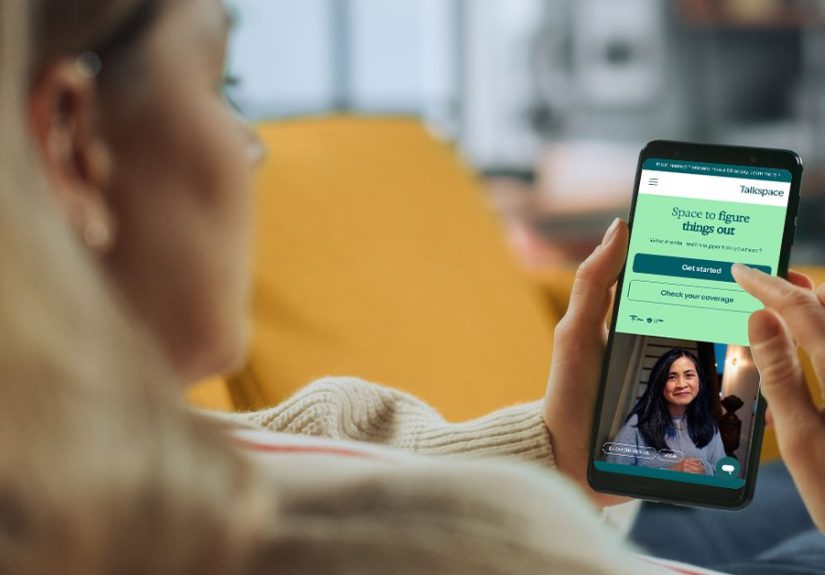
Talkspace is a subscription-based online therapy platform that connects you with licensed therapists and
psychiatric providers via a mobile app or web browser. Instead of driving to an office, you message your therapist,
schedule live video sessions, and manage your care from your phone or laptop.
In 2025, Talkspace offers:
- Individual therapy for adults
- Teen therapy (ages 13–17, with parental/guardian involvement)
- Couples therapy
- Psychiatry and medication management (in participating states)
- Workshops and live classes
- Talkspace Go, a self-guided mental wellness app with classes and tools
The platform is HIPAA-compliant, and therapists must be licensed in the state where you’re located.
Many providers specialize in areas like anxiety, depression, trauma, relationships, and workplace stress,
which makes it easier to match with someone who gets your specific situation.
How Much Does Talkspace Cost in 2025?
Let’s talk numbers, because “online therapy is affordable” means very different things depending on your budget.
Standard Therapy Plans (Out-of-Pocket Pricing)
If you’re paying out-of-pocket, Talkspace therapy plans in 2025 generally cost:
| Plan | What You Get | Approx. Weekly Cost | Approx. Monthly Cost |
|---|---|---|---|
| Messaging Therapy | Unlimited text, audio, and video messaging with responses 5 days/week; no live video sessions | From about $69/week | From about $276/month |
| Video + Messaging Therapy | Messaging plus up to four live video sessions per month | From about $99/week | From about $396/month |
| Video + Messaging + Workshops | Messaging, weekly live video sessions, plus live group workshops | From about $109/week | From about $436/month |
Exact pricing depends on your location, therapist availability, and current promotions, so your final number may
be slightly higher or lower.
Couples Therapy and Teen Therapy Pricing
Couples therapy on Talkspace typically uses the higher-tier plan that includes both live sessions and workshops,
with costs around $436 per month when paying cash. Teens are usually billed on the same structure as adults
(messaging-only vs. video + messaging), though availability and pricing can vary by state and insurance.
Psychiatry Costs
Talkspace also provides online psychiatry for diagnosis and medication management in eligible states.
Typical out-of-pocket prices are:
- Initial psychiatric evaluation: about $299
- Follow-up medication management visits: about $175 per session
These services are billed separately from therapy subscriptions, which means your medication appointments
are an additional cost.
Insurance, EAPs, and Ways to Save
One of Talkspace’s biggest advantages in 2025 is that it’s in-network with many major insurers and employee
assistance programs (EAPs). If Talkspace accepts your insurance, you might only pay a small copay instead of the
full subscription rate.
You may be able to:
- Use health insurance for all or part of your therapy costs
- Access free or low-cost sessions through an EAP benefit from your employer
- Pay with HSA or FSA funds for eligible services
- Apply promo codes or new-member discounts when available
If you have insurance, it’s worth checking your benefits first the difference between paying $400/month
and paying a $20 copay is huge.
Pros of Talkspace in 2025
Talkspace continues to be a popular choice for online therapy for a reason. Here are some of the standout benefits.
1. Flexible, Convenient Access
With Talkspace, your therapy “office” lives in your pocket. You can message your therapist from your couch,
your car (parked, please), or during your lunch break. Live video sessions are scheduled, but messaging is
asynchronous so you can write when you’re ready, not just when an appointment is on the calendar.
2. Unlimited Messaging Support
Most plans include unlimited text, audio, and short video messaging with responses from your therapist
five days a week. That means you can share thoughts in real time instead of saving everything for a weekly
50-minute session. Many users say this helps them feel more consistently supported and less “stuck” between sessions.
3. Multiple Plan Options and Workshops
Whether you want messaging-only support or full video sessions plus workshops, there’s a plan that matches your
comfort level and budget. The workshop-inclusive plan adds live group sessions on topics like anxiety,
relationship communication, and stress management a nice value for people who like structured learning.
4. Insurance-Friendly and Widely Available
Talkspace is available in all 50 U.S. states and has robust insurance partnerships, which is still relatively rare
in the online therapy space.
That combination makes it easier for many people to access care without paying full cash prices.
5. Evidence-Based and Research-Backed Platform
Multiple studies have found that online messaging-based therapy, including Talkspace, can effectively reduce
symptoms of depression and anxiety. A large longitudinal study of more than 10,000 Talkspace users reported
significant symptom improvement over several months of treatment.
6. Ability to Switch Therapists Easily
If the first therapist you’re matched with isn’t a good fit, you can request a change at no extra cost.
Given how much the therapeutic relationship matters, this is a genuinely helpful feature and one area
where Talkspace is fairly user-friendly.
Cons of Talkspace in 2025
Of course, Talkspace isn’t all sunshine, worksheets, and breakthroughs. There are real downsides you should consider
before subscribing.
1. Cost Can Still Be High Without Insurance
While Talkspace can be cheaper than some in-person therapy, $276–$436 per month is still a serious expense if you’re
paying out-of-pocket, especially on a tight budget.
There’s no pay-per-session option for standard therapy; it’s subscription or nothing.
2. Response Time Depends on the Therapist
Talkspace advertises that therapists respond about five days a week, but how quickly and how often they write back
varies from person to person. Some users report feeling very supported; others feel like they’re sending messages
into a void and getting brief replies.
3. Not Ideal for Severe or Crisis-Level Issues
Like other teletherapy platforms, Talkspace is not designed for emergencies or very high-risk situations.
If you’re experiencing active suicidal thoughts, self-harm behaviors, or severe psychosis, you need immediate,
local, in-person care not a messaging-based app.
4. Separate Psychiatry Costs Add Up
Therapy and psychiatry are separate services. If you want both talk therapy and medication management and you’re
paying cash, the combined monthly cost can get expensive quickly. Some users also note that psychiatry availability
can be more limited in certain states.
5. Tech & Communication Frustrations for Some Users
While many people like the app, others report glitches, confusing billing, or difficulty resolving issues with
customer support. Some reviewers also mention mismatched expectations for example, assuming “unlimited messaging”
means instant replies, which it doesn’t.
Who Is Talkspace Best For?
Based on 2025 pricing, features, and user reviews, Talkspace tends to work best for people who:
- Have mild to moderate anxiety, depression, or stress-related issues
- Prefer writing things out and like the idea of ongoing messaging with a therapist
- Have busy schedules, caregiving responsibilities, or limited access to local therapists
- Have insurance that covers Talkspace, or an EAP benefit that makes it more affordable
- Are comfortable using apps and digital tools for personal conversations
Talkspace may be less ideal if you:
- Are in immediate crisis or have severe mental health symptoms
- Strongly prefer long, face-to-face conversations over text-based communication
- Need specialized, intensive treatments (like in-person trauma programs or IOP/PHP)
- Live outside the United States, where Talkspace availability is limited
How Talkspace Compares to Other Online Therapy Platforms
In the 2025 online therapy landscape, Talkspace is often compared to platforms like BetterHelp and Cerebral.
Generally:
- Versus BetterHelp: Talkspace tends to lean harder into messaging and insurance partnerships, while BetterHelp emphasizes unlimited messaging plus live sessions but doesn’t usually take insurance.
- Versus Cerebral: Cerebral is often more focused on medication management and some structured care programs, while Talkspace emphasizes therapy plus psychiatry with strong insurance integration.
Talkspace lands in a sweet spot for people who want the combination of messaging, live sessions, and mainstream
insurance support but it may not always be the cheapest option if you’re paying entirely out of pocket.
Tips to Get the Most Out of Talkspace
If you do decide to try Talkspace, a few smart moves can help you get better value and better outcomes:
- Clarify expectations early: Ask your therapist how often they usually respond, what kinds of messages are most helpful, and how to use live sessions strategically.
- Use messaging thoughtfully: Instead of sending 20 tiny messages, try writing a single, coherent update once or twice a day so your therapist can respond in a more focused way.
- Schedule live video sessions: Even if you’re a messaging person, video sessions deepen rapport and allow for more nuanced conversations.
- Check your insurance and EAP benefits: Call your insurer or employer benefits line and ask explicitly about Talkspace coverage before you subscribe.
- Don’t be afraid to switch therapists: If something feels off you’re not feeling heard, or the style doesn’t fit try a different provider. It’s part of the process, not a failure.
Real-World Experiences With Talkspace in 2025
Reading the fine print is helpful, but personal experiences often tell you what living with a service actually feels like.
While everyone’s story is different, there are a few themes that show up repeatedly in 2024–2025 Talkspace reviews from
users, mental health writers, and even therapists who’ve tried the platform themselves.
Many users describe Talkspace as the thing that finally made therapy accessible. They talk about juggling caregiving,
long commutes, or demanding jobs and feeling like there was no realistic way to add a weekly office visit on top.
Having the ability to send a message at 11:30 p.m. after the kids are asleep or on a Sunday afternoon when the
anxiety spike hits makes a real difference. For some, messaging feels less intimidating than sitting across from
someone in a chair, which lowers the barrier to being honest.
A fairly common pattern goes like this: the user signs up with a promo or through their insurance, fills out a detailed
questionnaire, and gets matched to a therapist within a day or two. The first week is usually spent sharing background
info and getting a sense of the therapist’s style. Over the first month, people often report feeling “lighter” simply
because they’re finally expressing things they’ve been carrying alone for years. For those who add video sessions,
the first live call is often described as the moment the therapist stops feeling like “a text bubble” and starts feeling
like a real human partner.
Not all experiences are positive, though. Some users feel underwhelmed by short or generic replies, especially when
they expected something closer to real-time back-and-forth. Others run into issues with billing, subscription
cancellations, or difficulty getting a quick response from customer support when something goes wrong. Reviewers who
ended up switching platforms sometimes mention feeling like their therapist was juggling too many clients,
or that messaging-based therapy made it easy for conversations to stay surface-level.
Therapists and mental health writers who have tested Talkspace from the inside add another layer of nuance. Some praise
the flexibility, the ability to reach people who would never step into a clinic, and the benefits of asynchronous
communication especially for clients who need time to process before responding. Others point out that good outcomes
still depend heavily on the individual provider: their training, caseload, writing style, and commitment to using the
platform well.
Overall, user experiences in 2025 suggest that Talkspace works best when:
- You treat it like a real therapeutic relationship, not a “text-a-friend” service.
- You’re proactive about asking for what you need, whether that’s more depth, clearer feedback, or different tools.
- You’re willing to switch therapists if something doesn’t feel right.
- You see messaging as a supplement to structured work, not a replacement for it.
For many people, Talkspace is not a magical solution that fixes everything in a month but it can be a powerful,
flexible, and research-backed way to start or continue mental health care, especially if traditional therapy has
never felt realistic or accessible.
Final Verdict: Is Talkspace Worth It in 2025?
Talkspace in 2025 is a strong option for people who want flexible online therapy, especially if they have insurance
coverage or an EAP that helps with the cost. The platform offers unlimited messaging, structured live sessions,
and psychiatry services in one ecosystem, backed by growing research on the effectiveness of online therapy.
On the other hand, the subscription model, separate psychiatry costs, and variable response style won’t work for everyone.
If you need intensive, crisis-level care, or if you strongly prefer traditional once-a-week, in-person therapy,
another option may be a better fit.
If you:
- Value flexibility and messaging-based support,
- Have mild to moderate mental health concerns, and
- Can use insurance or benefits to offset the cost,
then Talkspace is very likely worth trying in 2025. If you do sign up, go in with clear expectations, communicate openly
with your therapist, and don’t hesitate to tweak your plan (or your provider) until it truly supports your mental health goals.