Table of Contents >> Show >> Hide
- 22 Cottage Decorating Ideas for Warm, Charming Rooms
- 1. Start with a soft, sun-washed color palette
- 2. Mix in natural wood for instant warmth
- 3. Use beadboard, shiplap, or wainscoting for cottage texture
- 4. Choose furniture that looks comfortable first and impressive second
- 5. Add slipcovers for a relaxed, unfussy look
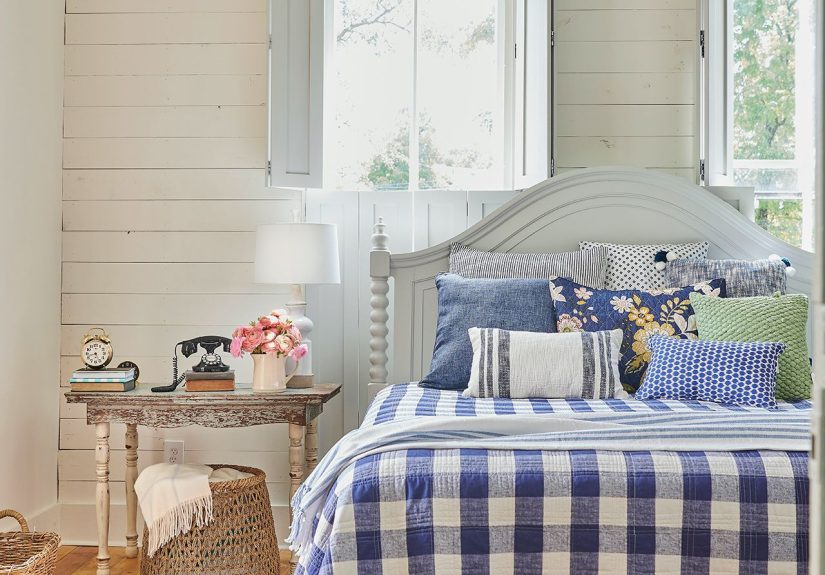
- 6. Layer quilts, throws, and pillows generously
- 7. Embrace floral prints without turning the room into a botanical ambush
- 8. Mix patterns that share a color story
- 9. Hunt for antique and vintage accents
- 10. Decorate with books like they actually belong to a human
- 11. Display collections with intention
- 12. Bring in wicker, rattan, and woven textures
- 13. Let the kitchen feel collected, not clinical
- 14. Use open shelving to show off useful beauty
- 15. Add old-fashioned hardware and small details
- 16. Make space for conversation
- 17. Work in soft, ambient lighting
- 18. Try wallpaper in smaller doses
- 19. Use curtains that feel light and lived in
- 20. Bring nature indoors in imperfect ways
- 21. Create a cottage bathroom with old-meets-new charm
- 22. Leave room for imperfection
- How to Make Cottage Style Work in Any Room
- Extra Experience: What Cottage Style Feels Like in Real Life
- Conclusion
Some rooms are technically “finished,” but still feel like they’re waiting for a personality transplant. That is where cottage style saves the day. It does not demand a sprawling farmhouse, a seaside bungalow, or a mailbox visited by songbirds. It simply asks for warmth, charm, and a little willingness to let your home look lived in instead of staged within an inch of its life.
The best cottage decorating ideas are not about copying one exact look. They are about creating comfort through soft color, vintage accents, layered textiles, natural materials, and meaningful details that make a room feel collected over time. Whether you are updating a bedroom, living room, kitchen, bathroom, or tiny nook that currently has all the charisma of a waiting room, these ideas can help bring in cozy cottage character without making your house feel like a costume set.
22 Cottage Decorating Ideas for Warm, Charming Rooms
1. Start with a soft, sun-washed color palette
Classic cottage style loves colors that feel gentle and familiar. Think creamy white, warm beige, muted sage, dusty blue, butter yellow, faded rose, and soft gray. These shades help a room feel relaxed instead of formal. You do not need to keep everything pale, but a calm base makes it easier to layer in pattern, wood tones, and vintage pieces without visual chaos.
2. Mix in natural wood for instant warmth
Paint is wonderful, but cottage rooms need something grounded too. Natural wood furniture, cutting boards, picture frames, stools, ceiling beams, and side tables add the warmth that keeps a soft palette from looking flat. Lighter woods feel airy, while darker antique finishes add age and depth. Even one weathered wooden piece can make a newer room feel more settled and soulful.
3. Use beadboard, shiplap, or wainscoting for cottage texture
Walls matter more than people realize. Adding beadboard, shiplap, or simple wainscoting creates texture and gives a room that old-house charm people are always trying to fake with expensive wallpaper and dramatic sighing. Painted paneling works especially well in bathrooms, mudrooms, kitchens, and bedrooms because it adds character without overpowering the space.
4. Choose furniture that looks comfortable first and impressive second
Cottage decor is not interested in stiff furniture that seems offended when someone sits on it. Look for cushioned chairs, relaxed sofas, upholstered headboards, and dining seats that invite lingering. Comfort is part of the aesthetic. A room feels more cottage-like when it suggests reading, napping, talking, and drinking tea, not standing politely in a corner holding a coaster.
5. Add slipcovers for a relaxed, unfussy look
Slipcovered seating is practically a cottage love language. It softens a room, makes furniture feel more casual, and helps everyday life look charming instead of chaotic. White and cream are classics, but striped or muted floral slipcovers can work too. They are especially useful in family spaces where perfection lasts about six minutes after everyone gets home.
6. Layer quilts, throws, and pillows generously
If cottage style had a motto, it might be “one more blanket won’t hurt.” Layered textiles create the visual softness that makes a room feel cozy. Fold a quilt at the foot of the bed, add a knit throw to an armchair, and mix pillows in different fabrics for a collected look. Linen, cotton, wool, and washed velvet all work beautifully together.
7. Embrace floral prints without turning the room into a botanical ambush
Florals are a cottage staple, but they work best when balanced. A floral curtain, wallpaper, or pillow can add charm and nostalgia without taking over the room. Pair florals with stripes, checks, or solids to keep the mix interesting. The goal is layered and cozy, not “my living room appears to be auditioning for a period drama.”
8. Mix patterns that share a color story
One of the smartest cottage decorating ideas is pattern mixing with discipline. Plaids, stripes, gingham, and florals can absolutely live together in peace when they share similar tones. For example, a blue-and-cream palette can unite a floral chair, striped pillow, and checked throw. The room feels rich and collected instead of random, which is a very important distinction.
9. Hunt for antique and vintage accents
Cottage style gets its charm from pieces that feel storied. Antique mirrors, old trunks, painted dressers, brass candlesticks, vintage art, and flea-market side tables add authenticity that new furniture often lacks. You do not need every item to be old, but a few imperfect, character-filled pieces make a room feel personal instead of straight from a catalog.
10. Decorate with books like they actually belong to a human
Books are one of the easiest ways to make a room feel lived in. Stack them on coffee tables, line them on open shelves, or tuck them into a bedside nook. Cottage rooms benefit from a little visual history, and books do that beautifully. Bonus points if the covers are worn and the collection looks lovingly accumulated rather than color-coordinated by a robot.
11. Display collections with intention
Plates, pitchers, baskets, pottery, framed botanicals, and old ironstone all fit naturally in cottage spaces. The trick is to group collections so they look curated, not cluttered. A plate wall in a dining room, a row of vintage crocks in a kitchen, or a shelf of woven baskets in an entry can add personality and storage at the same time.
12. Bring in wicker, rattan, and woven textures
Woven materials lighten a room and add that easygoing texture cottage interiors do so well. Use a wicker chair, rattan light fixture, seagrass basket, or cane-front cabinet to break up solid surfaces. These materials help even polished rooms feel more approachable. They are especially useful in bedrooms, sunrooms, and entryways where you want a casual, welcoming mood.
13. Let the kitchen feel collected, not clinical
Cottage kitchens shine when they look functional but full of heart. Open shelving, plate racks, vintage hardware, skirted lower cabinets, freestanding hutches, and warm task lighting all help. Add wooden cutting boards, ceramic crocks, and everyday dishware that looks good enough to stay out. The result feels practical, nostalgic, and a lot more inviting than a kitchen that resembles a lab.
14. Use open shelving to show off useful beauty
Open shelves work especially well in cottage-style kitchens, bathrooms, and laundry rooms. Display everyday plates, glassware, folded towels, or baskets instead of hiding everything behind doors. This approach adds charm while keeping essentials accessible. The key is editing. A little openness feels warm and homey; too much turns into a visual scavenger hunt for the coffee mugs.
15. Add old-fashioned hardware and small details
Sometimes cottage character comes from the tiniest upgrades. Swap plain knobs for glass, ceramic, or aged brass versions. Add latches, cup pulls, or vintage-inspired hooks. Change out a generic light fixture for a pleated shade pendant or small chandelier. These details do not scream for attention, but together they make a room feel layered, thoughtful, and gently nostalgic.
16. Make space for conversation
Furniture layout matters. Cottage rooms feel warm because they encourage people to gather, not because they happen to own a floral pillow. Pull chairs closer together. Angle seating toward a coffee table. Create a reading corner by a window. Even in small rooms, an intimate arrangement can make the space feel more inviting and more useful in daily life.
17. Work in soft, ambient lighting
Overhead lighting alone can flatten all your hard decorating work in seconds. Cottage style benefits from layered light: table lamps, sconces, shaded pendants, and candles or candle-style bulbs. Warm light makes wood richer, fabric softer, and rooms more flattering overall. It is basically the interior design version of good manners.
18. Try wallpaper in smaller doses
Wallpaper is a strong tool for adding cottage charm, especially in powder rooms, bedrooms, breakfast nooks, and entryways. Botanical prints, tiny florals, vines, and classic stripes all work. If covering an entire room feels risky, start with a single wall or use wallpaper above wainscoting. It adds story and softness without requiring a total decorating identity crisis.
19. Use curtains that feel light and lived in
Heavy, formal drapes are rarely the star of a cottage room. Instead, choose airy linen panels, cotton café curtains, or simple patterned drapery that lets natural light stay part of the design. Window treatments should frame the room gently. They should whisper “cozy retreat,” not “board meeting begins at noon.”
20. Bring nature indoors in imperfect ways
Fresh flowers, potted herbs, branches in a crock, and bowls of seasonal fruit all add life to cottage interiors. The beauty here is in the looseness. Cottage style is not about one dramatic orchid posed like royalty. It is about humble greenery and simple arrangements that make the room feel connected to the outdoors and pleasantly unpolished.
21. Create a cottage bathroom with old-meets-new charm
Bathrooms can feel cold fast, so cottage touches matter. Try paneled walls, a soft paint color, woven storage baskets, vintage mirrors, patterned curtains, and classic tile. If you have room, a stool, small lamp, or framed art can make the space feel decorated instead of merely functional. Even a modern bathroom can look warmer with the right textures and details.
22. Leave room for imperfection
This may be the most important idea of all. Cottage style works because it does not chase perfection. It welcomes worn wood, mismatched chairs, handmade quilts, faded paint, and collected treasures that mean something. A room with cozy character should feel real. If everything matches perfectly, it starts drifting away from cottage and toward showroom with suspiciously untouched throw blankets.
How to Make Cottage Style Work in Any Room
The beauty of cozy cottage decor is that it scales well. In a living room, focus on seating, layered textiles, and a few vintage accents. In a bedroom, start with bedding, bedside lamps, and soft pattern. In a kitchen, bring in warm lighting, open storage, and natural materials. In a bathroom, use paneling, baskets, and charming hardware. Even a hallway or entry can get a cottage boost from a runner, hooks, framed art, and a small wooden bench.
If your home is newer or more modern, cottage style can still work beautifully. In fact, it often looks best when the old and new are balanced. Pair clean walls with antique furniture. Mix a modern sofa with floral pillows and a vintage rug. Add one painted cabinet, one woven light fixture, and one stack of old books. You do not need to recreate a countryside cottage from scratch. You just need enough softness and soul to make the room feel human.
Extra Experience: What Cottage Style Feels Like in Real Life
One of the most interesting experiences people have with cottage decorating is how quickly a room changes emotionally, even before it changes dramatically in square footage or layout. A space that once felt cold or generic suddenly feels easier to be in after a quilt is added, a lamp is switched on, and a wooden side table replaces something too sleek and shiny. Cottage style does not usually create drama the way high-contrast modern design can. Instead, it creates relief. The room starts feeling softer on the eyes and calmer in the body, which is a surprisingly powerful shift for something as simple as swapping materials and colors.
Another common experience is that cottage rooms tend to get used more. A formal sitting area becomes a reading corner. A guest room turns into the favorite nap spot. A kitchen that once looked tidy but uninviting starts becoming the place where everyone hovers while coffee brews or cookies bake. That is because cottage decorating supports behavior, not just appearance. Comfortable upholstery, warm light, practical open storage, and accessible throws all encourage people to settle in. It is design that says, “Go ahead, stay awhile,” which is far more useful than design that only looks good in photographs.
There is also a strong memory factor. Cottage style often brings together objects that feel familiar: old frames, inherited dishes, flea-market finds, handmade blankets, botanical prints, and furniture with a little wear around the edges. Even when the pieces are newly purchased, the overall effect can feel nostalgic. That sense of familiarity is part of why the style resonates in so many different homes. It does not depend on a perfect budget or one exact architecture. It depends on warmth, layering, and a willingness to choose things with personality over things with showroom polish.
Seasonal changes also feel especially satisfying in a cottage-inspired home. In spring, a room can brighten with fresh flowers and lighter linens. In summer, woven textures and breezy curtains make everything feel airy. In fall, plaid throws, amber-toned lamps, and deeper paint accents bring coziness. In winter, quilts, candles, and richer layers make the house feel tucked in and welcoming. Cottage decor works well year-round because it has a strong base of natural materials and soft comfort, then welcomes small seasonal swaps without requiring a complete redesign every few months.
Perhaps the best real-life experience of all is that cottage style makes perfection less important. A slightly scuffed table, an unmatched chair, or a stack of books that leans a little can actually add to the charm rather than ruin it. That is refreshing in a world where many interiors seem designed for cameras first and real life second. Cottage decorating invites people to enjoy their homes in a more relaxed way. And honestly, that may be the coziest character boost any room can get.
Conclusion
The best cottage decorating ideas are not about making your home look old-fashioned. They are about making it feel welcoming, comfortable, and full of character. With a soft palette, natural materials, layered patterns, vintage accents, and relaxed furniture, almost any room can gain that warm cottage charm. Start small, choose pieces that feel meaningful, and let the room evolve over time. Cozy character is rarely created in one shopping trip. It is built slowly, beautifully, and with a little room for imperfection.