Table of Contents >> Show >> Hide
- Why Birds and Butterflies Love Native Garden Design
- 23 Beautiful Garden Plans for Attracting Birds and Butterflies
- 1. The Sunny Pollinator Border
- 2. The Monarch Milkweed Patch
- 3. The Hummingbird Highway
- 4. The Bird Berry Hedge
- 5. The Cottage-Style Butterfly Garden
- 6. The Small Patio Pollinator Pot Plan
- 7. The Woodland Edge Garden
- 8. The Meadow Mini-Garden
- 9. The Rain Garden for Wildlife
- 10. The Four-Season Bird Garden
- 11. The Butterfly Host Plant Garden
- 12. The Native Tree Anchor Plan
- 13. The Goldfinch Seed Garden
- 14. The Fragrant Evening Moth and Bird Garden
- 15. The Safe Birdbath Garden
- 16. The No-Pesticide Kitchen Garden
- 17. The Front Yard Welcome Garden
- 18. The Shady Bird Retreat
- 19. The Butterfly Color Block Plan
- 20. The Native Grass and Seed Plan
- 21. The Urban Pocket Habitat
- 22. The Low-Maintenance Wildlife Garden
- 23. The Certified Backyard Habitat Plan
- Design Rules That Make These Garden Plans Work
- Common Mistakes to Avoid
- of Practical Experience: What Really Happens When You Build a Bird and Butterfly Garden
- Conclusion
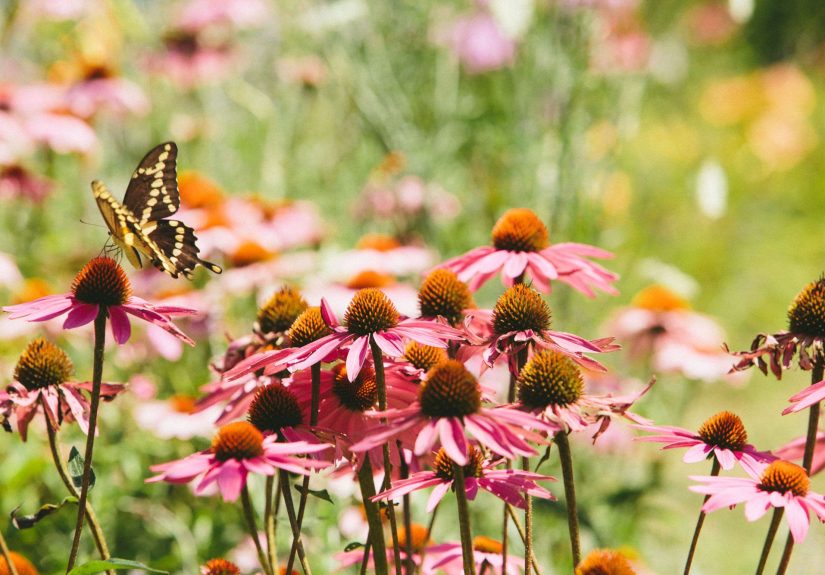
There are gardens that look nice, and then there are gardens that throw a tiny wildlife festival every morning. A cardinal lands on the serviceberry. A swallowtail floats over the coneflowers like it owns the place. A hummingbird zips in, drinks, judges your landscaping, and leaves without tipping. That is the magic of designing a garden for birds and butterflies: beauty becomes movement, color becomes habitat, and your yard becomes far more interesting than another square of thirsty lawn.
The best garden plans for attracting birds and butterflies are not complicated. They are built around four simple needs: food, water, shelter, and safe places to raise young. Native plants do most of the heavy lifting because they feed local insects, produce seeds and berries birds recognize, and support caterpillars that become butterflies. Add layered planting, seasonal blooms, pesticide-free care, and a small water source, and even a modest patio can become a pocket-sized sanctuary.
Below are 23 beautiful, practical garden plans you can adapt to different U.S. regions, yard sizes, and gardening personalitiesfrom “I have a sunny backyard and ambition” to “I have three pots, a balcony, and hope.”
Why Birds and Butterflies Love Native Garden Design
Birds and butterflies are not just looking for pretty flowers. Adult butterflies need nectar, but their caterpillars need specific host plants. Monarch caterpillars, for example, depend on milkweed. Black swallowtails use plants such as dill, parsley, and fennel. Birds need seeds, berries, insects, nesting cover, and water. A garden full of native perennials, shrubs, grasses, and trees creates a living buffet with rooms upstairs.
The strongest wildlife garden plans include bloom succession from spring through fall. Early flowers feed newly active pollinators. Summer flowers keep butterflies visiting. Late-season asters, goldenrods, sunflowers, and seed heads help birds and migrating insects. In other words, your garden should not peak for one glorious week and then retire like a dramatic celebrity. It should keep the party going.
23 Beautiful Garden Plans for Attracting Birds and Butterflies
1. The Sunny Pollinator Border
Use this plan along a fence, driveway, or walkway with six or more hours of sun. Plant purple coneflower, bee balm, black-eyed Susan, blazing star, butterfly weed, little bluestem, and asters in repeating drifts. Keep taller plants in the back and shorter plants near the edge. This plan attracts butterflies, bees, goldfinches, hummingbirds, and seed-loving birds in fall.
2. The Monarch Milkweed Patch
Create a dedicated monarch corner with common milkweed, swamp milkweed, or butterfly weed, depending on your soil. Surround it with nectar plants such as zinnia, blazing star, goldenrod, and asters. Milkweed is not just decoration; it is the nursery. Without host plants, a butterfly garden is basically a restaurant with no maternity ward.
3. The Hummingbird Highway
Plant tubular, nectar-rich flowers in a loose line from one end of the garden to the other. Cardinal flower, bee balm, coral honeysuckle, penstemon, columbine, and native salvia are excellent choices in many regions. Add a small tree or shrub nearby for perching. Hummingbirds are tiny, but they appreciate good infrastructure.
4. The Bird Berry Hedge
Replace a plain fence line with native shrubs that produce flowers, berries, and cover. Try serviceberry, elderberry, chokeberry, winterberry, viburnum, beautyberry, or native dogwood where regionally appropriate. This hedge offers spring blooms for pollinators, summer nesting cover, fall berries, and winter structure.
5. The Cottage-Style Butterfly Garden
For a romantic, full-looking bed, mix coneflowers, phlox, milkweed, mountain mint, coreopsis, yarrow, asters, and ornamental native grasses. Plant in clusters rather than lonely single plants. Butterflies notice big patches of color more easily, and your garden will look intentional instead of “I bought one of everything during a nursery panic.”
6. The Small Patio Pollinator Pot Plan
No yard? No problem. Use large containers with compact nectar plants such as dwarf coneflower, coreopsis, salvia, parsley, dill, lantana in warm climates, and native grasses for texture. Add a shallow saucer with pebbles and fresh water. Even a balcony can attract butterflies, bees, and curious birds if it offers food and safety.
7. The Woodland Edge Garden
For part-shade areas, use native columbine, woodland phlox, foamflower, wild ginger, ferns, sedges, oakleaf hydrangea, spicebush, and serviceberry. Spicebush supports spicebush swallowtail caterpillars, while serviceberry feeds birds with early fruit. This plan is ideal under tall trees or along the edge of a wooded lot.
8. The Meadow Mini-Garden
Convert a small lawn section into a mini meadow with native grasses and wildflowers. Use little bluestem, sideoats grama, purple prairie clover, black-eyed Susan, coreopsis, bee balm, goldenrod, and asters. Keep the edges mowed or bordered so the meadow looks designed, not forgotten. Birds love the seeds; butterflies love the blooms.
9. The Rain Garden for Wildlife
If water pools in one part of your yard, turn the problem into a feature. Use moisture-loving plants such as swamp milkweed, blue flag iris, cardinal flower, joe-pye weed, buttonbush, sedges, and rushes. A rain garden filters runoff, supports pollinators, and gives birds a safe place to forage near water.
10. The Four-Season Bird Garden
Design with every season in mind. Spring: serviceberry and columbine. Summer: coneflower, bee balm, and milkweed. Fall: asters, goldenrod, and native sunflowers. Winter: switchgrass, seed heads, evergreen cover, and berrying shrubs. Do not cut everything down in fall. Standing stems and seed heads are wildlife housing and snack shelves.
11. The Butterfly Host Plant Garden
A true butterfly garden includes plants for caterpillars, not just adults. Add milkweed for monarchs, parsley or dill for black swallowtails, violets for fritillaries, pawpaw for zebra swallowtails in suitable regions, and native grasses for skippers. Some chewed leaves are a success sign, not a gardening crime scene.
12. The Native Tree Anchor Plan
If you can plant one tree, choose one that supports wildlife. Oaks, cherries, willows, birches, serviceberries, and native dogwoods can support insects, birds, and pollinators. A single native tree can become the backbone of a bird-friendly garden, offering food, nesting habitat, shade, and vertical structure.
13. The Goldfinch Seed Garden
Goldfinches adore seed-producing flowers. Plant coneflowers, sunflowers, black-eyed Susans, coreopsis, cup plant, and native thistles where appropriate. Let seed heads remain after blooming. The garden may look a little wild in late fall, but goldfinches will treat it like a five-star buffet with excellent views.
14. The Fragrant Evening Moth and Bird Garden
Butterflies get most of the attention, but moths are important pollinators too. Add evening-blooming or fragrant plants such as evening primrose, phlox, native honeysuckle, and nicotiana in appropriate garden settings. Moths attract night-feeding wildlife and contribute to the insect population that many birds rely on.
15. The Safe Birdbath Garden
Place a shallow birdbath near shrubs or small trees, but not so close that cats can hide beside it. Add rough stones for footing and clean the water often. Surround it with native grasses, sedges, and low flowers. Birds need water for drinking and bathing, and butterflies may use damp mineral-rich spots nearby.
16. The No-Pesticide Kitchen Garden
Herbs and vegetables can support pollinators when allowed to flower. Dill, parsley, basil, oregano, thyme, borage, fennel, and cilantro attract beneficial insects and butterflies. Let a few plants bolt instead of harvesting every leaf. Your pasta may lose a garnish, but your garden gains a pollinator café.
17. The Front Yard Welcome Garden
For curb appeal, combine tidy structure with wildlife value. Use a low border of native sedges or compact grasses, mid-height flowers like coreopsis and coneflower, and shrubs such as dwarf viburnum or chokeberry. Add a curved path or stepping stones. The result looks polished while still feeding birds and butterflies.
18. The Shady Bird Retreat
Many homeowners think shade means no wildlife garden, but birds love layered shade. Use understory shrubs, ferns, sedges, woodland asters, coral bells, Virginia bluebells, and native groundcovers. Add leaf litter in hidden areas to support insects. Birds will forage there, especially during nesting season when protein-rich insects are essential.
19. The Butterfly Color Block Plan
Butterflies are drawn to visible clusters. Plant large patches of purple, orange, yellow, and pink flowers rather than scattering single plants everywhere. Try orange butterfly weed, purple coneflower, yellow coreopsis, pink phlox, and blue salvia. Think of it as making a landing strip, but prettier and with fewer airport delays.
20. The Native Grass and Seed Plan
Native grasses provide shelter, winter interest, and seeds. Combine little bluestem, switchgrass, prairie dropseed, or sideoats grama with flowering perennials. Birds use grasses for nesting material and cover, while some butterflies use grasses as host plants. This plan works beautifully in modern, prairie-inspired landscapes.
21. The Urban Pocket Habitat
For townhomes, side yards, and small lots, focus on density and layers. Use one small native tree, two shrubs, several perennials, a vine, and a water dish. Vertical gardening matters when square footage is limited. Coral honeysuckle on a trellis, compact shrubs, and container flowers can transform a tight space into habitat.
22. The Low-Maintenance Wildlife Garden
Choose tough native plants adapted to your soil and rainfall. Once established, plants like black-eyed Susan, coneflower, goldenrod, asters, little bluestem, and mountain mint often need less care than fussy ornamentals. Mulch young plantings, water during establishment, then let the garden mature. Wildlife gardening rewards patience more than perfection.
23. The Certified Backyard Habitat Plan
Use this plan if you want a clear goal. Provide food, water, cover, places to raise young, and sustainable gardening practices. Add native plants, reduce lawn, avoid pesticides, compost when possible, and leave some natural material for shelter. Certification programs can motivate families, schools, and neighborhoods to turn scattered gardens into connected wildlife corridors.
Design Rules That Make These Garden Plans Work
Plant in Layers
A strong bird and butterfly garden has a canopy layer, shrub layer, flower layer, groundcover layer, and sometimes vines. This mimics natural habitat. Birds can perch, hide, nest, and forage at different heights, while butterflies find sunny nectar patches and protected resting spots.
Choose Regionally Native Plants
Native plants are adapted to local climate, soil, insects, and wildlife. A plant that is excellent in Pennsylvania may not be the best choice in Arizona or Oregon. Before buying, check regional native plant lists, local extension resources, native plant societies, or reputable nurseries.
Plan for Continuous Bloom
Include spring, summer, and fall flowers. Early bloomers help emerging pollinators. Summer blooms support peak butterfly activity. Fall flowers such as asters and goldenrod help migrating insects and late-season bees. Birds benefit when flowers turn into seeds.
Skip the Chemicals When Possible
Many insecticides can harm pollinators, and herbicides can remove the very plants caterpillars need. A wildlife garden should tolerate some insect activity. Remember: insects are not always the enemy. In many cases, they are baby bird food wearing tiny legs.
Leave Some Mess
A perfectly cleaned garden may look neat to humans, but it can remove overwintering habitat. Leave some stems, leaves, brush, and seed heads through winter. Clean up gradually in spring after temperatures warm and pollinators begin moving.
Common Mistakes to Avoid
First, do not plant only nectar flowers. Adult butterflies may visit, but without host plants, they cannot complete their life cycle. Second, avoid planting invasive species that escape into natural areas. Third, do not place bird feeders or birdbaths where predators can easily ambush visitors. Fourth, resist the urge to cut down every seed head in fall. Fifth, do not expect instant results. A new wildlife garden takes time to become a trusted stop on the neighborhood nature map.
Another mistake is buying plants treated with long-lasting systemic pesticides. When possible, ask nurseries whether plants are pollinator-safe. Also, avoid double-flowered varieties when your goal is nectar and pollen. Many double blooms look fancy but offer little food. They are the floral equivalent of a beautiful cupcake made of cardboard.
of Practical Experience: What Really Happens When You Build a Bird and Butterfly Garden
The first lesson from creating a garden for birds and butterflies is that wildlife does not read your design plan. You may plant a perfect butterfly border and then discover that the birds are obsessed with the slightly messy corner behind the shed. This is normal. Wildlife gardens work best when you observe what animals actually use and adjust over time.
In the first season, the garden may look smaller than expected. Native perennials often follow the old gardener’s saying: first they sleep, then they creep, then they leap. During year one, focus on watering, mulching lightly, and controlling aggressive weeds. Do not judge the garden too harshly. Many plants are building roots before they show off above ground.
By the second season, the action usually increases. Coneflowers begin drawing bees and butterflies. Milkweed may bring monarch caterpillars if monarchs are active in your area. Goldfinches may arrive when seed heads mature. Hummingbirds may inspect bee balm and cardinal flower with the seriousness of tiny restaurant critics. You will also start noticing insects you never knew existed, which is both fascinating and mildly humbling.
One of the most surprising experiences is learning to celebrate chewed leaves. In a traditional ornamental garden, holes in leaves can feel like failure. In a butterfly garden, they often mean caterpillars are eating. Caterpillars become butterflies and moths, and they also feed baby birds. A living garden is not flawless. It has movement, appetite, drama, and occasionally a plant that looks like it survived a salad bar incident.
Another real-world lesson is that water matters. A shallow birdbath, cleaned regularly, can attract more bird activity than expected. Birds may visit even before they trust your feeders or shrubs. Butterflies may gather at damp soil or shallow puddling areas, especially in warm weather. Keep water shallow and safe, and refresh it often to prevent mosquitoes.
Gardeners also learn that clusters work better than scattered plants. One milkweed here, one coneflower there, and one lonely aster in the corner may look diverse to you, but insects locate larger patches more easily. Planting in groups of three, five, seven, or more creates stronger visual signals and better foraging efficiency.
Finally, the biggest reward is emotional. A bird and butterfly garden changes how you experience your own home. Morning coffee becomes a birdwatching session. Weeding becomes a chance to check for caterpillars. Fall cleanup becomes less about removing “mess” and more about protecting life through winter. The garden stops being a decoration and becomes a relationship. You plant, wildlife responds, and suddenly your yard feels connected to something much larger than the property line.
Conclusion
Beautiful garden plans for attracting birds and butterflies are not about chasing perfection. They are about building habitat with intention. Start with native plants, add flowers that bloom across the seasons, include host plants for caterpillars, provide berries and seeds for birds, and keep the space safe from unnecessary chemicals. Whether you create a meadow, a patio pot garden, a rain garden, or a berry hedge, every thoughtful planting helps reconnect your home with the natural world.
The best part? You do not need a giant estate or a professional landscape crew. You need a plan, a few well-chosen plants, and the willingness to let nature be a little nature-y. Give birds and butterflies what they need, and your garden will repay you with color, song, motion, and the occasional hummingbird flyby that feels like a tiny miracle with wings.