Table of Contents >> Show >> Hide
- Why Cancer Can Raise Your Risk of Shingles
- The Most Important Step: Ask About the Shingrix Vaccine
- Who Should Be Extra Careful About Shingles?
- Know the Early Symptoms So You Can Act Fast
- Ask Whether Antiviral Prevention Applies to You
- Avoid Exposure to Chickenpox and Active Shingles
- Strengthen Your Prevention Plan With Everyday Habits
- Review Your Medication List With Your Care Team
- Plan Ahead Before Chemotherapy, Radiation, or Transplant
- What Side Effects Should You Expect From Shingrix?
- When to Call a Doctor Immediately
- Common Myths About Shingles and Cancer
- A Simple Shingles Prevention Checklist for Cancer Patients
- Experience-Based Lessons: What Cancer Patients Often Learn About Avoiding Shingles
- Conclusion
If you have cancer, your calendar may already look like it was designed by a committee of very serious people: scans, bloodwork, infusions, follow-ups, pharmacy calls, and the occasional “please hold for 37 minutes” moment. So when someone mentions shingles prevention, it can sound like one more task on an already crowded medical to-do list. But this one deserves a bright sticky note.
Shingles, also called herpes zoster, is caused by the varicella-zoster virusthe same virus responsible for chickenpox. After chickenpox or childhood varicella vaccination, the virus can stay quiet in the body for years. When the immune system is weakened, it may reactivate and cause a painful rash, nerve pain, fatigue, fever, and sometimes serious complications. For people with cancer, especially those receiving chemotherapy, radiation, stem cell transplant, targeted therapy, high-dose steroids, or other immune-suppressing treatments, shingles can be more than an uncomfortable detour. It can interrupt treatment, increase pain, and make recovery harder.
The good news: shingles is not something you simply wait around for while hoping your immune system remembered where it parked. There are practical, evidence-based ways to lower your risk. The best shingles prevention plan for cancer patients usually combines vaccination, smart timing, early symptom recognition, infection precautions, medication planning when appropriate, and steady communication with your oncology team.
Why Cancer Can Raise Your Risk of Shingles
Your immune system normally keeps the varicella-zoster virus under control. Cancer can weaken that defense in several ways. Some cancers, particularly blood cancers such as leukemia, lymphoma, and multiple myeloma, directly affect immune cells. Cancer treatments may also reduce white blood cell counts or temporarily suppress immune responses. Even stress, poor sleep, surgery, malnutrition, and repeated infections can make your body less efficient at keeping dormant viruses asleep.
Think of the immune system as a home security system. When it is fully powered, it notices suspicious activity quickly. During cancer treatment, the system may still work, but the cameras may be blurry, the alarm battery may be low, and the guard dog may be taking a medically necessary nap. That does not mean shingles is guaranteed. It means prevention matters more.
The Most Important Step: Ask About the Shingrix Vaccine
The main vaccine used in the United States to prevent shingles is Shingrix, also called recombinant zoster vaccine or RZV. It is not a live vaccine. That detail matters because live vaccines are often avoided in people with weakened immune systems. Shingrix is made from a piece of the virus plus an adjuvant that helps train the immune system. It cannot give you shingles.
Current U.S. guidance recommends two doses of recombinant zoster vaccine for adults age 50 and older, and also for adults age 19 and older who are or will be immunocompromised because of disease or therapy. Many people with cancer fall into that second group. The standard schedule is usually two doses separated by 2 to 6 months. In some immunocompromised people, the second dose may be given sooner, often 1 to 2 months after the first, if completing the series before stronger immune suppression is helpful.
Why two doses matter
One dose is not the full plan. The second dose helps build stronger and longer-lasting protection. Skipping dose two is like installing only half a roof and then acting surprised when rain shows up in the living room. If your second dose is delayed, do not assume you have to start over. Ask your healthcare team when to complete the series.
Can you get Shingrix during cancer treatment?
Many cancer patients can receive Shingrix, but timing should be individualized. In general, the vaccine may work best when given before chemotherapy or other major immune-suppressing treatment starts. If treatment has already begun, your oncology team may choose a time when your immune response is expected to be stronger, such as between treatment cycles or when blood counts are more stable.
Do not schedule the vaccine casually without telling your oncology team. It is not because the vaccine is “scary.” It is because timing matters. Your doctors know your treatment plan, immune status, allergies, transplant history, medications, and upcoming procedures. That context helps them decide the safest and most useful window.
Who Should Be Extra Careful About Shingles?
Anyone with cancer should ask about shingles prevention, but some groups need especially close planning. This includes people with blood cancers, people receiving stem cell or bone marrow transplants, people on CAR T-cell therapy, people taking high-dose steroids, people receiving certain immune-suppressing targeted therapies, and people with a history of shingles. Older adults are also at higher risk, and risk can rise further when age and cancer treatment overlap.
If you have had shingles before, vaccination may still be recommended after the rash has healed and you feel better. Having shingles once does not guarantee lifelong protection. Unfortunately, the virus does not send a polite retirement letter after one appearance.
Know the Early Symptoms So You Can Act Fast
Even with prevention, shingles can still happen. No vaccine is perfect, but vaccination can reduce the chance of shingles and may reduce the risk of severe disease and long-lasting nerve pain. Early treatment is important, especially for cancer patients.
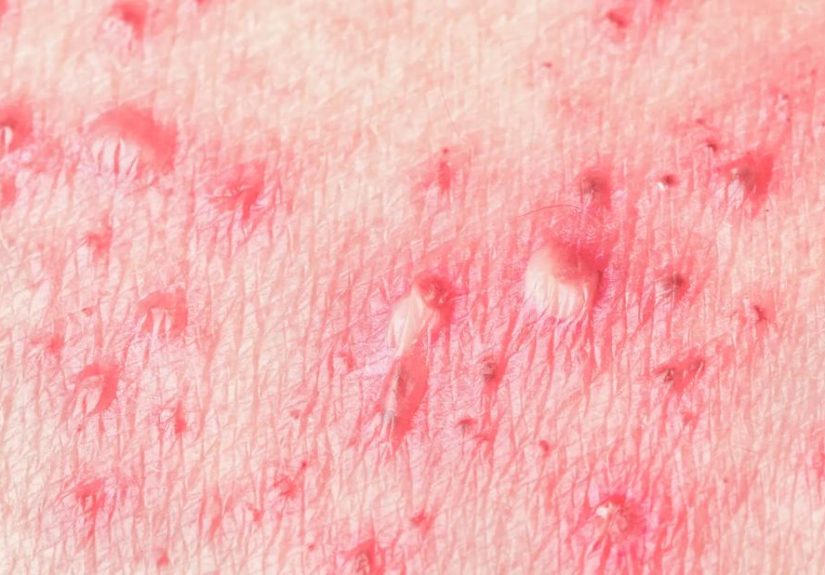
Shingles often starts with burning, tingling, itching, or pain on one side of the body or face before a rash appears. The rash may develop into clusters of blisters. Some people also feel feverish, tired, sensitive to light, or generally unwell. Because shingles can affect the eye or ear, any rash or pain near the face should be treated as urgent.
Call your oncology team or primary care clinician right away if you suspect shingles. Antiviral medicines work best when started early. For immunocompromised people, fast action may reduce complications and may help prevent treatment delays.
Ask Whether Antiviral Prevention Applies to You
Some cancer patients, especially those at very high risk, may be prescribed antiviral medication as prevention. This is common in certain transplant settings, blood cancer treatments, or immune-suppressing regimens. Medications such as acyclovir, valacyclovir, or famciclovir may be used in specific situations, but they are not a do-it-yourself supplement plan. They require medical judgment, dosing decisions, kidney function awareness, and medication interaction review.
If you are not sure whether you need antiviral prophylaxis, ask directly: “Am I at high enough risk for shingles that I should be taking an antiviral medication?” This simple question can open a useful conversation, especially before transplant, intensive chemotherapy, or immune-cell therapy.
Avoid Exposure to Chickenpox and Active Shingles
Shingles itself is not spread as shingles from one person to another. However, the virus from shingles blisters can spread to someone who has never had chickenpox or the chickenpox vaccine, potentially causing chickenpox. For a person with cancer, exposure to varicella-zoster virus can be more serious than it would be for someone with a fully functioning immune system.
If someone around you has chickenpox or an active shingles rash, tell your care team. Do not panic, but do not ignore it either. Your team may recommend monitoring, testing, medication, or other steps depending on your immune status and exposure details.
Practical exposure tips
Avoid direct contact with shingles blisters. Encourage household members to keep rashes covered, wash hands often, and seek medical care. If you are severely immunocompromised, ask your team whether visitors with recent unexplained rashes, fever, or known chickenpox exposure should postpone visits. This is not being rude. This is being medically sensible with a polite smile.
Strengthen Your Prevention Plan With Everyday Habits
Lifestyle habits cannot replace vaccination or medical care, but they can support your body during treatment. Aim for steady sleep, enough protein and calories, hydration, gentle movement if approved, and stress-management tools that actually fit your life. Nobody needs a wellness routine so complicated it requires its own assistant.
For example, a short walk after meals, a protein-rich snack, a consistent bedtime, or five minutes of breathing exercises before appointments can be more realistic than a dramatic “new life plan” launched at midnight. Small habits count. Cancer treatment already asks a lot from your body; prevention works best when it is practical, not perfect.
Review Your Medication List With Your Care Team
Some medications can affect immune function. Steroids, certain biologics, transplant medications, and some targeted cancer therapies may change infection risk. Make sure every member of your healthcare team knows what you are taking, including over-the-counter medicines, vitamins, herbal products, and supplements.
This matters because shingles prevention is not only about one vaccine appointment. It is about timing, immune status, interactions, and treatment priorities. If your oncologist, pharmacist, and primary care clinician are all working from the same medication list, your prevention plan becomes safer and cleaner.
Plan Ahead Before Chemotherapy, Radiation, or Transplant
If you have just been diagnosed with cancer and treatment has not started yet, ask about vaccines early. The best time to discuss shingles vaccination is often before immune-suppressing therapy begins. Some patients can receive the first dose before treatment and complete the series according to the schedule their doctors recommend.
If your treatment must start quickly, do not assume you missed your chance. Your team may still recommend vaccination later. The right answer depends on your cancer type, treatment intensity, blood counts, transplant plans, previous vaccines, and overall health.
What Side Effects Should You Expect From Shingrix?
Common Shingrix side effects include soreness, redness, or swelling at the injection site. Some people feel tired or have muscle aches, headache, chills, fever, stomach discomfort, or nausea for a few days. These symptoms can be annoying, especially if cancer treatment already makes you feel like your body is running too many browser tabs at once.
Still, short-term vaccine reactions are usually manageable and temporary. Tell your care team if you have had severe allergic reactions to vaccines or vaccine ingredients. Also let them know if you are currently very ill, have a fever, recently had shingles, or are scheduled for treatment soon. They may adjust the timing.
When to Call a Doctor Immediately
Call your healthcare team quickly if you notice a painful, blistering rash; burning or tingling pain on one side of the body; rash near the eye; vision changes; severe headache; confusion; fever with rash; or widespread skin lesions. Cancer patients should not “wait and see” with possible shingles. Waiting is a fine strategy for bread dough, not for viral infections during cancer treatment.
Prompt treatment can reduce pain, shorten illness, and lower the risk of complications. It may also help your oncologist decide whether cancer treatment should continue, pause, or be adjusted.
Common Myths About Shingles and Cancer
Myth 1: “I never had chickenpox, so shingles is impossible.”
Many adults do not remember having chickenpox, but they may still have been exposed. Your clinician can help decide whether your history matters or whether vaccination is still appropriate.
Myth 2: “The shingles vaccine can give me shingles.”
Shingrix is not a live vaccine, so it cannot cause shingles. It can cause immune-related side effects such as soreness, fatigue, fever, or body aches, but those are not shingles.
Myth 3: “I already had shingles, so I am done.”
Shingles can recur, especially in people with weakened immune systems. After recovery, ask your doctor when vaccination makes sense.
Myth 4: “If I feel okay, my immune system must be fine.”
You can feel normal and still have a weakened immune response because of cancer or treatment. Bloodwork and treatment history often tell a more accurate story than energy level alone.
A Simple Shingles Prevention Checklist for Cancer Patients
Use this checklist as a conversation starter with your care team:
- Ask whether Shingrix is recommended for you.
- Confirm the best timing based on treatment cycles and blood counts.
- Schedule both vaccine doses and set reminders.
- Ask whether antiviral prevention is needed for your cancer type or treatment plan.
- Report exposure to chickenpox or active shingles promptly.
- Call quickly if you develop one-sided burning pain, tingling, or a blistering rash.
- Keep your medication and supplement list updated.
- Support your immune health with sleep, nutrition, hydration, and gentle activity as approved.
Experience-Based Lessons: What Cancer Patients Often Learn About Avoiding Shingles
Many people do not think about shingles until someone in a waiting room, support group, or family chat says, “Oh, I had that, and it was awful.” Suddenly, shingles prevention moves from the mental junk drawer to the front of the refrigerator. One common experience among cancer patients is that the vaccine conversation happens too late. A patient may be focused on surgery dates, chemotherapy education, insurance approvals, or side-effect planning. Then, weeks later, they learn that vaccines are easier to schedule before treatment begins. The lesson is simple: ask early, even if treatment feels urgent. A two-minute vaccine question can prevent a lot of future scrambling.
Another real-world lesson is that side effects are easier to manage when they are expected. Some patients worry when they feel tired or achy after Shingrix because they already associate body aches with treatment problems. Planning helps. Many people prefer to avoid scheduling the vaccine the day before an important scan, infusion, work deadline, or family event. A little calendar strategy can make the experience less stressful. It is also smart to ask your doctor which over-the-counter pain relievers are safe for you, because cancer patients may have platelet, kidney, liver, stomach, or medication-interaction concerns.
Caregivers often learn a lesson too: infection prevention is a household project. If a grandchild has chickenpox, a spouse has a suspicious rash, or a friend says, “It is probably nothing,” the person with cancer should not be the family detective. The safest move is to call the care team and ask what to do. Most exposure situations do not require panic, but they do require clarity. A quick call can prevent guesswork, and guesswork is rarely the best medicine.
Patients who have gone through shingles during cancer treatment often describe the pain as surprisingly intense. Some say the rash was not the worst part; the nerve pain was. Others remember the frustration of delayed treatment or extra appointments. These stories are not meant to scare anyone. They are reminders that prevention is not just about avoiding a rash. It is about protecting quality of life, keeping treatment on track, and reducing the chance that one more problem piles onto an already demanding season.
A final experience-based takeaway is to keep prevention boring. Boring is good. A vaccine record in the patient portal? Boring. A reminder for dose two? Boring. A quick message to the oncology nurse about timing? Beautifully boring. Shingles, by contrast, is dramatic in all the wrong ways. If you have cancer, the goal is not to become an infectious disease expert overnight. The goal is to ask the right questions, follow a personalized plan, and give your immune system every reasonable advantage.
Conclusion
Avoiding shingles when you have cancer is not about one magic trick. It is about stacking smart protections: discussing Shingrix with your oncology team, timing vaccination carefully, completing both doses, recognizing early symptoms, avoiding exposure when possible, asking about antivirals if you are high risk, and taking everyday steps that support your body during treatment.
Cancer care can feel complicated, but shingles prevention does not have to be mysterious. Start with one question at your next appointment: “Should I get the shingles vaccine, and when is the best time for me?” That question may help you avoid pain, complications, and treatment interruptions. In a season when so much can feel out of your control, shingles prevention is one practical place to take action.