Table of Contents >> Show >> Hide
- How Hair Became a Time Machine
- 1920s: The Decade That Chopped It All Off
- 1930s–1940s: Hollywood Glamour and Wartime Practicality
- 1950s: Perfect Housewives and Rock ’n’ Roll Rebels
- 1960s: Space Age, Mods, and Big Hair Dreams
- 1970s: Freedom, Texture, and Feathered Everything
- 1980s: Bigger, Higher, Louder
- 1990s: Cool, Casual, and TV-Inspired
- 2000s: Flat Irons, Side Bangs, and Early-Internet Hair
- 2010s: Texture, Lobs, and “I Woke Up Like This” (But You Definitely Didn’t)
- 2020s: Retro Revivals and TikTok Transformations
- What These 25 Hairstyles Tell Us About the Last Century
- Experiences and Lessons From 100 Years of Hairstyles
If you had to explain the last century of style only through hair, you actually could.
From the scandalous flapper bob to the 1970s Farrah waves to today’s TikTok-famous wolf cut,
hairstyles have quietly recorded our social revolutions, celebrity obsessions, and “what was I thinking?” moments.
Consider this your time machine in salon form: 25 iconic hairstyles of the last 100 years,
plus what they say about the peopleand the culturewho wore them.
How Hair Became a Time Machine
Before the 1920s, hair for many women meant long, heavy, and neatly pinned up. The last 100 years,
however, flipped that script. As women joined the workforce, gained the right to vote, and later embraced
rock ’n’ roll, second-wave feminism, and social media, their hair followed along. Cuts got shorter,
bigger, straighter, curlier, and sometimes all of the above in one decade.
For men, styles shifted from military-short to Beatles mop-tops, mullets, frosted tips, and modern fades.
Every era has at least one “that’s so [decade]” haircutand that’s exactly what we’re exploring here.
1920s: The Decade That Chopped It All Off
1. The Flapper Bob
The 1920s bob is basically the Beyoncé of historic hairstyles: once she arrived, everyone had an opinion.
Women chopped their old Edwardian tresses into chin-length cuts as a bold statement of independence.
Icons like Louise Brooks and Josephine Baker turned the sleek bob into a symbol of modern womanhoodsharp, short,
and totally uninterested in old rules about “ladylike” hair. The bob wasn’t just a trend; it was a cultural mic drop.
2. Finger Waves
Bobs didn’t just hang there; they waved. Finger waves turned short hair into sculpted, glossy S-curves that hugged the head.
Created with a comb, fingers, and a lot of setting lotion, finger waves looked glamorous on movie screens and in jazz clubs.
Today, they’re still a go-to style for vintage lovers and red-carpet looks, especially in the Black beauty community,
where finger waves are regularly reimagined in modern, edgy ways.
1930s–1940s: Hollywood Glamour and Wartime Practicality
3. Marcel Waves
In the 1930s, hair went from rebellious bob to polished wave. Marcel wavescreated with heated irons rather than fingers
gave hair a smoother, glossier finish. Stars like Jean Harlow made the look famous, pairing icy blond waves with bias-cut gowns.
Compared with the wild energy of the Roaring Twenties, 1930s hair felt more refined and romantic, mirroring the era’s more
conservative mood during the Great Depression.
4. Old Hollywood Side-Part Glamour
By the late 1930s and early 1940s, the classic deep side part with cascading curls was everywhere on-screen.
Think Rita Hayworth or Veronica Lake: big, brushed-out waves that fell over one eye, suggesting mystery, confidence,
and a little danger. Even today, if you ask for “Old Hollywood hair” at a salon, this is what you’ll get.
5. Victory Rolls
World War II brought a practical twist to glamour. Women working in factories and military roles needed hair up and out of the way.
Enter victory rolls: dramatic rolls of hair pinned high at the front or sides. They were equal parts patriotic and pretty,
showing that even in tough times, style could survive. The look has since become a staple of retro pin-up styling.
6. Pin Curls and Structured Sets
Curl sets held everything together. With bobby pins, setting lotion, and a good night’s sleep, women created tight pin curls
that brushed out into soft waves by morning. This technique dominated from the 1930s through the 1950s and still underpins
many vintage-styled looks today.
1950s: Perfect Housewives and Rock ’n’ Roll Rebels
7. The Poodle Cut
The poodle cutshort, rounded, and full of tiny curlswas big in the 1950s, worn by stars like Lucille Ball.
It framed the face and paired perfectly with New Look dresses and pearls. At home, women copied it with home perms
that sometimes turned out glamorous… and sometimes turned out “oops.” Either way, it was a defining hairstyle of the decade.
8. Rockabilly Pompadours
While suburban moms were getting their weekly sets, rock ’n’ roll was changing men’s hair. Elvis Presley and James Dean
popularized the pompadourlonger on top, slicked back, and full of attitude. Hair was sculpted high with pomade,
signaling rebellion and a new youth culture that didn’t want to look like their parents.
1960s: Space Age, Mods, and Big Hair Dreams
9. The Beehive
The beehive basically said, “Gravity is for other people.” Hair was teased, sprayed, and piled into towering hives
that could add several inches of height. Singers like Dusty Springfield and girl groups like The Ronettes made the style iconic.
The beehive wasn’t just hair; it was architecture.
10. The Mod Flip
At the same time, smoother “flip” styles were bigliterally. Jackie Kennedy’s polished, flipped-under bob and Mary Tyler Moore’s
gently curved ends influenced countless women. Hair was shorter, cleanly cut, and often paired with pillbox hats and structured suits.
It was modern, but still impeccably proper.
11. The Pixie Cut
Toward the late 1960s, Mia Farrow’s ultra-short pixie in Rosemary’s Baby changed the game. Cut by legendary hairdresser Vidal Sassoon,
it made short hair on women look chic and powerful, not just practical. The pixie signaled a new minimalist approach that fit the era’s
youth-quake and unisex fashion trends.
1970s: Freedom, Texture, and Feathered Everything
12. The Shag Cut
The shag was the anti-helmet: layered, choppy, and intentionally messy. Unisex and easy to wear, it worked on rock stars, actors,
and everyday people who wanted “cool without trying too hard.” Shags framed the face with piece-y layers and looked best when hair
wasn’t too perfectwhich made them perfect for the laid-back 1970s.
13. The Afro
The Afro is one of the most powerful hairstyles in modern history. Worn proudly by Black Americans during the civil rights
and Black Power movements, natural and picked-out Afros rejected Eurocentric beauty standards. Beyond being stylish,
the Afro represented identity, pride, and resistanceand it continues to be celebrated today.
14. Farrah Fawcett’s Feathered Waves
You can’t talk about 1970s hair without Farrah Fawcett. Her feathered, voluminous waves on Charlie’s Angels became
the poster cut of the decade. Hair was layered away from the face and blown out into soft wings. Millions tried (and still try)
to recreate that flipsome succeed, others just gain a deeper respect for round brushes and arm strength.
1980s: Bigger, Higher, Louder
15. Big Perms
The 1980s looked at hair and said, “What if it were twice as big?” Perms added tight curls and major volume to both short and long hair.
Combined with mousse and hairspray, styles became cloud-like halosor delightful frizz balls, depending on humidity and luck.
From glam rock bands to suburban moms, everyone went bigger.
16. The Mullet
The mullet“business in the front, party in the back”is the haircut that refuses to die. Hugely popular in the ’80s on rock stars,
athletes, and regular guys, it was short at the front and sides with long hair trailing down the neck. For years it was a punchline;
now it’s back as an intentionally edgy, gender-fluid cut. History has a sense of humor.
1990s: Cool, Casual, and TV-Inspired
17. “The Rachel”
When Jennifer Aniston debuted “The Rachel” on Friends, salons around the world had the busiest season of their lives.
The cut was a shoulder-grazing shag with heavy layers and chunky highlights. It looked effortlessuntil you realized it required
a blowout, round brush, and a minor engineering degree. Still, it defined mid-’90s hair like nothing else.
18. Supermodel Blowouts
Think Cindy Crawford and 1990s runway shows: long, thick hair with big, bouncy volume. This style was glossy, healthy, and commercial-ready,
perfectly matching the era’s “aspirational but approachable” aesthetic. It’s still the blueprint for many modern blowouts.
19. Micro Braids and Box Braids
In the 1990s, micro braids and box braids gained major mainstream visibility thanks to artists like Brandy and Janet Jackson.
For Black women, braids have always been more than a trendthey’re a cultural and protective style with deep roots.
The ’90s simply gave these looks more global attention and made them part of the decade’s visual language.
2000s: Flat Irons, Side Bangs, and Early-Internet Hair
20. Poker-Straight, Flat-Ironed Hair
The early 2000s were the golden era of flat irons. Celebrities and teenagers alike wore ultra-straight hair with little to no volume,
often parted dead center. Shine serums and anti-frizz sprays became bathroom staples. It was the opposite of the ’80s and early-’90s volume:
smooth, sleek, and sometimes a little too flat.
21. Side-Swept Bangs
If you spent high school carefully arranging your side bangs over one eye, you were not alone. Side-swept bangs became a defining look of the 2000s,
worn by pop stars, movie characters, and half the kids in mall photo booths. They worked with straight, wavy, or emo-styled hair,
fitting neatly into both mainstream and alternative scenes.
2010s: Texture, Lobs, and “I Woke Up Like This” (But You Definitely Didn’t)
22. Beachy Waves
The 2010s crowned beach waves as the go-to “effortless” stylenever mind the curling wand, salt spray, and 20-minute tutorial it took to get there.
This look aimed for lived-in texture, soft bends, and a slightly undone finish. It was casual, flattering on many hair types,
and endlessly Instagrammable.
23. The Lob (Long Bob)
The lob was the Goldilocks of haircuts: not too long, not too short, just right. Hitting somewhere between chin and collarbone,
it allowed for ponytails, waves, and straight styles without feeling too heavy. Celebrities loved it, stylists loved it,
and anyone recovering from a haircut regret loved it, too.
24. Undercuts and Shaved Sides
The undercutshort or shaved underneath with longer hair on topbecame a favorite among celebrities, barbershop clients, and anyone craving an edge.
It was especially popular in gender-neutral fashion, letting people play with contrast: sleek on top, buzzed beneath.
It also offered a secret bonuswhen the longer hair was down, the undercut could be hidden for work or formal events.
2020s: Retro Revivals and TikTok Transformations
25. Curtain Bangs, Wolf Cuts, and the Modern Shag
The current decade loves a throwback. Curtain bangs (inspired by 1970s fringe), shags, mixies (mullet + pixie), and wolf cuts
remix past looks into something messier, softer, and more customizable. Social media accelerates trends, so one month it’s the “butterfly cut,”
the next it’s a micro-bob or Italian bob. Underneath all that churn, though, the same themes remain: individuality, texture,
and the idea that hair should move, not sit like a helmet.
What These 25 Hairstyles Tell Us About the Last Century
Looking back, these 25 hairstyles are more than pretty pictures on a mood board. They trace women entering the workforce,
civil rights movements, rebellious youth cultures, celebrity obsession, and our current era of highly personalized style.
Some cutslike the bob, Afro, shag, and bob variationsnever really disappear; they just evolve. Others, like the beehive or huge 1980s perms,
pop up in cycles as nostalgic statements.
The big takeaway? Hair is one of the quickest, most visible ways people say, “This is who I am now.” Whether that identity is a 1920s flapper,
a 1970s rock star, a 1990s sitcom fan, or a 2020s TikTok experimenter, the language of hair is surprisingly fluent in history.
Experiences and Lessons From 100 Years of Hairstyles
You don’t need a time machine to appreciate these hairstylesyou just need a bathroom mirror and a moment of courage.
Almost everyone has at least one personal story that maps onto this timeline. Maybe you tried to cut your own side bangs in the 2000s
and discovered the hard way that YouTube confidence does not equal hairdressing skill. Maybe your first perm was more “triangle puff”
than “runway curls.” Or maybe you finally embraced your natural texture after years of fighting it with flat irons and relaxers.
One of the most universal experiences is the “transformational haircut.” Historically, that’s what the 1920s bob did: women cut off inches of hair
and, in the process, signaled a new life stage. People still do this todaypost-breakup chops, graduation cuts, or post-pandemic refreshes.
The details differ, but the emotional logic is the same: changing your hair is a concrete, visible way to mark a change you feel inside.
There’s also the experience of belonging to a specific scene or community through hair. In the 1970s, the Afro and cornrows were powerful visual markers
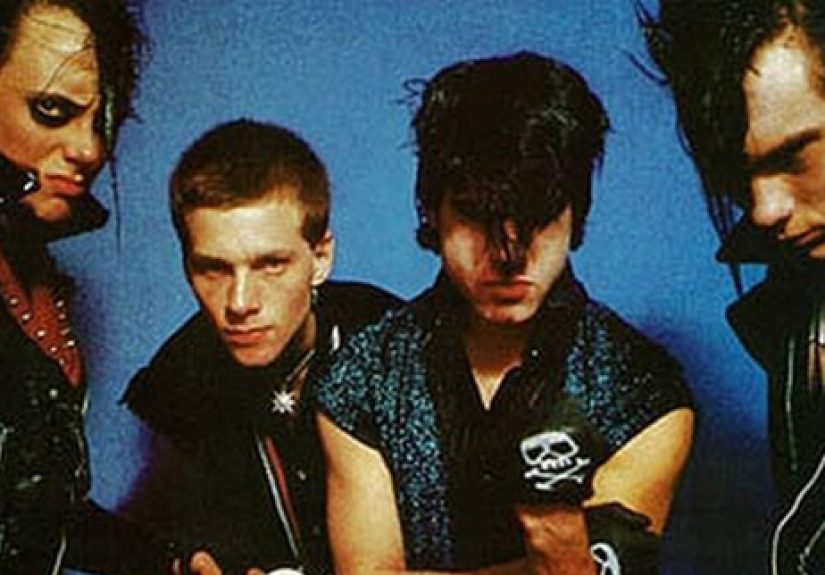
of Black pride and cultural connection. In the 1980s, punk mohawks and spiky styles instantly communicated “I’m not here to blend in.”
In the 1990s and 2000s, micro braids, frosted tips, and emo fringe all had their own micro-communities. Even today, certain cutslike the wolf cut,
skin fade, or slicked-back bunsend signals about the online aesthetics or subcultures you identify with.
Another recurring experience is what we might call “trend whiplash.” One decade insists big hair is best; the next celebrates sleek and flat.
Curly hair is in, then straight hair is in, then natural texture is back again. If you’ve ever looked at an old yearbook photo and thought,
“That was the height of fashion… and I still regret it,” you’ve felt this too. The good news is that trend cycles are much more forgiving now.
Modern hairstyling tends to celebrate variety, so you can wear a bob, long braids, a fade, or a pixie and still look up-to-dateas long as it suits you.
Perhaps the most important shift over the last century is who gets to decide what looks “good.” Early in the 20th century, movie studios,
magazines, and a handful of trendsetting salons dictated the rules. Today, social media, independent stylists, and everyday people have a far louder voice.
A haircut can go viral because it looks great on someone who isn’t a traditional celebrity. Styles like the modern shag, bixie, and wolf cut spread quickly
because real people post real resultsfrom perfect salon shots to honest “this is what it looks like on thick, frizzy hair” photos.
All of that adds up to a more flexible, forgiving world of hair. The last 100 years have shown that there’s no single “correct” way to wear it.
You can channel Old Hollywood waves for a wedding, live in messy beach texture during the week, and experiment with bangs on a whim.
You’re not trapped in one decade’s beauty standards anymore; you can borrow the best ideas from any era. If history proves anything,
it’s that the most iconic hairstyles are the ones that help people feel more like themselveswhether that self is a 1920s flapper,
a 1970s feathered hero, or a 2020s wolf-cut adventurer.