Table of Contents >> Show >> Hide
- Before You Make It Pretty: A Few Smart Design Rules
- 29 Staircase Ideas That Instantly Upgrade Your Home
- 1) Paint the risers a surprise color
- 2) Go two-tone for a tailored look
- 3) Try black-painted stairs for instant drama
- 4) Add a stair runner that actually has personality
- 5) Do an ombré (or rainbow) runner if your home likes fun
- 6) Layer vintage runners for a collected, high-end look
- 7) Finish the runner with stair rods (a.k.a. staircase jewelry)
- 8) Swap standard balusters for something sleek
- 9) Make the newel post a statement
- 10) Upgrade to cable railing for a light, airy feel
- 11) Go for glass balustrades if you want maximum openness
- 12) Mix materials: wood + metal is basically a cheat code
- 13) Consider a spiral staircase for small spaces (and big personality)
- 14) Try a square spiral if you want modern structure
- 15) Install floating stairs for an instant architectural moment
- 16) Use open risers to let light travel through the stairwell
- 17) Turn under-stair space into built-in drawers
- 18) Create an under-stair reading nook
- 19) Build an under-stair pantry or wine closet
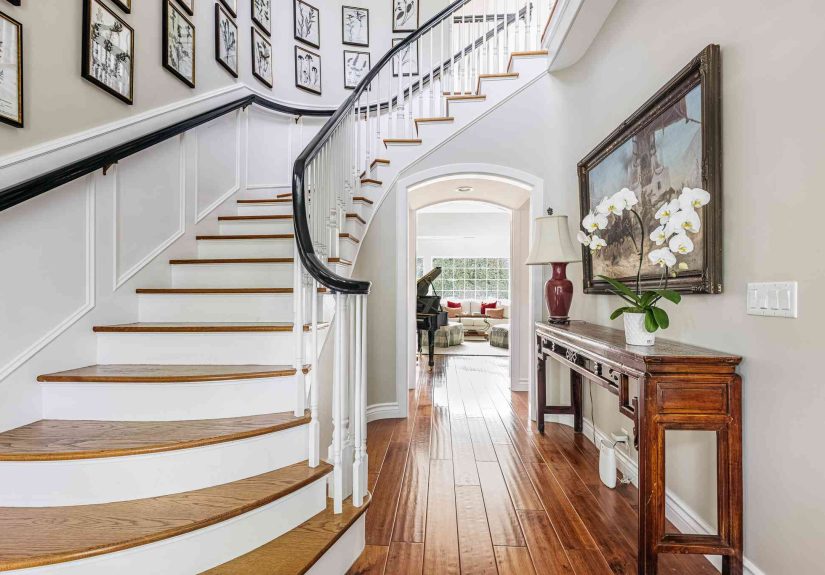
- 20) Decorate the staircase wall with a real gallery wall plan
- 21) Add wall paneling, wainscoting, or shiplap for depth
- 22) Wallpaper the stairwell like you mean it
- 23) Hang a statement pendant or chandelier in the stairwell
- 24) Add step lights or LED accents for safety and glow
- 25) Use warm wood tones to bring softness to modern spaces
- 26) Add a landing bench or built-in banquette
- 27) Turn the staircase into an art-and-display moment
- 28) Use alternating tread stairs when space is extremely tight
- 29) Make “invisible” upgrades: comfort, grip, and code-conscious details
- Conclusion: Your Staircase Shouldn’t Be an Afterthought
- Bonus: of Real-World Staircase Experience (So You Don’t Learn the Hard Way)
Stairs are the ultimate overachievers: they’re structural, functional, and somehow always the place where backpacks,
shoes, and one mysterious sock congregate. But design-wise? A staircase is prime real estate. It’s often the first thing
you see in an entryway, and it’s one of the few features that naturally pulls your eye upwardaka the interior designer’s
version of “please notice me.”
The good news: you don’t need a mansion or a dramatic movie entrance to make your staircase feel intentional. With the
right mix of materials, color, lighting, and a few “why didn’t I do that sooner?” upgrades, you can turn everyday steps
into a genuine focal point. Below are 29 staircase ideasranging from quick refreshes to “call your contractor and brace
your wallet”that will elevate your home’s design without turning your life into a never-ending renovation show.
Before You Make It Pretty: A Few Smart Design Rules
A beautiful staircase should also be comfortable and safe. Translation: don’t let a trendy detail become the reason your
guests develop a new fear of gravity. If you’re remodeling, keep handrails, tread depth, and consistent riser heights on
your radar, because those details affect how the stairs feel every single day. For cosmetic upgradespaint, runners,
lighting, decoraim for durability. Stairs are high-traffic by nature, so choose finishes that can handle real life
(including wet shoes, dog zoomies, and the occasional “I can carry all these groceries in one trip” mistake).
Design-wise, think of your staircase as a “bridge” between floors: it should connect styles, not fight them. If your home
leans modern, clean lines and airy materials shine. If it’s traditional, classic woodwork and tailored details feel right
at home. And if your style is “I like everything,” congratulationsyou’re eclectic, and staircases adore you.
29 Staircase Ideas That Instantly Upgrade Your Home
1) Paint the risers a surprise color
Keep the treads classic and add personality on the vertical faces. A muted sage, dusty blue, or even a cheeky terracotta
can make the staircase feel custom without screaming for attention. Bonus: scuffs show less on patterned or mid-tone
colors than on bright white.
2) Go two-tone for a tailored look
Two-tone stairs (light risers + darker treads, or vice versa) read crisp and intentional. It’s a simple way to echo other
finishes in your homelike matching the treads to your floors or tying the railing color to nearby hardware.
3) Try black-painted stairs for instant drama
Black stairs can look modern, traditional, or delightfully moody depending on the finish. A soft matte feels sophisticated;
a satin finish adds depth and stands up to traffic. If all-black feels intense, do black risers or a black stringer instead.
4) Add a stair runner that actually has personality
A stair runner is the fastest way to add softness, color, and traction in one move. Think bold stripes, geometric patterns,
or a vintage-inspired motifbecause stairs are a perfect place to be braver than you’d be on a giant living room rug.
5) Do an ombré (or rainbow) runner if your home likes fun
If your space already embraces color, an ombré runner is a showstopper. It turns the staircase into a “walk-up reveal,”
like your house is hosting its own runway showminus the paparazzi, plus your mail carrier.
6) Layer vintage runners for a collected, high-end look
Love that old-world, lived-in style? Layering vintage runners (or stitching multiple pieces) gives character that’s hard to
fake. It’s imperfect in the best waylike the staircase has stories, even if it’s only seen your family arguing about chores.
7) Finish the runner with stair rods (a.k.a. staircase jewelry)
Stair rods add a polished detail that feels classic and a little fancy. They can also visually “anchor” the runner so the
whole staircase looks styled, not just carpeted. Think of them as cufflinks for your stairs.
8) Swap standard balusters for something sleek
If your staircase looks dated, the balusters might be the culprit. Slim metal balusters, simplified wood spindles, or a more
open pattern can instantly modernize the vibe without changing the entire stair structure.
9) Make the newel post a statement
A chunky, beautiful newel post at the base of the stairs is a small architectural flex. You can upgrade it, wrap it, or even
paint it a contrasting color. It’s a detail that makes the whole staircase look more intentional.
10) Upgrade to cable railing for a light, airy feel
Cable railing (often paired with wood handrails) gives a bright, open look that works beautifully in coastal, modern, and
“I just want more light” homes. It also keeps sightlines open if your staircase sits in a smaller entryway.
11) Go for glass balustrades if you want maximum openness
Glass railings are the “invisible eyeliner” of staircase design: they define the shape while keeping the space visually
wide. They’re especially striking with floating stairs or in modern homes with lots of natural light.
12) Mix materials: wood + metal is basically a cheat code
Warm wood treads paired with black steel rails is a classic modern combo for a reasonit’s balanced. The wood adds
comfort, the metal adds edge, and together they make the stairs feel architectural instead of purely functional.
13) Consider a spiral staircase for small spaces (and big personality)
Spiral stairs save floor space and bring instant sculptural appeal. They’re great for lofts or tight layouts, but make sure
the geometry works for your householdbecause “cute” becomes “chaos” if it’s awkward to use every day.
14) Try a square spiral if you want modern structure
A square spiral keeps the footprint efficient while looking crisp and contemporary. It’s a smart compromise between “I want
drama” and “I also want to carry laundry upstairs without performing acrobatics.”
15) Install floating stairs for an instant architectural moment
Floating stairs feel modern, light, and just a little magical. They work best in open-plan homes where the staircase is
highly visible. Pair them with glass or minimalist railing to keep the “walk on air” effect.
16) Use open risers to let light travel through the stairwell
Open risers (where you can see through the vertical space between treads) make staircases feel less bulky. They’re perfect
for airy, modern spacesbut consider the reality of what will be visible through them (dust bunnies are not a design feature).
17) Turn under-stair space into built-in drawers
Under-stair drawers are a storage dream: shoes, sports gear, wrapping paper, and the things you swear you’ll organize “next
weekend” finally get a home. It’s one of the most practical staircase design upgrades you can make.
18) Create an under-stair reading nook
A cozy bench, a sconce, and a few shelves can turn dead space into your favorite corner. Even a small nook makes the staircase
area feel designed instead of leftover, which is a surprisingly big visual upgrade.
19) Build an under-stair pantry or wine closet
If your staircase is near the kitchen or dining area, consider storage that matches your lifestyle: a slim pantry, a beverage
station, or a lit wine closet. It’s functional, yes, but it also feels customlike your house has its life together.
20) Decorate the staircase wall with a real gallery wall plan
Staircase gallery walls work because the angle naturally guides your eye. Use the railing line as your “baseline,” mix frame
sizes, and keep spacing consistent. The key is planning: a staircase wall punishes randomness faster than a straight hallway does.
21) Add wall paneling, wainscoting, or shiplap for depth
If your stairwell feels flat, add texture. Wainscoting brings classic structure; vertical paneling adds height; shiplap reads
cozy and casual. Paint it a crisp white for timelessnessor go bold for a more modern feature wall.
22) Wallpaper the stairwell like you mean it
Stairwells are perfect for wallpaper because they’re transitional spacesyour brain expects a little drama there. Choose a
pattern that complements nearby rooms, and suddenly the staircase becomes a design experience, not just a route upstairs.
23) Hang a statement pendant or chandelier in the stairwell
A tall stairwell is prime lighting territory. A long pendant or chandelier creates a vertical focal point and makes the whole
entry feel grander. Think “boutique hotel energy,” minus the awkward lobby music.
24) Add step lights or LED accents for safety and glow
Lighting under the handrail, along the wall, or even embedded near risers can make stairs feel high-end. It also helps at
night when you’re trying to be quiet and gracefuland failing quietly, like the rest of us.
25) Use warm wood tones to bring softness to modern spaces
If your home is full of clean lines and neutral walls, wood treads (white oak, walnut, or similar) add warmth without adding
visual clutter. Pair with simple rails and let the natural grain do the talking.
26) Add a landing bench or built-in banquette
If your staircase has a landing or nearby nook, a bench makes it feel intentionaland useful. It’s a great spot for putting on
shoes, setting a bag down, or pretending you’re the main character pausing dramatically mid-staircase.
27) Turn the staircase into an art-and-display moment
Shelving under the stairs, a console table, or a small vignette can make the area feel designed. A curated stack of books,
a sculpture, and a plant goes a long wayjust keep the footprint clear so it doesn’t become an obstacle course.
28) Use alternating tread stairs when space is extremely tight
Alternating tread (sometimes called “ship” stairs) can solve difficult layouts in tiny homes or lofts. They’re steep and not
for everyone, so this is a “know your household” movegreat for occasional access, less great for toddlers, pets, or anyone
who carries laundry like a bear hug.
29) Make “invisible” upgrades: comfort, grip, and code-conscious details
Design isn’t only what you seeit’s what you feel. Add a solid handrail, keep steps consistent, choose non-slip finishes, and
address squeaks. A staircase that feels sturdy and easy to use automatically feels more premium, even if you didn’t change a
single decorative detail.
Conclusion: Your Staircase Shouldn’t Be an Afterthought
The best staircase design isn’t always the fanciestit’s the one that fits your home’s style, supports how you actually live,
and makes the daily up-and-down feel a little more enjoyable. Whether you add a stair runner, upgrade a railing, build clever
under-stair storage, or go all-in with floating stairs and glass, your staircase can become a true design featureone that
elevates your home in the most literal way possible.
Bonus: of Real-World Staircase Experience (So You Don’t Learn the Hard Way)
Here’s the part nobody tells you when you’re scrolling staircase ideas at midnight: stairs are where design meets reality at
full speed. You can pick the most beautiful stair runner on Earth, but if it’s too light for your household, it’ll look like
a “before” photo within a month. The best approach I’ve seen is choosing a runner (or paint finish) the way you’d choose
jeans: flattering, comfortable, and not so delicate that one bad day ruins them.
If you’re painting stairs, do not treat them like a regular wall. Stairs get kicked, scraped, and stomped on. Use a durable
floor-grade paint or enamel, and give it proper cure time. Dry-to-touch is not the same as “ready for a family of four and a
dog that thinks it’s a gymnast.” And if you’re doing a dark color, keep a small touch-up kit because scuffs will happen. The
trick is making the finish resilient enough that you’re not living in a constant cycle of regret and repainting.
Stair runners are absolutely worth it for comfort and sound reductionespecially in homes with hardwood floors where every
footstep echoes like a dramatic announcement. Installation is where people get tripped up (sometimes literally). Centering is
everything; if your runner drifts even a little, your eyes will notice forever. If you’re DIY-ing, measure carefully, mark
a center line, and don’t rush the stapling. If you’re hiring out, ask how they handle seams and transitions at landings so it
looks clean and intentional.
Railings are another place where “pretty” and “practical” have to shake hands. A sleek railing that feels wobbly will ruin
the entire staircase experience. And a handrail that looks great but isn’t comfortable to grip is a daily annoyance. If you’re
updating railings, pay attention to how your hand naturally holds the rail as you walkbecause you’ll be doing that motion
thousands of times a year, whether you realize it or not.
Lighting is the most underrated staircase upgrade. A stairwell with good lighting feels safer, larger, and more high-end.
The goal is layered light: an overhead statement fixture if the space allows, plus softer illumination along the routelike
sconces or subtle step lighting. And yes, dimmers matter. Your staircase shouldn’t be a stadium at 2 a.m. when you’re just
trying to sneak to the kitchen for a glass of water like a raccoon with responsibilities.
Finally, remember that the staircase is a connector. It doesn’t need to match every room perfectly, but it should feel like
it belongs in your home’s story. If you want to experiment, do it with reversible moves firstrunners, paint on risers,
art walls, lighting upgradesthen commit to the bigger structural changes once you’re confident in the direction. That’s how
you get a staircase that looks designer-approved and lives like it was built for you.