Table of Contents >> Show >> Hide
- First, What Counts as an “Infected Toe”?
- Way #1: The “Calm It Down” Method (Warm Soaks + Clean Care)
- Way #2: Treat the Trigger (Infected Ingrown Toenail Strategy)
- Way #3: Get Medical Treatment When It’s More Than “Mild”
- How to Keep It From Coming Back (Because Your Toe Has Better Things to Do)
- Quick FAQ (Because Someone Always Asks)
- Real-World Experiences People Commonly Report (Plus What Helped)
- Conclusion
- SEO Tags
An infected toe has a special talent: it can make a tiny body part feel like it deserves its own reality show.
Whether your toe is mad because of an ingrown nail, a small cut, or an irritated nail fold (hello, paronychia),
the good news is that many mild cases improve with smart home care. The not-so-fun news: toe infections can also
get serious fastespecially if you have diabetes, poor circulation, or a weakened immune system.
Below are three practical, evidence-based ways to treat (and often resolve) an infected toeplus clear “don’t wait”
warning signs and prevention tips so your toe can retire from its drama career.
First, What Counts as an “Infected Toe”?
“Infected toe” is an umbrella term. Most of the time, it’s one of these:
- Nail fold infection (paronychia): Redness, swelling, tenderness, and sometimes pus around the nail edge.
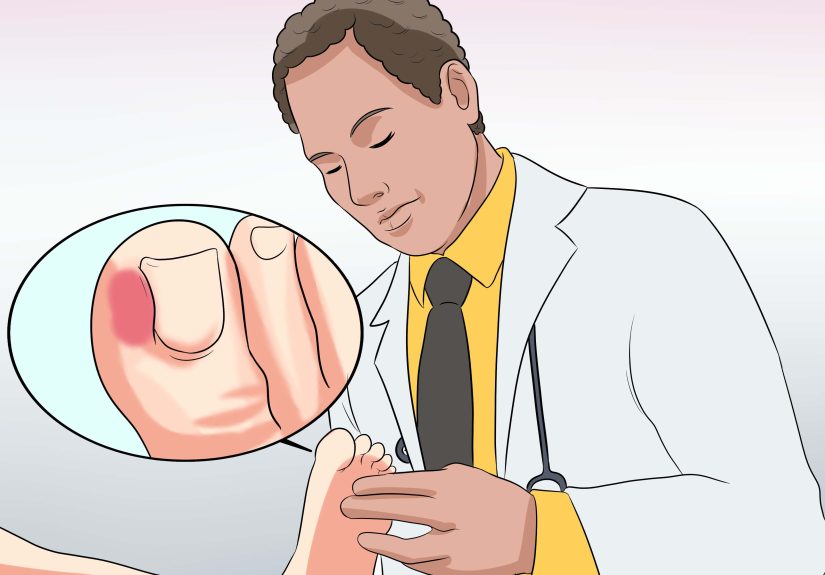
- Infected ingrown toenail: The nail edge digs into skin, causing pain, swelling, drainage, and worsening redness.
- Skin infection (cellulitis): Redness that spreads beyond the nail area, warmth, increasing pain, and sometimes fever.
Here’s a quick reality check: if you’re seeing rapidly spreading redness, severe pain, red streaks traveling up the foot,
fever/chills, or you feel generally unwell, skip the home remedies and get medical care the same day.
Way #1: The “Calm It Down” Method (Warm Soaks + Clean Care)
Mild toe infections often respond to a simple strategy: reduce swelling, improve drainage, and keep the area clean and protected.
Think of it as sending your toe to a spabut a practical one, not the cucumber-water kind.
Step-by-step home care for mild infection
-
Soak the toe in warm water for about 10–20 minutes, 2–4 times a day.
Warm soaks can ease pain and help swelling settle down. - Optional add-in: mild soap or Epsom salt can be used, but the main benefit is the warm soak itself.
- Dry completely afterward. Moisture is not your toe’s friend right now.
-
Apply a thin layer of ointment (often an over-the-counter antibiotic ointment or plain petrolatum).
Cover with a clean, loose bandage if the area rubs on socks/shoes. - Reduce pressure: Wear roomy shoes or open-toe footwear (when safe) so the toe isn’t constantly irritated.
- Hands off: Don’t pick, dig, or “see what happens if I just…” Your toe will not reward curiosity.
What to avoid (because it can slow healing)
- Don’t use hydrogen peroxide or rubbing alcohol on open skinthey can irritate tissue and delay healing.
-
Don’t try to puncture or drain anything at home (needles, pins, “sterilized” safety pins, etc.).
If there’s an abscess, it should be evaluated by a clinician.
How long should you try this?
If symptoms are mild and improve within 24–48 hours, keep going until things fully settle.
If you see no improvement after 2–3 days, if pus appears, or pain/redness increases, it’s time to move to Way #3 (medical care).
Way #2: Treat the Trigger (Infected Ingrown Toenail Strategy)
If the infection is happening because the nail edge is growing into the skin, you can do warm soaks forever and still feel stuck.
The fix is reducing the “nail stabbing skin” situationsafely.
Signs an ingrown nail is driving the problem
- Pain is worst along one side of the nail (often the big toe).
- Swelling and redness hug the nail edge.
- Walking or pressure from shoes ramps up the pain.
- Drainage, crusting, or a “puffy” nail fold appears.
Safe at-home steps for mild ingrown toenail irritation
- Soak first (Way #1) to soften the skin and reduce inflammation.
- Keep the toe dry and protected after soaking; use a loose bandage if needed.
- Footwear audit: Switch to shoes with a wide toe box and avoid tight socks that compress the toe.
-
Nail trimming rule: When trimming later (not during acute pain), cut nails straight acrossdon’t curve the corners down.
Avoid trimming nails too short.
What NOT to do with an infected ingrown nail
- Don’t dig under the nail with sharp tools or try to cut out a wedge at home.
- Don’t “rip” a nail corner off (your toe will remember).
- Don’t ignore drainage or excessive rednessthat’s a sign you may need professional treatment.
When an ingrown toenail needs a podiatrist
If there’s drainage, significant redness, worsening pain, or no improvement after a short trial of home care,
a podiatrist may recommend a minor in-office procedure to remove part of the nail edge and relieve the pressure.
For recurrent ingrown nails, they may treat the nail matrix to prevent that corner from coming back like a sequel no one asked for.
Important: if you have diabetes, poor circulation, or nerve damage in your feet, don’t attempt home treatment for an ingrown nailget evaluated early.
Way #3: Get Medical Treatment When It’s More Than “Mild”
Sometimes an infected toe isn’t a DIY project. If the infection is worsening, spreading, or forming an abscess,
medical care can prevent complications and speed up healing.
When to seek care urgently (same day)
- Fever or chills, or you feel sick overall.
- Redness spreading beyond the nail area or growing quickly.
- Red streaks moving up the toe/foot (possible lymphangitis).
- Severe pain, swelling, or a visible pocket of pus (abscess).
- New numbness, color changes, or trouble walking.
- Higher-risk conditions: diabetes, poor circulation, immune suppression, recent chemotherapy, or history of serious skin infections.
What a clinician may do
Depending on what they see, your provider may:
- Check for an abscess and drain it if needed (this is not a home procedure).
- Prescribe antibiotics if there’s cellulitis or significant infection.
- Treat an ingrown nail by removing the offending nail edge under sterile conditions.
- Evaluate for deeper infection if symptoms are severe or persistent (rare, but importantespecially if pain is intense or the infection keeps returning).
What to expect after starting proper treatment
Mild cases often feel better within a couple of days. More significant infections can take longer, especially if
there’s swelling and irritated tissue. If you’re prescribed antibiotics, take the full course as directed, even if your toe starts acting innocent again.
How to Keep It From Coming Back (Because Your Toe Has Better Things to Do)
Smart toenail habits
- Trim nails straight across (no deep rounding).
- Don’t cut nails extremely short.
- Use clean clippers; don’t share nail tools.
Shoe and sock sanity
- Choose shoes with a wide toe boxyour toes should be able to wiggle.
- Change sweaty socks promptly; keep feet dry.
- If you’re prone to athlete’s foot, treat itcracked skin can invite bacteria.
Small wounds deserve respect
Tiny cuts and blisters on the toes can be entry points for bacteria. Clean gently with water (and mild soap on surrounding skin),
keep the area protected, and monitor for redness and warmth.
Quick FAQ (Because Someone Always Asks)
Can I “cure” an infected toe at home?
You can often resolve a mild nail fold infection or early ingrown nail irritation with warm soaks, cleanliness,
pressure relief, and protection. But if symptoms worsen, spread, or involve fever, you need medical care.
How do I know if it’s cellulitis?
Cellulitis often looks like redness that spreads beyond the nail area, feels warm, and becomes increasingly painful.
Fever, chills, fatigue, or red streaks are especially concerning and should be evaluated quickly.
Is pus always an emergency?
Pus suggests a more significant infection. It doesn’t always mean “ER right now,” but it does mean you should contact a clinician,
especially if pain is worsening or you have any risk factors like diabetes.
Real-World Experiences People Commonly Report (Plus What Helped)
People rarely describe an infected toe in calm, neutral terms. The tone is usually more like:
“I didn’t know my big toe could have opinions.” Here are some common, realistic scenariosbased on patterns clinicians
hear all the timeplus what tends to help.
Experience #1: “It started as a tiny sore spot… and then my sock touched it.”
A lot of mild infections begin with a small irritation near the nail foldmaybe after trimming nails too short,
snagging the nail on a blanket (yes, really), or getting a little hangnail-like tear at the corner. The first sign
is often tenderness that feels out of proportion to how small the area looks. People say it throbs at night or feels
weirdly intense when shoes press on it.
What typically helps: warm soaks a few times daily, gentle drying, and taking pressure off with roomier shoes or
sandals. Many people notice improvement when they stop “checking it” every 10 minutes. (Your toe does not benefit
from hourly inspections.) If redness shrinks and pain eases within 48 hours, that’s a good sign you’re on the right track.
Experience #2: “I thought it was an ingrown nail, so I tried to fix itbad idea.”
This is extremely common. Someone sees the nail corner digging in and thinks, “I can solve this with nail clippers
and confidence.” Then the toe gets angrier: more swelling, more redness, sometimes drainage. It becomes painful to
walk, and suddenly every step feels like the toe is filing a complaint with HR.
What typically helps: stopping the digging immediately, doing warm soaks, and focusing on reducing irritation.
People often feel relief once the toe isn’t being re-injured daily. If drainage or excessive redness is present,
many report fast improvement after a podiatrist removes the offending nail edge safely. It’s usually a quick visit
and it can turn weeks of pain into a much shorter recovery.
Experience #3: “The redness kept spreading, and I started feeling off.”
When redness expands beyond the nail area or the foot starts feeling warm and tender, people often describe a shift:
it stops being “toe pain” and starts being “I don’t feel right.” Some notice fatigue, chills, or a red line traveling
upward. This can signal a spreading infection that needs prompt medical treatment.
What typically helps: same-day medical evaluation. People commonly report that once they started appropriate treatment
(which may include prescription antibiotics and proper wound care), the progression stopped. The biggest regret tends
to be waiting too long because they assumed it would “just go away.”
Experience #4: “It kept coming back until I changed my routine.”
Recurring toe infections often have a repeat offender: tight shoes, aggressive nail trimming, sweaty socks, or untreated athlete’s foot.
People who make one or two changeslike switching to a wider toe box, cutting nails straight across, drying feet carefully,
and treating flaky skinoften report fewer flare-ups. The lesson is boring but effective: prevention wins.
If there’s one takeaway from these common experiences, it’s this: mild infections respond best to calm, consistent care
and worsening infections respond best to getting help early. Your toe doesn’t need a heroic rescue mission; it needs the right plan.
Conclusion
“Curing” an infected toe usually comes down to three smart moves: (1) reduce inflammation and keep the area clean with warm soaks and gentle care,
(2) address common causes like ingrown toenails by removing pressure and avoiding at-home digging, and (3) get medical treatment quickly
if symptoms worsen, spread, or include fever, red streaks, or pus.
When in doubtespecially if you have diabetes or poor circulationtreat an infected toe like a small problem that deserves big respect.
Because the goal is simple: less drama, more walking.