Table of Contents >> Show >> Hide
- Why Rabbit Cleanliness Works Differently Than Dog or Cat Grooming
- 1. Groom the Coat Regularly Instead of Giving Baths
- 2. Keep the Litter Box and Living Space Dry, Clean, and Boringly Reliable
- 3. Watch the Rear End and Treat “Messy Bunny” as a Health Clue
- Helpful Habits That Make All Three Methods Work Better
- Common Mistakes to Avoid
- The Bottom Line on Keeping a Rabbit Clean
- Experience-Based Lessons Rabbit Owners Often Learn the Hard Way
- Conclusion
Note: This article is based on current rabbit-care guidance synthesized from reputable U.S. rabbit-welfare and veterinary sources. The main care principles reflected below are that rabbits are naturally clean animals, full baths are generally discouraged
PDSA
+5
House Rabbit Society
+5
Veterinary Medicine at Illinois
+5
leaned regularly, long-haired rabbits need more frequent grooming, and persistent dirty bottoms or urine scald should be treated as a veterinary concern.
PDSA
+6
PetMD
+6
House Rabbit Society
+6
Rabbits are basically tiny housemates in fur coats. They groom themselves, they prefer a tidy bathroom setup, and they judge your cleaning schedule with the quiet intensity of a Victorian aunt. That said, “clean” in rabbit terms does not mean bubble baths, scented shampoos, or turning your bunny into a damp burrito. In fact, keeping a rabbit clean is usually less about washing the rabbit and more about creating the kind of routine that lets the rabbit stay clean on its own.
If you have ever looked at your bunny and thought, “Why do you look fluffy, offended, and slightly dusty at the same time?” you are not alone. Rabbit hygiene is simple once you know the rules. The trick is to focus on the coat, the living space, and the health issues that can make a clean rabbit suddenly become a messy one. Below are three practical, rabbit-safe ways to keep your bunny fresh, healthy, and gloriously low-stink.
Why Rabbit Cleanliness Works Differently Than Dog or Cat Grooming
Before getting into the three methods, it helps to understand one thing: rabbits are not dogs, and they are definitely not tiny spa clients. Most rabbits do an excellent job grooming themselves. Their fur, skin, and stress levels are not built for frequent bathing. When owners try to “wash the smell away,” they often create bigger problems, including damp fur, chills, panic, and skin irritation.
That is why smart rabbit hygiene starts with prevention. A rabbit stays cleaner when loose fur is removed before it mats, when the litter setup stays dry, and when small problems like a dirty bottom or urine stains are noticed early. In other words, the goal is not to make your rabbit smell like cucumber-melon body wash. The goal is to keep your rabbit comfortable, dry, and healthy enough to handle most grooming naturally.
1. Groom the Coat Regularly Instead of Giving Baths
The first and most important way to keep a rabbit clean is routine grooming. This is the rabbit-approved alternative to bathing, and it works far better in the long run. Brushing removes loose fur, dander, dust, and bits of hay before they turn into tangles or cling to damp areas. It also helps you spot skin issues early, which is a big win because rabbits are experts at pretending everything is fine until it is very much not.
How often should you brush a rabbit?
That depends on the coat. A short-haired rabbit may only need a light brushing once or twice a week, with more attention during heavy shedding periods. Long-haired breeds such as Angoras or Lionheads usually need more frequent grooming, sometimes several times a week or even daily. If your rabbit looks like it is wearing a luxury winter throw year-round, your brush is now a lifestyle accessory.
What tools actually help?
Use a rabbit-safe brush or comb that is gentle on thin skin. A soft slicker brush, grooming glove, or fine comb may work depending on the coat type. Keep a towel nearby for traction and calm handling. For a rabbit that dislikes being groomed, short sessions are better than one dramatic wrestling match that leaves both of you emotionally unavailable.
What about dirty spots?
If your rabbit gets a small messy patch on the feet or rear, skip the full bath. Spot-clean with a damp cloth, unscented pet-safe wipe, or slightly moistened towel, then dry the area thoroughly. The goal is to clean the mess without soaking the rabbit. Think “precision cleanup,” not “full-service car wash.”
Regular grooming also reduces the amount of fur your rabbit swallows during self-grooming. That matters because rabbits cannot vomit like cats. The less loose hair they ingest, the better. Grooming sessions are also a good time to check nails, ears, eyes, and the rear end for anything unusual.
2. Keep the Litter Box and Living Space Dry, Clean, and Boringly Reliable
If you want a clean rabbit, clean the rabbit’s environment first. This is the most overlooked part of bunny hygiene. Rabbits sit, sleep, snack, loaf, and sometimes perform dramatic flops in the same general territory. If that area is damp, dirty, or loaded with old urine, your rabbit will carry the consequences in its fur.
A clean enclosure does more than reduce odor. It helps prevent stained feet, wet fur, skin irritation, and the dreaded “why does my bunny smell like a forgotten gym bag?” moment.
Start with the litter box
Most rabbits naturally prefer to use one bathroom area, which is excellent news for cleanliness. Spot-clean the litter box daily or every couple of days, depending on how many rabbits you have and how much they use it. Replace wet litter, remove soiled hay, and wipe down messes before they become crusty architecture.
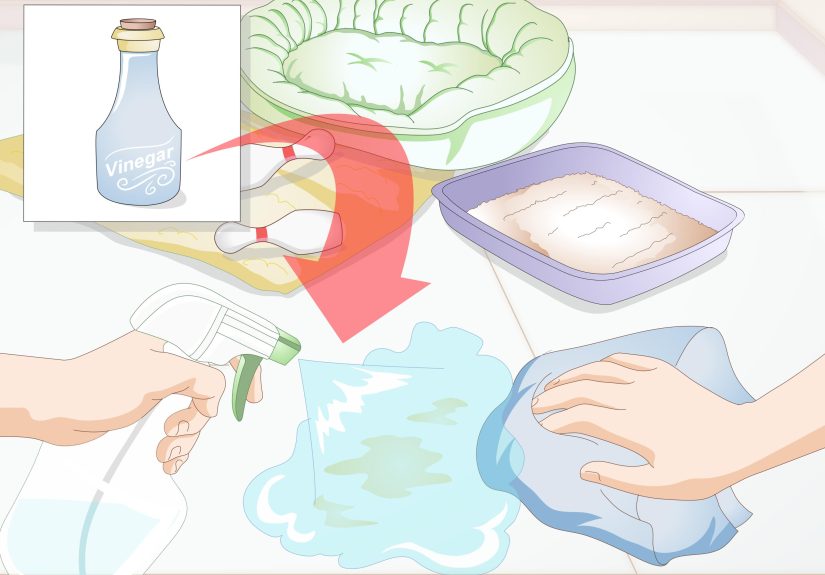
Deep-clean the box on a regular schedule, usually about once a week or sooner if it gets messy fast. White vinegar diluted with water is commonly used to loosen urine scale and mineral buildup. Rinse well and let the box dry before adding fresh litter and hay. Rabbits are clean, but they are also weirdly opinionated about their bathroom setup, so consistency helps.
Choose bedding and litter wisely
Use absorbent, rabbit-safe litter and keep a generous layer of fresh hay nearby or in the box if your rabbit likes to snack while doing bathroom business. Avoid anything heavily scented. A rabbit does not need “mountain breeze.” A rabbit needs dry feet and a setup that does not irritate the nose.
Do daily enclosure checks
Check for spilled water, damp corners, stuck-on droppings, and areas where urine may be splashing. Clean food dishes and water bowls or bottles regularly. Wash blankets, mats, and resting pads often enough that they stay dry and do not smell sour. If your bunny has favorite loafing zones, inspect them closely. Rabbits are creatures of habit, which is adorable until one corner becomes the official pee annex.
Why this matters more than people think
Dirty housing does not just create odor. It can lead to stained fur, sore skin, and poor litter habits. A rabbit that used to use the box neatly may start avoiding a filthy one. That creates a cycle: dirty box, accidents outside the box, messier fur, grumpier owner, side-eye from bunny. Break the cycle by making the bathroom area clean enough that your rabbit actually wants to use it.
3. Watch the Rear End and Treat “Messy Bunny” as a Health Clue
The third way to keep a rabbit clean is to understand that a dirty rabbit is sometimes a rabbit asking for help. If your bunny suddenly develops a messy bottom, urine-stained fur, sticky droppings, or a strong smell that does not improve with basic grooming, the answer may not be “clean harder.” The answer may be “find the cause.”
Dirty rear end is not always a grooming problem
Healthy rabbits usually keep themselves tidy. When they stop doing that, something may be getting in the way. Common reasons include obesity, arthritis, reduced mobility, dental pain, an improper diet, diarrhea, soft cecotropes stuck in the fur, urinary issues, or age-related difficulty reaching the rear end. This is especially common in senior rabbits and rabbits with chronic health conditions.
If the fur around the tail and hindquarters stays wet, it can lead to urine scald. That is not just a cosmetic issue. Constant moisture can irritate the skin and make the area painful. In severe cases, dirty or wet fur can attract flies and create dangerous complications. That is why recurring rear-end mess should move quickly from “ugh” to “vet call.”
When home care is okay
For a minor mess, you can gently trim only if you are experienced and the rabbit is calm, but many owners are better off avoiding scissors near bunny skin. A safer option is spot-cleaning the area with a damp cloth, then drying it fully. Keep bedding extra clean and dry while the skin recovers.
When a veterinarian should step in
Call a rabbit-savvy veterinarian if you notice matted fur around the bottom, repeated urine stains, redness, sores, foul odor, sudden litter box changes, or thick debris that will not come off easily. A vet may need to clip the fur, treat the skin, check for bladder sludge or other urinary problems, examine the diet, or identify mobility issues. In some rabbits, especially those with thick coats or painful skin, professional cleaning is the safest option.
Helpful Habits That Make All Three Methods Work Better
Feed for cleanliness, not just fullness
A rabbit on the right diet is often easier to keep clean. Plenty of hay supports digestion and helps reduce the soft, messy stool problems that end up stuck to fur. A poor diet can turn the bunny rear end into a preventable disaster zone.
Check the rabbit every day
You do not need a formal inspection with a clipboard, but a quick once-over matters. Look at the feet, rear, eyes, ears, and coat. A thirty-second check can catch a problem before it becomes a Saturday emergency.
Respect the rabbit’s stress level
Rabbits are prey animals. Cleanliness routines should be calm, predictable, and brief. Go slow, use a towel for support, and offer a reward afterward. Your rabbit does not need to love grooming. It just needs to survive it without filing an official complaint.
Common Mistakes to Avoid
- Giving full water baths for routine cleaning: This is one of the biggest mistakes rabbit owners make.
- Using scented shampoos or harsh cleaners: Rabbit skin and respiratory systems are sensitive.
- Ignoring a dirty bottom for days: What looks minor can become skin damage fast.
- Letting litter boxes stay damp too long: A dirty toilet discourages good litter habits.
- Assuming all mess is behavioral: Sometimes the rabbit is not being naughty. Sometimes the rabbit is uncomfortable.
The Bottom Line on Keeping a Rabbit Clean
The cleanest rabbits usually belong to owners who understand that rabbit hygiene is mostly about maintenance, not rescue missions. Brush regularly. Keep the living space dry. Pay close attention to the hind end. Those three habits solve the majority of cleanliness issues before they become health problems.
And yes, the irony is real: the best way to keep a rabbit clean is often to stop trying to wash the rabbit like a tiny dog. Rabbits prefer a different system. Less soaking, more brushing. Less fragrance, more fresh hay. Less panic, more routine. Your bunny will be cleaner, healthier, and far less likely to look at you like you have ruined its whole week.
Experience-Based Lessons Rabbit Owners Often Learn the Hard Way
One of the most common experiences rabbit owners talk about is the moment they realize that a “dirty rabbit” usually starts with a dirty setup, not a dirty personality. A new owner may notice stained paws or a strong odor and assume the rabbit needs a bath. Then they clean the litter box more often, swap out damp bedding sooner, and suddenly the rabbit looks cleaner without ever touching a tub. That lesson sticks. Rabbits are excellent self-groomers when their environment is working with them, not against them.
Another familiar experience happens during shedding season. Everything seems normal, and then one day the rabbit appears to be exploding in slow motion. Fur is on the rug, the sofa, your shirt, and somehow inside your coffee even though that feels statistically impossible. Owners who start brushing early usually stay ahead of it. Owners who wait often end up dealing with a rabbit that looks scruffy, swallows more hair, and becomes much harder to tidy. The experience teaches a simple truth: preventive brushing is easier than emergency de-fluffing.
Long-haired rabbits create a special category of education. Many people fall in love with the dramatic fluff and do not realize they have adopted what is basically a sentient feather duster. These owners often learn that cleanliness is a schedule, not a vibe. Miss several grooming sessions, and mats begin to form around the rear, belly, or sides. Once that happens, cleaning becomes more stressful for everyone. Experienced owners usually become disciplined fast. They keep combs handy, trim carefully when appropriate, and learn to check hidden areas instead of trusting the top layer of fluff to tell the full story.
Senior rabbits also teach important hygiene lessons. An older bunny that once stayed spotless may suddenly need help reaching the rear end. Owners often describe this as surprising and a little emotional. The rabbit has not become lazy; the rabbit may be stiff, overweight, arthritic, or dealing with another health issue. In these cases, keeping the rabbit clean becomes part grooming, part nursing care. Softer bedding, more frequent checks, careful spot-cleaning, and veterinary support make a huge difference. The experience usually changes how owners think about hygiene. Cleanliness becomes less about appearance and more about comfort, dignity, and health.
There is also the classic litter box lesson. Many owners discover that rabbits can be beautifully consistent until the box gets too dirty, too cramped, or too smelly. Then accidents begin. It is easy to blame the bunny, but the real fix is often boringly simple: scoop more often, refresh hay, wash the box, and keep the area dry. Once the setup improves, the “behavior problem” mysteriously disappears. Funny how that works.
In the end, real-life rabbit experience tends to lead owners to the same conclusion: the cleanest rabbits are not the ones that get washed the most. They are the ones with regular grooming, a dry home, a healthy diet, and humans who notice small changes early. That is the kind of cleanliness rabbits actually understand.
Conclusion
If you want to keep a rabbit clean, focus on the three strategies that actually work: groom the coat regularly, maintain a dry and tidy living area, and treat persistent mess as a sign to investigate health or mobility problems. That approach is safer than bathing, more effective than masking odors, and much more in tune with how rabbits naturally live. A clean rabbit is usually the result of good habits, not heroic scrubbing.
“` :