Table of Contents >> Show >> Hide
- Why Honey Works So Well in a Face Mask
- Before You Start: Patch Test First
- Way 1: The Simple Honey Face Mask for Soft, Hydrated Skin
- Way 2: Honey and Oatmeal Face Mask for Calm, Comfortable Skin
- Way 3: Honey, Yogurt, and Aloe Face Mask for a Fresh Glow
- How Long Should You Leave a Honey Face Mask On?
- What Not to Add to a Honey Face Mask
- Best Skin Types for Honey Face Masks
- How Often Should You Use a Honey Face Mask?
- Step-by-Step Honey Face Mask Routine
- Extra Experience Section: What It’s Really Like to Use Honey Face Masks
- Conclusion
Honey has been sweet-talking humans for thousands of years, mostly from inside a teacup or drizzled over toast. But in the beauty world, honey has also earned a spot on the bathroom counter. A honey face mask is simple, inexpensive, and surprisingly versatile: it can help skin feel softer, calmer, and more comfortable when used correctly. The key phrase, of course, is “used correctly.” Your face is not a pancake, and your kitchen is not a chemistry lab with mood lighting.
In this guide, we’ll cover 3 ways to make a honey face mask using easy ingredients: a basic honey mask for hydration, a honey and oatmeal mask for comfort, and a honey-yogurt-aloe mask for a fresher, smoother feel. You’ll also learn how to choose the right honey, how long to leave a mask on, what ingredients to avoid, and how to patch test before you spread anything sticky across your cheeks like a very committed spa raccoon.
Before we begin, one important note: DIY face masks can support a healthy skin-care routine, but they are not medical treatments for acne, eczema, rosacea, infections, burns, or allergic reactions. If your skin is painful, swollen, cracked, bleeding, or suddenly angry enough to write a complaint letter, talk with a board-certified dermatologist.
Why Honey Works So Well in a Face Mask
Honey is popular in homemade skin care because it has a naturally thick texture, spreads easily, and helps skin feel moisturized. It contains sugars that behave like humectants, meaning they help attract and hold water near the skin’s surface. That is why a honey mask can leave your face feeling soft and dewy instead of tight and squeaky.
Honey is also known for antioxidant, antibacterial, and anti-inflammatory properties, especially in certain types such as raw honey and manuka honey. That does not mean honey will magically erase acne overnight. If a jar of honey could do that, dermatologists would be out of business and bees would have publicists. But honey may help calm the look of temporary redness and dryness when used gently and rinsed off properly.
What Kind of Honey Should You Use?
For a face mask, choose pure honey with no added flavoring, dyes, fragrance, or glittery “spa magic.” Raw honey and manuka honey are common choices because they are less processed and often used in skin-care discussions. Regular pure honey can still work well for a simple hydrating mask.
Avoid honey blends that contain corn syrup, artificial flavors, cinnamon, lemon, or essential oils. Those ingredients may sound cozy in tea, but on facial skin they can cause irritation. Also avoid applying honey to open wounds unless you are using a medical-grade product under professional guidance. Food-grade honey and medical-grade honey are not the same thing.
Before You Start: Patch Test First
Even natural ingredients can irritate skin. Honey allergies are uncommon, but they can happen, especially in people sensitive to bee products, pollen, or certain plant sources. Yogurt, oats, aloe, and other additions can also trigger reactions in some people.
To patch test, apply a small amount of the finished mask to the inside of your arm or the bend of your elbow. Leave it on for the same amount of time you plan to use it on your face, then rinse. Watch the area for redness, itching, swelling, burning, or bumps over the next day. If your skin protests, listen to it. Skin is dramatic, but it usually has a reason.
Way 1: The Simple Honey Face Mask for Soft, Hydrated Skin
This is the easiest honey face mask and the best place to start. It uses only one ingredient, which means fewer chances for irritation and less cleanup. It is ideal for normal, dry, or combination skin that needs a quick moisture boost.
Ingredients
- 1 tablespoon pure honey
- A few drops of lukewarm water, if needed
How to Make It
- Wash your face with a gentle cleanser and pat your skin slightly damp.
- Scoop 1 tablespoon of honey into a clean bowl.
- If the honey is very thick, mix in a few drops of lukewarm water.
- Apply a thin, even layer over your face using clean fingertips.
- Avoid the eye area, eyebrows, hairline, and lips unless you enjoy feeling like a glazed donut.
- Leave on for 10 to 15 minutes.
- Rinse with lukewarm water and gently pat dry.
- Follow with a fragrance-free moisturizer.
Why This Mask Helps
The simple honey mask is all about hydration and comfort. Honey’s sticky texture helps it stay on the skin long enough to make the face feel softer after rinsing. Because there are no gritty particles, acids, or strong add-ins, this version is usually the gentlest of the three honey face mask recipes.
Use this mask once a week if your skin tolerates it well. If your skin is very dry, you may be tempted to use it every night. Resist the urge. More is not always better in skin care. Sometimes more is just more laundry, more stickiness, and more chances for irritation.
Way 2: Honey and Oatmeal Face Mask for Calm, Comfortable Skin
If your skin feels dry, rough, or mildly irritated from weather, over-cleansing, or a long week of indoor air that feels like desert wind, a honey and oatmeal face mask may be a good option. Oatmeal is widely used in skin-care products because it can help soothe the feel of dry or uncomfortable skin. When paired with honey, it creates a creamy mask that feels gentle and nourishing.
Ingredients
- 1 tablespoon pure honey
- 1 tablespoon finely ground oats or colloidal oatmeal
- 1 teaspoon lukewarm water, as needed
How to Make It
- Grind plain oats into a fine powder using a clean blender or coffee grinder, or use store-bought colloidal oatmeal.
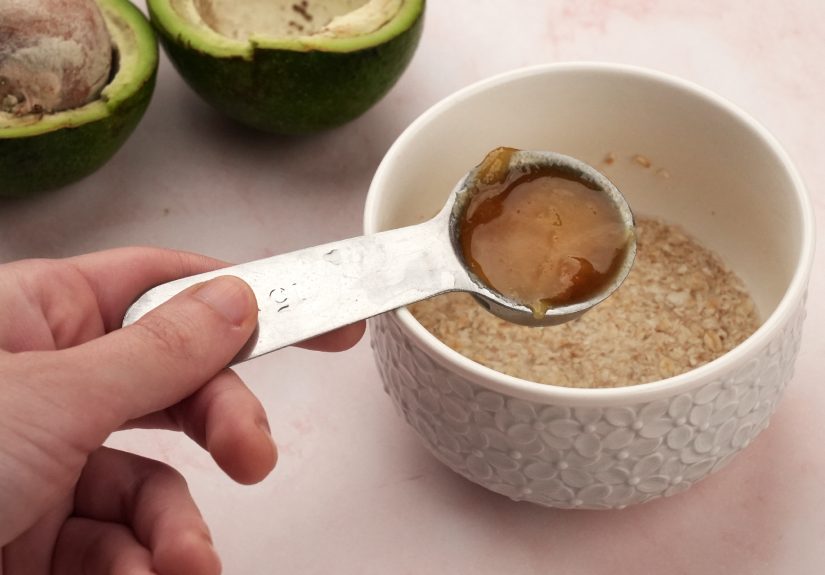
- Mix the oatmeal powder with honey in a small bowl.
- Add a little lukewarm water until the mixture becomes a soft paste.
- Apply gently to clean, damp skin.
- Do not scrub. Let the oats sit politely on your face; they do not need to sand the furniture.
- Leave on for 10 minutes.
- Rinse with lukewarm water using light circular motions only if your skin is not sensitive.
- Pat dry and apply moisturizer.
Why This Mask Helps
Oatmeal is a comforting ingredient because it contains compounds that help support the skin barrier and reduce the feeling of dryness. The honey adds a moisturizing touch, while the oatmeal thickens the mask so it stays put instead of sliding toward your chin like a tiny breakfast avalanche.
This mask is especially useful when your skin feels tight after cleansing. However, skip it if you have an oat allergy, active rash, open skin, or severe sensitivity. Use it once weekly, and avoid rubbing too hard when rinsing. Even gentle ingredients can become rude when used with too much enthusiasm.
Way 3: Honey, Yogurt, and Aloe Face Mask for a Fresh Glow
This honey face mask is for skin that looks dull, tired, or a little “I slept five hours and called it character development.” Plain yogurt contains lactic acid, a mild alpha hydroxy acid that can help skin look smoother and brighter. Aloe vera gel is lightweight and soothing, making it a useful partner for honey and yogurt.
Because this recipe contains a mild exfoliating ingredient, it is not the best choice for very sensitive skin, freshly shaved skin, sunburned skin, or skin already using retinoids, exfoliating acids, or acne medications. When in doubt, choose the simple honey mask instead.
Ingredients
- 1 tablespoon pure honey
- 1 teaspoon plain, unsweetened yogurt
- 1 teaspoon pure aloe vera gel
How to Make It
- Choose plain yogurt with no sugar, fruit, flavoring, or fragrance.
- Mix honey, yogurt, and aloe vera gel in a clean bowl.
- Apply a thin layer to clean skin, avoiding the eye area.
- Leave on for 5 to 10 minutes only.
- Rinse thoroughly with lukewarm water.
- Follow with a gentle moisturizer and sunscreen if using during the day.
Why This Mask Helps
This mask combines three different benefits: honey for moisture, yogurt for a smoother-looking surface, and aloe for a lightweight soothing effect. It can be a nice pre-event mask when you want your skin to look fresh without doing anything extreme.
Do not use this mask more than once a week. If you notice stinging, burning, or redness, rinse it off immediately. A face mask should feel like self-care, not like your cheeks are hosting a tiny bonfire.
How Long Should You Leave a Honey Face Mask On?
Most honey face masks should stay on for 5 to 15 minutes. The simple honey mask can usually sit for 10 to 15 minutes, while masks with yogurt or other active ingredients should be shorter. Longer is not automatically better. Leaving a mask on too long can lead to dryness, irritation, or clogged-feeling skin, especially if the mixture contains dairy or exfoliating ingredients.
Always rinse with lukewarm water, not hot water. Hot water can strip natural oils and leave your skin feeling tight. After rinsing, pat your face dry with a clean towel and apply moisturizer while your skin is still slightly damp.
What Not to Add to a Honey Face Mask
The internet loves dramatic DIY beauty recipes, but your skin prefers boring stability. Avoid adding lemon juice, baking soda, undiluted essential oils, cinnamon, toothpaste, crushed nuts, salt, or sugar scrubs to your honey face mask. These ingredients can irritate the skin, disrupt the skin barrier, cause burning, or create tiny scratches.
Lemon juice is especially risky because it can increase sensitivity and irritation. Baking soda is too alkaline for facial skin. Cinnamon can burn or inflame sensitive skin. Sugar and salt may feel like they are “polishing” your face, but facial skin is not a cast-iron skillet. Be gentle.
Best Skin Types for Honey Face Masks
Dry Skin
Dry skin may enjoy the simple honey mask or honey-oatmeal mask. Follow with a cream moisturizer to seal in hydration. A mask can help temporarily, but daily moisturizing matters more.
Oily Skin
Oily skin can try the simple honey mask in a thin layer. Avoid heavy oils in DIY masks, especially if you are prone to clogged pores. Honey is sticky enough; it does not need a greasy sidekick.
Sensitive Skin
Sensitive skin should start with the one-ingredient honey mask and patch test carefully. Skip yogurt, acids, essential oils, spices, and scrubs. If your skin often reacts to new products, ask a dermatologist before experimenting.
Acne-Prone Skin
Honey may help calm the look of redness and dryness, but it is not a replacement for acne treatment. If you have persistent acne, painful cysts, scarring, or frequent breakouts, use evidence-based acne care and consult a dermatologist.
How Often Should You Use a Honey Face Mask?
For most people, once a week is enough. If your skin is very tolerant, the simple honey mask may be used up to twice weekly. Masks with yogurt, oatmeal, or aloe should generally stay at once weekly. Overdoing masks can weaken your skin barrier, especially if you are also using exfoliating products, retinoids, benzoyl peroxide, or acne prescriptions.
Think of a honey mask as a supporting actor, not the main character. The stars of a healthy skin-care routine are still gentle cleansing, moisturizing, sunscreen, and consistency. Honey can make a guest appearance, steal a few scenes, and then politely leave.
Step-by-Step Honey Face Mask Routine
- Cleanse: Wash with a mild, fragrance-free cleanser.
- Patch test: Especially if using a new recipe.
- Apply: Use clean fingers or a clean mask brush.
- Wait: Leave on for the recommended time.
- Rinse: Use lukewarm water and avoid scrubbing.
- Moisturize: Apply a gentle moisturizer right away.
- Protect: Use sunscreen during the day.
Extra Experience Section: What It’s Really Like to Use Honey Face Masks
The first thing you learn when making a honey face mask is that honey has ambition. It wants to be everywhere. On your fingers. On the sink. On the faucet handle. Possibly on your phone, even though your phone was in another room and has no legal reason to be sticky. So the best experience tip is simple: prepare before applying. Tie your hair back, wear an old T-shirt, and keep a damp washcloth nearby.
The simple honey mask feels glossy and thick at first. If you apply too much, gravity gets involved, and suddenly your self-care ritual becomes a slow-motion syrup migration. A thin layer works better. It should look shiny, not like you are preparing to be served at brunch. After about 10 minutes, the mask may feel slightly tacky but should not burn or sting. When rinsed off with lukewarm water, skin often feels smoother and more comfortable, especially if it was dry before.
The honey and oatmeal mask feels more like a traditional spa treatment. It is thicker, less drippy, and easier to control. The trick is grinding the oats finely. Large oat flakes are great in cookies but awkward on cheeks. Fine oatmeal creates a creamy paste that rinses away without rough scrubbing. This mask is especially pleasant in colder months when indoor heating makes skin feel tight. The result is not a dramatic “new face, who dis?” transformation, but a softer, calmer feeling that makes your moisturizer apply more smoothly.
The honey, yogurt, and aloe mask is the freshest of the three. It feels cool and light, which makes it appealing before a night out or after a long day. But because yogurt contains lactic acid, it deserves respect. Leave it on for a shorter time, especially during the first use. Five minutes may be enough. If your skin feels sensitive afterward, do not repeat it the next day. Skin care is not a competitive sport, and your face does not earn points for suffering.
One common mistake is using a honey mask on dirty skin. Honey should go on clean skin so it can sit evenly without trapping makeup, sunscreen, sweat, or pollution underneath. Another mistake is skipping moisturizer afterward. A mask can add temporary softness, but moisturizer helps keep water from escaping. Without that final step, your skin may feel nice for ten minutes and then return to its regularly scheduled dryness.
Storage is another practical issue. DIY honey masks are best made fresh. Do not mix a big jar of honey, yogurt, and aloe and keep it in the bathroom for weeks. Bathrooms are humid, warm, and not exactly famous for food safety. Make only what you need, use clean utensils, and throw away leftovers. Your future face will thank you.
Finally, pay attention to your skin’s personality. Some people can use honey masks weekly and love the glow. Others find honey too sticky, yogurt too active, or aloe too irritating. That does not mean you failed. It means your skin has preferences, and apparently it has chosen to be a tiny luxury client. Work with it. Start simple, keep recipes gentle, and stop immediately if something feels wrong.
Conclusion
A honey face mask can be a lovely, low-cost way to add softness and comfort to your skin-care routine. The simple honey face mask is best for beginners and hydration. The honey and oatmeal face mask is great when skin feels dry or uncomfortable. The honey, yogurt, and aloe face mask can help skin look fresher and smoother when used carefully.
The secret is not complicated: use clean ingredients, patch test first, avoid harsh add-ins, rinse with lukewarm water, and moisturize afterward. Honey may be sweet, but smart skin care is even sweeter.
Note: This article is for general educational purposes and does not replace professional dermatology advice. Do not use DIY masks on broken, infected, severely irritated, or medically treated skin without asking a qualified clinician.