Table of Contents >> Show >> Hide
Yellow stool can be harmless, weird, temporary, or occasionally a sign that your digestive system is waving a tiny yellow flag. Here are eight common causes, what they may mean, and when it is time to call a healthcare professional.
What Does Yellow Stool Mean?
Let’s be honest: nobody wants to become a stool color detective. Yet here we are, because poop is one of the body’s most honest messengers. The Spanish phrase “heces amarillas” means yellow stool, and it describes bowel movements that appear pale yellow, mustard yellow, golden, orange-yellow, greasy yellow, or even clay-yellow.
Normal stool is usually brown because bile, a digestive fluid made by the liver and stored in the gallbladder, changes color as it moves through the intestines. When digestion speeds up, fat is not absorbed well, bile flow changes, or certain foods dominate the menu, stool can look yellow instead of brown.
An occasional yellow bowel movement is often not a big deal. Maybe you ate enough sweet potatoes to make your grocery cart look like a fall festival. Maybe your stomach moved food along quickly after a mild stomach bug. But if yellow poop keeps coming back, smells unusually foul, floats, looks oily, comes with weight loss, fever, abdominal pain, jaundice, or dark urine, it deserves medical attention.
Heces Amarillas: 8 Common Causes
1. Foods Rich in Beta-Carotene or Yellow Dyes
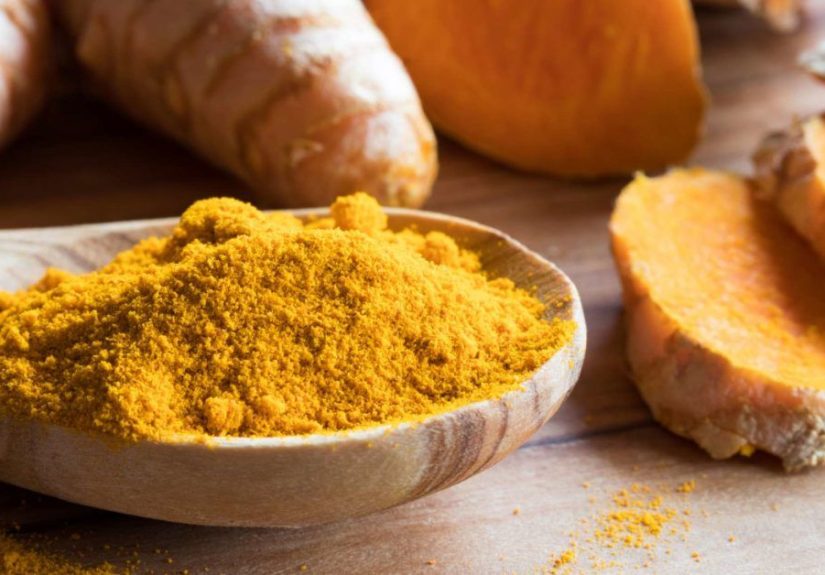
Sometimes yellow stool has a very simple explanation: your plate did it. Foods high in beta-carotene, such as carrots, pumpkin, squash, sweet potatoes, and some leafy greens, can give stool a yellow-orange tint. Turmeric, curry blends, yellow food coloring, and brightly colored processed snacks may also contribute.
This type of yellow stool usually appears after a noticeable dietary change and goes away once the food passes through your system. It is typically not greasy, painful, or persistent. Think of it as your digestive tract sending a colorful receipt for what you ate.
Example: If you had a smoothie with mango, carrot juice, turmeric, and a heroic amount of sweet potato fries at dinner, a yellowish bowel movement the next day may not be shocking. Your intestines are not being dramatic; they are just reporting the menu.
2. High-Fat Meals
A very fatty meal can sometimes make stool look yellow, loose, shiny, or greasy. Fat needs bile and digestive enzymes to break down properly. If the meal overwhelms digestion or moves too quickly through the intestines, some fat may remain in the stool.
This can happen after eating deep-fried foods, heavy cream sauces, greasy fast food, rich desserts, or large portions of fatty meat. In many cases, the color returns to normal once your eating pattern stabilizes. However, yellow, greasy, foul-smelling stool that happens repeatedly may suggest fat malabsorption, meaning your body is not absorbing fat as it should.
Occasional greasy yellow stool after an oversized meal is one thing. Frequent oily stool that floats, leaves residue in the toilet, smells stronger than usual, and comes with bloating or weight loss is another. That second situation should be discussed with a healthcare provider.
3. Fast Digestion or Diarrhea
Yellow diarrhea often happens when stool travels through the intestines too quickly. Bile normally starts out yellow-green and gradually changes as bacteria and digestive processes work on it. When the bowel is in a rush, bile may not have enough time to turn stool brown.
This can occur with viral gastroenteritis, food poisoning, sudden diet changes, stress-related diarrhea, or temporary irritation of the gut. In these cases, yellow stool is often loose or watery and may be accompanied by cramps, nausea, gas, or urgency.
The key is duration. A short episode that improves with hydration, bland foods, and rest may be minor. But diarrhea that lasts more than a few days, contains blood, causes dehydration, or comes with high fever or severe pain should not be ignored.
4. Giardiasis or Other Intestinal Infections
Giardiasis is an intestinal infection caused by the parasite Giardia. It can spread through contaminated water, food, surfaces, or close contact with someone who is infected. One classic clue is foul-smelling diarrhea that may look yellow, greasy, or floating.
People may also experience gas, bloating, nausea, stomach cramps, fatigue, and weight loss. The stool can be especially unpleasant because Giardia can interfere with nutrient and fat absorption. In other words, it is not just yellow; it may announce itself like a foghorn in a small bathroom.
This infection is more likely after drinking untreated water, traveling, swimming in contaminated water, working in childcare settings, or being around someone with diarrhea. A healthcare provider can test stool samples and prescribe treatment if Giardia or another infection is confirmed.
5. Celiac Disease and Gluten-Related Malabsorption
Celiac disease is an autoimmune condition in which eating gluten damages the small intestine. Gluten is a protein found in wheat, barley, and rye. When the intestinal lining is damaged, the body may struggle to absorb nutrients properly, including fat.
That malabsorption can lead to bulky, pale, yellowish, greasy, or foul-smelling stools. Other symptoms may include chronic diarrhea, constipation, bloating, gas, fatigue, anemia, mouth ulcers, headaches, itchy skin rash, or unexplained weight loss. Some people have mild digestive symptoms but significant nutrient deficiencies.
If yellow stool appears along with long-term bloating, diarrhea, fatigue, or symptoms after eating bread, pasta, cereal, or baked goods, celiac disease may be worth discussing with a doctor. It is important not to start a gluten-free diet before testing unless a healthcare professional advises it, because removing gluten too early can affect test accuracy.
6. Gallbladder or Bile Duct Problems
The gallbladder stores bile, and bile helps digest fat while giving stool its typical brown color. If bile cannot flow normally because of gallstones, bile duct blockage, inflammation, or certain liver and gallbladder conditions, stool may become pale, clay-colored, grayish, or yellowish.
This cause deserves special attention. Yellow stool from diet usually looks like a color change. Stool from poor bile flow may look unusually pale, chalky, or clay-like. It may also come with dark urine, yellowing of the skin or eyes, itching, nausea, vomiting, fever, or pain in the upper right abdomen, especially after fatty meals.
Gallstones can be silent, but when they block normal bile movement, symptoms can become serious. If yellow or pale stool appears with jaundice, dark urine, fever, or strong abdominal pain, medical care should be sought promptly.
7. Pancreatic Enzyme Problems
The pancreas produces enzymes that help digest fat, protein, and carbohydrates. When the pancreas does not release enough digestive enzymes, a condition called exocrine pancreatic insufficiency may develop. Without enough enzymes, fat can pass into stool instead of being absorbed.
This can cause yellow, greasy, floating, bulky, or very foul-smelling bowel movements. Other symptoms may include bloating, cramps, gas, diarrhea, and unintended weight loss. Causes can include chronic pancreatitis, pancreatic surgery, cystic fibrosis, pancreatic cancer, or other conditions affecting pancreatic function.
Pancreatic-related stool changes are usually not a one-day mystery. They tend to repeat and may worsen after high-fat meals. If you notice oily stool that floats often, weight loss without trying, or persistent digestive discomfort, it is time to get evaluated.
8. Normal Yellow Stool in Babies
In babies, yellow stool is often completely normal. Breastfed infants commonly have mustard-yellow, loose, seedy stools. Formula-fed babies may have stool that is tan, yellow, or light brown and somewhat firmer. Parents and caregivers may be alarmed by the color, but yellow is usually part of the normal baby poop rainbow.
However, some colors are more concerning. White, gray, black, or red stool in infants should be discussed with a pediatrician. Yellow stool that comes with fever, dehydration, poor feeding, repeated vomiting, blood, or unusual lethargy also needs medical advice.
For adults, yellow stool may be a symptom. For babies, yellow stool can simply mean: “Congratulations, the digestive system is doing baby things.” Context matters.
When Yellow Stool Is Usually Not Serious
Yellow stool is more likely to be harmless when it happens once or twice, follows a clear food trigger, does not come with pain or fever, and returns to brown within a short time. A temporary color change after carrots, turmeric, yellow dye, or a rich meal usually does not require panic.
It may also happen during a short stomach bug. When diarrhea speeds up digestion, stool can look yellow because bile has less time to break down. In that case, hydration is the big priority. Water, oral rehydration solutions, broth, bananas, rice, toast, applesauce, and simple foods may help while the gut recovers.
Still, “usually not serious” does not mean “always ignore it.” Pay attention to the whole picture: color, smell, texture, frequency, pain, fever, weight changes, and how long it lasts.
When to See a Doctor
Contact a healthcare provider if yellow stool lasts more than a few days without an obvious dietary reason, keeps returning, or appears with greasy texture, floating stool, strong foul odor, ongoing diarrhea, or unexplained weight loss.
Seek urgent medical care if yellow or pale stool comes with yellowing of the skin or eyes, dark urine, severe abdominal pain, persistent vomiting, fever, dehydration, black stool, red blood in stool, confusion, or extreme weakness. These symptoms may point to infection, bile duct blockage, liver disease, or another condition that needs prompt evaluation.
A doctor may ask about your diet, medications, supplements, travel, water exposure, recent illness, family history, and stool pattern. Testing may include stool studies, blood tests, liver enzyme tests, celiac disease screening, imaging of the gallbladder or liver, or pancreatic function evaluation.
How Yellow Stool Is Treated
Treatment depends on the cause. If food is the trigger, the solution may be as simple as adjusting your diet and waiting for your digestive system to return to its usual programming. If diarrhea is the issue, hydration and rest may be enough for mild cases.
For infections such as giardiasis, prescription medicine may be needed. For celiac disease, a strict gluten-free diet is usually the foundation of treatment. For gallbladder or bile duct problems, treatment may involve medication, imaging, procedures, or surgery depending on the cause. For pancreatic enzyme insufficiency, doctors may prescribe pancreatic enzyme replacement therapy and recommend dietary changes.
The most useful rule is this: do not treat persistent yellow stool as a cosmetic issue. The color is only the clue. The real goal is identifying why digestion changed.
Practical Tips to Track Yellow Stool
If you notice yellow stool, write down what happened in the previous 24 to 72 hours. Include foods, supplements, medications, alcohol intake, stress level, travel, water exposure, stomach symptoms, and stool consistency. Yes, this is not the glamorous journaling trend influencers promised us, but it is surprisingly useful.
Track whether the stool is watery, greasy, floating, bulky, pale, clay-colored, or simply yellowish-brown. Also note smell, pain, fever, nausea, and weight changes. If you visit a clinician, these details can help narrow the possibilities faster than saying, “Something weird happened in the bathroom.”
Do not stop prescribed medication without medical advice. Do not start a restrictive diet, such as gluten-free eating, before testing if celiac disease is a concern. And do not rely on stool color alone to diagnose yourself. The internet may be helpful, but your toilet is not a medical degree.
Experience-Based Notes: What People Often Notice With Yellow Stool
Many people first notice yellow stool by accident. They are not studying it like a science project; they simply glance down and think, “Well, that is new.” In everyday life, yellow stool often appears after a weekend of richer food, a vacation diet, a stomach bug, or a new supplement. A person might remember eating turmeric-heavy curry, carrot soup, sweet potato fries, or brightly colored snacks. When the stool returns to normal within a day or two, the experience usually becomes a slightly awkward but harmless digestive footnote.
Another common experience is yellow stool during diarrhea. People often describe it as sudden, urgent, loose, and brighter than usual. This can happen after viral gastroenteritis or a meal that did not agree with them. The stool may look yellow because everything is moving too quickly. In these situations, people usually feel cramps, bubbling, gas, nausea, or the classic “I should not be more than six feet from a bathroom” sensation. Hydration becomes essential, because diarrhea can drain fluids and salts quickly.
Some people notice a different pattern: yellow stool that floats, smells unusually bad, or leaves an oily film. That experience can feel more concerning because it repeats, especially after fatty meals. The person may also feel bloated, gassy, tired, or notice weight loss despite eating normally. This type of yellow stool is more suspicious for fat malabsorption and should be checked by a healthcare provider. It is not about being embarrassed; doctors discuss digestion every day. To them, stool details are data, not drama.
Parents often have a very different experience with yellow stool. Newborn and infant poop can be yellow, mustard-like, seedy, and loose, especially in breastfed babies. For new parents, this can look alarming at first. Then the pediatrician explains that yellow baby poop is often normal, and everyone breathes again. The bigger warning colors in babies are usually white, red, and black after the newborn meconium stage. So, in infants, yellow stool may be far less concerning than it would be in an adult with new symptoms.
People with possible gallbladder or bile flow issues may describe stool as pale yellow, gray-yellow, or clay-like rather than bright yellow. They may also notice dark urine, nausea after fatty foods, upper right abdominal pain, or yellowing of the eyes. This is the kind of experience that should not be brushed off as “probably something I ate.” When stool loses its normal brown color because bile is not reaching the intestines properly, medical evaluation matters.
The most helpful lesson from real-life experiences is simple: one yellow bowel movement is usually less important than the pattern. Ask yourself: Did it happen once or repeatedly? Was there diarrhea? Was it greasy? Did it float? Did it smell unusually foul? Is there pain, fever, jaundice, dark urine, or weight loss? Your body rarely sends a full written report, but it does leave clues. Yellow stool is one of them. Sometimes the clue says, “Maybe less turmeric tomorrow.” Other times, it says, “Please call the doctor.” Knowing the difference is the real win.
Conclusion
Heces amarillas, or yellow stool, can happen for many reasons. The most common causes include yellow or orange foods, high-fat meals, fast digestion, infections like Giardia, celiac disease, gallbladder or bile duct problems, pancreatic enzyme issues, and normal infant digestion.
If yellow stool is occasional and clearly linked to food, it is usually not a crisis. If it is persistent, greasy, foul-smelling, floating, pale, clay-colored, or paired with pain, fever, jaundice, dark urine, dehydration, or weight loss, it is time to seek medical advice. Your digestive system may not always be polite, but it is often informative.