Table of Contents >> Show >> Hide
- Why Clothes Shrink in the First Place
- 1. Read the Care Label Like It Holds State Secrets
- 2. Wash with Cold Water and a Gentle Cycle
- 3. Use Low Heat, Shorter Drying Time, or Air-Dry
- Bonus Mistakes That Make Clothes Shrink Faster
- What to Do If a Garment Is Especially Shrink-Prone
- Real-Life Experience: The Laundry Lessons People Usually Learn the Hard Way
- Conclusion
There are few household tragedies more annoying than pulling a favorite shirt out of the dryer and discovering it now fits a teddy bear with excellent posture. One minute it is your go-to weekend tee. The next minute it is a crop top you did not order, request, or emotionally prepare for.
The good news is that most clothing shrinkage is preventable. In many cases, clothes do not shrink because your washing machine woke up grumpy and chose chaos. They shrink because heat, agitation, overdrying, and incorrect fabric care gang up like tiny laundry villains. If you learn how shrinkage happens, you can stop it before your wardrobe starts doing magic tricks.
This guide breaks the process down into three practical ways to prevent clothes from shrinking. These methods are simple, realistic, and based on how real fabrics behave in the wash. Whether you are caring for cotton T-shirts, wool sweaters, jeans, rayon blouses, or a suspiciously expensive sweatshirt that absolutely should not be machine dried, these tips will help protect fit, shape, and sanity.
Why Clothes Shrink in the First Place
Before we get into the fixes, it helps to understand the problem. Fabric shrinkage usually comes down to three main forces: heat, friction, and moisture changes. Natural fibers like cotton and wool are especially vulnerable, though some blends and delicate synthetics can also lose shape when washed or dried the wrong way.
For example, cotton fibers can tighten up when exposed to high temperatures. Wool can felt and contract when heat and agitation team up. Rayon is notorious for acting cooperative right up until it meets the wrong cycle and decides to become two sizes smaller. Even clothes labeled as preshrunk can still shrink a bit if you wash them aggressively and dry them like you are trying to turn them into a raisin.
That is why preventing clothes from shrinking is less about one miracle hack and more about building a better laundry routine. The three methods below do exactly that.
1. Read the Care Label Like It Holds State Secrets
If you skip clothing labels, you are basically doing laundry on vibes. Sometimes you get away with it. Sometimes your sweater leaves the chat.
The care label is the fastest and most reliable way to learn how a garment should be washed, dried, and handled. It tells you whether the item should be machine washed or hand washed, whether it needs cold water, whether low heat is safe, and whether you should keep it very far away from a dryer drum.
Why Care Labels Matter
Different fabrics react differently to washing and drying. A thick cotton sweatshirt may survive a normal cycle better than a rayon blouse. A polyester athletic shirt might tolerate machine drying better than a knit wool cardigan. The label exists because fabric blends, finishes, dyes, and construction details all affect how a garment should be treated.
That means two shirts that look almost identical can need completely different care. One may be fine with a cool machine wash and low tumble dry. The other may need delicate washing and flat drying. If you treat both the same, one of them may not forgive you.
What to Look for on the Label
When checking laundry symbols or written instructions, focus on these details:
- Water temperature: Cold, warm, or hot
- Wash type: Machine wash, gentle cycle, hand wash, or do not wash
- Drying guidance: Tumble dry low, hang dry, lay flat to dry, or do not tumble dry
- Warnings: Dry clean only, do not wring, or reshape while damp
If the label says cold wash and lay flat to dry, that is not a suggestion from an overly dramatic shirt. That is the manufacturer telling you how to avoid shrinkage, distortion, and early fabric damage.
Sort by Fabric, Not Just by Color
Most people already separate whites and darks. That is smart. But if you really want to keep clothes from shrinking, separate by fabric weight and fabric type too.
Heavy towels, jeans, hoodies, and sweatpants should not bully delicate items in the same load. A light blouse or sweater can get more friction and stress when washed with heavier garments. Wash knits together. Wash delicate items together. Keep wool, rayon, linen blends, and thin cotton pieces away from rougher items that create extra abrasion.
This step is especially useful for garments that are prone to shrinking, pilling, or stretching. A little sorting saves a lot of regret.
Best Practice
Create a quick mental rule: label first, then laundry basket. If an item is new, expensive, sentimental, fitted, or made from delicate fabric, check the tag before the first wash. That ten-second habit can save a hundred-dollar mistake.
2. Wash with Cold Water and a Gentle Cycle
If the care label is your roadmap, cold water is often your safest road. One of the best ways to prevent clothes from shrinking is to lower the wash temperature and reduce agitation.
In plain English, that means stop treating every load like it just finished a mud wrestling tournament.
Why Cold Water Helps Prevent Shrinkage
Hot water can relax, tighten, or stress fibers in ways that change the garment’s size and shape. Cold water is generally gentler on fabrics. It helps protect delicate fibers, reduces the risk of shrinkage, and is often a better choice for dark colors and lightly soiled everyday clothing.
This does not mean hot water is always wrong. Some heavily soiled items, towels, or hygiene-related loads may need warmer temperatures. But for the average T-shirt, casual top, sweater, pair of jeans, or favorite pair of joggers, cooler water is often the safer move.
Why the Gentle Cycle Matters Too
Water temperature gets most of the attention, but agitation is the sneaky troublemaker. The more aggressively clothes move, twist, and rub together, the more stress the fibers experience. That is especially bad for wool, rayon, modal, and loosely knit fabrics.
A gentle or delicate cycle lowers the intensity of the wash. Less friction means less fiber distortion and less chance of your clothes leaving the machine smaller, rougher, or strangely shaped.
How to Build a Shrink-Safe Wash Routine
Use these habits together for better fabric care:
- Choose cold water when the care label allows it
- Use a gentle or delicate cycle for shrink-prone fabrics
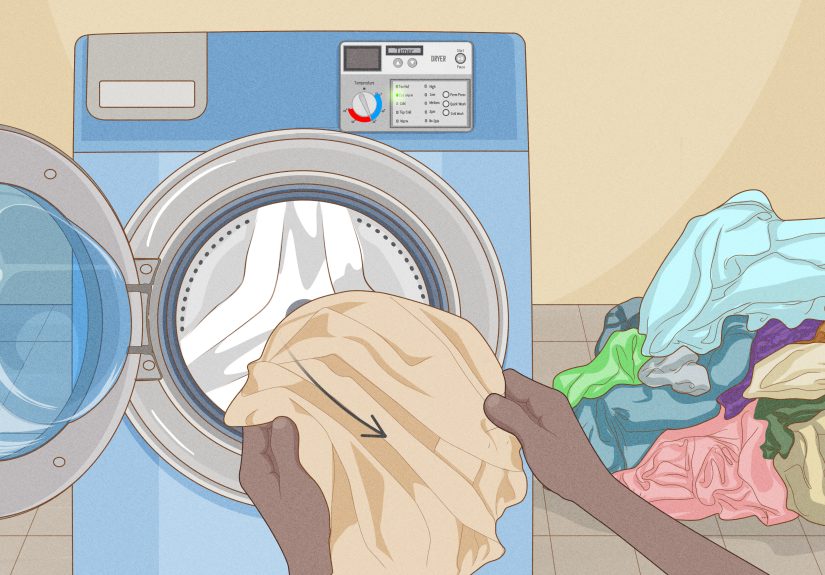
- Turn garments inside out to reduce surface friction
- Use a mesh laundry bag for lightweight or delicate items
- Do not overload the washer so clothes can move without excessive tangling
- Use the right amount of detergent instead of dumping in enough soap to clean a football stadium
Overloading matters more than people think. A jam-packed washer may look efficient, but it forces fabrics to rub harder against one another and can prevent proper rinsing. That extra stress is not doing your clothes any favors.
Fabric Examples
Cotton: Cotton is comfortable, breathable, and very willing to shrink when overheated. Wash it in cold water when possible, especially for T-shirts, loungewear, and fitted tops.
Wool: Wool is a drama queen, but in a charming, expensive way. It can felt and shrink permanently when exposed to heat and friction. Wash gently, preferably in cold water, and handle carefully.
Rayon and viscose: These fabrics can shrink and distort easily. Gentle washing, cool water, and minimal agitation are your best friends.
Denim: Jeans can shrink in hot water and high dryer heat. Cold water helps maintain length, fit, and color.
Polyester blends: These are generally more stable than natural fibers, but high heat can still damage texture and affect overall shape over time.
3. Use Low Heat, Shorter Drying Time, or Air-Dry
If the washer starts the trouble, the dryer often finishes the crime scene.
High dryer heat is one of the biggest causes of clothing shrinkage. A dryer is convenient, but it is also basically a rotating hot-weather event. The hotter and longer the cycle, the greater the risk that fibers will contract, warp, or lose their intended shape.
Why Dryers Shrink Clothes
When fabrics tumble in heated air, moisture evaporates and fibers tighten. Some materials can handle this better than others. But cotton, wool, rayon, and many knit garments do not love being baked. Overdrying makes things worse, especially if you run a full cycle when the item only needed a little time to finish drying.
That is why one of the smartest laundry tips for preventing shrinkage is this: do not dry clothes more than necessary.
Safer Drying Options
You do not have to swear off your dryer forever and start living like a nineteenth-century poet with a backyard clothesline. You just need better drying choices.
- Tumble dry low instead of high heat
- Remove clothes while slightly damp and let them finish air-drying
- Hang dry lighter items like shirts, blouses, and activewear
- Lay sweaters and knits flat so they keep their shape
- Reshape garments while damp if the label recommends it
That “slightly damp” trick is especially useful. If you yank a cotton shirt out before it becomes desert-level dry, you reduce the chance of over-contraction and can let the fabric relax naturally as it finishes drying.
When Air-Drying Works Best
Air-drying is ideal for sweaters, bras, leggings, linen blends, delicate dresses, and anything that fits close to the body. These are often the pieces where even a small amount of shrinkage becomes obvious fast.
For knits, flat drying is often better than hanging. Hanging a wet sweater can stretch it downward while the fibers are at their heaviest. Flat drying protects shape and helps prevent the dreaded “long in weird places” look.
The Dryer Settings That Deserve More Respect
If you do machine dry, use lower temperatures and sensor-based cycles when available. Timed high heat can be a little too enthusiastic. Low heat, delicate, or moisture-sensing cycles are usually safer for protecting fabric care and preserving garment fit.
Also, remove clothes promptly. Letting garments sit in a warm dryer for ages is not great for wrinkles, shape, or your future mood when you remember the load six hours later.
Bonus Mistakes That Make Clothes Shrink Faster
Even if you follow the big three tips, these common habits can still sabotage your laundry routine:
- Washing everything on the same setting regardless of fabric
- Using hot water just because it feels more “serious”
- Drying every load on high heat for speed
- Ignoring labels that say hand wash, lay flat, or low tumble dry
- Stuffing the washer and dryer too full
- Assuming preshrunk means shrink-proof
- Throwing delicate fabrics in with towels, denim, or heavy sweatshirts
Laundry is one of those chores where being slightly gentler often gets you better results. Your clothes are not impressed by aggression.
What to Do If a Garment Is Especially Shrink-Prone
Some pieces need a little extra caution. Here is a quick cheat sheet:
For Cotton Shirts and Tees
Wash cold, use a gentle cycle, and dry on low or hang dry. Fitted cotton garments are usually the first to betray you after one overheated dryer session.
For Wool Sweaters
Wash in cold water with minimal agitation or hand wash if the label recommends it. Dry flat on a towel. Keep them out of high heat unless you are intentionally trying to create a sweater for a small woodland creature.
For Jeans
Wash inside out in cold water and air-dry when possible. If you use the dryer, choose low heat. This helps reduce shrinkage and also preserves color.
For Rayon, Viscose, and Delicates
Use a mesh bag, cold water, and delicate settings. Avoid aggressive spinning and high heat. These fabrics may look calm, but they are secretly one bad cycle away from dramatic change.
Real-Life Experience: The Laundry Lessons People Usually Learn the Hard Way
I have seen more shrinkage-related regret in ordinary households than almost any other laundry issue. Not because people are careless, but because laundry is repetitive. Once a routine feels familiar, most people stop thinking about it. They toss in a load, press the same buttons, and trust the machine. That works beautifully until one item in the mix does not play by the usual rules.
A common example is the “favorite cotton shirt incident.” Someone buys a shirt that fits perfectly right off the rack. It gets washed with towels, dried on high heat, and comes out looking like it took a stressful road trip through the desert. It is still technically wearable, but now it fits more like a motivational warning than a shirt.
Sweaters are even more dramatic. Plenty of people have learned the hard way that a wool or wool-blend knit cannot be treated like a gym T-shirt. One hot wash or one aggressive dry cycle can turn a relaxed, cozy sweater into a stiff little square with trust issues. At that point, the garment may not be ruined beyond existence, but it is probably ruined beyond enthusiasm.
Jeans are another sneaky category. Many people think denim is tough enough to handle anything, and to be fair, it does look emotionally sturdy. But repeated hot washes and hot dryer cycles can absolutely tighten the fit and shorten the length. If you have ever put on a pair of jeans and wondered why they suddenly feel like a negotiation, heat may be the answer.
Families with kids run into this problem constantly because children’s clothing gets washed so often. Parents may buy a size with room to grow, only to lose that extra room to dryer heat after three rounds of laundry. The same thing happens with school uniforms, pajamas, and cotton basics that live in the weekly rotation.
The most useful experience-based lesson is this: the clothes that matter most should never be washed on autopilot. If something is fitted, delicate, costly, sentimental, or annoyingly perfect, give it special care. Cold water, gentler cycles, and lower heat may feel like small decisions, but over time they make a visible difference. Clothes keep their shape longer. Colors stay stronger. Fabrics feel better. And you stop experiencing that specific kind of rage that happens when a great shirt comes out looking like it belongs to your younger cousin.
Good laundry habits are not complicated. They are just intentional. And in the long run, intentional beats apologizing to your wardrobe.
Conclusion
If you want to prevent clothes from shrinking, remember these three rules: read the care label, wash in cold water on gentler settings, and keep dryer heat low or air-dry whenever possible. That is the winning formula for better laundry care and longer-lasting clothes.
It is not glamorous, and it will not go viral as a magical laundry hack involving a spoon, a freezer, and a motivational podcast. But it works. And when it comes to protecting your clothes, boring and reliable is exactly what you want.
Your shirts stay wearable. Your sweaters stay adult-sized. Your jeans stop trying to become capris without permission. That, in laundry terms, is a beautiful life.