Table of Contents >> Show >> Hide
- What counts as night sweats?
- 1. Your sleep environment is simply too hot
- 2. Hormone changes are shaking up your internal thermostat
- 3. A medication could be the hidden culprit
- 4. Your body may be fighting an infection or fever
- 5. A sleep disorder such as sleep apnea may be involved
- 6. Stress, anxiety, alcohol, or other medical conditions can trigger overnight sweating
- When should you worry about sweating in your sleep?
- How to reduce night sweats at home
- The bottom line
- Real-life experiences with night sweats
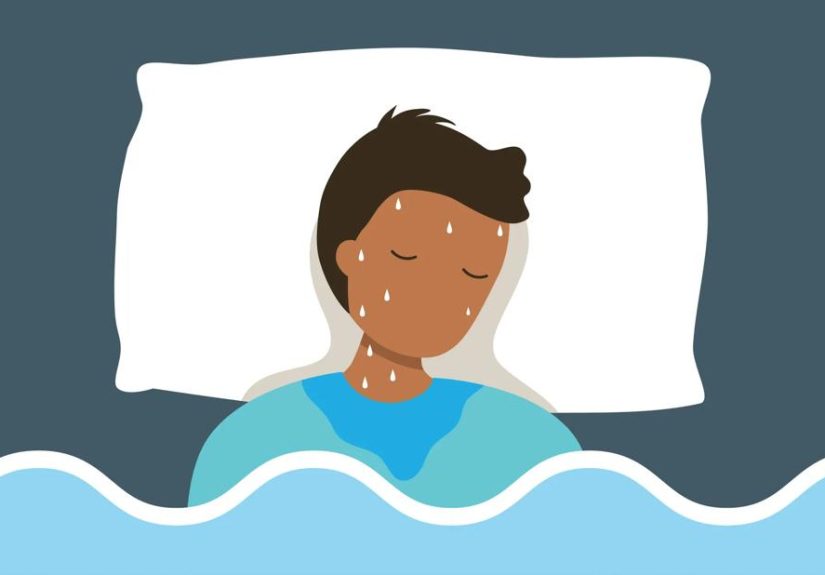
Waking up sweaty can feel dramatic. One minute you are peacefully dreaming about vacation, pizza, or a suspiciously friendly dolphin. The next, you are peeling your T-shirt off like a slice of processed cheese and wondering whether your mattress has joined a sauna membership program.
Night sweating is common, and sometimes the explanation is wonderfully boring: your room is too warm, your blanket belongs in the Arctic, or your pajamas were clearly designed by someone who never actually sleeps. But in other cases, sweating in your sleep can be linked to hormones, medications, infections, sleep disorders, or other health issues that deserve attention.
If you have been asking, “Why do I sweat in my sleep?” this guide breaks down the six most common reasons, what they can feel like, and when it is smart to check in with a healthcare professional. Let’s turn down the thermostat on the mystery.
What counts as night sweats?
Not every warm forehead at 2 a.m. qualifies as true night sweats. In general, people use the phrase to describe repeated episodes of noticeable sweating during sleep. Sometimes it is mild dampness. Other times it is enough to soak pajamas, sheets, or pillowcases and make you want to file a formal complaint against your bedding.
Occasional sweating may not mean much. Frequent or drenching night sweats, especially when they come with other symptoms, are more worth paying attention to.
1. Your sleep environment is simply too hot
Let’s start with the least glamorous but most common explanation: your bedroom is too warm. A high room temperature, heavy blankets, dense foam mattresses, non-breathable pajamas, or even a mattress protector that traps heat can leave you overheating overnight.
Why it happens
Your body temperature naturally shifts during sleep. If your environment makes it harder for your body to release heat, sweating becomes the backup plan. It is not elegant, but it is effective.
Common clues
You notice sweating mostly in hot weather, after switching bedding, or when sleeping under multiple blankets. You feel better when the room is cooler or when you wear lighter sleep clothes.
What may help
Try lowering the room temperature, using moisture-wicking sheets, switching to breathable fabrics such as cotton, and avoiding pajamas that feel like they were made for winter camping. Sometimes the solution is not a scary diagnosis. Sometimes it is just fewer blankets and less ambition in your bedding choices.
2. Hormone changes are shaking up your internal thermostat
Hormones play a major role in temperature regulation. When hormone levels shift, your body can suddenly act like the thermostat is being controlled by a raccoon with no training.
Menopause and perimenopause
This is one of the best-known causes of night sweats. During perimenopause and menopause, changing estrogen levels can trigger hot flashes and nighttime sweating. Some people wake up flushed, sweaty, and annoyed enough to hold a grudge against their own endocrine system.
Other hormone-related triggers
Hormonal shifts are not limited to menopause. Pregnancy, postpartum changes, and certain endocrine conditions can also affect the body’s temperature control. In some cases, thyroid problems, especially an overactive thyroid, can increase heat intolerance and sweating.
When to think about hormones
If sweating is paired with irregular periods, hot flashes during the day, mood changes, changes in weight, or feeling unusually warm all the time, hormones may be part of the picture.
3. A medication could be the hidden culprit
Some medicines are excellent at doing their job and slightly rude in the side effect department. Night sweats can be linked to a variety of medications, including some antidepressants, hormone therapies, fever-reducing drugs, diabetes medications that can lower blood sugar, and certain other prescription treatments.
Why medications can cause sweating
Some drugs affect brain chemicals involved in temperature regulation. Others may trigger sweating as a side effect or indirectly cause it by changing blood sugar, hormone levels, or circulation.
Common clues
The sweating started after you began a new medication, changed a dose, or started taking several medications together. The timing matters here, so it is worth thinking back before assuming your pillow has betrayed you on a personal level.
What to do
Do not stop a prescription medication on your own. Instead, talk with a doctor or pharmacist if you suspect a medication side effect. Sometimes an adjustment in timing, dose, or drug choice can help.
4. Your body may be fighting an infection or fever
When your immune system is busy battling an infection, sweating can increase. Fever often causes cycles of feeling hot, then sweaty, then chilled, which is a truly terrible overnight roller coaster.
How infections trigger sweating
Your body raises its temperature to help fight germs. As that temperature shifts back down, sweating helps cool you off. This can happen with common infections such as the flu or other viral illnesses, but persistent night sweats can also show up with more significant infections.
Red flags that matter
If night sweats come with fever, cough, fatigue, unexplained weight loss, swollen lymph nodes, or a general feeling that something is not right, it is a good idea to seek medical care rather than trying to out-negotiate your symptoms with a fan.
5. A sleep disorder such as sleep apnea may be involved
Night sweats are sometimes associated with sleep disorders, especially obstructive sleep apnea. This condition causes breathing to repeatedly stop and start during sleep, which puts stress on the body and can increase sweating.
Why sleep apnea and sweating can go together
When breathing is disrupted, your body works harder. That strain can activate your stress response and make you sweat more during sleep. People with sleep apnea may also wake up feeling unrefreshed because their sleep is being interrupted again and again, even if they do not fully remember it.
Other signs to watch for
Loud snoring, choking or gasping during sleep, morning headaches, dry mouth, and daytime exhaustion can all point toward sleep apnea. If your night sweats come with those symptoms, it is worth bringing up with a healthcare professional.
Why this one matters
Sleep apnea is not just annoying. When untreated, it can affect heart health, blood pressure, energy levels, and quality of life. So if your bed partner says you snore like a malfunctioning leaf blower, that feedback may actually be medically useful.
6. Stress, anxiety, alcohol, or other medical conditions can trigger overnight sweating
Sometimes night sweating is less about one big diagnosis and more about a cluster of triggers. Stress and anxiety can increase sweating. Drinking alcohol close to bedtime can widen blood vessels and affect temperature regulation. Spicy foods may also stir things up for some people. And then there are medical conditions such as hyperthyroidism, diabetes-related low blood sugar, reflux, or idiopathic hyperhidrosis, a condition that causes excessive sweating without an obvious reason.
Stress and anxiety
Your nervous system does not completely clock out just because you are asleep. If you are under stress, your body may remain more activated than it should be, which can lead to sweating, restless sleep, vivid dreams, or frequent waking.
Alcohol and food triggers
An evening drink may feel relaxing at first, but alcohol can interfere with sleep quality and trigger sweating in some people. Spicy meals late at night can also make your body feel warmer than ideal when you are trying to sleep.
Underlying health conditions
If sweating is frequent, heavy, or paired with other symptoms, a medical condition may be worth exploring. Examples include thyroid disorders, episodes of low blood sugar, and certain neurological or sweating disorders. This is where a pattern matters more than a single sweaty night.
When should you worry about sweating in your sleep?
Most cases of nighttime sweating are not emergencies. But there are times when it makes sense to stop guessing and get checked out.
Make an appointment if:
- Your night sweats happen often or are severe enough to soak your clothes or sheets
- You also have fever, unexplained weight loss, or unusual fatigue
- You notice a new cough, swollen lymph nodes, chest discomfort, or trouble breathing
- You snore loudly, gasp in your sleep, or feel exhausted during the day
- The sweating began after starting a new medication
- You have symptoms of hormone imbalance, thyroid issues, or low blood sugar
A doctor may ask about your sleep environment, medications, alcohol use, stress, menstrual history, and other symptoms. Depending on the situation, they might recommend a sleep evaluation, blood work, or other testing. This is not because they enjoy paperwork. It is because sweating can have many causes, and context matters.
How to reduce night sweats at home
If your symptoms are mild and you do not have concerning warning signs, a few practical changes may help:
- Keep your bedroom cool and well ventilated
- Choose breathable sheets, blankets, and sleepwear
- Avoid heavy meals, spicy foods, and alcohol close to bedtime
- Review recent medications with a clinician or pharmacist
- Practice stress-reduction habits before bed, such as light stretching or screen-free wind-down time
- Track your symptoms, including how often they happen and what seems to trigger them
A simple sleep-and-sweat log can be surprisingly useful. Write down what you ate, drank, wore, and whether you felt sick, anxious, overheated, or unusually tired. Your future self and your doctor may both appreciate the detective work.
The bottom line
If you sweat in your sleep once in a while, the cause may be as simple as a warm room or heavy bedding. But recurring night sweats can also be related to hormone changes, medications, infections, sleep apnea, stress, alcohol, or other medical conditions.
The important question is not just whether you sweat. It is how often, how much, and what else is happening with it. If the sweating is frequent, drenching, or linked with other symptoms, getting medical advice is the smartest move. Your sheets may be damp, but your plan does not have to be fuzzy.
Real-life experiences with night sweats
For many people, night sweats are not just a symptom. They are an experience. A frustrating, sleepy, laundry-heavy experience.
Some people describe waking up around 2 or 3 a.m. with their neck and chest damp, even though the room does not feel especially warm. They kick off the blanket, cool down, fall back asleep, and then wake up again an hour later wondering why their bed now feels like it belongs in a tropical greenhouse. In these cases, the cause may turn out to be something simple, such as overly warm bedding or a room that gets hotter overnight than they realized.
Others have a more dramatic version. They wake up with pajamas soaked through, pillow damp, and sheets clammy enough to require a midnight change. That kind of sweating can be more disruptive emotionally than people expect. It is uncomfortable, yes, but it can also be unsettling. Many people immediately worry that something serious is wrong, especially if the sweating starts suddenly or happens several nights in a row.
People going through perimenopause or menopause often talk about night sweats as if their body hits a surprise heat wave button. They may go to bed comfortable and wake up flushed, sweaty, and irritated, then spend the next day tired because their sleep was broken. It is not just about temperature. It is about the ripple effect: poor sleep, lower patience, daytime fatigue, and that familiar thought of, “Why is my body doing improv at 3 a.m.?”
People with sleep apnea sometimes tell a different story. They may not notice the sweating first. Instead, they notice morning headaches, dry mouth, loud snoring, daytime fogginess, or a partner reporting gasping during sleep. The sweating becomes one clue among several. Once the breathing issue is recognized and treated, the night sweats sometimes improve too.
There are also people who connect sweating episodes to stressful periods in life. Deadlines, family worries, school pressure, relationship drama, or just a nervous system that refuses to settle down can all show up physically at night. These people may notice the sweating is worse after anxious evenings, poor sleep, or alcohol before bed. The body keeps score, even while pretending to rest.
One of the most useful things people report is how much relief comes from identifying a pattern. Sometimes the answer is medical. Sometimes it is environmental. Sometimes it is hormonal. But once the mystery starts making sense, the experience becomes less alarming and much more manageable. That is why paying attention to timing, triggers, and other symptoms is so valuable. Night sweats can feel random in the moment, but they are often leaving clues. Your job is not to panic. It is to notice the pattern and act on it.
Note: This article is for informational purposes only and is not a substitute for medical advice, diagnosis, or treatment.