Table of Contents >> Show >> Hide
- First, What Makes an Ingrown Toenail Different From an Infected One?
- 1. The Toe Gets Redder, Hotter, More Swollen, and More Painful
- 2. You Notice Drainage, Pus, or Changes in the Skin Around the Nail
- 3. The Redness Seems to Spread, or You Start Feeling Sick
- So, What Should You Do if You Think It’s Infected?
- How to Lower Your Chances of Another Infection
- What People Commonly Experience When an Infected Ingrown Toenail Sneaks Up on Them
- Conclusion
An ingrown toenail is the kind of tiny problem that can bulldoze your entire mood. One minute, your big toe feels a little cranky in your shoe. The next, it’s acting like it deserves its own emergency press conference. The tricky part is that not every ingrown nail is infected. Some are simply irritated. Others have crossed the line into full-on “please stop pretending this will fix itself” territory.
If you are wondering whether your ingrown toenail is infected, there are three big clues to watch for: worsening redness, swelling, heat, and pain; drainage or pus around the nail; and signs the inflammation is spreading beyond the immediate corner of the toe. Knowing the difference matters because a mildly irritated nail may improve with careful home care, while an infected ingrown toenail may need medical treatment.
Below, we’ll walk through the clearest infected ingrown toenail signs, explain why they happen, and cover what to do next without turning your bathroom into an amateur podiatry lab.
First, What Makes an Ingrown Toenail Different From an Infected One?
An ingrown toenail happens when the edge or corner of the nail grows into the surrounding skin. It usually affects the big toe. At first, the area may just feel tender, swollen, or sore when you press on it. That is annoying, yes. But infection is a different beast.
Once the skin barrier around the nail is broken, bacteria can get in. When that happens, you are no longer dealing with simple irritation. You are dealing with an infected ingrown toenail, which tends to become more painful, more inflamed, and much harder to ignore. In some cases, the infection can involve the surrounding nail fold, a condition often called paronychia.
In plain English: a regular ingrown toenail is a toe problem. An infected ingrown toenail is a toe problem with a tiny unwanted microbial side quest.
1. The Toe Gets Redder, Hotter, More Swollen, and More Painful
The first major sign of infection is not just discomfort. It is worsening inflammation that starts to feel dramatic. If the skin around the ingrown edge looks increasingly red, feels warm or hot, becomes puffy, and hurts more instead of less, infection should move way up your suspicion list.
What This Usually Looks Like
A mildly irritated ingrown toenail might hurt when your shoe rubs against it or when you accidentally bump the toe on the bed frame, which is truly one of life’s rudest moments. But an infected nail often behaves differently:
- The pain becomes more constant, not just pressure-related.
- The corner of the toe looks more inflamed day by day.
- The skin may feel tight, shiny, or stretched.
- The toe may throb, especially later in the day or after walking.
- You may start limping, avoiding pressure, or choosing shoes based on how much your toe objects.
That “hot” feeling is especially telling. Infection causes inflammation, and inflamed tissue often feels warmer than the surrounding skin. If one toe feels like it is hosting a tiny furnace compared with the other foot, do not ignore that.
Why the Pain Escalates
When the nail edge keeps digging into the skin, the area stays injured. That repeated trauma can trigger swelling, and swelling creates even more pressure. Add bacteria to the equation and you get a painful cycle: more irritation, more inflammation, more tenderness, more misery.
One of the easiest ways to tell whether this is becoming an infection is to ask a simple question: Is it getting better, or is it auditioning for a worse sequel? If the answer is “worse,” that matters.
A Real-World Example
Say your toe was a little sore after trimming your nail too short. On day one, it stings in tight sneakers. On day three, the skin looks puffier. On day five, the corner is bright red, warm, and so tender that even bedsheets feel insulting. That pattern strongly suggests infection or at least a worsening inflammatory process that deserves attention.
2. You Notice Drainage, Pus, or Changes in the Skin Around the Nail
The second big clue is drainage. If fluid starts leaking from the side of the nail, that is your toe waving a very obvious flag.
What Counts as a Concerning Discharge?
Not all moisture is equal. A little clear fluid can happen with irritation. But an infected ingrown toenail is more likely to produce cloudy drainage or pus. You might notice:
- Yellowish or whitish fluid
- Thicker drainage that crusts over
- A pocket of fluid beside the nail
- A bad smell coming from the area
- Bleeding mixed with drainage after minor pressure
Pus is especially important because it usually means the body is actively fighting infection in the tissue around the nail. Sometimes the area beside the nail fold becomes soft and boggy. In other cases, it looks raised or blister-like.
Watch for Overgrown, Angry-Looking Tissue
Infection and chronic irritation can also cause the skin next to the nail to look overgrown, raw, or fleshy. Some people describe it as “skin growing over the nail.” That tissue may bleed easily, feel tender, or stay irritated because the nail keeps rubbing into it.
If the corner of the toe looks as though it has built a tiny swollen hill around the nail, that is not a charming new feature. It is a sign the area has been inflamed for a while and may need professional treatment.
Why Drainage Matters
Drainage means the skin around the nail is no longer just irritated; it is reacting to tissue injury, infection, or both. Once fluid or pus shows up, home care may still help in mild cases, but the threshold for calling a clinician gets much lower.
This is also the moment when “I’ll just cut that corner out myself” becomes a terrible idea. Digging into the nail, cutting the sides too deeply, or trying to “free” it with sharp tools can make the wound larger, push bacteria deeper, and turn a bad situation into an even grumpier one.
3. The Redness Seems to Spread, or You Start Feeling Sick
The third and most serious sign is that the problem is no longer staying politely in its lane. If the redness spreads beyond the immediate nail corner, the swelling worsens across the toe, or you start feeling unwell, the infection may be progressing.
Red Flags That Need Prompt Medical Care
These symptoms should move you out of “I’ll watch it for a bit” mode:
- Redness spreading across the toe or into the foot
- Red streaks moving away from the infected area
- Fever or chills
- Severe or rapidly worsening pain
- Inability to walk comfortably or bear weight
- Significant swelling of the toe or surrounding foot
Red streaks can suggest the infection is spreading through nearby tissue. Fever and chills mean your body may be reacting to more than a tiny local problem. Those are not signs to shrug off and “see how it looks tomorrow.”
If You Have Diabetes, Poor Circulation, or Nerve Damage, Be Extra Cautious
People with diabetes, poor blood flow, peripheral neuropathy, or immune system problems need to treat an ingrown toenail infection more seriously and more quickly. Foot wounds may heal more slowly, become infected more easily, and sometimes hurt less than expected if nerve damage is present. In other words, the toe can be more dangerous than it looks.
If you fall into one of those higher-risk groups, it is smart to contact a healthcare professional early rather than waiting for dramatic symptoms. A toe infection is not the place to test your optimism.
So, What Should You Do if You Think It’s Infected?
If your symptoms are mild and you do not have a high-risk medical condition, supportive care may help while you arrange evaluation. The goal is to reduce pressure, keep the area clean, and avoid making the injury worse.
Helpful First Steps
- Soak the foot in warm water for a short period, then dry it well.
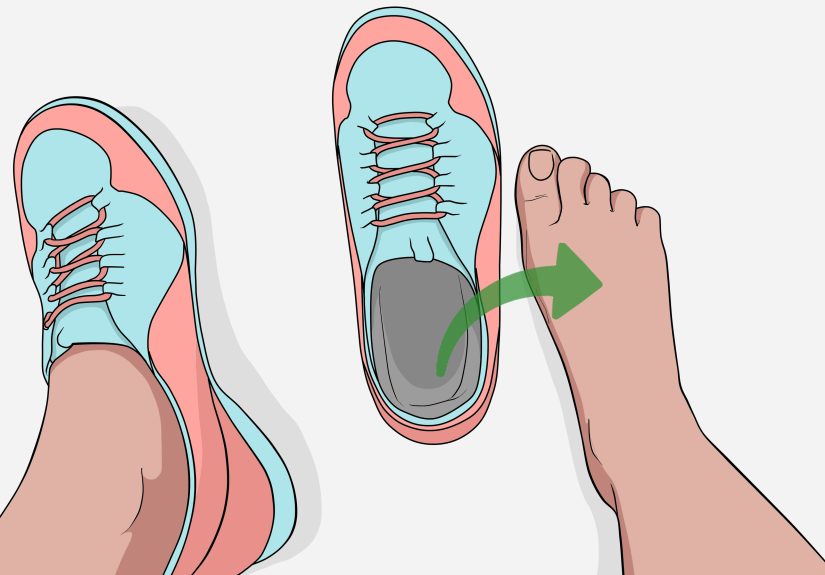
- Wear roomy shoes or open-toed footwear if possible.
- Keep the toe clean and avoid picking at it.
- Do not dig under the nail with sharp tools.
- Do not trim the corners aggressively in an attempt to “fix” it.
- Use a clean bandage if the area is draining.
If the pain, swelling, or drainage is increasing, or if there is obvious pus, spreading redness, or a lot of inflammation, contact a doctor, podiatrist, urgent care clinic, or dermatologist. Waiting too long can turn a simple office problem into a more painful treatment later.
How a Doctor May Treat an Infected Ingrown Toenail
Treatment depends on how severe the infection is. A clinician may clean the area, lift the nail edge, drain trapped fluid, prescribe medication when needed, or remove part of the nail if it is deeply embedded. For recurring cases, a procedure that removes part of the nail edge may help stop the problem from coming back like an unwanted rerun.
Important note: needing a procedure does not mean you failed. It means your toenail decided to become wildly uncooperative.
How to Lower Your Chances of Another Infection
The best prevention strategy is beautifully boring: trim toenails straight across, avoid cutting them too short, and wear shoes with enough room in the toe box. Tight shoes squeeze the toes together and increase pressure on the nail edge, which can help start the whole problem.
It also helps to keep your feet clean and dry, avoid tearing nails by hand, and skip the urge to round off the corners like you are sculpting a tiny marble arch. Toenails are not that artistic. They prefer a straight edge.
If you get recurring ingrown toenails, repeated infections, or frequent soreness along one side of the big toe, a podiatrist can help identify whether nail shape, footwear, trimming habits, or another foot issue is contributing.
What People Commonly Experience When an Infected Ingrown Toenail Sneaks Up on Them
Many people do not realize an ingrown toenail is infected right away because the early experience can feel surprisingly ordinary. It often starts with a small, almost ignorable annoyance: a tender corner of the big toe, a pinch in a sneaker, or a weird sensitivity when pulling on socks. At that stage, people commonly assume they trimmed the nail a little too short, wore tight shoes for too long, or banged the toe without noticing. That is why infected ingrown toenails often get a head start.
A common experience is that the discomfort slowly changes character. Instead of hurting only when pressed, the toe starts aching on its own. People often describe it as throbbing, pulsing, or feeling “full,” as though pressure is building around the nail edge. Walking becomes irritating. Exercise starts to sound overrated. Even ordinary things, like standing in the kitchen or going up stairs, suddenly remind you that toes are apparently very committed to being noticed when they are unhappy.
Another pattern people notice is that shoes become the enemy. Closed-toe shoes, especially narrow ones, can make the pain dramatically worse. Some start choosing sandals, loose slippers, or one specific pair of worn-out shoes simply because they do not press on the sore corner. Others notice that by the end of the day, the toe looks redder and more swollen than it did that morning. That day-to-night worsening is a very common experience with an inflamed or infected ingrown nail.
Once drainage appears, people often shift from “This is annoying” to “Okay, this is gross and possibly important.” They may see a little spot of yellowish fluid on a sock, crusting near the nail fold, or skin that looks wet and irritated even after washing. Some describe a bad smell. Others notice the skin beside the nail has become soft, puffy, or raw-looking. That is usually the point when the problem stops feeling cosmetic and starts feeling medically real.
People with diabetes or reduced feeling in their feet may have a different experience. They may not feel much pain at all, which can make the problem seem minor even when the skin looks inflamed. In those cases, visual changes matter even more than discomfort. A toe that is red, warm, swollen, draining, or not healing properly deserves prompt attention, even if it does not hurt much.
There is also a very human pattern of denial. Plenty of people try to manage the problem by trimming the nail again, poking at the corner, or declaring that tomorrow will definitely be the day it magically improves. Sometimes mild cases do settle down with gentle care. But when the symptoms are escalating instead of easing, that delay can mean more pain, more swelling, and a higher chance of needing a procedure. The usual lesson people report afterward is simple: the earlier they got help, the easier the whole thing was to deal with.
So if your toe is giving you the classic experience, getting redder, getting hotter, getting oozy, and getting dramatically more opinionated, it is worth taking seriously. Your future self, and your shoe collection, will likely appreciate it.
Conclusion
If you want the short version, here it is: an ingrown toenail is more likely to be infected if the area becomes increasingly red, hot, swollen, and painful; if you see pus or other drainage; or if the redness spreads or you develop symptoms like fever. Those are the three clearest signs that the problem has moved beyond basic irritation.
When in doubt, resist the urge to perform toe surgery at home. Gentle care, pressure relief, and early professional evaluation are usually the smarter move, especially if you have diabetes, poor circulation, or worsening symptoms. Ingrown toenails may be small, but they are surprisingly talented at becoming larger problems when ignored.