Table of Contents >> Show >> Hide
- Why Your Bladder Seems More Dramatic on a Bus
- How to Prepare Before You Get on the Bus
- What to Do During the Ride
- What Not to Do
- Can Bladder Training Actually Help?
- Do Kegels Help on a Bus?
- When Bus Bladder Might Be a Medical Problem
- A Simple Pre-Bus Bladder Routine
- Bus Bladder Experiences: What Real-World Situations Usually Teach You
- Final Thoughts
There are few feelings more dramatic than sitting in the middle seat of a bus, halfway between nowhere and somewhere, when your bladder suddenly decides it has become the main character. It starts with a whisper. Then a tap on the shoulder. Then a full Broadway performance: Excuse me, we need a bathroom immediately.
If that sounds familiar, welcome. You are not weird, doomed, or cursed by the hydration gods. Whether you are dealing with a long commute, a road trip, an overenthusiastic iced coffee, or a bladder that loves chaos, there are smart ways to reduce urgency and make bus travel far less stressful.
This guide covers how to control your bladder on a bus without pretending you are a superhero. We will talk about what helps before the trip, what to do during the ride, what habits tend to backfire, and when frequent urgency may be a sign you should check in with a doctor. The goal is simple: less panic, more peace, and ideally no bargaining with the universe at mile marker 87.
Why Your Bladder Seems More Dramatic on a Bus
Part of the problem is physical, and part of it is psychological. If you already have urinary urgency, a sensitive bladder, or mild incontinence, sitting for long periods while access to a restroom feels uncertain can make every sensation feel bigger. Anxiety adds fuel to the fire. The more you think, I cannot possibly need to pee right now, the more your body says, Interesting theory. Let’s test it.
For some people, bus rides magnify symptoms because of common triggers: caffeine before departure, carbonated drinks at the station, not using the bathroom right before boarding, or trying to “save time” by chugging a giant bottle of water all at once. For others, the issue is not the bus itself but an underlying condition such as overactive bladder, urge incontinence, constipation, a urinary tract infection, pelvic floor weakness, or prostate-related urinary symptoms.
That does not mean you need to diagnose yourself mid-ride while clutching a backpack. It just means the solution is usually more strategic than “try harder.”
How to Prepare Before You Get on the Bus
1. Use the Bathroom Right Before Boarding
This sounds almost insultingly obvious, but people skip it all the time because they are running late, the line is long, or the restroom looks like it lost a fight with reality. Go anyway if you can. Emptying your bladder close to departure is one of the simplest ways to reduce early-trip urgency.
2. Do Not Front-Load Your Fluids
Many travelers swing between two extremes: barely drinking anything all day, or suddenly drinking a lake in the hour before departure because they are “trying to stay hydrated.” Neither approach is ideal. Too much fluid too quickly can increase urgency, but too little can also irritate the bladder and make symptoms feel worse.
A better plan is steady hydration earlier in the day, then more moderate intake before and during the trip. Think reasonable, not heroic.
3. Be Careful With Bladder Irritants
If you know you are prone to urinary urgency, the pre-bus menu matters. Common troublemakers include coffee, energy drinks, strong tea, soda, alcohol, highly acidic drinks, and sometimes spicy foods. For certain people, artificial sweeteners can also be annoying little chaos agents.
This does not mean you must live a joyless, flavorless life. It means a triple espresso and a large cola before a three-hour ride may not be your bladder’s favorite collaborative project.
4. Eat Like a Person Who Wants Fewer Problems
A light meal or snack is usually better than a giant greasy feast. Heavy meals can increase bloating and discomfort, and constipation can worsen bladder symptoms by putting extra pressure on the urinary tract. If you often get backed up while traveling, pay attention to fiber, hydration, and routine before the trip rather than hoping your digestive system suddenly becomes cooperative.
5. Dress for Speed, Not for Fashion Olympics
When urgency hits, this is not the moment for complicated belts, stiff shapewear, or overachieving jumpsuits. Wear comfortable clothing that is easy to manage quickly. That is not glamorous advice, but neither is doing emergency zipper negotiations in a moving restroom.
6. Pick Your Seat Strategically
If possible, choose an aisle seat or a seat closer to the onboard restroom if the bus has one. If there is no restroom, sit where it is easier to get out quickly at stops. This will not change your bladder physiology, but it can dramatically reduce anxiety, and anxiety often makes urgency worse.
What to Do During the Ride
Use Timed Bathroom Stops, Not Just Panic Stops
If your trip includes scheduled breaks, use them even if you do not feel desperate yet. Waiting until the urge becomes severe is a classic way to end up negotiating with your own anatomy like a hostage mediator. A proactive stop is better than a dramatic one.
Try “Urge Control” Techniques
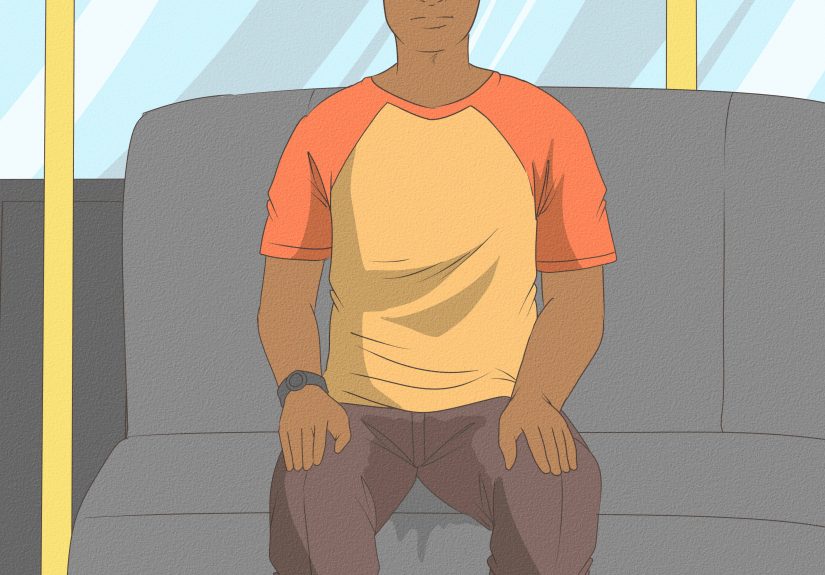
If you suddenly feel a strong urge and a restroom is not immediately available, the goal is to calm the bladder instead of panicking. Panic often makes the sensation feel stronger. Try this:
- Stop fidgeting for a second and sit still.
- Take slow breaths instead of fast, shallow ones.
- Do a few gentle pelvic floor contractions if you know how to do them correctly.
- Think about delaying the urge for just a few minutes, not forever.
- Avoid bouncing your leg like you are auditioning for a drum solo.
The point is not to white-knuckle your way through pain. The point is to lower the bladder alarm enough to buy yourself time until the next stop or restroom.
Do Not Keep Drinking Out of Boredom
Bus rides are boring. Bored people snack. Bored people sip. Bored people convince themselves they are thirsty when really they are just trapped with a window and their thoughts. Keep an eye on mindless drinking, especially sugary or caffeinated beverages. A few sensible sips are very different from finishing two giant drinks because time has lost all meaning.
Warm Up Your Brain, Not Your Bladder
Distraction actually helps. Listen to music, watch a show, text a friend, or focus on something other than your bladder. When people fixate on the urge, the sensation often feels larger. When your attention softens, the urgency sometimes softens with it.
What Not to Do
Do Not Stop Drinking All Day
People sometimes try to “solve” bus bladder by dehydrating themselves. That can backfire. Concentrated urine may irritate the bladder, and dehydration can leave you feeling miserable for an entirely different reason. You want smart hydration, not a desert survival challenge.
Do Not Force Yourself to Hold It for Hours as a Habit
Occasionally delaying urination for a short time as part of bladder training can be helpful when it is done gradually and intentionally. Regularly forcing yourself to hold urine for long periods because restrooms are inconvenient is not a great plan. It can make you uncomfortable, increase stress, and in some cases worsen symptoms.
Do Not Assume Every Bladder Problem Is “Normal”
If bus rides are the only time you notice mild urgency, preparation may solve most of it. But if you regularly have sudden urges, leaks, frequent nighttime urination, pelvic pressure, trouble starting urination, or the feeling that you cannot empty your bladder well, there may be an underlying issue worth addressing.
Can Bladder Training Actually Help?
Yes, for many people it can. Bladder training is not magic, and it is not instant, but it is one of the most useful long-term strategies for urgency and urge incontinence. The basic idea is to urinate on a schedule rather than every time your bladder sends an overdramatic text message. Over time, you gradually increase the time between trips so your bladder gets used to holding a more reasonable amount.
A bladder diary can help here. Track what you drink, when you go, what triggers urgency, and whether symptoms are worse after coffee, soda, stress, long rides, or certain foods. Patterns show up surprisingly fast. Maybe your “sensitive bladder” is actually a “large iced latte before public transportation” problem. That is useful information.
If you want to practice before a trip, try scheduled bathroom visits during the day and gently increase the interval over time. This is not about punishing yourself. It is about teaching your bladder that not every urge is a five-alarm emergency.
Do Kegels Help on a Bus?
They can, but only if you are doing them correctly. Pelvic floor exercises, often called Kegels, strengthen the muscles that support bladder control. They are especially helpful for some people with leakage or urgency, and they can also be used in the moment to help suppress an urge.
The catch is that many people do them incorrectly. If you are squeezing your stomach, thighs, or butt like you are trying to crack a walnut, that is probably not the right move. The feeling should be more like gently lifting and tightening the muscles you would use to stop urine flow or avoid passing gas. Brief, controlled contractions are better than turning your whole lower body into a stress ball.
If you have ongoing symptoms, a pelvic floor physical therapist can be much more helpful than random internet confidence.
When Bus Bladder Might Be a Medical Problem
Sometimes the bus is just exposing a problem that is already there. Talk with a healthcare professional if you notice any of the following:
- burning or pain when you urinate
- blood in your urine
- fever, chills, or feeling sick along with urinary symptoms
- strong lower abdominal pain or pelvic pain
- sudden worsening urgency or leakage
- trouble starting urination or feeling unable to empty your bladder
- the inability to urinate at all
- frequent symptoms that affect work, school, travel, or sleep
Urinary tract infections, overactive bladder, pelvic floor dysfunction, constipation, interstitial cystitis, and prostate issues can all affect how urgently and how often you need to go. And no, suffering in silence because “it is embarrassing” does not earn bonus points. It just makes bus rides worse.
A Simple Pre-Bus Bladder Routine
If you want something practical, here is a sane routine for a longer trip:
- Hydrate normally earlier in the day.
- Ease up on caffeine, soda, and alcohol before departure.
- Eat a light meal instead of a giant one.
- Use the restroom right before boarding.
- Choose an aisle seat if possible.
- Use scheduled stops proactively.
- If urgency hits, breathe, stay still, and use urge-control techniques.
- Keep track of patterns if this happens often.
That is not glamorous. It is just effective. Which, honestly, is what you want from any strategy involving public transportation and internal organs.
Bus Bladder Experiences: What Real-World Situations Usually Teach You
One common experience goes like this: a person drinks a giant coffee because the bus leaves at 6:30 a.m., skips breakfast, rushes to the terminal, and tells themselves they do not have time for the restroom line. Twenty minutes into the ride, they are deeply spiritual and promising to become a better person if they can just make it to the next stop. The lesson is not that their bladder betrayed them. The lesson is that coffee plus rushing plus skipped timing created a perfect little storm.
Another familiar story is the “I will solve this by drinking nothing” experiment. Someone has had one bad trip, so before the next one they barely drink all day. At first it seems smart. Then they feel tired, dry, irritable, and oddly still uncomfortable because concentrated urine can irritate the bladder. By the time they arrive, they have managed to be both dehydrated and annoyed, which is not the productivity hack they were hoping for.
Then there is the anxiety loop. A rider once had urgency on a bus, and now every future trip starts with worry. They think about bathrooms before the ride, during the ride, and while checking the route map as if it were a military operation. The body reads that stress and turns up the urgency volume. Nothing dramatic is even wrong that day, but the fear of needing a bathroom starts to feel like the need itself. For people in this pattern, better preparation helps, but so does mental rehearsal: I have a plan. I know what to do. I do not need to panic at the first bladder sensation.
There are also people whose bus problem turns out to be a bigger everyday issue in disguise. Maybe they realize they are going to the bathroom every hour at work. Maybe they are waking up multiple times a night. Maybe there is leaking when they laugh, stand up, or unlock the front door. The bus did not create the problem. It simply removed the comfort of easy restroom access and made the pattern impossible to ignore. In those cases, getting medical advice can be a game changer. A lot of people assume bladder problems are just something to endure. They are often treatable.
And finally, there is the seasoned traveler who has learned the art of not making things worse. They drink sensibly, skip the giant soda, use the restroom before boarding, choose the aisle, and treat scheduled stops like gold. They do not try to be heroic. They try to be prepared. That may be the best lesson of all. Bladder control on a bus is usually not about toughness. It is about strategy, timing, and refusing to let a convenience-store iced coffee ruin your day.
Final Thoughts
If you want to control your bladder on a bus, the best approach is not panic or punishment. It is preparation. Manage fluids sensibly, avoid your personal triggers, use the bathroom before you board, take advantage of scheduled stops, and learn a few urge-control techniques for the moments when your bladder becomes unnecessarily theatrical.
If symptoms happen often, do not just keep rearranging your life around the nearest restroom. Track the pattern and talk with a healthcare professional. A bus ride should be mildly inconvenient at worst, not a full emotional event sponsored by your urinary tract.