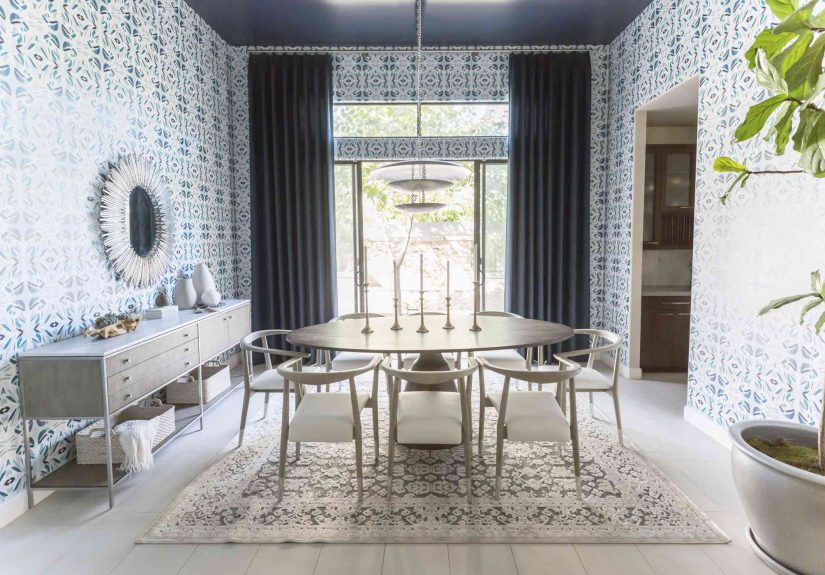
Table of Contents >> Show >> Hide
- How to Choose the Best Sliding Glass Door Treatment
- 23 Sliding Glass Door Treatment and Covering Ideas
- 1. Classic Vertical Blinds
- 2. Fabric Vertical Blinds
- 3. S-Shaped Vertical Vanes
- 4. Panel Track Blinds
- 5. Solar Shades
- 6. Roller Shades
- 7. Vertical Cellular Shades
- 8. Blackout Curtains
- 9. Sheer Curtains
- 10. Layered Sheers and Drapes
- 11. Ripple Fold Drapery
- 12. Pinch Pleat Drapes
- 13. Grommet Curtains
- 14. Woven Wood Shades
- 15. Roman Shades
- 16. Plantation Shutters on a Track
- 17. Sliding Shutter Panels
- 18. Between-the-Glass Blinds
- 19. Frosted or Decorative Window Film
- 20. Exterior Solar Shades
- 21. Awnings Over the Exterior
- 22. Cornice Board with Shades or Curtains
- 23. Motorized Shades or Drapes
- Best Sliding Glass Door Covering Ideas by Need
- Common Mistakes to Avoid
- Real-Life Styling Tips for Better Results
- Experience: What Homeowners Learn After Living With Sliding Glass Door Treatments
- Conclusion
Sliding glass doors are wonderful right up until the sun turns your living room into a toaster oven, the neighbors get a little too interested in your dinner plans, or your once-beautiful patio view becomes framed by a sad, tangled curtain rod. In other words, sliding doors are gorgeous, but they are not exactly low-maintenance divas.
The good news is that there is no shortage of smart sliding glass door treatment ideas. The even better news is that the best option is not always the fanciest or the most expensive. The right covering depends on how you use the door, how much light you want, whether privacy matters all day or only at night, and whether you want your room to feel breezy, tailored, cozy, modern, or “I finally have my life together.”
Below, you will find 23 practical and stylish sliding glass door treatment and covering ideas, plus tips for choosing the right one for your space. This guide blends design inspiration with real-life function so your patio doors can look polished without becoming a daily annoyance.
How to Choose the Best Sliding Glass Door Treatment
Before shopping, think about four things: traffic flow, privacy, light control, and insulation. A door that opens ten times a day needs a treatment that glides easily. A west-facing door may need glare control. A bedroom door may need room-darkening coverage. And if your doors feel drafty or hot, insulated options deserve a long, respectful look.
Also measure carefully. For curtain setups, mounting the rod higher and wider than the frame can make the doors look larger and help panels clear the opening. If you love shades, pay attention to stack, meaning how much space the treatment takes up when open. That tiny detail can be the difference between smooth function and daily muttering.
23 Sliding Glass Door Treatment and Covering Ideas
1. Classic Vertical Blinds
Vertical blinds remain popular because they move in the same direction as the door. That means easy access, adjustable privacy, and simple light control. Today’s versions look more refined than the crunchy office-style blinds many people remember. Choose fabric, vinyl, or faux wood vanes depending on your style and budget.
2. Fabric Vertical Blinds
If standard vertical blinds feel too utilitarian, fabric vertical blinds soften the look immediately. They still offer the practical side-to-side motion you want, but the texture reads more like décor and less like conference room. They work especially well in family rooms, dining areas, and casual coastal interiors.
3. S-Shaped Vertical Vanes
S-shaped vanes are the vertical blind’s glow-up. Their curved profile looks smoother and more modern, and they can provide a more continuous appearance when closed. If you want the convenience of vertical blinds without the “I accidentally decorated with office supplies” vibe, this is a strong pick.
4. Panel Track Blinds
Panel track systems use wide sliding panels instead of narrow vanes. The result is clean, contemporary, and surprisingly dramatic. These are excellent for modern homes, open-concept living rooms, and large expanses of glass. They also make a strong statement without screaming for attention like a reality-show contestant.
5. Solar Shades
Solar shades are great when your top priorities are glare control, UV protection, and preserving the outdoor view. They filter sunlight instead of completely blocking it, which makes them a smart solution for bright living rooms, home offices, and breakfast nooks. They are especially helpful when your patio door gets strong afternoon sun.
6. Roller Shades
Roller shades bring a sleek, minimal look and have a relatively small stack when raised. That makes them useful where you want a simple, uncluttered appearance. They come in light-filtering and blackout fabrics, so they can work in anything from a bright kitchen to a media room.
7. Vertical Cellular Shades
If energy efficiency matters, vertical cellular shades deserve serious consideration. Their honeycomb construction helps trap air, which can improve comfort and reduce heat gain in summer and heat loss in winter. They are one of the best choices for homeowners who want something stylish, soft, and practical.
8. Blackout Curtains
For bedrooms, media rooms, or anyone who believes sunlight before coffee is a personal attack, blackout curtains are a hero option. They help block light, add privacy, and can also improve thermal performance. Choose full panels with enough width so they look rich and intentional rather than stretched like yoga pants on laundry day.
9. Sheer Curtains
Sheers are perfect when you want softness and filtered daylight. They create privacy during the day while keeping the room bright and airy. In a coastal, modern, or transitional room, sheer curtains can make sliding doors feel elegant instead of bulky.
10. Layered Sheers and Drapes
This is the best-of-both-worlds approach. Use sheers for daytime softness and heavier drapes for evening privacy and light control. Layering adds texture and depth, and it gives your room that finished, designer look that says, “Yes, I do know what I’m doing,” even if you picked the fabric while eating chips on the sofa.
11. Ripple Fold Drapery
Ripple fold drapery slides beautifully on a track and creates even, modern waves across the door. It works especially well for wide openings and contemporary interiors. Because the stack stays fairly tidy, it is both elegant and practical for everyday use.
12. Pinch Pleat Drapes
Pinch pleat drapes bring a more traditional, tailored look. They are ideal for formal living rooms, classic homes, and spaces where you want the doors to feel dressed up. Pair them with substantial hardware and full-length panels for maximum effect.
13. Grommet Curtains
Grommet-top curtains are easy to slide and simple to install, making them a budget-friendly favorite. Their clean metal-ring header gives them a more casual, contemporary vibe. They are a practical option for busy households, rental properties, or quick style updates.
14. Woven Wood Shades
Woven wood shades add natural texture and warmth. They fit beautifully in boho, coastal, farmhouse, and organic modern spaces. Keep in mind that many woven shades filter light rather than fully blocking it, so they may need a liner if privacy is a major concern.
15. Roman Shades
Roman shades are lovely for style-forward rooms, especially when the sliding door is not used constantly. They offer softness, pattern, and polish, but they are generally better for doors that act more like large windows than major entry points. For lower-traffic spaces, they can look fantastic.
16. Plantation Shutters on a Track
Tracked shutters provide a crisp, architectural look and excellent privacy control. They are more of an investment, but they add long-term style and can suit both traditional and modern farmhouse interiors. Just make sure the tracking system is designed for sliding access so the doors remain functional.
17. Sliding Shutter Panels
For a bold, upscale look, sliding shutter panels can become a real focal point. They work well in larger rooms where the door treatment is part of the overall design story. Think of them as the tailored blazer of patio door coverings: structured, polished, and quietly impressive.
18. Between-the-Glass Blinds
If you have or are replacing patio doors, blinds between the glass are worth considering. Because they are sealed between panes, they stay protected from dust, damage, and curious children or pets. This option is especially appealing in busy homes where easy cleaning ranks just below oxygen.
19. Frosted or Decorative Window Film
Window film is an affordable way to add privacy or reduce solar heat gain without bulky coverings. Frosted film works well when privacy matters more than view, while decorative film can add pattern and personality. This is a smart option for minimalist spaces or rental-friendly updates, depending on the product.
20. Exterior Solar Shades
Exterior shades can be very effective in hot climates because they stop part of the sun’s heat before it enters the glass. If your sliding doors face strong sun, this can make a noticeable comfort difference. They are not always the most decorative solution from inside, but functionally they can be a powerhouse.
21. Awnings Over the Exterior
An awning is not a traditional interior treatment, but it absolutely belongs in the conversation. By shading the glass from outside, it can help reduce heat and glare. It also adds character to the exterior of the house, especially on cottage, Mediterranean, or classic American-style homes.
22. Cornice Board with Shades or Curtains
A cornice board can hide the top hardware and give the whole setup a more custom look. Pair it with drapes, roller shades, or vertical treatments for a polished finish. This works beautifully in formal or transitional interiors where small details make a big difference.
23. Motorized Shades or Drapes
Motorization adds convenience, safety, and a touch of luxury. It is especially useful on wide or tall sliding doors where manual operation can feel awkward. Scheduled opening and closing can also help manage heat and light throughout the day. In short, this is the option for people who enjoy pressing a button and feeling briefly superior.
Best Sliding Glass Door Covering Ideas by Need
For Privacy
Blackout curtains, lined drapes, shutters, and opaque roller shades are some of the strongest privacy options. If you still want daylight, try layered sheers and drapes or fabric vertical blinds.
For Heat and Insulation
Vertical cellular shades, insulated curtains, and exterior shading solutions are strong candidates. If your room overheats, solar shades and reflective films can also help reduce glare and solar gain.
For Modern Style
Panel track blinds, solar shades, ripple fold drapery, and roller shades all create a cleaner, more contemporary appearance.
For Small Budgets
Grommet curtains, window film, standard vertical blinds, and select off-the-shelf roller shades can deliver good results without demanding a dramatic conversation with your wallet.
Common Mistakes to Avoid
One mistake is choosing a treatment that fights the door instead of working with it. Sliding doors need side-to-side access or enough clearance when the treatment is raised. Another mistake is ignoring stack and panel width, which can leave part of the door blocked even when the treatment is open.
Homeowners also often under-measure curtain width. Skinny panels on a wide glass door look underdressed and may not close properly. Finally, do not ignore the room itself. A glamorous silk drape may be stunning in a formal sitting room but miserable in a high-traffic mudroom-to-patio path.
Real-Life Styling Tips for Better Results
Hang curtains high to draw the eye up. Let panels barely kiss the floor for a tailored look. Extend the rod wider than the door frame so panels can stack off the glass. If your room gets harsh afternoon light, choose solar or light-filtering layers first, then add decorative drapery for softness. If kids and pets rule the household, cordless or motorized options are usually the saner move.
And remember this golden rule: the prettiest treatment is the one you will actually use. A gorgeous setup that is annoying to open will eventually stay closed, crooked, dusty, and silently judged by everyone in the room.
Experience: What Homeowners Learn After Living With Sliding Glass Door Treatments
After people live with a sliding glass door treatment for a few months, their opinions get very honest very fast. On day one, homeowners tend to focus on color, pattern, and whether the treatment matches the sofa. By month three, the conversation changes. Suddenly the important questions become: Does it glide easily? Does it bang into the door handle? Does the dog get tangled in it? Does it help with that blazing 4 p.m. sun? Real-life experience has a funny way of editing our priorities.
One of the most common lessons is that convenience matters more than expected. A treatment that looks amazing but feels awkward every time the door opens can become irritating in a hurry. This is why panel tracks, ripple fold drapes, vertical blinds, and motorized solutions earn so much long-term love. They cooperate with the architecture instead of making every trip to the backyard feel like a minor obstacle course.
Another big lesson is that light changes everything. Many homeowners start out thinking they only need privacy at night, then realize daytime glare is the real villain. Television screens become mirrors, laptop work gets harder, and furniture starts fading in that suspicious patch by the glass. That is usually when solar shades or layered treatments begin to make a lot more sense. People who once dismissed light-filtering options as “not enough” often discover they are exactly enough for everyday comfort.
There is also a practical truth about fabric. Long drapes look elegant, but homes with pets, toddlers, or frequent patio traffic need materials that can take a little abuse. Easy-clean fabrics, sturdier weaves, and cordless designs tend to win in busy households. Meanwhile, in lower-traffic spaces, homeowners often feel freer to choose decorative Roman shades, lush drapery, or more refined woven textures.
Experience also teaches people that layering is not just for magazine photos. A sheer-plus-drape setup can genuinely make a room more flexible. During the day, the room feels open and bright. At night, the heavier layer takes over for privacy and coziness. That flexibility is especially valuable in living rooms and dining spaces that need to do multiple jobs well.
Finally, many homeowners discover that sliding glass doors are not just functional openings. They are major visual features. When treated well, they can anchor a room and make it feel taller, softer, warmer, or more polished. When treated badly, they can look like an afterthought slapped onto a beautiful wall of glass. So the best experience usually comes from choosing a treatment that respects both jobs at once: it needs to work like a door solution and look like an intentional design choice. When you nail that balance, your sliding glass door stops being the awkward giant in the room and starts acting like the stylish architectural asset it was always supposed to be.
Conclusion
The best sliding glass door treatment is the one that matches your lifestyle as well as your décor. If you need easy access, lean into vertical or track-based solutions. If comfort and energy efficiency matter most, look closely at cellular or layered options. If style is the main event, drapery, woven textures, and shutters can completely transform the room. Sliding doors may be tricky, but with the right covering, they can become one of the most attractive and functional features in the house.