Table of Contents >> Show >> Hide
- How to Choose Shrubs for Shade in Your Yard
- 30 Best Shrubs for Shade in Your Yard
- 1. Bigleaf Hydrangea (Hydrangea macrophylla)
- 2. Oakleaf Hydrangea (Hydrangea quercifolia)
- 3. Azalea (Rhododendron spp.)
- 4. Rhododendron (Rhododendron spp.)
- 5. Camellia (Camellia japonica and hybrids)
- 6. Mountain Laurel (Kalmia latifolia)
- 7. Witch Hazel (Hamamelis spp.)
- 8. Virginia Sweetspire (Itea virginica)
- 9. Summersweet (Clethra alnifolia)
- 10. Viburnum (Viburnum spp.)
- 11. Japanese Andromeda (Pieris japonica)
- 12. Yew (Taxus spp.)
- 13. Boxwood (Buxus spp.)
- 14. Inkberry Holly (Ilex glabra)
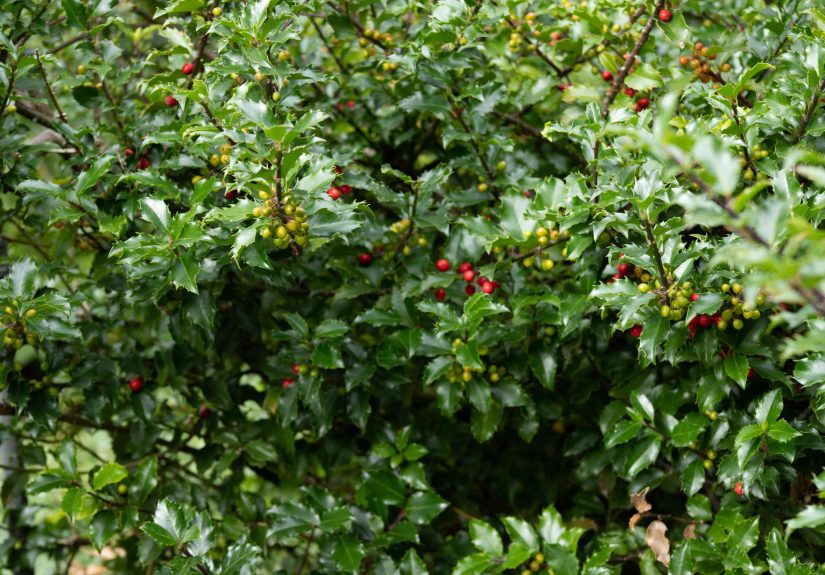
- 15. Winterberry Holly (Ilex verticillata)
- 16. Aucuba (Aucuba japonica)
- 17. Leucothoe (Leucothoe spp.)
- 18. Sweet Box (Sarcococca spp.)
- 19. Oregon Grape (Mahonia aquifolium and relatives)
- 20. Fothergilla (Fothergilla gardenii and F. major)
- 21. Redtwig or Gray Dogwood (Cornus sericea, Cornus racemosa)
- 22. Elderberry (Sambucus canadensis and hybrids)
- 23. Kerria (Kerria japonica)
- 24. Euonymus (Euonymus fortunei and others)
- 25. Abelia (Abelia x grandiflora and hybrids)
- 26. Spirea (Spiraea japonica and relatives)
- 27. Fragrant Sumac ‘Gro-Low’ (Rhus aromatica ‘Gro-Low’)
- 28. Dwarf Fothergilla or Dwarf Witch Alder (Fothergilla gardenii)
- 29. Daphne (Daphne odora and others)
- 30. Japanese Skimmia (Skimmia japonica)
- Design Tips for Shade Shrub Borders
- Conclusion
- SEO Wrap-Up
- Real-Life Experiences with Shrubs for Shade in Your Yard
Got a gloomy corner in your yard where grass gives up, flowers sulk, and you’ve seriously considered just throwing down mulch and calling it a day? Good news: that “problem area” is actually prime real estate for shade-loving shrubs. The right plants will turn those dim corners into cool, lush retreats filled with texture, color, fragrance, and even wildlife.
This guide walks you through how to choose shrubs for shade and highlights 30 of the best shrubs for shade in your yardfrom flowering showstoppers to tough evergreen workhorses. Whether you’re gardening under big trees, beside the house, or along a fence, you’ll find something that fits.
How to Choose Shrubs for Shade in Your Yard
Know Your Shade Type
“Shade” is not one-size-fits-all. Before you plant any shade shrubs, figure out what kind of light you actually have:
- Light / dappled shade: Filtered light through tree branches for much of the day.
- Partial shade: About 3–6 hours of sun, often morning sun and afternoon shade.
- Full shade: Little to no direct sun, usually on the north side of buildings or under dense tree canopies.
Most shrubs for shade prefer dappled or partial shade. Very few will thrive in deep, dry shade without some help in the form of improved soil and regular watering.
Check Your USDA Hardiness Zone and Soil
Shade-loving shrubs are picky about cold and heat. Always check the plant tag or nursery description for USDA hardiness zones that match your climate. Many favorites like hydrangea, azalea, and viburnum adapt well across multiple zones when planted in the right soiloften rich, moist, and well-drained with plenty of organic matter.
Match Shrubs to Moisture Conditions
Shady spots can be surprisingly dry because tree roots steal moisture. If you’re planting under large trees, look for shrubs that tolerate “dry shade” or be prepared to water regularly and mulch deeply. In lower areas or near downspouts, you may have moist shade, which is perfect for plants like summersweet and sweetspire.
30 Best Shrubs for Shade in Your Yard
Here are 30 of the best shrubs for shade, including flowering shrubs, evergreen shrubs, and native options. Use them alone as focal points or mix several shade shrubs together for a layered, natural look.
1. Bigleaf Hydrangea (Hydrangea macrophylla)
Bigleaf hydrangeas are classic shrubs for shade, famous for their rounded clusters of pink, blue, or purple blooms. They love morning sun with afternoon shade or bright dappled light. Give them consistently moist soil and mulch to keep roots cool. If your summers get hot, provide extra water and avoid harsh afternoon sun.
2. Oakleaf Hydrangea (Hydrangea quercifolia)
Oakleaf hydrangeas bring four-season interest: cone-shaped white flowers in summer, burgundy fall color, and peeling bark in winter. They handle more shade than many other hydrangeas and tolerate slightly drier soil once established. They’re great along woodland edges and under tall, open trees.
3. Azalea (Rhododendron spp.)
Azaleas are beloved for their spring fireworks: masses of blooms in pink, red, white, purple, or bicolor. They prefer partial shade and acidic, well-drained soil rich in organic matter. Keep them mulched, avoid heavy pruning, and water during dry spells to keep them lush and full.
4. Rhododendron (Rhododendron spp.)
Rhododendrons are like azaleas’ bigger cousins, often with larger evergreen leaves and bold flower clusters. They thrive in dappled shade and cool, moist, acidic soil. Protect them from strong winter winds and hot afternoon sun, especially in warmer climates.
5. Camellia (Camellia japonica and hybrids)
Camellias shine in partial shade with glossy evergreen foliage and rose-like blooms from fall into spring, depending on the variety. They love acidic, well-drained soil and consistent moisture. Use them as foundation shrubs, hedges, or specimen plants in shaded courtyards.
6. Mountain Laurel (Kalmia latifolia)
Mountain laurel is a native evergreen shrub with intricate star-shaped flowers. It prefers cool, acidic soil and partial shade, often thriving at woodland edges. Good drainage is essential; think “moist but not soggy.” Combine it with rhododendrons and ferns for a classic shade-garden combo.
7. Witch Hazel (Hamamelis spp.)
Witch hazel offers quirky, ribbon-like flowers in late winter when almost nothing else blooms. Many varieties tolerate partial shade, especially in warmer climates. They’re excellent transitional shrubs between full sun and deeper shade, and they bring subtle fragrance to the winter garden.
8. Virginia Sweetspire (Itea virginica)
Virginia sweetspire is a tough native shrub for shade that tolerates moist soil and even occasional flooding. It produces arching white flower spikes in late spring and fiery red fall color. It’s a great choice along streambanks, low spots, or the damp side of the house.
9. Summersweet (Clethra alnifolia)
Summersweet, also known as pepperbush, is a compact shrub with fragrant bottlebrush blooms that attract bees and butterflies in mid to late summer. It thrives in partial shade and moist, even boggy soils. Use it near patios or paths where you can enjoy the perfume.
10. Viburnum (Viburnum spp.)
Many viburnumssuch as arrowwood and doublefiletolerate partial shade beautifully. They often offer spring flowers, red or black berries for birds, and good fall color. Select varieties based on your space; some stay small and rounded while others grow into large, informal screens.
11. Japanese Andromeda (Pieris japonica)
Japanese andromeda is a refined evergreen shrub for shade with drooping clusters of bell-shaped flowers in early spring. New foliage often emerges bronze or red, adding extra interest. It prefers partial shade, acidic soil, and consistent moisture, similar to azaleas and rhododendrons.
12. Yew (Taxus spp.)
Yews are classic, long-lived evergreen shrubs for deep shade, often used in foundation plantings, hedges, and topiary. They tolerate heavy pruning and a wide range of soil types, as long as drainage is decent. Avoid planting where pets or livestock might nibble; all parts are toxic if eaten.
13. Boxwood (Buxus spp.)
Boxwoods are tidy evergreens that tolerate partial shade and respond well to shaping. They’re ideal for low hedges, clipped balls, and formal garden edges in areas that don’t receive full sun all day. Keep an eye out for boxwood blight in humid regions and provide good air circulation.
14. Inkberry Holly (Ilex glabra)
Inkberry is a native evergreen holly with small, glossy leaves and black berries that birds love. It thrives in partial shade and moist, acidic soils, making it a fantastic alternative to boxwood in wet or coastal areas. Look for compact varieties that keep a dense shape.
15. Winterberry Holly (Ilex verticillata)
Winterberry holly loses its leaves in winter but keeps clusters of bright red berries that light up a shady landscape. It grows well in partial shade and tolerates wet soil. Plant at least one male pollinator nearby so female plants set a heavy berry crop.
16. Aucuba (Aucuba japonica)
Aucuba is practically a superhero shrub for deep shade. Its large, leathery leaves are often splashed with gold or yellow, instantly brightening dark corners. It thrives in full to heavy shade and tolerates urban conditions and dry soil once established.
17. Leucothoe (Leucothoe spp.)
Leucothoe is a graceful, arching evergreen shrub with glossy leaves that often turn red or purple in cool weather. It prefers partial to full shade and moist, acidic soil. Use it on slopes, along shaded paths, or as a foundation planting with other woodland plants.
18. Sweet Box (Sarcococca spp.)
Sweet box is a low, mounding evergreen shrub that excels in deep shade. In late winter, tiny white flowers release a surprisingly strong vanilla-like fragrance. Plant it near entryways or along shaded walkways where you’ll catch that scent on chilly days.
19. Oregon Grape (Mahonia aquifolium and relatives)
Oregon grape is a tough, holly-like evergreen that tolerates partial shade, drought, and lean soil once established. It produces yellow flowers followed by blue berries. Its bold texture is perfect for naturalistic plantings and wildlife-friendly gardens.
20. Fothergilla (Fothergilla gardenii and F. major)
Fothergilla is an underused gem with bottlebrush white flowers in spring and spectacular orange-red fall color. It grows best in partial shade with moist, acidic soil. Pair it with azaleas, dogwoods, and spring bulbs for a dynamic woodland border.
21. Redtwig or Gray Dogwood (Cornus sericea, Cornus racemosa)
Shrubby dogwoods tolerate partial shade and damp soil, making them ideal for low, shady areas. Redtwig dogwood shines in winter with bright red stems, while gray dogwood offers clusters of white berries. They can grow large, so give them room or prune regularly.
22. Elderberry (Sambucus canadensis and hybrids)
Elderberries thrive in partial shade with moist soil and produce clusters of white flowers followed by dark berries that attract birds. Some ornamental varieties have purple or golden foliage for extra drama. Use them at the back of beds or along fences.
23. Kerria (Kerria japonica)
Kerria offers cheerful yellow pompom flowers that brighten shady spaces in spring and often again later in the season. Its green stems show up nicely in winter. It thrives in partial to full shade and tolerates poor soils, making it a good “problem solver” shrub.
24. Euonymus (Euonymus fortunei and others)
Some euonymus varieties, especially variegated forms, handle partial shade very well. They can be used as low hedges, groundcovers, or trained onto supports. Choose disease-resistant cultivars and avoid planting where invasive tendencies are a concern in your region.
25. Abelia (Abelia x grandiflora and hybrids)
Abelia is often sold for sunny spots, but many cultivars tolerate light shade and still bloom well. They produce clusters of tubular flowers from summer into fall and often have colorful foliage. In milder climates, many are semi-evergreen or evergreen.
26. Spirea (Spiraea japonica and relatives)
Spirea prefers sun but will still flower in light shade, especially where it gets morning light. It’s a low-maintenance shrub with clusters of pink, white, or red blooms. Use it near the front of mixed borders where it shares space with perennials and groundcovers.
27. Fragrant Sumac ‘Gro-Low’ (Rhus aromatica ‘Gro-Low’)
This low, spreading shrub excels on slopes and in partial shade. Its aromatic leaves turn brilliant shades of orange and red in fall. It’s especially useful as a groundcover under open trees where turf struggles, providing erosion control and seasonal color.
28. Dwarf Fothergilla or Dwarf Witch Alder (Fothergilla gardenii)
Smaller than some other shrubs, dwarf fothergilla is perfect for foundation plantings in partial shade. It offers fragrant spring flowers and strong fall color without overwhelming small spaces. It thrives in acidic, well-drained soil and benefits from mulch.
29. Daphne (Daphne odora and others)
Daphne is famously fussy but rewarding. It prefers partial shade, excellent drainage, and protection from extreme cold and heat. In late winter or early spring, its intensely fragrant blooms perfume the entire garden. Plant it close to paths so you can enjoy the scent.
30. Japanese Skimmia (Skimmia japonica)
Skimmia is a compact evergreen shrub that loves shade and cool conditions. Male and female plants are needed for berries, but many ornamental varieties feature attractive buds, flowers, and foliage even without fruit. It’s a great option for shaded front yards and entryways.
Design Tips for Shade Shrub Borders
- Layer heights: Use taller shrubs like rhododendron or dogwood at the back, medium shrubs like hydrangea in the middle, and low growers like sweet box or skimmia at the front.
- Play with foliage color: Mix dark greens with gold-variegated aucuba, blue-green yews, and burgundy elderberries to keep things interesting even when nothing’s blooming.
- Add perennials and groundcovers: Ferns, hostas, and heucheras slide beautifully between shade shrubs, filling gaps and controlling weeds.
- Use mulch generously: Organic mulch helps hold moisture, feeds the soil, and makes shady beds look finished and tidy.
Conclusion
Shade doesn’t have to be the “dead zone” of your landscape. With the right mix of shade shrubsflowering, evergreen, and nativeyou can transform dark corners into cool, layered retreats that look good year-round. Start by understanding your shade, matching shrubs to your site, and then have fun combining textures, colors, and forms. Your yard may just become the place everyone wants to escape to on hot, sunny days.
SEO Wrap-Up
sapo: Looking for the best shrubs for shade because your yard has more “gloom” than “glow”? You’re not alone. Many home gardeners battle north-facing walls, big thirsty trees, and side yards that never see direct sun. The secret is choosing shade-loving shrubs that actually prefer less light. From hydrangeas and azaleas to tough evergreens like yew and aucuba, this guide walks you through 30 of the best shrubs for shade in your yard, plus practical design tips and real-world planting advice so you can turn dark corners into lush, low-maintenance garden retreats.
Real-Life Experiences with Shrubs for Shade in Your Yard
On paper, shade gardens look effortlesslush green foliage, soft light, and absolutely no need for sunglasses. In real life, most gardeners discover shade the hard way: after a few crispy hydrangeas, some sulking roses, and a bare patch under the maple that refuses to cooperate. The good news is that once you find the right shrubs for shade, those “problem spots” often become your favorite parts of the yard.
One common experience is under large trees. The soil is dry, the roots are everywhere, and the light is more “late twilight” than “partial shade.” Instead of forcing lawn grass to survive, many gardeners have success with a layered approach: a ring of tough shrubs like aucuba, yew, and ‘Gro-Low’ fragrant sumac, with a few hydrangeas where the light is a bit brighter. Over time, mulch and leaf litter improve the soil, and those shrubs help create a woodland feel that looks intentional instead of accidental.
Another frequent story involves the north side of the house. It’s often cold, dark, and windy in winterbut it’s prime real estate for shade-loving shrubs. Homeowners who replace struggling boxwoods or half-baked roses with skimmia, sweet box, and Japanese andromeda often notice a big difference. These shrubs stay attractive through winter, and if you choose fragrant varieties, you’ll catch whiffs of scent just walking to the front door.
Drainage issues also show up a lot in shade-garden “before” pictures. Downspouts and low spots can create soggy, shady zones where standard shrubs eventually rot. Gardeners who switch to moisture-loving shade shrubs like summersweet, sweetspire, and winterberry holly often report fewer plant deaths and far more wildlife. Those shrubs feed pollinators and birds, and they’re usually more forgiving when the weather swings between heavy rain and dry spells.
One of the biggest lessons people learn is that foliage matters just as much as flowers in shade. Shade-loving shrubs with bold or variegated leaveslike aucuba, variegated euonymus, and some elderberriesact like built-in spotlights. When paired with finer textures like ferns or small-leaved boxwood, they create depth and contrast that keeps the garden interesting even when nothing is in bloom. Many gardeners admit that once they start focusing on foliage, their shade gardens suddenly look “designed,” even if they’re just figuring it out as they go.
Maintenance-wise, experience shows that shade shrubs can be surprisingly low effort once they’re established. After the first year or two of regular watering, most of the shrubs on this list cruise along with mulch, occasional pruning, and maybe a spring fertilizer for acid-loving plants like rhododendron and camellia. Compared with sun-loving annuals that need constant replanting, shade shrubs can feel like a major upgrade in both time and budget.
Finally, many gardeners find that their shade garden becomes the place they enjoy most in summer. A bench tucked among hydrangeas, sweet box, and fothergilla feels cooler and calmer than the sunny patio. Birds visit to snack on berries, bumblebees buzz through summersweet flower spikes, and the whole area becomes a refuge for people and wildlife alike. Once you’ve experienced that, it’s easy to see why “shrubs for shade in your yard” is no longer a desperate last resort, but a smart design choice you’d make again and again.