Table of Contents >> Show >> Hide
- Why Beatles Playlists Work So Well for Residency Emotions
- Playlist 1: The Pre-Rounds Power-Up
- Playlist 2: The Post-Call Soft Landing
- Playlist 3: The Imposter Syndrome Clinic
- Playlist 4: The Golden-Hour Comeback
- How to Build Your Own Beatles Residency Playlist
- of Experience: What These Playlists Feel Like in Real Residency Life
- Conclusion: Let the Fab Four Round With Your Feelings
Residency is not a season of life so much as a weather system. Some days arrive with bright “Here Comes the Sun” optimism. Others feel like you accidentally matched into the Department of Endless Notes, Pager Alarms, and Coffee That Tastes Like Regret. If you are a medical resident, fellow, intern, or the person who loves one, you already know the emotional range can swing from “I am becoming a doctor!” to “Why is my badge in the refrigerator?” before noon.
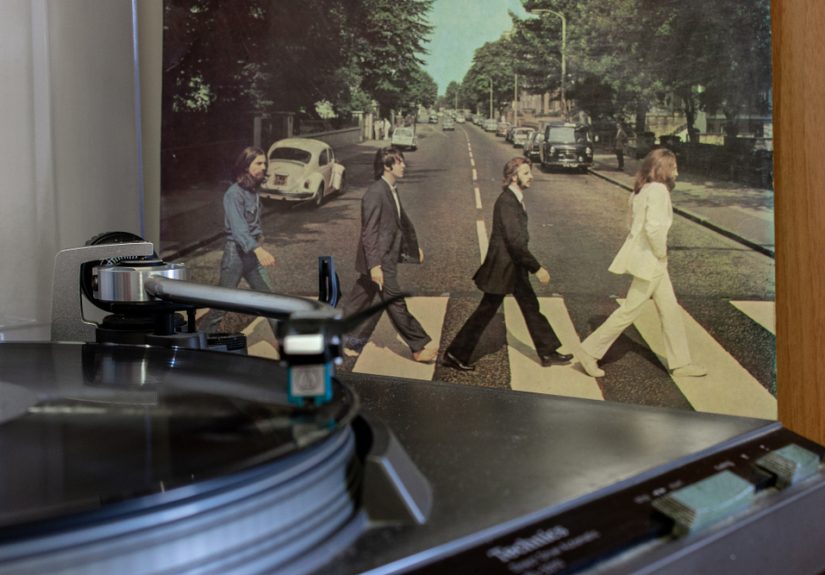
That is where The Beatles come in. The Fab Four built one of the most emotionally flexible song catalogs in popular music: joy, exhaustion, loneliness, weird humor, comfort, confidence, heartbreak, renewal, and the occasional psychedelic detour that feels suspiciously like post-call brain fog. Their albums moved from early rock-and-roll energy to reflective songwriting, studio experimentation, and timeless ballads. In other words, they accidentally created a perfect emotional toolkit for residency.
This article is not medical advice, therapy, or a replacement for sleep, supervision, boundaries, or calling your program’s wellness resources when you need help. A playlist cannot fix a broken schedule. But music can help you name an emotion, create a ritual, reset after a hard shift, or remind you that you are still a person under the scrubs. So, let’s build four Beatles playlists for four very real residency moods: the pre-rounds sprint, the post-call collapse, the imposter syndrome spiral, and the golden-hour comeback.
Why Beatles Playlists Work So Well for Residency Emotions
Residency is a strange blend of high responsibility and low personal control. You are learning at warp speed, handling patients’ real problems, navigating hierarchy, rotating through unfamiliar teams, and trying to remember whether you ate something that qualifies as dinner. Burnout, fatigue, sleep disruption, and stress are not imaginary side quests; they are well-recognized challenges in graduate medical training.
The Beatles fit this emotional landscape because their songs are short, memorable, and wildly varied. Need energy? Early Beatles tracks have handclaps, momentum, and enough forward motion to get you through a stairwell when the elevator is too slow. Need comfort? Their later ballads offer warmth without pretending life is easy. Need perspective? Songs like “Let It Be” and “Across the Universe” create space around a hard moment. Need a tiny rebellion against hospital beige? “Come Together” enters the chat wearing sunglasses.
The key is not to create one perfect Beatles playlist for every situation. Residency emotions are too specific for that. You need different soundtracks for different clinical weather patterns. A song that feels comforting at 8 p.m. may feel cruel at 4:45 a.m. A song that pumps you up before rounds may be too much after a difficult code. Think of these playlists like emotional compression socks: not glamorous, but surprisingly useful.
Playlist 1: The Pre-Rounds Power-Up
For the emotion: “I have twelve minutes, three consults, and one banana.”
This playlist is for the chaotic launch phase of the day. You are walking from the parking garage, train stop, or call room to the unit. Your coffee is either heroic or inadequate. Your to-do list is already breeding. You need motion, not meditation.
The goal here is rhythm, confidence, and a little sparkle. Early Beatles songs are perfect because they are direct, fast, and built around clean hooks. They do not ask you to solve your childhood. They ask you to keep moving.
Suggested songs
- “A Hard Day’s Night”
- “Help!”
- “I Want to Hold Your Hand”
- “Can’t Buy Me Love”
- “She Loves You”
- “Twist and Shout”
- “Eight Days a Week”
- “Drive My Car”
Start with “A Hard Day’s Night” because the opening chord sounds like someone slammed the door on sleep and declared, “We’re doing medicine now.” It is the unofficial anthem of anyone who has ever walked into work already tired. Follow with “Help!” because residency is basically a multi-year masterclass in learning when to ask for exactly that. The song is upbeat, but the title tells the truth. That combination is residency in a lab coat.
“I Want to Hold Your Hand” and “She Loves You” add brightness without overthinking. They are useful when you need to remember that human connection still exists beyond sign-out. “Drive My Car” brings swagger, which is helpful before presenting to an attending who can detect uncertainty from across the workroom. No, the song will not magically make your assessment and plan perfect. But it may help you stand a little taller while saying, “My leading diagnosis is…”
How to use it
Play this playlist while commuting, walking into the hospital, preparing your workstation, or packing your pockets. Keep it short: 15 to 25 minutes is enough. The point is not to drown out reality; it is to enter the day with a pulse. Pair it with a practical ritual: fill your water bottle, check your list, find your pen, and take one full breath before opening the chart. Congratulations. You are now 3% more organized than your pager wants you to be.
Playlist 2: The Post-Call Soft Landing
For the emotion: “I survived, but my soul is buffering.”
Post-call emotions are not simple tiredness. They are a soup of adrenaline, hunger, relief, sadness, sensory overload, and the bizarre confidence that you can definitely buy groceries on the way home. You cannot. Go home. The apples can wait.
This Beatles playlist is built for decompression. It avoids overly bright songs and chooses tracks that feel gentle, reflective, and steady. You need music that lowers the volume of the hospital without making you feel lonely.
Suggested songs
- “Let It Be”
- “Here Comes the Sun”
- “Blackbird”
- “Across the Universe”
- “In My Life”
- “Golden Slumbers”
- “Because”
- “The Long and Winding Road”
“Let It Be” is the anchor. It does not say everything is fine. It says there can be a little room around what happened. That matters after a shift where you carried difficult conversations, family updates, admissions, discharges, and the quiet weight of being present when people are scared.
“Blackbird” is delicate without being fragile. It is a good song for the walk from the hospital to your car when the morning light feels almost offensive. “In My Life” works when a shift makes you think about people, time, memory, and the strange privilege of being trusted at someone’s worst moment. “Golden Slumbers” is practically a prescription for going home, showering, and surrendering to a nap without pretending you are going to answer one more email.
How to use it
Use this playlist after nights, long calls, emotionally heavy rotations, or days when your brain refuses to downshift. Keep the volume low. Do not pair it with doom-scrolling. Do not pair it with “just one quick chart check.” Pair it with leaving the building, eating something normal, hydrating, and allowing silence afterward.
A post-call playlist should not stimulate you into productivity. It should help your nervous system understand that the shift is over. The Beatles’ softer catalog gives your brain a bridge from “constant alert” to “safe enough to rest.” In residency, that bridge is gold.
Playlist 3: The Imposter Syndrome Clinic
For the emotion: “Everyone else got the real doctor manual.”
Imposter syndrome in residency is sneaky. It can show up after a tough presentation, a missed detail, a confusing consult, or one of those questions from an attending that begins innocently and ends with your soul exiting through the ceiling tile. The feeling says, “You do not belong here.” The evidence usually says, “You are learning in a difficult environment.” Those are not the same thing.
This playlist is for the emotional dip that follows self-doubt. It includes songs that are encouraging, honest, and a little quirky. Because sometimes the cure for perfectionism is not a motivational speech. Sometimes it is John, Paul, George, and Ringo reminding you that even geniuses wrote songs about submarines.
Suggested songs
- “With a Little Help from My Friends”
- “Hey Jude”
- “Nowhere Man”
- “You’ve Got to Hide Your Love Away”
- “I’m Looking Through You”
- “We Can Work It Out”
- “Getting Better”
- “Yellow Submarine”
“With a Little Help from My Friends” is the residency thesis statement. Nobody gets through training alone. You need senior residents, nurses, pharmacists, attendings, respiratory therapists, program coordinators, co-interns, friends, family, and the person who knows where the good crackers are hidden. Independence matters, but isolation is overrated.
“Hey Jude” is useful when you need a long emotional runway. It starts gently and builds into something communal, which is exactly what self-doubt often needs: not instant fixing, but gradual re-entry into confidence. “Nowhere Man” belongs here because some days you truly do feel like you are making all your plans for nobody. The song gives that feeling a name without letting it own the room.
“We Can Work It Out” is perfect after feedback. Good feedback can sting, even when it is fair. This song encourages problem-solving rather than spiraling. “Getting Better” adds a wink. Are you perfect? Absolutely not. Are you getting better? Probably, even if the progress is hidden under three progress notes and a cafeteria burrito.
How to use it
Play this playlist after a difficult teaching moment, a low-confidence clinic session, or a day when you compare yourself to everyone else and lose. Then do one concrete thing: text a friend, ask a senior how they handled a similar situation, write down one thing you learned, or review one topic for ten focused minutes. Music helps regulate the feeling. Action helps rebuild trust in yourself.
Playlist 4: The Golden-Hour Comeback
For the emotion: “I remember why I chose this.”
Not every residency emotion is heavy. There are moments of deep satisfaction: the patient who improves, the family who thanks you, the procedure that finally clicks, the intern who becomes more confident, the attending who says, “Nice job,” and you try to act normal while your internal marching band explodes.
This playlist is for those moments. It is warm, expansive, and slightly cinematic. It reminds you that residency is not only endurance. It is also growth, skill, friendship, purpose, and the occasional perfect breakfast sandwich after rounds.
Suggested songs
- “Here Comes the Sun”
- “Good Day Sunshine”
- “All You Need Is Love”
- “Ob-La-Di, Ob-La-Da”
- “Got to Get You Into My Life”
- “Come Together”
- “I Saw Her Standing There”
- “The End”
“Here Comes the Sun” may be the most obvious choice, but obvious does not mean wrong. It is a clean emotional reset, especially after a dark rotation, winter block, or stretch of nights. “Good Day Sunshine” is almost aggressively cheerful, which makes it ideal for the rare day when your notes are done, your attending is kind, and the cafeteria fries are fresh.
“All You Need Is Love” works best when taken as a reminder, not a policy proposal. Love alone will not fix staffing, documentation burden, or your sleep schedule. But compassion is still part of the work, and it is one of the reasons many people entered medicine in the first place. “Come Together” is the team song: medicine functions when different people with different skills coordinate under pressure. Ideally with fewer mysterious lyrics, but the point stands.
End with “The End.” Its famous closing sentiment about love and return has made it one of the Beatles’ most enduring emotional sign-offs. For residents, it lands as a reminder that what you give to your patients, your team, and yourself matters. Also, it has a drum solo. Medicine could use more drum solos.
How to use it
Use this playlist after wins, before days off, while cooking an actual meal, or on the walk home when you realize you are becoming more capable than you were six months ago. Let it mark progress. Residency moves so fast that accomplishments can disappear into the next task. A comeback playlist says, “Pause. This counted.”
How to Build Your Own Beatles Residency Playlist
The four playlists above are starting points, not commandments carved into vinyl. Your emotional associations matter. A song that comforts one resident may annoy another. A track that reminds you of your parents’ kitchen may feel warmer than the “perfect” song chosen by an algorithm. The best playlist is the one that works in your real life, not the one that looks clever in a blog post.
Match tempo to task
For pre-rounding, commuting, and cleaning your apartment after pretending the laundry chair was a closet, choose faster songs. For post-call recovery, choose slower songs with softer textures. For studying, instrumental versions or lower-volume tracks may work better than sing-along classics, unless you enjoy accidentally typing “na-na-na” into your notes.
Keep playlists short
A residency playlist should be practical. Ten songs are often enough. You do not need a six-hour Beatles marathon before clinic. You need a reliable emotional cue. Short playlists are easier to repeat, remember, and associate with a specific state of mind.
Create boundaries with music
One powerful use of music is transition. A song can mark the beginning of a shift, the end of a shift, or the moment when you stop being “doctor mode” and return to being a person who owns pajamas. This matters because residency can bleed into every corner of life if you let it.
of Experience: What These Playlists Feel Like in Real Residency Life
Imagine this: it is 5:17 a.m., and the hospital is doing that strange pre-dawn thing where everything is quiet but not peaceful. The vending machine hums like it knows your secrets. Your badge reel has chosen violence and keeps flipping backward. You press play on the Pre-Rounds Power-Up playlist, and “A Hard Day’s Night” hits. Suddenly, you are not just a tired resident walking toward another list. You are a tired resident with theme music. This is not a cure, but it is not nothing.
That is the real experience of using Beatles playlists during residency. The songs do not erase the hard parts. They frame them. They turn the walk to the ICU into a ritual. They turn the drive home after nights into a soft landing. They give shape to emotions that are often swallowed because there is another patient to see, another order to sign, another family waiting for an update.
On a good day, “Good Day Sunshine” feels almost too on the nose. Maybe your patient’s creatinine improved. Maybe your senior trusted you with more autonomy. Maybe you finally explained a plan clearly and saw relief on a patient’s face. The song becomes a little flag in the ground: this is why I am here. Training is hard, but today had meaning.
On a bad day, “Let It Be” may feel less like a song and more like permission. Permission to stop replaying the conversation where you stumbled. Permission to admit that a patient’s story hurt. Permission to leave the hospital without solving every systemic problem before dinner. Residents are often trained to respond, fix, plan, and anticipate. They are not always trained to release. A gentle song at the right time can help.
The imposter syndrome playlist may be the most personal. Every resident has a version of the moment: standing outside a room, looking at a chart, wondering why anyone allowed them to have this much responsibility. “With a Little Help from My Friends” can sound playful, but beneath the charm is a survival strategy. Ask for help. Use the team. Trust the people around you. Medicine is not a solo album.
Then there are the ordinary moments: folding scrubs, microwaving leftovers, walking in sunlight after a windowless shift, sitting on the floor because the couch is too ambitious. Beatles songs fit these moments because they are familiar without being flat. They can be silly, sincere, strange, or profound. Residency contains all of that too.
Over time, these playlists can become emotional landmarks. You may remember the rotation where “Blackbird” got you home. The month where “Help!” was a little too accurate. The day “Here Comes the Sun” played after your last night shift and actually meant it. That is the quiet beauty of matching music to training: it helps you notice your own life while you are busy caring for everyone else’s.
Conclusion: Let the Fab Four Round With Your Feelings
Residency asks for stamina, humility, intelligence, teamwork, and an almost suspicious relationship with caffeine. It also asks you to carry emotions that do not always fit neatly into a schedule. Beatles playlists can help you sort those emotions into something more manageable: energy before rounds, softness after call, courage after self-doubt, and celebration when the light comes back.
The Beatles are not a wellness program. They are not a substitute for safe staffing, real rest, mentorship, mental health support, or a culture that treats residents like human beings. But a good playlist can be a small act of self-preservation. It can remind you that you are more than your last note, last mistake, last shift, or last evaluation. You are a person in training, and you deserve a soundtrack.
So build your four playlists. Edit them ruthlessly. Add the songs that make sense to your own heart. Press play before the day begins, after it ends, when confidence wobbles, and when joy sneaks back in. Residency may be a long and winding road, but at least you can choose better music for the ride.