Table of Contents >> Show >> Hide
- Why the ROG Xbox Ally Line Matters
- Two Models, Two Different Players
- The Specs That Make It Feel Like a Real Next-Gen Handheld
- The Software Might Be the Best Upgrade of All
- Where the Ally Line Wins
- Where It Still Has Work to Do
- Who Should Buy Which Model?
- Why This Matters for Xbox’s Future
- Experience: What Gaming on the ROG Xbox Ally Line Actually Feels Like
- Conclusion
For years, handheld gaming has lived in a strange little split-screen existence. On one side, you had the convenience crowd: people who wanted to flop onto the couch, sprawl across an airport gate, or quietly disappear into a role-playing game while pretending to “watch” a family movie. On the other side, you had the performance crowd: players who wanted real PC power, better frame rates, richer visuals, and access to their full game libraries without feeling like they were sacrificing half the experience.
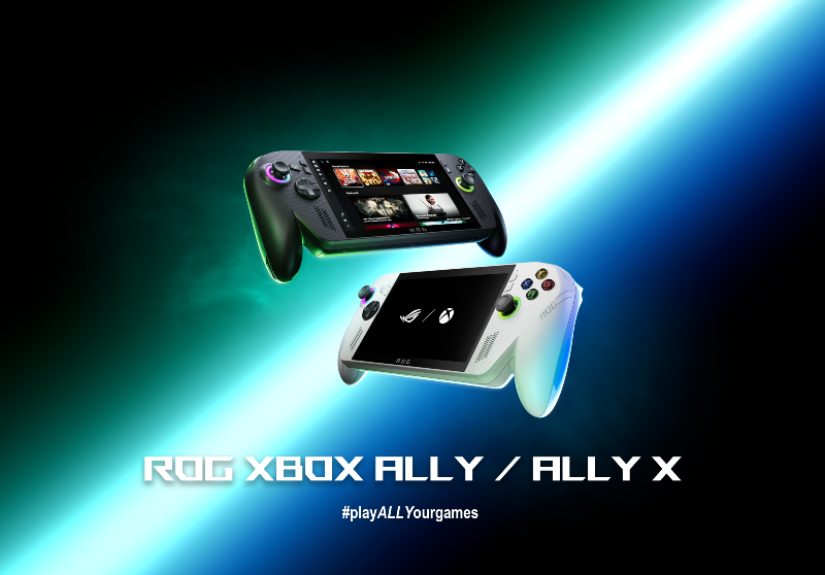
The ROG Xbox Ally lineup tries to end that argument with a very simple pitch: why not both? Built through a partnership between ASUS and Xbox, the ROG Xbox Ally and ROG Xbox Ally X are handheld gaming PCs designed to feel more like portable Xbox systems without giving up the flexibility of Windows. That means Xbox Game Pass, Xbox Play Anywhere, Steam, Epic Games Store, Battle.net, cloud gaming, native installs, and a full-screen Xbox-style interface that is clearly meant to make Windows handheld gaming less “tiny laptop with identity issues” and more “grab it and play.”
And honestly, that is the big deal here. The Ally line is not just another Steam Deck rival with a shinier jacket. It is part hardware refresh, part software cleanup project, and part statement about where Xbox seems to be headed next. In other words, it is a handheld with ambition. Also, blessedly, it comes with actual grips. Your wrists may now send thank-you cards.
Why the ROG Xbox Ally Line Matters
Portable gaming is no longer a novelty category. It is now a legitimate battleground. The Steam Deck proved that people absolutely want serious gaming on the go, and competitors have been sprinting into the space ever since. What makes the ROG Xbox Ally line stand out is that it does not just chase raw specs. It tries to fix the thing that has long made Windows handhelds feel a little awkward: the software experience.
Instead of dropping players straight onto a traditional Windows desktop full of tiny icons and “please use a keyboard” energy, the ROG Xbox Ally handhelds boot into an Xbox full-screen experience designed for buttons, sticks, and couch-brain navigation. That matters. A lot. It means the devices are trying to deliver console-style convenience while still keeping PC freedom underneath.
That balancing act is the whole pitch. You are not locked into one storefront. You are not limited to cloud streaming. You are not buying a traditional Xbox console, either. You are getting a Windows handheld with a more Xbox-like front door, which is a clever way of bringing next-gen gaming closer to the “pick up and play” dream people have wanted for years.
Two Models, Two Different Players
ROG Xbox Ally
The standard ROG Xbox Ally is the more approachable model in the lineup. It uses an AMD Ryzen Z2 A processor, 16GB of LPDDR5 memory, a 512GB M.2 2280 SSD, and a 60Wh battery. In plain English, this is the handheld for players who want broad access to PC games, cloud gaming, indie titles, older AAA games, and a solid all-around portable Xbox-adjacent experience without immediately launching their budget into low orbit.
It is the model that makes the most sense for people who value versatility over bragging rights. If your idea of a great portable session is swapping between Hades, Forza Horizon 5, cloud streaming a Game Pass title, and occasionally installing something meatier, the base Ally is designed to be that everyday companion.
ROG Xbox Ally X
The ROG Xbox Ally X is the premium version, and ASUS/Xbox are not exactly whispering about it. This model upgrades to the AMD Ryzen AI Z2 Extreme, 24GB of faster LPDDR5X memory, a 1TB SSD, and a larger 80Wh battery. It also adds impulse triggers and a more advanced I/O setup, including a USB4 Type-C port that is Thunderbolt 4 compatible.
This is the handheld for players who want better performance in newer games, more storage for larger installs, more breathing room for demanding titles, and a device that feels less like “portable compromise” and more like “small gaming beast with surprisingly civilized manners.” It is also the more future-facing model, thanks to its AI-capable hardware and newer software features aimed specifically at the Ally X.
The Specs That Make It Feel Like a Real Next-Gen Handheld
A Display That Knows What It Is Doing
Both handhelds use a 7-inch Full HD IPS display with a 120Hz refresh rate, AMD FreeSync Premium support, 500 nits of brightness, and Gorilla Glass Victus with anti-reflection treatment. That is a fancy way of saying the screen is built to keep motion smooth, reduce tearing, and avoid looking washed out the second you leave your perfectly lit gaming cave.
No, it is not OLED. Some buyers will absolutely grumble about that, because gamers can smell missing OLED from three zip codes away. Still, the panel specifications are strong for a Windows handheld, and 120Hz matters when you are playing faster-paced titles or navigating a system that is supposed to feel modern rather than mushy.
Performance Where It Counts
The base Ally and Ally X are clearly aimed at different workloads. The standard model is about efficient, flexible portable gaming. The Ally X is built for higher-end handheld performance, especially when newer AAA games start flexing their appetite for RAM, bandwidth, and battery. That extra memory and larger SSD are not just spec-sheet decorations; they make the premium model more comfortable living in a world where game installs are enormous and modern PC titles are not shy about eating resources.
This is why the Ally X is the version that gets the “next-gen” label more naturally. It is not only faster on paper; it is designed to better handle the reality of portable PC gaming in 2026, where players expect better efficiency, better multitasking, and fewer moments of “why is this tiny machine fighting for its life?”
Battery and Portability Without the Usual Drama
Battery life is always the handheld elephant in the room. The standard Ally comes with a 60Wh battery, while the Ally X bumps that to 80Wh. ASUS has also emphasized efficiency improvements, especially on the X model, and that matters just as much as the raw battery size. Bigger battery plus smarter power behavior is usually the difference between “fun portable gaming session” and “wall outlet scavenger hunt.”
The standard Ally weighs about 670 grams, while the Ally X comes in around 715 grams. That is not featherweight territory, but it is still practical for a premium gaming handheld, especially when you factor in the redesigned grips that have become one of the line’s most praised features.
The Software Might Be the Best Upgrade of All
Here is where the ROG Xbox Ally line gets especially interesting. These devices run Windows 11, which means broad compatibility with PC game stores, launchers, mods, and apps. But instead of asking players to navigate all of that from a tiny desktop interface, Xbox and Microsoft built a full-screen experience tailored for handheld play.
The result is a console-inspired layer on top of Windows that puts your game library, Game Bar tools, and core navigation within easy reach of a controller. It also helps aggregate games from different storefronts, which is a genuinely useful quality-of-life feature. Nobody buys a gaming handheld because they dream of manually hunting through folders like a digital archaeologist.
This software direction also helps explain why the Ally line feels important beyond the hardware. It is not just about selling one more handheld. It is about making Xbox more portable, more PC-friendly, and more consistent across devices. The machine in your hands might be made by ASUS, but the user experience is clearly part of a bigger Xbox strategy.
Where the Ally Line Wins
The biggest win is comfort. Across early impressions and later reviews, the redesigned Xbox-style grips have been one of the most consistently praised elements. That sounds like a small detail until you remember that handheld gaming sessions can last hours, and bad ergonomics can turn a boss fight into an upper-body complaint.
The second win is flexibility. This is not a locked ecosystem device. You can access Game Pass, Steam, Epic, Battle.net, and other PC storefronts. For players with large PC libraries, that is huge. You are not starting from scratch. You are taking your gaming life with you.
The third win is momentum. Microsoft has continued improving the Xbox PC experience around these devices, including a handheld compatibility program and newer features like highlight reels on the Ally X. That suggests the lineup is not a one-and-done experiment. It looks much more like a platform push.
Where It Still Has Work to Do
Let’s not pretend this line has solved every problem in handheld gaming. Even with the better full-screen Xbox experience, these are still Windows handhelds. That means some friction remains. Dedicated handheld operating systems still have an edge in simplicity, and buyers who want a purely frictionless, appliance-like experience may still find the category a little fussy.
Then there is the price. The base model lands in premium territory, and the Ally X is very much a “serious enthusiast” purchase. That does not make either device bad, but it does mean shoppers should be honest about what they actually play. If most of your gaming is streaming, indie titles, and a few light installs, the Ally X may be glorious overkill. Beautiful overkill, sure. But still overkill.
And because this is a fast-moving handheld market, the Ally line is not competing in a vacuum. SteamOS devices, other Windows handhelds, and future Xbox hardware all shape how these machines are judged. In other words, the Ally lineup is impressive, but it still has to earn its place every single time someone compares spec sheets and starts muttering about value.
Who Should Buy Which Model?
Buy the ROG Xbox Ally if:
You want an Xbox-friendly handheld gaming PC without immediately springing for the most expensive option. It is a strong fit for cloud gaming, indie games, back-catalog favorites, multiplayer staples, and players who care more about access and comfort than maxing out every setting.
Buy the ROG Xbox Ally X if:
You want the best version of this idea. The larger battery, more powerful chip, 24GB of RAM, 1TB SSD, extra I/O flexibility, and premium features make it the model for players who take portable AAA gaming seriously. If your dream is to play demanding games in a handheld format and not feel like you bought the compromise edition, this is the one.
Why This Matters for Xbox’s Future
The ROG Xbox Ally line is not just a cool gadget launch. It is a preview of where Xbox appears to be going. Microsoft has spent years talking about ecosystems, flexibility, cloud gaming, and playing across devices. These handhelds take those ideas and turn them into something you can actually hold.
That makes the Ally line feel bigger than a single product family. It is a test of whether Xbox can extend its identity beyond the traditional console box without losing what makes Xbox feel like Xbox. If the answer is yes, then the Ally devices may end up looking less like side projects and more like the early chapter of a broader next-gen gaming strategy.
Experience: What Gaming on the ROG Xbox Ally Line Actually Feels Like
The best way to understand the ROG Xbox Ally line is not through a spreadsheet. It is through the moment you pick one up and realize it is trying very hard not to feel like a mini PC with trust issues. The deeper grips make a difference immediately. Instead of holding a flat slab and hoping your fingers forgive you, you get something that feels closer to a real controller split in half and wrapped around a screen. That sounds dramatic, but comfort is one of those features you do not fully appreciate until a device gets it right.
In practical use, the experience is all about momentum. You turn the system on and land in a controller-friendly Xbox environment rather than a cluttered desktop. That alone changes the mood. It feels less like maintenance and more like gaming. You can jump into Game Pass, browse your installed titles, pull up Game Bar, and move through menus without thinking, “I should probably have packed a mouse for this.”
Then there is the freedom factor. A lot of handhelds make you choose a lane. The Ally line feels more like a portable intersection. You might start with an Xbox Play Anywhere title, switch to a Steam game you bought three years ago during a sale you definitely justified as “financially responsible,” and then stream something from the cloud because you are too impatient to wait for a full install. The whole point is that the device bends around your habits instead of forcing you into one ecosystem.
On the performance side, the Ally X is the one that most strongly delivers the “this is the future” feeling. Demanding games simply feel more at home there. The extra RAM and bigger battery give the system a calmer, more capable personality. It does not seem as easily flustered, and that matters when you are trying to squeeze premium PC gaming into a handheld form factor. The standard Ally still has plenty of appeal, but the X is the one that makes you raise an eyebrow and think, “Okay, now handheld gaming is getting a little ridiculous in the best possible way.”
Of course, real-world experience is not just about the highs. These are still premium gaming handhelds, which means you remain aware of battery management, storage priorities, and the occasional reminder that Windows is still in the room. But compared with older handheld PC experiences, the Ally line feels more intentional. More polished. More confident. Less “science project,” more “actual product category.”
And that is probably the most important takeaway. The ROG Xbox Ally and ROG Xbox Ally X do not just let you play games anywhere. They make portable gaming feel like a serious part of the next-gen conversation instead of a fun side hustle. Whether you are playing on a plane, at a desk, on the couch, or in bed while promising yourself “just one more mission,” the Ally line makes a persuasive case that next-gen gaming no longer has to stay parked in front of a TV.
Conclusion
The ROG Xbox Ally line succeeds because it understands that handheld gaming in 2026 is not just about performance. It is about access, comfort, flexibility, and reducing friction between you and your games. The base ROG Xbox Ally is the more practical all-rounder, while the ROG Xbox Ally X is the premium choice for players who want stronger portable performance and more room to grow. Together, they show what happens when ASUS hardware expertise meets Xbox’s ecosystem strategy: a handheld experience that feels far closer to true next-gen gaming than most portable devices have managed so far.
No, the category is not perfect yet. But the Ally line is one of the clearest signs that portable gaming is no longer an interesting side quest. It is becoming one of the main storylines.