Table of Contents >> Show >> Hide
- Why Blocking and Unblocking on imo Matters
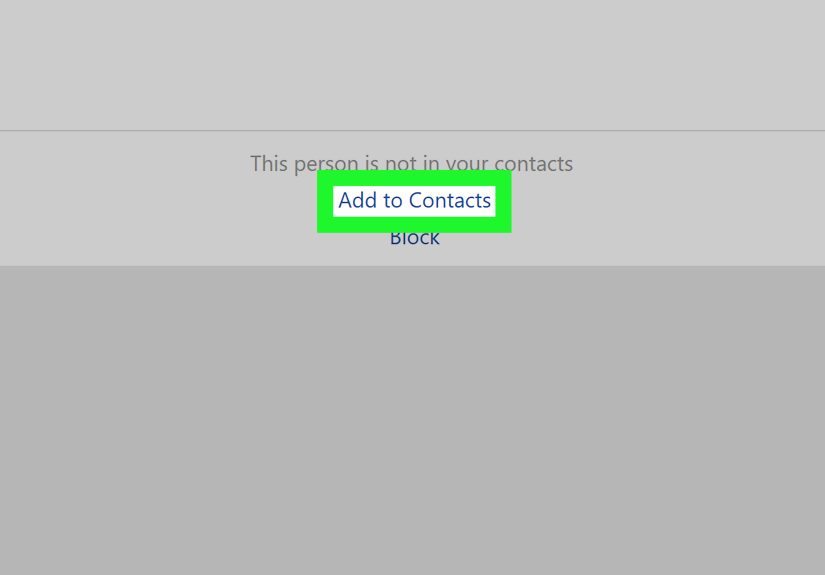
- Way 1: Block an Unknown Contact Directly From the Chat
- Way 2: Block a Saved Buddy From Their Profile Page
- Way 3: Unblock Someone From the Blocked List
- Way 4: Report, Then Block or Unblock More Intentionally
- Common Reasons People Block and Unblock on imo
- Tips to Use the Block Feature Without Regret
- What Blocking on imo Does Not Do
- Conclusion
- Real-World Experiences With Blocking and Unblocking on imo
- SEO Tags
If your imo inbox has gone from “friendly chat app” to “surprise guest star in a low-budget drama,” the good news is that you are not stuck. Whether you want to stop spam, cool off after an argument, or reverse a block after everyone involved has remembered how to act like adults, imo gives you a few straightforward ways to manage contact access.
This guide breaks down four practical ways to block and unblock a buddy on imo.im, including what each method is best for, how to use it, and when blocking should come with a report instead of a second chance. You will also find privacy tips, common mistakes, and real-world user experiences that make the topic a lot more useful than a one-line “tap here, then tap there” tutorial.
In other words, this is the no-fluff version. Well, mostly no fluff. A tiny bit of fluff helps the medicine go down.
Why Blocking and Unblocking on imo Matters
imo is built for messaging and calls, which is great when you actually want to hear from someone. It is much less magical when a random contact starts sending suspicious links, repeated calls, or messages that feel pushy, creepy, or just plain exhausting. That is where the imo block contact and imo unblock contact features become useful.
Blocking is not only about conflict. It is also about boundaries, privacy, and safety. Maybe you need a quiet break from a buddy who calls like your phone owes them money. Maybe you received strange messages from an unknown profile. Maybe you blocked someone during peak annoyance and now want to unblock them after your blood pressure has returned to its natural habitat. All of those are normal use cases.
The key is knowing which path inside the app makes the most sense for your situation. On imo, the steps differ depending on whether the person is an unknown chatter, a saved contact, or someone already sitting in your blocked list like a tiny digital timeout.
Way 1: Block an Unknown Contact Directly From the Chat
Best for surprise messages from people you do not trust
This is the fastest method when an unknown contact reaches out first and you already know the conversation is going nowhere good. Think suspicious requests, weird sales pitches, random flirting from nowhere, or a message that makes your internal alarm bells start doing cardio.
How to do it
- Open the chat sent by the unknown contact.
- Look for the BLOCK option near the top of the conversation.
- Tap it to block the sender.
That is it. No grand ceremony. No confetti. Just peace.
Why this method works well
When the problem starts inside the chat thread, blocking from the conversation is the shortest route. You do not have to dig through profiles or menus. It is the “no thanks, absolutely not, please exit my phone” option.
This approach is especially helpful if the message looks suspicious. If someone sends strange links, asks for money, tries to move the conversation urgently, or requests personal information, do not treat it like a mystery novel you need to finish. Close the loop quickly. Blocking fast reduces repeat contact and keeps you from accidentally engaging with something sketchy.
A smart extra step
If the message seems like spam, fraud, harassment, or a policy violation, blocking alone may not be enough. That is where reporting comes in, which we will cover in Way 4. Sometimes the block button is a boundary. Sometimes it is also evidence that a bigger “nope” is needed.
Way 2: Block a Saved Buddy From Their Profile Page
Best for people already in your contact list
This method is for the buddy you already know, or at least once knew before they started calling at midnight to “just ask one quick thing” that somehow lasts twenty-three minutes. If the person is already in your imo contacts, blocking happens through the profile flow rather than the unknown-chat shortcut.
How to do it
- Tap your friend’s profile picture in chat or contact view.
- Tap the profile picture again to open the full profile page.
- Enter the profile and choose Block.
When this is the better option
Use this method when the issue is tied to a specific saved person rather than a random incoming message. It is cleaner, more intentional, and useful when you want to manage a known relationship inside the app. It also helps when the chat itself is not open but the person is still in your contacts.
For many users, this is the most common path because most blocking on messaging apps is not about complete strangers. It is about someone familiar who crossed a line, ignored your boundaries, or simply became too much. Digital tools exist for those moments too. You are allowed to protect your time even if the other person once shared memes with you in 2019.
What happens after you block a buddy on imo
Once blocked, that contact should no longer be able to message or call you through imo. Practically speaking, the app turns down the volume on that connection. It does not solve every emotional issue in life, sadly, but it does stop your phone from acting like a revolving door.
If you are unsure whether to block, ask yourself one question: does continued access improve the situation, or just extend the headache? That answer is usually pretty honest.
Way 3: Unblock Someone From the Blocked List
Best for restoring contact after a misunderstanding, cooldown, or accidental block
Yes, unblocking is allowed. The app does not hold grudges, even if you still do. If you want to reconnect, correct a mistaken block, or simply reopen communication after some time has passed, the imo blocked list is where you go.
How to unblock a buddy on imo
- Open the Me page.
- Go to Security & Privacy.
- Open Blocked List or Blocked Contacts.
- Find the person you want to restore.
- Tap Unblock.
Once unblocked, that person is removed from the blocked list and can contact you again through imo.
If you cannot find the person
If the name is missing from the blocked list, do not panic and assume the app has entered its rebellious phase. In some cases, the contact may no longer appear there because they were also deleted from your contacts. That means you may need to re-add them manually if you want to reconnect.
Before you unblock, ask these three questions
- Did the original problem actually change?
- Do I want contact back, or do I just feel guilty for having boundaries?
- Will reopening the chat improve things, or restart the same mess with better lighting?
Unblocking is easy. Rebuilding a healthy conversation is the part that takes judgment.
Way 4: Report, Then Block or Unblock More Intentionally
Best for suspicious messages, abuse, scams, or repeat bad behavior
Sometimes the issue is bigger than “I do not want to talk right now.” If a contact is abusive, threatening, manipulative, or sending suspicious links and requests, the best move is not just to block them. It is to report the behavior on imo and then review your privacy settings as well.
How to report a private chat on imo
- Open the private chat where the issue happened.
- Tap the three-dot menu or settings icon in the top-right area.
- Open the chat settings.
- Choose the option related to reporting the violation.
After reporting, block the contact if you no longer want communication. This is the better route for harassment, impersonation, phishing, extortion, or repeated spammy behavior.
Why this method matters
Blocking protects you. Reporting can help protect other people too. If a scammer or abusive user is contacting multiple accounts, reporting gives the platform a chance to review the behavior and take action.
This is also a good time to review your imo privacy settings. Limit what strangers can see, avoid sharing personal information, and keep the app updated. If a message includes suspicious links or unexpected requests, do not click first and investigate later. That is how digital trouble tends to win.
Common Reasons People Block and Unblock on imo
Blocking is rarely random. Most users block a buddy on imo for one of a few predictable reasons:
- Spam and scams: suspicious links, fake urgency, or requests for money or personal details.
- Harassment: repeated messages, verbal abuse, or behavior that feels invasive.
- Boundary control: too many calls, too many messages, or communication at the wrong times.
- Emotional cooldown: blocking after an argument to create space.
- Accidental taps: because every app eventually punishes one fast thumb.
Unblocking usually happens for a different set of reasons: the issue was resolved, the block was temporary, or the user realized they blocked the wrong person and would now like the universe to pretend that never happened.
Tips to Use the Block Feature Without Regret
1. Block first when safety is the issue
If a chat feels threatening or manipulative, do not overthink it. Your first job is your own safety and peace of mind.
2. Report suspicious behavior, not just annoying behavior
Someone being irritating is not the same as someone running a scam. When the behavior crosses into fraud, impersonation, or abuse, reporting is worth the extra taps.
3. Do not click suspicious links before blocking
If the message looks fishy, do not open attachments, verify through strange links, or continue chatting out of curiosity. Curiosity is great for science. It is not always great for scam texts.
4. Unblock with a plan
Unblocking works best when you know why you are doing it. If you expect the same chaos to restart five seconds later, the block may have been the wiser long-term roommate for your settings menu.
What Blocking on imo Does Not Do
Blocking is useful, but it is not magic. It does not rewrite past messages, solve off-app problems, or guarantee that someone will suddenly develop excellent communication habits. It simply controls access inside imo.
If the situation involves fraud, threats, or compromised information, take extra steps beyond the app. Change passwords where needed, review device permissions, watch for suspicious activity, and report serious scams through the appropriate channels. The block button is a strong tool, but it is one tool.
Conclusion
If you need to block and unblock a buddy on Imo.Im, the process is simple once you know which route matches your situation. Block unknown contacts directly from the chat. Block saved buddies from the profile page. Unblock from the blocked list under Me > Security & Privacy. And when the issue smells like spam, harassment, or a scam, report it before you move on.
The real win is not just knowing where the buttons live. It is knowing when to use them. Healthy communication is great. Quiet, protected communication is also great. Sometimes the best conversation on a messaging app is the one that never gets through.
Real-World Experiences With Blocking and Unblocking on imo
One of the most common user experiences with imo is realizing that blocking is less dramatic than expected and far more practical. A lot of people imagine the feature as a last-resort, relationship-ending move. In reality, it is often just a quick digital boundary. Users tend to reach for it after repeated calls during work hours, nonstop “hey?” follow-up messages, or random contacts trying to start conversations that clearly are not welcome. The emotional tone is usually not explosive. It is more like, “I have had enough of my phone acting like a needy doorbell.”
Another frequent experience is the temporary block after an argument. This happens more often than people admit. Someone gets upset, the messages keep coming, and a block creates breathing room. In those cases, the block is not always permanent. After a day or two, or sometimes after both sides have rediscovered basic manners, the user returns to the blocked list and unblocks the person. What matters most in these situations is intent. Users who feel best about unblocking usually do it because there is a real reason to resume contact, not because they feel pressured to erase a boundary too soon.
There is also the accidental-block club, and yes, it is larger than anyone wants to confess. Fast scrolling, tired thumbs, distracted tapping, and suddenly a perfectly normal buddy ends up in the blocked list like they committed a digital felony. The good news is that this is usually easy to fix. The less good news is that you may have to explain why your reply time mysteriously stretched into the next century.
Many users also describe a sense of relief when blocking suspicious accounts. If a message looks like phishing, asks for money, or pushes urgent action, blocking feels like taking back control. That relief gets even stronger when users combine the block with reporting and a quick privacy review. Instead of arguing with the scammer or trying to “figure them out,” they shut the door and move on. That is usually the smarter experience, and definitely the one with fewer headaches.
Unblocking has its own emotional pattern too. Some people unblock because the issue was minor. Others do it after realizing the block solved the immediate problem and they are ready to try again with clearer boundaries. A smaller group unblocks out of curiosity, which is human but not always strategic. The better experiences usually happen when users pause first and ask whether the other person’s behavior is likely to change. When the answer is yes, unblocking can reopen a useful connection. When the answer is no, the blocked list remains the app’s quiet little hall of wisdom.
Overall, the shared experience around blocking and unblocking on imo is not really about technology. It is about control, comfort, and communication on your own terms. The feature works best when users treat it not as a punishment, but as a tool. Some connections need repair. Some need distance. Some need a report button and a one-way trip out of your chat history. Knowing the difference is what turns a simple app setting into a genuinely helpful part of online safety.