Table of Contents >> Show >> Hide
- Why Teaching Someone to Drive Requires a Plan
- 1. Prepare Before the First Driving Lesson
- 2. Start in a Low-Risk Practice Area
- 3. Build Real-Road Skills in Stages
- 4. Coach Defensive Driving and Independent Judgment
- Common Mistakes to Avoid When Teaching Driving
- A Sample Driving Lesson Plan
- Experience-Based Tips for Teaching Somebody How to Drive
- Conclusion
- SEO Tags
Teaching somebody how to drive is part coaching, part safety training, and part trying not to gasp dramatically every time they brake a little late. Whether you are helping a teenager, a nervous adult beginner, or a friend who has finally decided that rideshares are not a long-term retirement plan, the goal is the same: build a safe, calm, confident driver one skill at a time.
Driving is not just “turn the wheel and hope for the best.” A good driving teacher helps the learner understand traffic laws, vehicle control, hazard awareness, defensive driving, parking, lane changes, speed management, and the judgment needed to make safe choices when real roads get messy. The best approach is structured, patient, and gradual. In other words, do not begin lesson one on a six-lane highway during rush hour unless your hobby is mutual panic.
This guide breaks the process into four practical ways to teach someone to drive, from preparing legally and emotionally to practicing real-world driving skills. It also includes experience-based tips at the end to help make each lesson smoother, safer, and less likely to become a family legend told at Thanksgiving.
Why Teaching Someone to Drive Requires a Plan
Many people assume that if they can drive, they can automatically teach driving. That is like assuming that because you can eat a sandwich, you can open a deli. Driving and teaching driving are related, but they are not the same skill.
A new driver has to process many things at once: steering, mirrors, pedals, road signs, lane position, other drivers, pedestrians, cyclists, speed limits, weather, and the instructor in the passenger seat making mysterious hand gestures. Without a clear plan, lessons can become random and stressful. With a plan, the learner progresses from simple vehicle control to complex decision-making.
A strong teaching plan should include legal preparation, a safe practice environment, step-by-step skill development, and honest feedback. It should also respect the learner’s emotional state. Confidence matters, but overconfidence is dangerous. The sweet spot is calm competence: the driver understands what to do, why it matters, and how to correct mistakes without freezing.
1. Prepare Before the First Driving Lesson
Check the Legal Requirements First
Before anyone starts the engine, confirm the learner has the proper permit or license status for your state. In the United States, requirements vary widely. Some states require a learner’s permit, a minimum number of supervised driving hours, night-driving practice, driver education, or restrictions on who may supervise. For teens, graduated driver licensing rules often include limits on nighttime driving, passengers, and phone use.
Do not guess. Check your state DMV, DOT, or licensing agency website. A learner may need to carry their permit every time they drive, and the supervising adult may need to meet age, licensing, or seating requirements. Being legal is not the exciting part of teaching somebody how to drive, but it is much better than explaining to an officer that “we were just practicing parallel parking near a taco truck.”
Choose the Right Teacher
The best driving teacher is patient, observant, calm, and able to explain instructions clearly. If you tend to yell “brake!” at birds landing near the sidewalk, you may not be the ideal first instructor. A new driver needs someone who can correct mistakes without creating panic.
A good supervisor should model safe driving habits before the learner ever sits behind the wheel. That means buckling up, obeying speed limits, signaling properly, avoiding phone use, checking mirrors, and staying courteous. Learners copy what they see. If your usual driving style includes eating fries, answering texts, and treating yellow lights like personal challenges, clean that up before becoming someone’s driving coach.
Inspect the Car
Use a safe, well-maintained vehicle for practice. Check the tires, brake lights, headlights, mirrors, turn signals, windshield wipers, fuel level, horn, and seatbelts. Remove loose objects that could roll under the pedals. Adjust the seat, steering wheel, mirrors, and head restraint before starting.
For first lessons, choose a car that is easy to handle. A giant truck, high-performance sports car, or manual transmission may not be the friendliest starting point. Beginners already have enough to think about without learning clutch control on a hill while you quietly reconsider your life choices.
Set Lesson Rules
Before driving, agree on basic rules. Phones stay away. Everyone wears a seatbelt. The instructor gives directions early, not at the last second. The learner can pull over whenever they feel overwhelmed. The teacher will not grab the steering wheel unless there is an immediate safety risk.
Also create a simple communication system. For example, say “ease off the gas” instead of shouting “slow down!” Say “start braking gently” before an upcoming stop. Clear, calm instructions help the learner react smoothly.
2. Start in a Low-Risk Practice Area
Begin With the Basics
The first lesson should happen in an empty parking lot, quiet school lot on a weekend, or another open area with no traffic. The goal is not to cover miles. The goal is to make the car feel less mysterious.
Start by reviewing the controls: accelerator, brake, gear selector, parking brake, turn signals, windshield wipers, headlights, hazard lights, mirrors, defroster, and dashboard warning lights. Then explain how the car responds. The accelerator does not need to be stomped. The brake does not need to be attacked. Steering works best with smooth, steady movements.
Practice Smooth Starts and Stops
New drivers often struggle with pedal pressure. They may accelerate like they are launching a rocket or brake like the car owes them money. Have them practice moving forward slowly, stopping gently, and starting again. Repeat until the motion feels controlled.
Use simple drills: drive straight, stop at a cone or painted line, turn left, turn right, circle around, back up slowly, and park between lines. Keep speeds very low. Praise progress, then correct one thing at a time. Too much feedback at once becomes noise.
Teach Steering and Space Awareness
Many beginners do not yet understand where the car sits in the lane or how much space surrounds it. Practice lane positioning using parking lines. Have the learner drive slowly between rows, turn into spaces, and stop with the front bumper behind a line. Teach them to look where they want to go, not directly at the obstacle they fear hitting.
Introduce mirror checks early. A learner should understand that safe driving depends on awareness in front, behind, and to both sides. Mirrors are not decorations. They are tiny windows into future problems.
Keep Early Lessons Short
Beginners tire quickly because driving demands constant attention. A 30-minute focused lesson is often more useful than a two-hour marathon that ends with both people needing snacks and emotional support. Stop while things are still going well. Ending on a small success builds confidence for the next lesson.
3. Build Real-Road Skills in Stages
Move From Quiet Streets to Busier Roads
Once the learner can control the car smoothly in a parking lot, move to quiet residential streets in daylight and good weather. Start with low speeds, light traffic, and familiar routes. Practice stopping at stop signs, yielding, scanning intersections, staying centered in the lane, and making right and left turns.
Gradually increase complexity. Add roads with more traffic, multi-lane streets, traffic lights, school zones, bike lanes, roundabouts, and eventually highways. Do not rush this progression. A learner should master one level before moving to the next.
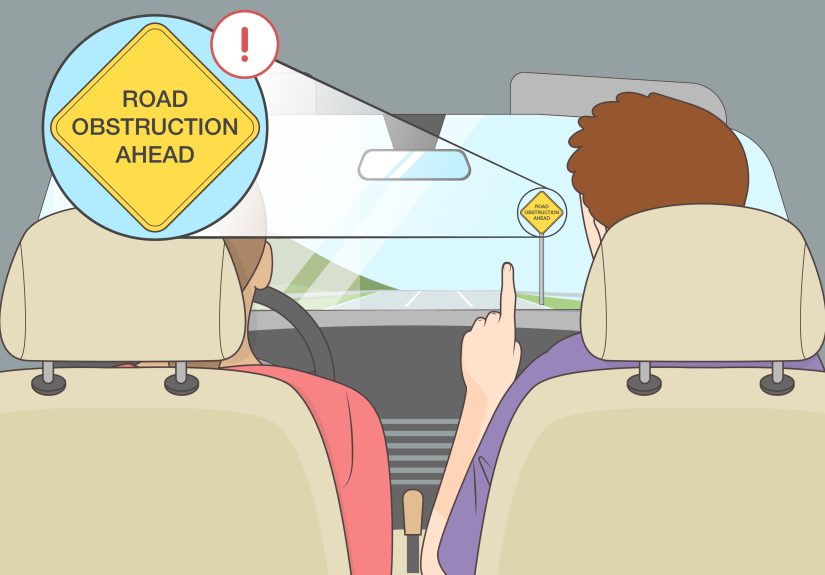
Teach Scanning and Hazard Prediction
Good drivers do not just react; they predict. Teach the learner to scan far ahead, check mirrors regularly, and look for possible hazards. A ball rolling into the street may mean a child follows. A parked car with brake lights may pull out. A driver drifting in their lane may be distracted. A pedestrian near a crosswalk may step off the curb.
A helpful technique is commentary driving. Ask the learner to say what they notice: “The light is stale green,” “That car may merge,” “There is a cyclist on the right,” or “The car ahead is braking.” This builds awareness and shows you what they are thinking.
Practice Turning, Lane Changes, and Merging
Turns are more than steering. The learner must slow early, signal, check mirrors, look through the turn, yield correctly, and accelerate smoothly afterward. Lane changes require even more timing: mirror, signal, blind spot, adjust speed, move smoothly, and cancel the signal.
Merging is one of the most stressful skills for new drivers. Practice first on low-speed roads where lanes join gently, then progress to highway ramps when the learner is ready. Teach them to match traffic speed, find a gap, signal early, and commit smoothly. Hesitation can be just as risky as aggression.
Include Parking Skills
Parking is where many new drivers discover that cars are larger than they appear from the driver’s seat. Practice angle parking, perpendicular parking, backing out, three-point turns, curbside parking, and parallel parking. Use cones or soft markers before trying tight spaces near actual cars.
For parallel parking, break the process into steps: pull alongside the front car, reverse slowly, turn the wheel, straighten, adjust, and finish within a safe distance from the curb. Remind the learner that parking is not a magic trick. It is geometry with a steering wheel.
Drive in Different Conditions
After the learner is comfortable in basic traffic, practice at different times and in different conditions. Include dusk, nighttime, rain, heavier traffic, unfamiliar neighborhoods, gas stations, parking garages, and routes with pedestrians and cyclists. Bad weather and darkness should not be the first challenge, but they must eventually be part of supervised driving practice.
Teach the learner to increase following distance, reduce speed, use headlights properly, avoid sudden braking on wet roads, and stay extra alert at intersections. Real driving is not always sunny, dry, and polite. Sometimes it is raining, someone is tailgating, and a delivery van is blocking half the lane. Preparation matters.
4. Coach Defensive Driving and Independent Judgment
Teach the “Space Cushion” Mindset
Defensive driving begins with space. A safe driver keeps enough room to see, react, and escape. Teach the learner to maintain a safe following distance, avoid lingering in blind spots, leave room beside parked cars, and avoid boxing themselves between vehicles.
Use the three-second rule as a basic following-distance guide in normal conditions, then increase it in rain, darkness, heavy traffic, or when following large vehicles. Explain that tailgating saves almost no time and creates plenty of danger. It is the driving equivalent of standing one inch behind someone in a grocery line: annoying, risky, and not actually faster.
Discuss Distractions Honestly
Distracted driving is one of the biggest threats to new drivers. Make phone rules clear: no texting, scrolling, video calls, or social media while driving. If navigation is needed, set it before moving. If a message is urgent, pull over safely.
Also explain that passengers, music, food, emotions, and fatigue can be distractions too. A new driver with three loud friends in the car may struggle to focus, especially at night. Safe driving is not just about knowing how to operate the vehicle; it is about managing the environment inside the vehicle.
Use Feedback That Actually Works
After each lesson, review what went well and what needs practice. Be specific. Instead of saying, “You need to drive better,” say, “Your turns were smoother today, but we need to work on checking blind spots before lane changes.” Specific feedback gives the learner a target.
Correct mistakes calmly during the drive, but save longer explanations for when the car is parked. A moving vehicle is not the best classroom for a lecture on risk management. The learner needs short, useful instructions in the moment and deeper discussion afterward.
Know When to Use a Professional Instructor
Some learners benefit from professional driving lessons, even if a family member or friend is helping with practice. A certified driving instructor can teach road-test standards, correct bad habits early, and provide a neutral voice when emotions run high. This is especially helpful for anxious learners, adult beginners, or teens who argue with parents but behave like perfect citizens around strangers with clipboards.
Combining professional instruction with supervised driving practice is often the strongest approach. The instructor introduces skills, and the supervising adult helps the learner repeat them until they become habits.
Common Mistakes to Avoid When Teaching Driving
Starting Too Fast
Do not begin with complex roads, bad weather, or high-speed traffic. Confidence should grow through success, not survival. If the learner is tense, go back to easier routes and rebuild control.
Giving Last-Second Directions
“Turn here!” is not helpful when “here” is already beside the car. Give directions early: “At the next light, we’ll turn right.” New drivers need time to plan, signal, slow down, and position the vehicle.
Talking Too Much
Driving requires concentration. Constant commentary from the passenger seat can overwhelm the learner. Keep instructions short during the drive. Save coaching, jokes, and philosophical reflections on four-way stops for after the engine is off.
Ignoring Emotions
Nervousness is normal. So is frustration. If either person becomes upset, pull over safely or end the lesson. A calm 20-minute drive teaches more than an angry hour of white-knuckle practice.
A Sample Driving Lesson Plan
Here is a simple structure you can adapt for a new driver:
- Lesson 1: Vehicle controls, seat and mirror setup, smooth starts, stops, and steering in an empty parking lot.
- Lesson 2: Parking lot turns, backing up, parking between lines, and basic mirror checks.
- Lesson 3: Quiet residential roads, stop signs, right turns, left turns, and lane position.
- Lesson 4: Traffic lights, school zones, pedestrians, cyclists, and speed control.
- Lesson 5: Lane changes, busier roads, defensive scanning, and following distance.
- Lesson 6: Parking, three-point turns, curbside stops, and backing maneuvers.
- Lesson 7: Rain, dusk, nighttime, or other lower-visibility conditions.
- Lesson 8: Highway merging, exits, longer trips, and independent route planning.
The exact timeline depends on the learner. Some people need extra parking practice. Others need more time with lane changes or speed control. The goal is not to “finish the list” quickly. The goal is to create a driver who can make safe decisions without needing constant reminders.
Experience-Based Tips for Teaching Somebody How to Drive
One of the biggest lessons from teaching new drivers is that patience is not optional equipment. You need it the way the car needs brakes. A beginner may forget to signal, stop too far from the curb, drift slightly in the lane, or ask the same question several times. That does not mean they are careless. It means their brain is still building the mental map that experienced drivers use automatically.
A helpful experience is to begin every lesson with one clear goal. For example, “Today we are practicing smooth braking,” or “Today we are working on left turns at traffic lights.” When the lesson has a focus, both teacher and learner know what success looks like. Without a focus, the drive can turn into a rolling critique of everything, which is exhausting and not very effective.
Another useful habit is to let the learner self-evaluate after the drive. Ask, “What felt better today?” and “What still feels uncomfortable?” This turns the learner into an active participant instead of someone simply receiving corrections. Many new drivers can identify their weak spots accurately. They may say, “I still get nervous changing lanes,” or “I’m braking too late.” That gives you the perfect starting point for the next lesson.
It also helps to practice the same route more than once. Repetition lowers anxiety. The first time on a route, the learner may focus mostly on survival: Where do I turn? What is the speed limit? Why is that squirrel so confident? The second or third time, they can pay more attention to technique, mirror checks, lane position, and timing. Familiar roads build confidence before unfamiliar roads test it.
One experience many teachers share is that silence can be powerful. New instructors often talk too much because they want to be helpful. But once the learner understands the task, quiet gives them room to think. Instead of narrating every second, watch carefully and step in only when needed. If the learner makes a minor mistake safely, discuss it after they complete the maneuver.
For nervous drivers, small wins matter. A clean stop at a stop sign, a smooth right turn, or a well-parked car may seem basic to an experienced driver, but for a beginner it can feel like winning an Olympic medal in not hitting things. Celebrate progress without exaggerating. Confidence grows when praise is specific and believable.
For overconfident learners, the challenge is different. They may want to drive faster, skip basics, or move to highways before they are ready. In that case, keep the structure firm. Explain that skill is not proven by speed; it is proven by consistency, awareness, and good judgment. A safe driver can handle boring situations well. Boring is underrated. Boring gets everyone home.
Finally, remember that teaching somebody how to drive is also teaching responsibility. The learner is not just preparing for a road test. They are learning how to share public space with families, workers, cyclists, pedestrians, emergency vehicles, and other drivers who may make mistakes. The best driving lessons build skill, but they also build respect. When the learner understands that every decision behind the wheel affects real people, they are much closer to becoming the kind of driver everyone wants on the road.
Conclusion
Teaching somebody how to drive works best when you slow the process down, plan each lesson, and build from simple skills to real-world judgment. Start with the legal requirements and a safe vehicle. Practice basic control in low-risk areas. Move gradually into traffic, parking, lane changes, night driving, and highway situations. Along the way, coach defensive driving habits, limit distractions, and give calm, specific feedback.
The learner does not need a perfect instructor. They need a prepared, patient one. If you can stay calm, explain clearly, and treat mistakes as part of learning, you can help someone become not just a licensed driver, but a safer, more thoughtful driver. And yes, someday they may even park straight on the first try. Miracles happen.