Table of Contents >> Show >> Hide
- Why These Meat-Free Iron Foods Deserve a Spot on Your Plate
- 1. Fortified Breakfast Cereal
- 2. Lentils
- 3. White Beans
- 4. Cooked Spinach
- 5. Soy Foods
- How to Absorb More Iron From Meat-Free Meals
- Who Should Pay Extra Attention to Iron?
- The Bottom Line
- Real-Life Experiences With Meat-Free Iron Foods
- SEO Tags
Steak has a pretty solid reputation as an iron heavyweight. And to be fair, it is a good source. But here’s the plot twist: several meat-free foods can deliver even more iron per standard serving than a typical steak. That does not mean your salad is secretly cosplaying as a ribeye, but it does mean meat is not the only ticket to an iron-rich diet.
If you eat less meat, follow a vegetarian diet, or just want to stop acting like dinner has to revolve around one expensive cut of beef, this is good news. Iron matters because your body uses it to make hemoglobin, the protein in red blood cells that helps carry oxygen. When iron intake runs low for too long, energy can dip, workouts can feel harder, and even climbing the stairs can start to feel wildly disrespectful.
In this article, we’re comparing common meat-free foods with a steak benchmark of about 2.2 milligrams of iron in a 3-ounce serving. Using that standard, these five foods come out ahead. The catch, and there is always a catch, is that plant-based iron is non-heme iron, which is not absorbed as easily as the heme iron in meat. Still, nutrition experts agree that smart food choices, variety, and a little vitamin C can go a long way.
Why These Meat-Free Iron Foods Deserve a Spot on Your Plate
Before we hand out medals to beans and leafy greens, it helps to understand the rules of the game. Iron content and iron absorption are not the same thing. A food may contain more iron than steak on paper, but your body may absorb less of it. That does not make plant foods bad iron sources. It just means strategy matters.
Nutritionists usually recommend focusing on three things: choosing iron-rich foods regularly, pairing them with vitamin C-rich foods, and avoiding the habit of relying on one “superfood” to do all the work. In other words, you do not need one magical bowl of spinach to save the day. You need a pattern.
And yes, that pattern can be delicious. It can also be cheaper than steak, easier to meal prep, and friendlier to your grocery budget. Your wallet may not write a thank-you note, but it should.
1. Fortified Breakfast Cereal
Why it beats steak
Fortified breakfast cereal is the overachiever of this list. Depending on the product, a standard serving can provide far more iron than steak. Some fortified ready-to-eat cereals deliver around 8 to 16 milligrams of iron per serving, which absolutely leaves a 3-ounce steak in the dust.
Why nutritionists like it
This is one of the easiest ways to raise iron intake without overthinking every meal. It is convenient, portion-friendly, and especially useful for people who do not always have the time or energy to cook legumes from scratch. It can also help people who have higher iron needs, such as menstruating adults, teens, and pregnant women, make meaningful progress at breakfast instead of trying to cram all their nutrition goals into dinner.
The smartest move is choosing a cereal that brings more than just added iron to the table. Look for options with whole grains, fiber, and moderate added sugar. The nutrition label is your friend here. A cereal can be iron-rich without tasting like cardboard cosplay, so do not settle for sadness in a bowl.
Easy ways to eat it
Pair fortified cereal with strawberries, kiwi, or orange slices to help improve non-heme iron absorption. Even a small vitamin C sidekick can make a difference. You can also stir fortified hot cereal with berries, chopped dried fruit, or a spoonful of pumpkin seeds for extra texture and even more iron.
2. Lentils
Why they beat steak
A 1/2-cup serving of cooked lentils contains about 3.3 milligrams of iron, which already beats the steak benchmark. Eat a full cup, and you are looking at roughly double that amount. Not bad for a food that also happens to be budget-friendly, shelf-stable, and weirdly good at making soup feel like a life plan.
Why nutritionists like them
Lentils offer more than iron. They also provide fiber, plant protein, and slow-digesting carbohydrates, which makes them especially satisfying. That combination is useful for steady energy and fullness. Unlike some trendy “wellness” foods that cost as much as a utility bill, lentils remain gloriously practical.
They are also versatile. Brown lentils hold their shape well for salads and grain bowls. Red lentils break down into creamy soups and dals. Green lentils work beautifully in warm side dishes, veggie burgers, and meal-prep lunches that do not make you question your life choices by day three.
How to get more iron from lentils
Serve lentils with tomatoes, lemon juice, bell peppers, or a citrusy vinaigrette. That vitamin C pairing helps your body make better use of the iron. A lentil soup with tomatoes, a lentil taco filling with salsa, or a lentil salad with chopped peppers all make more sense nutritionally than eating lentils in a vacuum and hoping for the best.
3. White Beans
Why they beat steak
White beans also bring about 3.3 milligrams of iron per 1/2 cup, putting them ahead of steak in the standard comparison. Cannellini beans, navy beans, and other white bean varieties are quiet achievers in the plant-based world. They do not get the same social media hype as avocado toast, but frankly, they are doing more actual work.
Why nutritionists like them
White beans are rich in iron, fiber, and plant protein, and they are easy to use in both cozy and fresh meals. Their mild flavor makes them one of the easiest legumes for skeptical eaters to accept. If black beans are the extrovert of the bean family, white beans are the calm, capable friend who always remembers to bring snacks.
They can also make meals feel substantial without meat. Add them to soups, stews, pasta dishes, skillet meals, mashed bean spreads, or a simple sauté with garlic and olive oil. They blend well into creamy dips too, which is nice when you want something iron-rich that does not scream “health food” from across the room.
Best pairings
White beans work especially well with tomatoes, lemon, parsley, and peppers. A white bean salad with tomatoes and lemon dressing is one of those meals that sounds humble but performs like a champion. Add roasted broccoli or a citrusy slaw on the side and you have built a much stronger iron meal than the ingredients might suggest at first glance.
4. Cooked Spinach
Why it beats steak
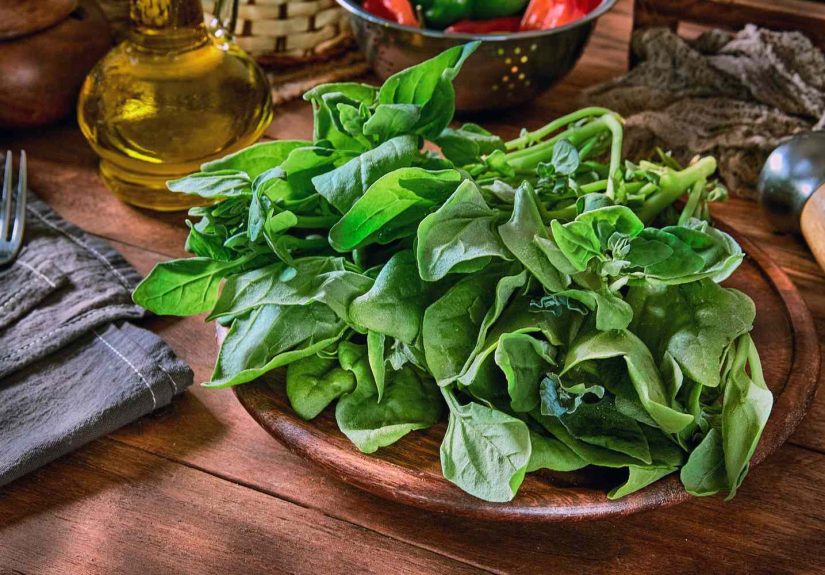
Cooked spinach provides about 6.4 milligrams of iron per cup, which is nearly triple the steak benchmark. This is the moment where Popeye would like everyone to remain calm.
Why nutritionists still give a small caveat
Spinach contains non-heme iron, and it also contains compounds called oxalates that can reduce mineral absorption. So yes, spinach contains a lot of iron on paper, but no, you should not treat one spinach salad as a magical anti-fatigue device. Nutrition experts usually recommend thinking of spinach as one excellent part of a larger iron strategy rather than the only player on the field.
That said, spinach still deserves a place here. It is nutrient-dense, easy to cook, and simple to add to meals you already make. Cooked spinach is especially helpful because the volume shrinks, making it easier to eat a meaningful amount. A giant raw spinach salad looks ambitious. A cup of cooked spinach is the adult version of actually getting something done.
How to use it well
Add cooked spinach to omelets, soups, pasta, grain bowls, curries, or bean dishes. Pair it with tomato sauce, roasted red peppers, citrus, or fruit on the side. If you are trying to rely less on meat, spinach works best when it teams up with another iron food instead of trying to carry the whole meal by itself.
5. Soy Foods
Why they beat steak
Cooked soybeans provide about 4.4 milligrams of iron per 1/2 cup, which places them well above steak in this comparison. Soy foods also deserve extra credit because they can show up in several convenient forms, including edamame, tempeh, and tofu. Tofu’s iron content can vary by brand and preparation, but it is widely recognized as a meaningful plant-based iron source.
Why nutritionists like them
Soy foods are useful because they bring both protein and iron to the plate. That makes them one of the most practical meat alternatives for people who want meals that are satisfying, not just virtuous. Tofu, for example, can soak up flavor like a culinary sponge with better boundaries. Tempeh is hearty and nutty. Edamame is snackable enough to make good decisions feel suspiciously easy.
Heart-health experts also tend to like soy foods because they can help replace some saturated-fat-heavy animal proteins in the diet. So if you are looking for an iron-rich meat-free food that can also function as the main event at dinner, soy is a strong choice.
Best ways to eat them
Pair soy foods with broccoli, Brussels sprouts, bell peppers, cabbage slaw, orange segments, or a sesame-citrus sauce. A tofu stir-fry with peppers and broccoli, or a grain bowl with edamame and shredded red cabbage, gives you a practical mix of iron, protein, and vitamin C-rich produce.
How to Absorb More Iron From Meat-Free Meals
Pair iron with vitamin C
This is the big one. Vitamin C helps improve absorption of non-heme iron, which is exactly the type found in most plant foods. Practical pairings include beans with salsa, lentils with tomatoes, spinach with strawberries or citrus, tofu with broccoli, and fortified cereal with berries or orange slices.
Spread iron-rich foods throughout the day
You do not have to win all your iron points at dinner. Breakfast cereal, bean-based lunches, leafy greens at dinner, and an edamame snack can work together. Small, steady wins are usually more realistic than one heroic meal that requires three cutting boards and a personality transformation.
Watch the timing of coffee, tea, and calcium-rich foods
If iron is a concern, it can help to avoid drinking tea or coffee right with high-iron meals, since they may reduce absorption. Large amounts of calcium at the same time may also compete with iron. That does not mean these foods and drinks are forbidden. It just means timing matters when you are trying to be strategic.
Use cooking methods that support variety
Soaking beans, using sprouted grains or legumes, and cooking regularly with a range of plant foods can help make a meat-free eating pattern more effective and sustainable. And while cooking in cast iron is not a miracle, it can contribute a little extra iron in some cases. Think of it as a bonus, not a business plan.
Who Should Pay Extra Attention to Iron?
Some groups need to be more intentional about iron intake than others. That includes menstruating adults, pregnant women, teens, endurance athletes, frequent blood donors, and people following vegetarian or vegan eating patterns. If you have symptoms such as persistent fatigue, weakness, shortness of breath, headaches, pale skin, or unusual cravings for nonfood items, it is worth talking with a healthcare professional rather than trying to diagnose yourself with a bag of spinach.
It is also important not to start high-dose iron supplements casually. Iron is one of those nutrients where more is not automatically better. Food first is often a smart place to begin, but supplements should be guided by a clinician when deficiency is suspected.
The Bottom Line
Steak may be famous for iron, but it is hardly the only food in the conversation. Fortified breakfast cereal, lentils, white beans, cooked spinach, and soy foods can all contain more iron per standard serving than a typical 3-ounce steak. That is excellent news for vegetarians, flexitarians, budget-conscious shoppers, and anyone who would like dinner to involve less red meat and more variety.
The smartest takeaway is not that one plant food is “better” than steak in every way. It is that meat-free eating can absolutely support iron intake when done thoughtfully. Build meals around a few reliable iron-rich foods, pair them with vitamin C, and keep the routine realistic. Nutrition is rarely about one perfect ingredient. It is about habits that add up before your next grocery receipt makes eye contact with you.
Real-Life Experiences With Meat-Free Iron Foods
One of the most common experiences people describe when they start focusing on meat-free iron foods is pure surprise. They often assume iron begins and ends with red meat, so discovering that lentils, fortified cereal, beans, spinach, and soy foods can outscore steak on iron content feels a little like finding out the quiet kid in class can also bench-press a car. Suddenly, breakfast matters more. Lunch gets more interesting. Dinner stops depending on one expensive centerpiece.
Another real-life experience is learning that convenience wins. In theory, people say they will cook elaborate iron-rich meals every night. In practice, the foods that stick are the ones that are easy: a bowl of fortified cereal with berries before work, lentil soup reheated for lunch, white beans stirred into pasta, frozen spinach tossed into a skillet, or edamame eaten straight from a bowl while dinner comes together. These habits are not glamorous, but they are repeatable, and repeatable is where nutrition usually starts paying rent.
People also notice that plant-based iron works best when they stop treating foods as solo acts. A bowl of beans becomes a better iron meal with salsa or tomatoes. Spinach becomes more useful with citrus or peppers. Tofu gets a real upgrade when paired with broccoli and a tangy sauce. This is the moment many people realize that “healthy eating” is not about restriction nearly as much as smart combinations. It is less about removing joy and more about assembling meals that actually pull their weight.
There can be a short adjustment period too. If someone is not used to eating more legumes, fiber intake may jump quickly, and their digestive system may file a formal complaint. Usually, the fix is simple: increase gradually, drink enough water, and vary the food choices instead of eating a mountain of beans on day one and calling it a wellness journey. Once people find their rhythm, these foods often become normal, satisfying staples rather than “special diet” items.
Some people also describe a mental shift. Meat-free iron foods feel more approachable once they realize they do not need to become a different person to eat them. They do not need hand-carved tofu wisdom or a pantry organized like a cooking show set. They just need a few dependable swaps and combinations. Cereal instead of skipping breakfast. Lentils instead of another sad desk lunch. Beans in soup. Spinach in pasta. Tofu in a stir-fry. Small changes end up being the most believable changes.
And perhaps the most important real-life experience is this: people feel more confident when they stop thinking in extremes. You do not have to eat steak every day to get iron. You also do not have to live on raw greens and optimism. A realistic middle ground exists, and it looks like meals built from useful, affordable foods that happen to be doing a lot nutritionally. That kind of approach is less dramatic, but it is far easier to live with, and that is usually what turns good advice into a lasting habit.