Table of Contents >> Show >> Hide
- 1. Snacks Are Tiny Machines Disguised as Fun
- 2. Texture Is Not a Bonus Feature. It Is the Product
- 3. Shelf Stability Is Basically an Ingredient
- 4. Nostalgia Opens the Bag, but Novelty Gets the Rebuy
- 5. A Great Snack Needs a Story You Can Taste in One Bite
- Conclusion: The Snack Aisle Is Smarter Than It Looks
- More Experience From the World of Snack Innovation
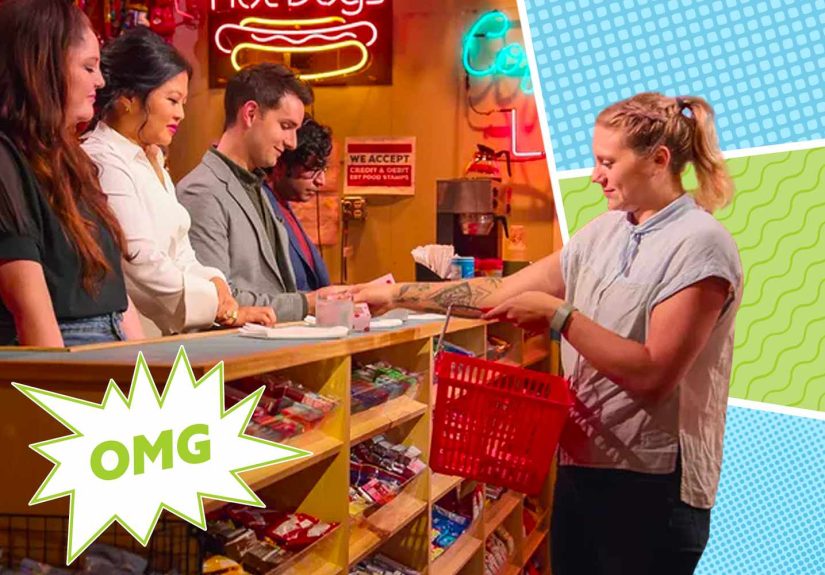
At first glance, the snack aisle looks like a place built on impulse. Bright bags. loud flavors. convenient bites. A little crunch here, a little cheese powder there, and suddenly you are standing in a checkout line wondering why a family-size bag somehow became a personal challenge. But after watching Snack vs. Chef turn everyday packaged foods into a full-blown culinary obstacle course, it becomes obvious that snacks are not accidental. They are engineered, emotional, and a lot more sophisticated than they look.
That is what makes the premise of Netflix’s competition so clever. Chefs are asked to recreate iconic snack foods under pressure, then invent something original enough to feel like it belongs on a real store shelf. That sounds playful because it is playful. It also sounds slightly deranged because, frankly, it is. Re-creating a snack means thinking like a chef, a food scientist, a product developer, a packaging strategist, and occasionally a magician with a stopwatch.
And that is exactly why the biggest lesson from the show is not just that snacks can be delicious. It is that snacks are one of the purest examples of how flavor, texture, nostalgia, chemistry, and branding all collide in one crunchy little bite. Here are five smart, practical, and occasionally humbling things the show teaches about how the modern snack world really works.
1. Snacks Are Tiny Machines Disguised as Fun
One of the first big revelations is that a great snack is rarely “simple.” It may look simple. A cheese puff looks like a goofy orange doodle. A potato chip looks like a fried slice of confidence. A sandwich cookie looks like two wafers and a filling having a good day. But behind that simplicity is a whole lot of industrial precision.
That matters because snack foods are designed for repeatability. Every bite has to feel familiar. Consumers do not open a bag of chips hoping for a fun surprise like, “This one tastes like regret and paprika.” They want the exact flavor, structure, and crunch they remember. That means manufacturers rely on specialized equipment, calibrated processes, moisture control, and incredibly consistent seasoning systems. The home kitchen is many wonderful things, but it is not usually a full-scale research-and-development lab wearing a hairnet.
In practical terms, that means a snack is built like a product before it ever feels like a treat. Shape matters. Thickness matters. Surface area matters. How fast something shatters matters. Even the way seasoning clings to a puff or lands on your fingers matters. Which is why reproducing a beloved packaged snack by hand is so hard. It is not just cooking. It is controlled manufacturing with a snack-sized smile.
There is something oddly comforting about that realization. When your homemade version does not taste exactly like the original, it does not mean you failed. It means you were up against equipment and processes designed to turn consistency into an art form. Suddenly the humble chip starts looking less like junk food and more like edible engineering with great branding.
2. Texture Is Not a Bonus Feature. It Is the Product
If flavor gets all the glory, texture does the real heavy lifting. The fastest way to ruin a snack is not necessarily with a bland seasoning blend. It is with the wrong bite. Too soft and it feels stale. Too hard and it feels like revenge. Too gummy, too dusty, too greasy, too soggy, too chewy in the wrong way, and the snack is basically dead on arrival.
That is why the smartest snack makers obsess over texture with almost suspicious intensity. Crisp, crunchy, airy, brittle, shattering, puffed, crackly, melty, chewy, creamy, snappy, and crumbly are not just adjectives for food writers trying to earn their keep. They are the language of consumer satisfaction. Texture creates anticipation, drama, and payoff. It is the reason a snack can feel exciting before the flavor even lands.
Crunch, especially, has become the rock star of the snack world. Consumers love it because it signals freshness, intensity, and pleasure all at once. It is not just taste. It is sound, structure, and a little bit of theater. That loud bite is part of the product experience. If your snack is silent, it had better be amazing for other reasons. Otherwise, the crunchier competitor is stealing the spotlight and probably your lunch break too.
But the real magic is contrast. The most craveable snacks often balance more than one texture in the same bite or across the same eating experience. Crispy with creamy. Brittle with airy. Crunchy with a little chew. Sweet with salt. Heat with richness. This contrast keeps the palate engaged. It prevents boredom. It turns one bite into a second, then a third, then into the ancient human ritual known as “I’ll stop after this handful,” which has never once been true.
Why texture wins the rematch
Anyone can describe a snack as tasty. Much fewer can explain why one version keeps calling you back while another feels forgettable. Usually, the answer lives in texture. Flavor gets attention, but texture gets loyalty. If the bite is right, the snack feels alive.
3. Shelf Stability Is Basically an Ingredient
The next lesson is less glamorous but wildly important: a good snack does not just have to taste great today. It has to taste great later. Sometimes much later. That means shelf stability is not some boring back-of-the-package technicality. It is part of the product itself.
This is where the conversation gets interesting, because people often treat stabilizers, preservatives, packaging technologies, and food-science ingredients like villains in a low-budget grocery thriller. In reality, shelf-stable snacks have a job to do. They need to stay safe, resist sogginess, avoid rancid flavors, preserve texture, survive distribution, tolerate temperature swings, and still taste like themselves when someone finally opens the bag weeks or months later.
That balancing act is harder than it sounds. Developers are constantly negotiating taste versus stability, familiarity versus function, and clean-label expectations versus food safety. Take away certain ingredients or technologies and you may improve the label for some shoppers, but you might also compromise freshness, consistency, or shelf life. In other words, the dream snack is not built on flavor alone. It is built on trade-offs that consumers rarely see.
Packaging plays a huge role too. Snack bags are not just colorful wrappers designed to make you emotionally vulnerable near aisle seven. They are protective systems. Oxygen control, moisture barriers, and even the amount of air in a bag help preserve product quality. That puffed-up package is not always a rip-off. Sometimes it is the snack’s personal bodyguard.
This is one of the most useful takeaways for anyone interested in food product development. The question is not just, “Can I make this taste good?” It is, “Can I make this taste good after sitting on a shelf, traveling through warehouses, and being tossed into a pantry next to a mystery granola bar from last winter?” That is a much more demanding challenge, and it explains why snack innovation is as much science as creativity.
4. Nostalgia Opens the Bag, but Novelty Gets the Rebuy
One reason Snack vs. Chef works so well is that it starts with snacks people already know. That matters because iconic snacks are not just food. They are memory devices. They remind people of lunchboxes, movie nights, vending machines, gas stations, road trips, sleepovers, and very specific moments when responsibilities were low and sodium tolerance was high.
Nostalgia is an insanely powerful force in the snack market. Familiar formats make shoppers feel safe. A flavor profile tied to childhood or comfort can do a lot of emotional heavy lifting. It is why classic cookies, spicy chips, gummy-filled treats, and cheese-coated things continue to dominate the category. People do not just buy them for hunger. They buy them for recognition.
But nostalgia alone is not enough anymore. Consumers also want discovery. They want something recognizable with a twist, or something adventurous that still feels approachable. That is why global flavors, mashups, texture callouts, and visually bold products keep winning attention. A smart modern snack often says, “You know this feeling,” while also whispering, “But you’ve never had it quite like this.”
That tension between comfort and curiosity is where the fun happens. It is also where a lot of successful snack innovation lives. A product can nod to a potato chip profile while introducing noodle shapes, unexpected seasonings, or culture-forward inspiration. It can taste familiar enough to make the first purchase feel safe, then distinctive enough to make the second purchase feel inevitable.
For brands, this is the sweet spot. For snackers, it is even better. It means the category keeps evolving without losing the emotional charge that made people love it in the first place. Basically, the best snack is part memory, part surprise, and part “Where has this been all my life?”
5. A Great Snack Needs a Story You Can Taste in One Bite
The last lesson may be the most important for anyone dreaming up the next big thing: snacks do not win just because they are technically solid. They win because they feel specific. They have a point of view. They tell you what they are, who they are for, and why they deserve precious real estate in your pantry.
That story can come from flavor, format, culture, texture, or concept. Sometimes it comes from all of the above. A snack that turns noodles into a crunchy, shelf-stable chip is memorable not just because it is different, but because the idea is instantly legible. You understand the hook. You get the mood. You can imagine the audience. You can almost see the package before it exists.
This is where many copycat-style creations fall apart. They may be tasty, but they do not have their own identity. They are trying to be a tribute band when the market wants a headliner. The strongest snacks know what lane they occupy. They offer a flavor map, a textural promise, and a brand personality all at once.
That does not mean every product needs a dramatic origin story and a violin soundtrack. It means clarity matters. The best snack concepts can be explained quickly and remembered easily. The idea should land as fast as the first bite. If consumers need a five-minute presentation to understand why the product is interesting, the snack may be overthinking itself.
In other words, snack success is not just about making something good. It is about making something coherent. The flavor, the crunch, the visual identity, and the emotional pitch all have to line up. When they do, the product stops feeling like a novelty and starts feeling like a category contender.
Conclusion: The Snack Aisle Is Smarter Than It Looks
What Snack vs. Chef really reveals is that snacks sit at the intersection of science, memory, convenience, and creativity. They are built with precision, but they also have to feel effortless. They depend on texture as much as taste. They require shelf-life strategy as much as seasoning genius. And they thrive when they balance nostalgia with a genuinely fresh idea.
That may sound like a lot to ask of a little bag of something salty, but that is exactly the point. Great snacks are small, yes. Simple, no. The next time you tear open a pouch of chips, cookies, crisps, puffs, or some brilliant hybrid that did not exist five years ago, remember this: you are not just eating a snack. You are eating a product that survived chemistry, sensory testing, manufacturing logic, packaging decisions, trend forecasting, and the ruthless court of public opinion.
And if that sounds dramatic, well, so is the snack aisle. That place has been competing for your affection with color, crunch, and flavor wizardry for decades. The least we can do is respect the hustle.
More Experience From the World of Snack Innovation
Spend enough time thinking about snacks at a high level, and you start noticing how many tiny decisions shape the final experience. A quarter-second difference in crunch can change whether a product feels fresh or flat. A little more sweetness can make a savory snack taste rounded and addictive instead of blunt. A slightly thicker coating can make seasoning feel luxurious, while a slightly dusty one makes the whole thing seem cheap. This is the strange, wonderful territory where food science meets human habit.
Another experience that stands out from the Snack vs. Chef world is how quickly the romance of snacking turns into problem-solving. You cannot just say, “I want to make a spicy, noodle-inspired chip,” and call it a day. You have to ask whether the shape holds. Whether the seasoning sticks. Whether the texture survives storage. Whether the flavor reads clearly in one bite. Whether the product still tastes exciting by bite six, not just bite one. Suddenly the fantasy snack has become a full-on engineering puzzle with crumbs.
That is also why the best snack creators tend to think in layers. They think about the opening note, the main flavor, the aftertaste, and the physical action of chewing. They think about what happens when oil meets starch, when sugar browns, when moisture migrates, when a crisp surface meets a creamy center, and when a bold idea has to become a scalable product instead of a cool kitchen experiment. It is a surprisingly humbling process. The more you learn, the more you realize that a really good packaged snack is not lazy food. It is disciplined food wearing casual clothes.
There is also something deeply human about snacks that food competitions help highlight. Meals can be formal. Snacks are personal. They are what people reach for when they are stressed, celebratory, bored, nostalgic, curious, or just avoiding an email. That emotional closeness is why branding matters so much. A snack is often chosen in a split second, and the consumer is not doing a lengthy analysis in the aisle. They are responding to memory, mood, and appetite at once. The product that wins is usually the one that communicates fastest and satisfies most completely.
In that sense, the biggest experience-based lesson is that snack development is not really about making food smaller. It is about making pleasure more efficient. A snack has to deliver flavor, texture, identity, and convenience almost instantly. No long warm-up. No ceremony. No second chance. One bite and the product either earns trust or does not. That is brutally difficult, which is exactly why the category is so fascinating. The best snack makers are not just creating food. They are choreographing a tiny, repeatable burst of joy.