Table of Contents >> Show >> Hide
If you’ve ever smugly crunched through a raw veggie tray and assumed you were winning at nutrition, your sauté pan would like a word. While raw vegetables absolutely deserve a seat at the healthy-eating table, they do not always wear the crown. In some cases, cooking helps break down tough plant cell walls, reduces compounds that block mineral absorption, and makes certain antioxidants easier for your body to use. In plain English: sometimes a little heat turns a good vegetable into an overachiever.
That does not mean raw vegetables are “bad” or that every carrot must now report to a roasting pan. It simply means that nutrient absorption matters just as much as what is technically present on paper. A vegetable can be loaded with beneficial compounds, but if your body struggles to access them, the nutrition story gets more complicated. That is why registered dietitians often talk about bioavailability, or how much of a nutrient your body can actually absorb and use.
So, which vegetables often come out ahead after a little cooking? These six show up again and again in expert guidance: carrots, mushrooms, tomatoes, asparagus, kale, and spinach. The best part is that none of this requires a culinary degree, a laboratory, or one of those tiny squeeze bottles chefs use when they want to intimidate you. Gentle cooking methods like steaming, microwaving, sautéing, roasting, and grilling usually do the trick beautifully.
Why Some Vegetables Get a Nutrition Boost From Cooking
When vegetables are heated, a few useful things can happen. First, their rigid cell walls soften, which can release carotenoids and other antioxidants that were trapped inside. Second, some anti-nutrients, such as oxalates in leafy greens, can decrease with cooking, making minerals like calcium and iron easier to absorb. Third, pairing cooked vegetables with a little healthy fat can improve uptake of fat-soluble compounds like beta-carotene and lycopene. Translation: olive oil is not just there to make dinner taste less sad.
Of course, heat is not a magic wand. Water-soluble nutrients such as vitamin C and some B vitamins can drop during cooking, especially with long boiling. That is why the smartest approach is not “always cook everything” but rather “cook the vegetables that benefit from it, and use methods that preserve as much nutrition as possible.”
1. Carrots
Why cooked carrots can be better than raw
Carrots are the classic example of a vegetable that often becomes more nutritionally useful after cooking. They are rich in beta-carotene, the orange pigment your body converts into vitamin A, which supports vision, immunity, and healthy skin. Raw carrots are still excellent, but cooking softens their cell walls and makes beta-carotene easier to absorb.
That is why roasted carrots, steamed carrots, and even lightly sautéed carrots can give your body a better shot at using this nutrient. Add a bit of olive oil, and the benefit improves even more, because beta-carotene is fat-soluble. Suddenly, a tray of roasted carrots is not just dinner. It is science in sweatpants.
Best ways to cook them
Roasting concentrates sweetness, steaming keeps them tender without drowning them, and a quick sauté works well when you want something fast. Avoid turning them into mush unless your goal is “baby food chic.”
2. Mushrooms
Why mushrooms often shine after cooking
Mushrooms are technically fungi, not vegetables, but they live in the vegetable drawer and get invited to all the same dinner parties, so they count here. They are packed with antioxidants and beneficial compounds such as beta-glucans. In many cases, cooking mushrooms improves digestibility and can raise antioxidant activity, especially when you use quick, dry-heat methods.
This is one reason raw mushrooms can feel a little stubborn on the plate and in the stomach. Cooking softens their structure, deepens flavor, and helps make key compounds easier to access. It also turns them from “vaguely squeaky” into “savory and actually delightful,” which is not a measurable nutrient but should be.
Best ways to cook them
Microwaving, grilling, roasting, and sautéing are strong choices. Long boiling is not ideal because some beneficial compounds can leach into the water. If you want maximum flavor and a better nutritional payoff, quick cooking wins.
3. Tomatoes
Why tomato sauce deserves respect
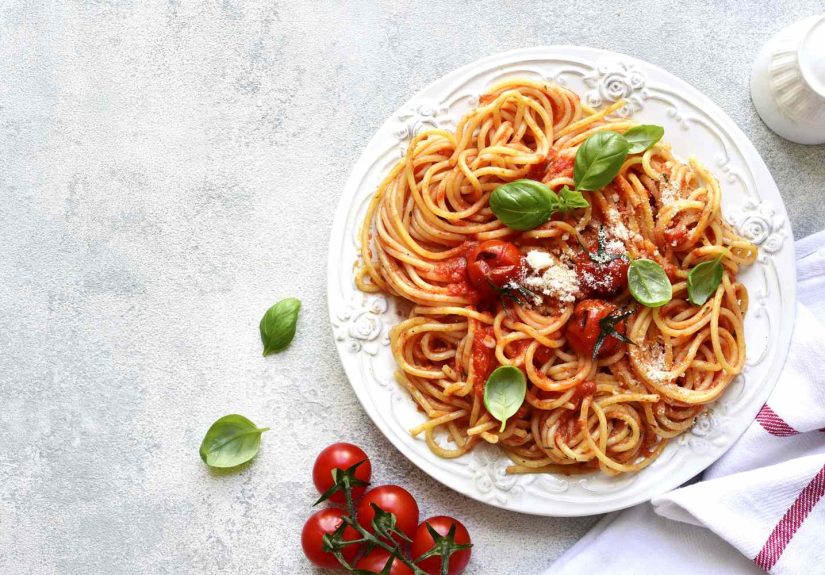
Tomatoes are famous for lycopene, a powerful antioxidant linked with heart-health benefits and healthy aging. Cooking tomatoes increases the bioavailability of lycopene, which means your body can absorb it more efficiently than it can from raw tomatoes alone. Even better, serving tomatoes with a healthy fat such as olive oil can boost absorption further.
This is the rare nutrition story that validates comfort food. Tomato sauce, roasted tomatoes, tomato paste, and slow-simmered soups all turn out to be more than cozy. They are smart. Raw tomatoes still provide vitamin C and plenty of goodness, but when the conversation is specifically about lycopene, cooked tomatoes often take the trophy.
Best ways to cook them
Simmer them into sauce, roast them until jammy, or stir tomato paste into soups, stews, beans, or eggs. This is one of the easiest cooked-versus-raw upgrades because it fits so naturally into everyday meals.
4. Asparagus
Why asparagus often benefits from heat
Raw asparagus is crisp, grassy, and a little too committed to being difficult. Cooking softens those fibrous stalks and can improve access to certain antioxidants and fat-soluble vitamins. Experts often point to compounds in asparagus becoming easier to use after gentle cooking, especially when the spears are paired with a little oil.
It is also just much easier to eat. Unless you truly enjoy chewing like a determined goat, cooked asparagus is usually the more pleasant option. And when a vegetable is easier to chew, digest, and enjoy, you are more likely to eat it regularly, which is the most underrated nutrition strategy of all.
Best ways to cook it
Steam it until crisp-tender, roast it until the tips brown slightly, or grill it for extra flavor. The sweet spot is tender, not floppy. Asparagus should feel elegant, not exhausted.
5. Kale
Why gently cooked kale can be the smarter choice
Kale has a reputation for nutritional virtue so intense it practically wears a fitness tracker. It is rich in vitamins, minerals, and carotenoids, but it is also very fibrous when raw. Gentle cooking helps soften the leaves, making kale easier to digest and helping release some of the nutrients locked inside its sturdy structure.
This does come with a caveat: raw kale retains more vitamin C than cooked kale. So the real win here is not that cooked kale is universally superior in every way, but that lightly cooked kale can be a better choice when your priorities are digestibility and better access to certain minerals and carotenoids. If raw kale salads feel like chewing a reusable grocery bag, this is your sign to stop pretending.
Best ways to cook it
Steam, sauté, or quickly braise it. Keep the heat gentle and the timing short. A splash of olive oil and a squeeze of lemon make kale much more cooperative.
6. Spinach
Why spinach often becomes more useful when cooked
Spinach is a nutrition powerhouse whether you eat it raw or cooked, but it has one major complication: oxalates. These naturally occurring compounds can bind to minerals like calcium and iron, which makes absorption harder. Light cooking reduces some of those oxalates, improving the availability of minerals and increasing access to beta-carotene.
That is why cooked spinach can be especially valuable if your goal is to get more usable iron, calcium, and carotenoids. Raw spinach still brings folate, freshness, and convenience, but from a nutrient-density standpoint, cooked spinach punches above its weight. Literally, too, because a giant mountain of raw spinach turns into approximately three dramatic spoonfuls the second it hits the pan.
Best ways to cook it
Steaming and quick sautéing are usually the best methods. They preserve more nutrients than long boiling and still reduce oxalates. Add a bit of olive oil, and you improve absorption of fat-soluble compounds at the same time.
The Best Cooking Methods for Maximum Nutrition
If the idea of “cook your vegetables” makes you picture a sad pot of gray mush from a cafeteria tray, let us stop that horror movie immediately. The best methods are usually the gentler ones:
- Steaming: Excellent for spinach, kale, carrots, and asparagus because it limits nutrient losses to water.
- Microwaving: Surprisingly useful for mushrooms and greens, and often faster than waiting for your skillet to stop acting dramatic.
- Sautéing: Great for spinach, kale, mushrooms, and carrots, especially with olive oil.
- Roasting: Ideal for carrots, tomatoes, mushrooms, and asparagus when you want flavor plus caramelization.
- Grilling: A strong option for mushrooms and asparagus when you want texture and smoky depth.
The common theme is simple: cook just enough to soften structure and improve absorption, but not so much that everything collapses into surrender. And whenever it makes sense, include a little healthy fat. That tiny drizzle of oil is doing more than making things shiny.
Real-Kitchen Experiences: What Changes When You Actually Start Cooking These Vegetables
Here is what often happens in real life, far away from nutrition headlines and very close to a weekday sink full of dishes. You buy a giant box of raw spinach with the best intentions. You picture smoothies, salads, maybe a wholesome lunch situation. Three days later, the spinach has transformed into a damp green life lesson in the back of the fridge. But toss that same spinach into a hot pan with olive oil and garlic, and suddenly you have something warm, flavorful, and easy to use in eggs, pasta, rice bowls, or soup. The difference is not just nutrition. It is practicality.
The same thing happens with kale. Raw kale can feel like a commitment. You have to wash it, dry it, de-stem it, massage it, and possibly negotiate with it. Cooked kale, on the other hand, becomes a lot friendlier. A quick sauté softens the bite, makes it easier to chew, and turns it into something that can slide right into dinner without a speech about wellness. That matters. Healthy eating is much easier when the food stops acting like homework.
Carrots are another good example. Raw carrots are convenient, sure, but roasted carrots have a completely different personality. They get sweeter, softer, and more satisfying. People who barely glance at a bag of baby carrots will suddenly hover over a sheet pan of roasted carrots like they are French fries in a tiny orange disguise. When vegetables taste better, people eat more of them. It sounds obvious, but that is one of the biggest nutrition wins there is.
Tomatoes may be the most dramatic transformation of the group. Raw tomatoes can be fresh and juicy, but cooked tomatoes become rich, savory, and deeply flavorful. A spoonful of tomato paste can rescue a soup. A quick sauce can pull together a chaotic pantry dinner. Roasted tomatoes can make toast, pasta, grains, or chicken feel more expensive than they are. It is one of the easiest ways to make vegetables both more delicious and more useful.
Mushrooms tell a similar story. Plenty of people claim they dislike mushrooms when what they really dislike is undercooked, watery mushrooms. Give them enough heat to brown, concentrate, and develop flavor, and suddenly they become meaty, savory, and genuinely exciting. They can stretch tacos, bulk up pasta, improve grain bowls, or make toast feel like brunch. That is not just cooking. That is strategic life management.
And asparagus? Raw asparagus can technically exist, but most people are much happier when it is steamed, roasted, or grilled until crisp-tender. It becomes elegant instead of aggressive. It works next to salmon, eggs, pasta, or a roast chicken, and it makes dinner look like you tried even if you absolutely did not.
In other words, the experience of cooking these vegetables is not only about unlocking nutrients. It is about making healthy food easier to enjoy consistently. And consistency beats perfection every single time.
Final Takeaway
Raw vegetables are wonderful, but they are not automatically superior. For carrots, mushrooms, tomatoes, asparagus, kale, and spinach, the cooked version can offer real advantages, whether that means better carotenoid absorption, fewer oxalates, easier digestion, or more accessible antioxidants. The smartest move is not to pick a side in the raw-versus-cooked debate like it is a reality show feud. It is to use both forms strategically.
Eat raw vegetables when you want crunch, freshness, and heat-sensitive nutrients. Cook vegetables when you want better absorption, softer texture, and more flavor. Your body gets variety, your meals get more interesting, and your refrigerator has a slightly better chance of not becoming a graveyard for abandoned produce.