Table of Contents >> Show >> Hide
- Before We Talk Food: When a Sore Throat Needs Real Medical Attention
- The 7 Worst Foods (and Drinks) for a Sore Throat
- 1) Acidic Foods and Drinks (Citrus, Vinegar, Tomato Products)
- 2) Extra Spicy Foods (Hot Sauce, Chili, Pepper-Heavy Dishes)
- 3) Crunchy, Hard, or Scratchy Foods (They’re Basically Tiny Brillo Pads)
- 4) Very Hot Foods and Drinks (Temperature Can Add Injury to Insult)
- 5) Alcohol (No, It Doesn’t “Disinfect Your Throat”)
- 6) Caffeinated Drinks (Coffee, Energy Drinks, Some Teas and Sodas)
- 7) Dairy-Heavy Foods (Sometimes Comforting, Sometimes… Not)
- Pro Tips for Eating When Swallowing Hurts
- Quick “Sore Throat-Friendly” Swap List
- of Real-Life Experience: The “What Was I Thinking?” Sore-Throat Food Diary
- Conclusion
A sore throat is basically your body’s way of putting up a “Road Closed” sign and then watching you try to
bulldoze through it with tortilla chips. Whether it’s from a cold, postnasal drip, yelling at your TV during
the game, or that delightful moment when you realize you slept with your mouth open in a room as dry as a
saltine, the goal is the same: reduce irritation, stay hydrated, and stop feeding the “sandpaper” feeling.
Here’s the quick science: your throat lining is inflamed. Anything sharp, super hot, acidic, drying, or
reflux-triggering can make the inflammation angrierlike poking a bruise to see if it still hurts (spoiler:
it does). Below are seven foods and drinks health experts commonly recommend avoiding, plus what to choose
instead so you can get back to swallowing like a normal human.
Before We Talk Food: When a Sore Throat Needs Real Medical Attention
Most sore throats are viral and improve in a few days. But seek medical care if you have trouble breathing,
trouble swallowing, signs of dehydration, a rash, blood in saliva/phlegm, or symptoms that persist or worsen.
If you suspect strep throat (sudden severe sore throat, fever, swollen lymph nodes, red/swollen tonsils),
you may need testing and treatment.
The 7 Worst Foods (and Drinks) for a Sore Throat
1) Acidic Foods and Drinks (Citrus, Vinegar, Tomato Products)
Acid is great for battery experiments, less great for irritated throat tissue. Highly acidic foods can sting
on contact and may aggravate inflammation. This includes obvious offenders like orange juice and grapefruit,
but also sneaky “healthy” choices like lemon water, vinegar-heavy dressings, and tomato-based sauces.
Examples to pause for now: orange juice, lemonade, citrus smoothies, tomato soup, marinara, salsa with lots of lime, pickles, vinegar chips.
Try this instead: room-temp water, warm (not hot) broth, caffeine-free herbal tea, bananas,
oatmeal, mashed potatoes, applesauce, and smoothies made with low-acid fruits (think banana + mango).
2) Extra Spicy Foods (Hot Sauce, Chili, Pepper-Heavy Dishes)
Spicy foods can feel “clearing,” but when your throat is already raw, heat can intensify burning and keep
irritation going. If you’re coughing, spicy food can also trigger more coughinglike your body is heckling
itself from the inside.
Examples to pause for now: wings with hot sauce, spicy ramen, chili oil, jalapeño poppers, pepper-packed curries, wasabi and horseradish.
Try this instead: mild soups, congee, creamy oatmeal, scrambled eggs, soft noodles with a
gentle broth, or a “comfort bowl” of rice with steamed veggies and a non-spicy sauce.
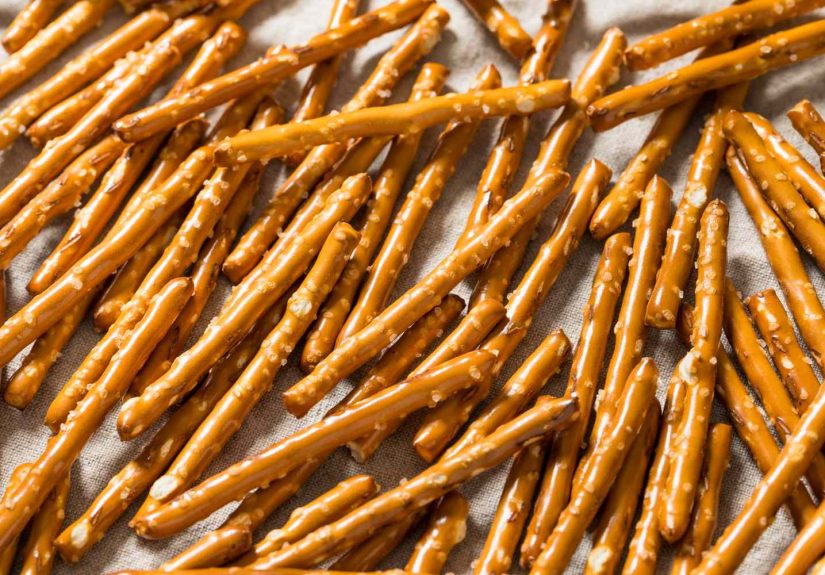
3) Crunchy, Hard, or Scratchy Foods (They’re Basically Tiny Brillo Pads)
Texture matters. Crunchy foods can scrape tender tissue, making swallowing more painful and prolonging
irritation. This is the category where people with sore throats often make the bold choice of “I’ll just
chew carefully,” and their throat responds with: “Absolutely not.”
Examples to pause for now: chips, pretzels, crackers, crusty bread, granola, dry cereal, toasted bagels, raw carrots.
Try this instead: yogurt (if it feels soothing for you), smoothies, pudding, applesauce,
mashed sweet potatoes, soft bread soaked in soup, well-cooked pasta, or scrambled eggs.
4) Very Hot Foods and Drinks (Temperature Can Add Injury to Insult)
Warm can soothe. Hot can burn. When your throat is already inflamed, very hot coffee, tea, soup, or
“fresh out of the microwave” anything can worsen irritationespecially if you accidentally scald yourself.
Aim for warm or cool, not volcanic.
Examples to pause for now: piping-hot tea/coffee, just-boiled soup, extra-hot broth, sizzling dishes served straight from the pan.
Try this instead: warm (not hot) tea, lukewarm soup, ice chips, popsicles, chilled smoothies,
or cool water. Pick the temperature that feels bestyour throat gets the final vote.
5) Alcohol (No, It Doesn’t “Disinfect Your Throat”)
Alcohol is drying and can irritate inflamed tissue. It can also disrupt sleep and recovery, and it’s not a
reliable “kill the germs” trick for your throat. If you’re sick, your immune system needs hydration and rest,
not a dehydrating side quest.
Examples to pause for now: cocktails, wine, beer, shots, “hot toddies” made with booze.
Try this instead: warm water with honey, caffeine-free tea, broth, electrolyte drinks, or a
non-alcoholic “todd y vibe” (warm water + honey + a splash of low-acid juice, if tolerated).
6) Caffeinated Drinks (Coffee, Energy Drinks, Some Teas and Sodas)
Caffeine can be dehydrating for some people and may worsen that dry, scratchy feelingespecially if you’re
not drinking enough water. Plus, caffeine can interfere with sleep, and sleep is your immune system’s
favorite coworker. If your throat hurts, this is not the time to launch a productivity sprint.
Examples to pause for now: coffee, espresso drinks, energy drinks, strong black tea, many caffeinated sodas.
Try this instead: warm herbal tea (caffeine-free), warm water with honey, broth, or plain
water. If you must have coffee, downshift: smaller amount, less hot, and chase it with water.
7) Dairy-Heavy Foods (Sometimes Comforting, Sometimes… Not)
Dairy is the most misunderstood character in the sore-throat story. Research does not support the idea that
milk magically increases mucus production. However, dairy’s creamy texture can make mucus feel thicker
for some people, which can be unpleasant when you’re already dealing with postnasal drip or congestion.
Translation: dairy isn’t “bad,” but it may be personally annoying.
Examples to be cautious with: ice cream, heavy cream sauces, large amounts of milk, cheesy dishes (especially if they make you feel more congested).
Try this instead: if dairy feels fine, small amounts of yogurt or warm milk may be soothing.
If it feels gross, try plant-based options (oat milk, almond milk), brothy soups, or fruit smoothies.
The best choice is the one that doesn’t make you regret swallowing.
Pro Tips for Eating When Swallowing Hurts
- Prioritize hydration: your throat tissue heals better when it’s moist. Sip often.
- Go soft and smooth: blended soups, oatmeal, eggs, and applesauce are your friends.
- Pick your temperature: warm or coldwhichever feels more soothing in the moment.
- Mind reflux: if heartburn is in the mix, acidic/spicy/fatty foods can keep your throat irritated.
- Keep it simple: bland doesn’t mean sad. It means “less drama while healing.”
Quick “Sore Throat-Friendly” Swap List
If you’re staring into your pantry like it betrayed you, here are easy swaps:
- Chips/crackers → soup + soft bread dipped in broth
- Orange juice → water, broth, or caffeine-free tea
- Hot sauce everything → mild seasoning (a little salt, herbs, gentle ginger)
- Extra-hot coffee → warm herbal tea or lukewarm honey water
- Ice cream (if it makes mucus feel thick) → popsicles, sorbet, or smoothies with non-dairy milk
of Real-Life Experience: The “What Was I Thinking?” Sore-Throat Food Diary
I once treated a sore throat like a personal challenge, as if my immune system had posted a dare online:
“Bet you won’t eat the worst possible foods.” Reader, I accepted. Here’s what I learned (so you don’t have to).
Day 1: I started with orange juice because it felt like the responsible, vitamin-C-forward
thing to do. One sip in, my throat filed an official complaint. The burn wasn’t subtleit was a full-body
flinch, like I’d tried to gargle with regret. I switched to water and suddenly understood why “hydration” is
everyone’s favorite boring advice: it works.
Day 2: Feeling brave (or delusional), I ate crunchy chips because “I was hungry.” The first
few bites sounded satisfying, like normal life. Then each swallow felt like sending sandpaper down a hallway
that was already on fire. I spent the next hour sipping warm broth and wondering how chips became the villain
of my story arc.
Day 3: I ordered spicy food because I convinced myself it would “clear me out.” It didby
clearing out my will to live for about twenty minutes. Spice doesn’t negotiate with an inflamed throat; it
arrives with a megaphone. I learned the difference between “flavor” and “pain audition.”
Day 4: I tried a drink that was too hot because it smelled comforting. One impatient sip later,
my throat felt like it had been personally roasted. That’s when I discovered the magic temperature range:
warm enough to soothe, cool enough to not cause new problems. “Cozy” is the goal. “Molten” is not.
Day 5: Someone suggested a little alcohol “to disinfect.” I considered it, then remembered
every time alcohol dried out my mouth on a normal day. When you’re sick, dryness is the enemy. I made a
non-alcoholic honey drink instead, andshockinglymy body preferred it when I didn’t dehydrate myself on purpose.
Day 6: Coffee called to me like a siren. I answered. My throat felt drier, my sleep got worse,
and my recovery didn’t exactly throw a party. The next morning I swapped to caffeine-free tea and took a nap.
My immune system sent a thank-you note (not literally, but the reduced pain felt like a card).
Day 7: Dairy was the wildcard. A little yogurt felt soothing. A big bowl of ice cream, however,
made everything feel thicker and more “gunky” for me personallylike my throat was wearing a sweater it didn’t
ask for. That’s the key lesson: the “worst foods” list is partly universal (hello, chips) and partly personal
(hello, dairy). Your throat gets a vote. Listen to it.
The overall takeaway? When your throat hurts, think “gentle.” Gentle texture, gentle temperature, gentle
flavors. You can go back to crunchy, spicy, acidic chaos laterwhen swallowing doesn’t feel like a dare.
Conclusion
A sore throat doesn’t require culinary sufferingit requires strategic eating. Avoid the big irritators
(acidic, spicy, crunchy, too hot, alcohol, too much caffeine, and dairy if it makes you feel worse). Choose
soft, soothing, hydrating options, rest up, and pay attention to warning signs that suggest you should get
checked by a healthcare professional.