Table of Contents >> Show >> Hide
- Before We Roast the Snacks: A 20-Second Label Check
- 1) Flavored Potato Chips (and Most “Party” Chips)
- 2) Candy (Gummies, Sour Candy, “Share Size” Anything)
- 3) Pastries & Donuts (a.k.a. Breakfast Dressed as a Snack)
- 4) “Protein” Bars That Are Basically Candy Bars in Athleisure
- 5) Processed Meat Snacks (Meat Sticks, “Snack Packs,” Some Jerky)
- 6) Sugary Drinks as “Snacks” (Soda, Sweet Tea, Energy Drinks, Bottled Frappes)
- 7) Frosted Snack Cakes & Packaged Desserts (Snack Pies, Cupcakes, “Little” Cakes)
- What to Eat Instead: Dietitian-Approved Snack Formulas
- of Real-Life Experience: How These “Worst Snacks” Actually Get You
- Conclusion
“Never” is a dramatic wordlike “my cat never knocks stuff off the counter” (sure, Jan). Most dietitians don’t live in a world where a single chip equals nutritional doom. But we do have a short list of snacks that are so consistently engineered to be low-satiety, high-crave, and nutritionally stingy that we’d rarely choose them on purpose and we definitely wouldn’t keep them on regular rotation.
Think of this article as a friendly “heads-up” from the people who read Nutrition Facts panels for fun. The “worst snacks” below tend to share a few traits: lots of added sugar and/or sodium, low fiber and protein, highly refined ingredients, and portions that mysteriously disappear the moment you open the bag. (Science calls it “hyper-palatable.” Your couch calls it “Where did the family-size go?”)
The goal isn’t shame. It’s strategy. I’ll show you why these snacks backfire, how to spot them quickly, and what to grab insteadincluding swaps that still feel like a treat.
Before We Roast the Snacks: A 20-Second Label Check
- Added sugar: If a snack is basically dessert in a trench coat, it’ll show up here.
- Sodium: Sneaky in “savory” snacks, shockingly high in processed meat snacks.
- Fiber + protein: Your “stay full” duo. If both are low, hunger rebounds fast.
- Saturated fat: Not automatically evil, but many ultra-processed snacks stack it high.
- Serving size: The original plot twist. “One serving” might be eight chips.
1) Flavored Potato Chips (and Most “Party” Chips)
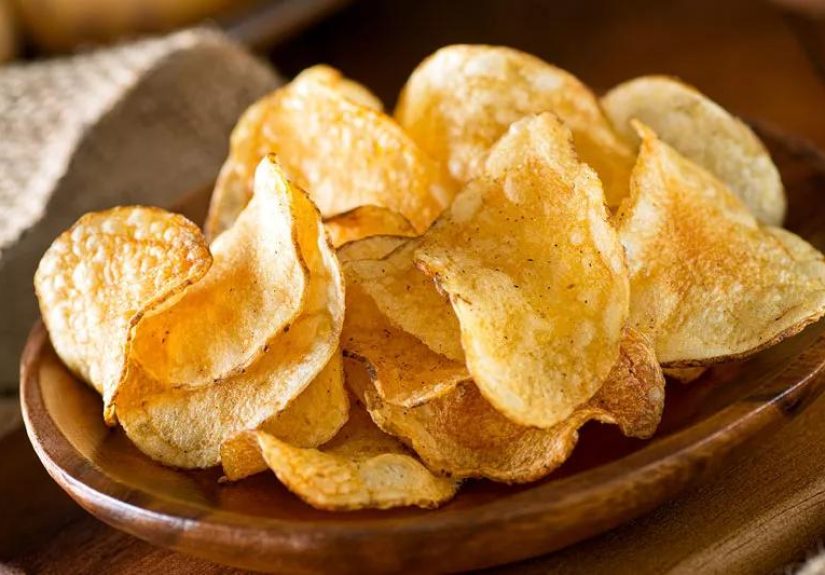
Chips aren’t just potatoes. Most flavored varieties are a masterclass in refined starch + added oils + heavy sodium + intense flavoring. That combo lights up reward pathways while providing very little fiber or proteinmeaning you can crush half a bag and still be ready for dinner like nothing happened.
Why a dietitian avoids making this a “daily snack”
- Low satiety: Minimal protein and fiber means you’re hungry again soon.
- Sodium stack: Easy to overshoot your day’s salt without realizing it.
- Portion boomerang: The bag is basically a participation trophy for finishing it.
Better swaps that still crunch
- Air-popped popcorn (season it yourself)
- Roasted chickpeas
- Tortilla chips + bean dip or guacamole (fiber + fat helps you stop)
- “Snack plate” upgrade: chips plus salsa and a cheese sticksame vibe, more staying power
2) Candy (Gummies, Sour Candy, “Share Size” Anything)
Candy is basically concentrated added sugar with minimal nutritional value. The biggest issue isn’t that candy existsit’s that it’s easy to eat a lot fast, and it doesn’t come with the fiber/protein/fat that slows absorption and helps you feel satisfied. Gummies in particular are “blink and they’re gone” snacks.
Why a dietitian side-eyes it
- Blood sugar roller coaster: Quick spike, quick drop, and suddenly you’re rummaging again.
- Teeth tax: Sticky sugar loves hanging around on enamel.
- Hunger doesn’t get the memo: You ate calories, but your appetite didn’t get relief.
Sweet swaps that feel like a treat
- Dark chocolate squares + almonds
- Greek yogurt + berries (choose low-added-sugar options)
- Frozen grapes or berries (surprisingly satisfying)
- Fruit + peanut butter (classic because it works)
3) Pastries & Donuts (a.k.a. Breakfast Dressed as a Snack)
Donuts are delicious. They are also a common triple-threat: refined flour, added sugar, and added fats, often with very little protein or fiber to balance things out. Translation: you get a fast energy hit, then a mid-morning crash that makes you want another snack.
Why dietitians don’t “snack” on these regularly
- Crash potential: High sugar + refined carbs can leave you dragging later.
- Low nutrient density: Lots of calories, not much in the “helpful stuff” department.
- Portion optics: One donut rarely feels like “one donut” when there’s a box.
Better bakery-ish options
- Half a donut + a protein latte or milk (pairing = damage control)
- Whole-grain toast + nut butter + banana
- Oatmeal with cinnamon and fruit
- Homemade muffin with less sugar + added oats or nuts
4) “Protein” Bars That Are Basically Candy Bars in Athleisure
Some protein bars are great. Others are just candy bars with a gym membership: lots of added sugar (or sugar alcohols), highly processed ingredients, and protein amounts that look impressive until you compare them to the calorie load.
What makes a bar “worst-in-class”
- More dessert than fuel: If added sugar is high and fiber is low, it won’t keep you full.
- Digestive drama: Some bars rely on sugar alcohols that can cause gas/bloating for many people.
- Halo effect: “Protein” branding can trick you into treating it like a free snack.
How to pick a better bar (fast)
- Look for higher fiber and meaningful protein relative to calories.
- Keep added sugar modest when it’s an everyday snack.
- If the ingredient list reads like a chemistry final, consider alternatives.
Better grab-and-go swaps
- Trail mix (portion it)
- Jerky in moderation + fruit (watch sodium)
- String cheese + apple
- Hard-boiled eggs + whole-grain crackers
5) Processed Meat Snacks (Meat Sticks, “Snack Packs,” Some Jerky)
These are convenient, high-protein… and often extremely high in sodium, with added preservatives and saturated fat depending on the brand. They can be useful in a pinchlike airports, road trips, or “I forgot lunch and now I’m feral” moments but they’re rarely a dietitian’s go-to everyday snack.
Why dietitians limit them
- Sodium overload: Easy to rack up a lot fast.
- Not much “balance”: Protein is great, but pairing with fiber helps satisfaction and digestion.
- Quality varies wildly: Some are basically salt-and-fat delivery systems.
Smarter ways to do “savory protein”
- Roasted edamame
- Cottage cheese + tomatoes (or pineapple if you’re on Team Sweet-Savory Chaos)
- Tuna pouch + whole-grain crackers
- Lower-sodium jerky + a piece of fruit
6) Sugary Drinks as “Snacks” (Soda, Sweet Tea, Energy Drinks, Bottled Frappes)
If a snack doesn’t make you chew, it often doesn’t make you feel full. Sugary drinks are a major source of added sugar in many diets, and they’re easy to consume quickly. They also tend to stack with other snack choiceslike soda plus chipsbecause your body is still waiting for satiety.
Why dietitians usually pass
- Low satiety: Liquid calories don’t “stick” the way food does.
- Added sugar heavy: One bottle can carry a surprising amount.
- Habit-forming: Caffeine + sugar combos can become a daily crutch.
Better sippers
- Sparkling water with citrus
- Unsweetened iced tea (add fruit slices)
- Coffee with milk + cinnamon (skip the syrup parade)
- If you want “fun,” try flavored seltzer + a splash of 100% juice
7) Frosted Snack Cakes & Packaged Desserts (Snack Pies, Cupcakes, “Little” Cakes)
These are the snacks that pretend to be small while delivering big-time “ultra-processed” energy: refined flour, added sugars, added fats, emulsifiers, stabilizers, and flavors designed to taste just like “more, please.” They’re the kind of item you eat at 3 p.m. and then wonder why you’re starving at 3:17.
Why dietitians keep these out of the routine
- High reward, low return: Lots of calories without the fullness factors.
- Crave cycle: Sweet + fat + refined carbs can drive “snack again” behavior.
- Easy to overdo: Individually wrapped = socially acceptable to eat three.
Dessert swaps that don’t feel like punishment
- Chocolate-covered almonds (portion-controlled)
- Frozen yogurt bark (Greek yogurt + fruit + nuts, frozen)
- Microwaved apple slices with cinnamon + a dollop of yogurt
- Homemade “two-bite” brownies made with less sugar (so you can actually stop at two bites)
What to Eat Instead: Dietitian-Approved Snack Formulas
If you want snacks that actually do their jobkeep you energized and satisfieduse one of these simple templates. They’re not trendy. They’re effective. Like a good pair of jeans.
Formula A: Protein + Fiber
- Greek yogurt + berries
- Hummus + carrots + whole-grain pita
- Edamame + an orange
Formula B: Healthy Fat + Produce
- Apple + peanut butter
- Avocado toast on whole-grain bread
- Nuts + grapes
Formula C: Crunch + Dip
- Popcorn + parmesan and herbs
- Whole-grain crackers + tuna or bean dip
- Bell pepper strips + guacamole
of Real-Life Experience: How These “Worst Snacks” Actually Get You
Let me paint a scene. It’s 2:46 p.m. Your brain is buffering. Your inbox is multiplying. You swear you can hear your stomach making the Windows startup sound. You wander toward the kitchen like a character in a nature documentary: “Here we observe the office worker in their natural habitat, drawn to the fluorescent glow of the snack shelf…”
The first trap is the “I deserve it” snack. You had a long meeting, a short lunch, and a coworker who said, “Let’s circle back” eight times. A frosted snack cake appears. It’s small, it’s cute, it’s individually wrapped like a gift from the universe. You eat it in three bites and feel… nothing. Not satisfied. Not full. Just vaguely betrayed. Ten minutes later you’re hunting again, because the snack delivered sweetness but not staying power.
The second trap is the “healthy halo” snack. This one wears a costume: a protein bar with words like fit, lean, fuel, and performance. You assume it’s automatically a good choice, so you don’t pay attention to how it makes you feel. Some days it’s fine. Other days, the added sweeteners plus low fiber turn your stomach into a soap opera: dramatic, loud, and full of unexpected twists. The lesson isn’t “never eat bars.” It’s “pick one that’s actually built like food, not candy.”
The third trap is the “road trip convenience” snack. Gas station: 10/10 for variety, 2/10 for satiety. You grab chips, a meat stick, and a soda. You’ve technically consumed calories in three different forms, yet you feel weirdly empty. That’s because chips + soda are low on fiber and high on fast-digesting carbs, and the meat stick might be high sodium without much balance. The fix I’ve used (and recommended) for years: keep one “snack anchor” that’s actually fillinglike nuts, a cheese stick, or a yogurtthen add something fun. You can absolutely have the chips. Just don’t let chips be the whole plan.
And finally: the “liquid snack” trap. The bottled frappé. The giant sweet tea. The energy drink that tastes like melted gummy bears. You drink it thinking you’ve “snacked,” but your hunger didn’t get the message because you didn’t chew. If you love these, try a gentle shift: order a smaller size, reduce syrup, or pair it with something that brings protein and fiber. Your taste buds stay happy, and your 4 p.m. self won’t feel like a haunted Victorian child asking for more.
The big takeaway from real life is this: the “worst snacks” aren’t evilthey’re just reliably unhelpful. They’re great at being delicious and convenient. They’re terrible at being satisfying. Once you start judging snacks by how they make you feel one hour later (energy, mood, hunger), it gets easier to choose options that actually support your day.
Conclusion
If your dietitian “would never” eat something, it’s usually shorthand for: “I don’t make this a habit because it doesn’t support my health goals.” The seven snacks on this listchips, candy, pastries, candy-ish protein bars, processed meat snacks, sugary drinks, and packaged dessertstend to be ultra-processed, low in satiety, and easy to overconsume.
The upgrade isn’t perfection. It’s pairing and planning: add protein and fiber, watch the serving-size plot twist, and choose snacks that leave you feeling steady instead of snack-hunting 20 minutes later.