Table of Contents >> Show >> Hide
Every brand dreams of launching the next iPhone, Oreo, or PlayStation. Nobody walks into a boardroom, adjusts a tie, and says, “Team, let’s create a product historians will roast forever.” Yet the business world is full of failed products that arrived with fireworks, press releases, celebrity confidence, and possibly too much coffeeonly to leave the market with a tiny squeak and a clearance sticker.
The strange thing is that many famous product failures came from smart companies with big budgets. Coca-Cola, Apple, Google, Microsoft, Amazon, Samsung, Pepsi, and Ford have all released products that didn’t live up to the hype. Some were too early. Some were too expensive. Some solved problems nobody actually had. And some made consumers ask the timeless question: “Who approved this?”
This guide looks at 74 failed products that became unforgettable business lessons. The goal is not to laugh at failure just for sportalthough a toothpaste company selling frozen dinners does make that difficult. Instead, these examples show why product-market fit, timing, pricing, branding, safety, and customer trust matter more than buzz.
Why Hyped Products Fail
Product failure usually does not happen for one simple reason. A bad launch is often a casserole of mistakes: weak demand, confusing positioning, poor usability, high pricing, bad timing, safety concerns, or a brand extension that stretches credibility until it snaps like a cheap rubber band.
Many failed innovations were not completely foolish. Google Glass predicted wearable computing. Apple Newton hinted at tablets and smart assistants. Segway imagined a micromobility future long before electric scooters filled city sidewalks. The problem was that the market was not ready, the price was wrong, the experience was awkward, or the product arrived before the supporting ecosystem existed.
Other failed products were simply misreadings of customer behavior. People liked Coca-Cola, but not enough to tolerate New Coke replacing the original. Consumers enjoyed ketchup, but green and purple ketchup eventually felt more like a science fair prank than a pantry staple. And yes, people liked Cheetosbut apparently not as lip balm. Humanity has limits.
74 Failed Products That Didn’t Live Up To The Hype
- New Coke: Coca-Cola changed its classic formula in 1985, underestimated emotional loyalty, and quickly brought back Coca-Cola Classic.
- Crystal Pepsi: The clear cola looked futuristic but confused shoppers who expected cola to taste and look familiar.
- Pepsi Blue: Bright blue soda generated curiosity, but the berry flavor never became a long-term mainstream favorite.
- Pepsi A.M.: A breakfast cola with extra caffeine sounded bold, but most people still preferred coffee in the morning.
- Coca-Cola BlāK: Cola mixed with coffee arrived before ready-to-drink coffee culture fully matured and struggled with taste expectations.
- Orbitz Soda: Its floating edible balls made it memorable, but the unusual texture and syrupy flavor limited repeat purchases.
- Heinz EZ Squirt Colored Ketchup: Green and purple ketchup fascinated kids briefly, then novelty wore off faster than a birthday balloon.
- Colgate Kitchen Entrees: A toothpaste brand entering frozen meals created one of the strangest brand-extension lessons in marketing history.
- Cheetos Lip Balm: Snack flavor plus lip care sounded funny, but consumers did not exactly beg for cheese-dust romance.
- Frito-Lay WOW! Chips: Fat-free chips sold well at first, then consumer complaints about digestive side effects damaged trust.
- Bic for Her: Pens marketed specifically to women were mocked for unnecessary gendering and became a textbook branding mistake.
- Harley-Davidson Perfume: A rugged motorcycle brand selling fragrance confused loyal fans who wanted engines, not eau de exhaust.
- Cosmopolitan Yogurt: A magazine brand entering refrigerated dairy proved that audience recognition does not automatically transfer to food.
- Clairol Touch of Yogurt Shampoo: The yogurt angle sounded natural, but many shoppers found the food-beauty crossover unappealing.
- Life Savers Soda: Candy popularity could not save a drink that consumers reportedly found too sweet for regular use.
- Gerber Singles: Single-serving meals for adults suffered from packaging associations with baby food. Not everyone wants dinner with nursery vibes.
- Coors Rocky Mountain Sparkling Water: A beverage brand known for beer struggled to convince shoppers it belonged in bottled water.
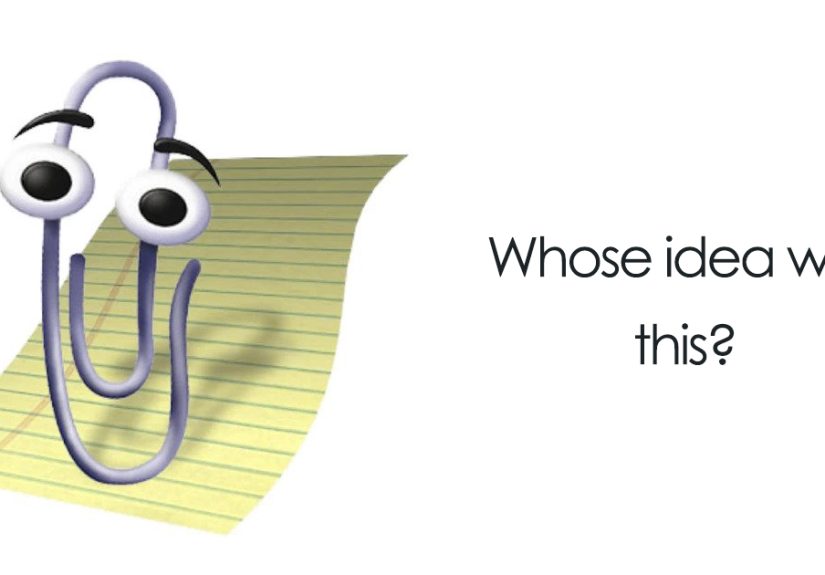
- Microsoft Clippy: The Office Assistant tried to help, but its constant interruptions made productivity feel like being haunted by stationery.
- Microsoft Zune: The music player had fans, but it arrived in the shadow of Apple’s iPod ecosystem.
- Microsoft Kin: A social phone aimed at younger users disappeared quickly after poor sales and unclear positioning.
- Windows Vista: Heavy system requirements, compatibility issues, and user frustration hurt the operating system’s reputation.
- Windows Phone: Clean design was not enough to overcome weak app support and fierce iOS-Android competition.
- Apple Newton: Ambitious and ahead of its time, but expensive hardware and imperfect handwriting recognition made it easy to parody.
- Apple Pippin: Apple’s gaming console struggled with price, performance, and a limited game library.
- Apple Lisa: Innovative but extremely expensive, it lost momentum before the Macintosh changed personal computing history.
- Google Glass: Smart glasses created excitement, but privacy worries, high price, and awkward social use slowed adoption.
- Google+: Google’s social network never displaced Facebook and eventually shut down for consumers after security concerns and weak engagement.
- Google Stadia: Cloud gaming technology was promising, but the service did not gain enough user traction.
- Amazon Fire Phone: Amazon’s smartphone had clever shopping features, but high pricing, limited apps, and carrier restrictions hurt demand.
- Facebook Home and HTC First: A phone experience built around Facebook was too narrow for users who wanted normal Android flexibility.
- Quibi: Short mobile video with Hollywood money launched into a market already filled with YouTube, TikTok, and streaming giants.
- CNN+: The subscription news streamer shut down only weeks after launch amid strategic changes and weak momentum.
- Segway PT: It was supposed to transform transportation, but high cost, awkward use cases, and regulation issues kept it niche.
- Hoverboards: The 2015 craze lost trust when safety concerns and battery-fire reports made consumers nervous.
- Juicero Press: A pricey connected juicer became infamous when people realized the juice packs could be squeezed by hand.
- Samsung Galaxy Note 7: Strong early demand turned into a safety crisis after battery overheating and fire incidents led to recalls.
- Toshiba HD DVD: The format lost its war against Blu-ray, proving that technical quality is not enough without industry support.
- Sony Betamax: Often praised for quality, Betamax still lost the home-video format battle to VHS.
- LaserDisc: Better video quality could not overcome bulky discs, high prices, and limited mass-market convenience.
- 3D TVs: After the excitement around 3D movies, home viewers grew tired of glasses, limited content, and premium prices.
- Nintendo Virtual Boy: The red-and-black 3D console caused discomfort for many players and disappeared quickly.
- Nokia N-Gage: Part phone, part game device, it became famous for awkward design and the “taco phone” nickname.
- Atari E.T.: Rushed development produced one of gaming’s most notorious flops and symbolized the early-1980s video game crash.
- BlackBerry PlayBook: The tablet launched without key features consumers expected and could not challenge the iPad.
- HP TouchPad: HP’s webOS tablet was discontinued shortly after launch despite a later fire-sale rush.
- Palm Pre: Loved by some reviewers, it struggled against the iPhone and Android’s fast-growing app ecosystems.
- BlackBerry Storm: The clickable touchscreen tried to answer the iPhone but frustrated many users with performance and usability issues.
- Google Nexus Q: A strange streaming orb with a high price, it never found a clear reason to exist.
- Google Clips: The small AI camera was clever, but privacy concerns and limited usefulness made it a hard sell.
- Nike FuelBand: A stylish fitness tracker helped popularize wearables, then lost ground as smartwatches became more capable.
- Fitbit Force: A promising tracker was recalled after some users reported skin irritation.
- Jawbone UP: Early buzz could not overcome hardware problems and intense wearable competition.
- Facebook Portal: Video-calling hardware struggled because many consumers did not want a Facebook camera in the living room.
- Amazon Dash Button: One-press reordering was clever, but voice assistants and app shopping made the buttons unnecessary.
- Amazon Restaurants: Food delivery was a crowded market, and Amazon eventually exited the service.
- GoPro Karma Drone: GoPro entered drones with enthusiasm, but recalls and DJI competition grounded the product.
- Kodak Disc Camera: Compact design could not make up for disappointing image quality compared with 35mm photography.
- Polaroid Polavision: Instant home movies were innovative, but videotape arrived with better convenience and broader appeal.
- DeLorean DMC-12: Famous now because of movies, the car struggled with performance, cost, and business turmoil.
- Ford Edsel: Heavy marketing created huge expectations, but design, timing, and price issues turned it into a symbol of failure.
- Pontiac Aztek: Practical features could not overcome polarizing styling that became its unwanted calling card.
- Tata Nano: Marketed as an ultra-cheap car, it suffered from safety perception problems and status concerns.
- McDonald’s Arch Deluxe: The “grown-up” burger had expensive advertising but never became the premium hit McDonald’s wanted.
- McDonald’s McDLT: Hot side hot, cool side coolbut the bulky packaging made the concept feel over-engineered.
- McDonald’s Mighty Wings: Higher pricing and spicy flavor limited demand, leaving the chain with excess inventory.
- McDonald’s Hula Burger: A grilled pineapple sandwich lost badly to the Filet-O-Fish in a menu test.
- Burger King Satisfries: Lower-calorie fries sounded smart, but customers did not switch in large enough numbers.
- McPizza: Pizza complicated McDonald’s fast-service model and did not fit the brand’s operational rhythm.
- Archos Jukebox: Early digital music players had promise, but clunky design lost attention once sleeker rivals arrived.
- Yahoo Screen: Original video ambitions failed to turn Yahoo into a major streaming destination.
- MySpace Music relaunch efforts: Attempts to revive MySpace around music could not rebuild its lost social-network momentum.
- JooJoo Tablet: This early tablet arrived near the iPad and was quickly overshadowed.
- Ouya Console: A crowdfunded Android game console had buzz, but weak games and unclear positioning hurt adoption.
- Magic Leap One: The headset promised a mixed-reality revolution, but high expectations met limited everyday usefulness.
What These Failed Products Teach Us
1. Hype Is Not Product-Market Fit
A big launch can create attention, but attention is not the same as demand. Quibi had money, famous executives, and celebrity content. Juicero had Silicon Valley confidence. Segway had breathless predictions about changing cities. But customers still asked practical questions: Do I need this? Is it worth the price? Is it easier than what I already use?
2. Branding Has Boundaries
Brand extension is powerful when it feels natural. Apple moving from computers to music players made sense because both involved technology, design, and personal media. Colgate moving from toothpaste to frozen meals did not create the same smooth mental bridge. The lesson is simple: trust can transfer, but only when the destination feels believable.
3. Timing Can Make a Good Idea Look Bad
Some failed innovations were not wrong forever; they were wrong for their moment. Apple Newton struggled before mobile processors, touchscreens, and cloud services were ready. Google Glass arrived before smart glasses had a socially acceptable use case. Stadia tried to mainstream cloud gaming before enough players were willing to give up local hardware and ownership habits.
4. Safety Problems Destroy Trust Fast
Samsung Galaxy Note 7, hoverboards, Fitbit Force, and GoPro Karma show how quickly excitement turns into caution when safety becomes the headline. A product can survive boring packaging. It can survive a strange name. It cannot easily survive consumers wondering whether it is safe to use.
5. Ecosystems Matter
Zune, Windows Phone, Fire Phone, BlackBerry PlayBook, and Ouya all show the same pattern: hardware alone is rarely enough. People buy into apps, services, accessories, support, and community. A beautiful device without a strong ecosystem can feel like a luxury apartment in a town with no roads.
Experiences and Lessons From Watching Failed Products
Studying failed products is oddly comforting. It reminds us that even the smartest companies can misread the room. A product launch often looks obvious in hindsight, but inside a company, the mood can be very different. Teams see research slides, prototypes, executive enthusiasm, and early praise. By the time a product reaches the public, the people building it may be too close to notice the awkward parts that customers spot in five seconds.
One experience that stands out across these examples is how customers react when a product tries too hard to educate them. If a product requires a long explanation, a new habit, a new category, and a high price, it is climbing four hills at once. Segway did not only ask people to buy a new vehicle; it asked cities to adapt, pedestrians to accept it, and buyers to justify a premium price. That is a lot of homework for a machine that still made riders look like mall security on vacation.
Another lesson is that novelty has a short attention span. Colored ketchup, Orbitz Soda, Cheetos Lip Balm, and Crystal Pepsi all earned attention because they were strange enough to discuss. But curiosity purchases are not the same as weekly purchases. People may try a product once for fun, post about it, laugh with friends, and then return to the reliable version. For long-term success, the second purchase matters more than the first.
Failed technology products also show the danger of ignoring ecosystems. A phone without apps, a console without games, or a wearable without daily usefulness becomes a gadget drawer resident. The device may be clever, but customers do not buy cleverness in isolation. They buy a smoother life, better entertainment, easier work, or higher status. If the product does not clearly deliver one of those, the hype fades.
There is also a customer-emotion lesson. New Coke was not just a flavor change; it felt like a beloved ritual had been replaced without permission. Brands sometimes forget that people attach memories to products. A can of soda, a burger, a car, or a phone can become part of identity. Change that identity carelessly, and customers may react as if you rearranged their childhood bedroom and painted it beige.
For entrepreneurs, marketers, and product managers, these failures are not just funny museum pieces. They are warning lights. Test demand honestly. Watch what customers do, not only what they say. Keep pricing realistic. Avoid solving imaginary problems. Make the product easy to understand. And before launching anything, ask one brutally simple question: “Would people still want this if nobody was talking about it?” If the answer is no, the product may be running on hype fumesand hype fumes do not power a business for long.
Conclusion
The history of failed products proves that innovation is not a straight road. It is more like a shopping cart with one bad wheel: noisy, unpredictable, and occasionally headed toward frozen dinners from a toothpaste company. Still, failure is useful when brands learn from it. New Coke taught the value of emotional loyalty. Google Glass showed the importance of social acceptance. Juicero became a lesson in practical value. Fire Phone proved that ecosystems matter. Quibi reminded everyone that even huge budgets cannot force habits that customers do not want.
The biggest failed products did not fail because companies lacked ambition. They failed because ambition outran reality. Great products need more than hype. They need timing, trust, usability, pricing, distribution, and a reason for customers to come back after the curiosity fades.
Note: This article synthesizes real historical product-failure information from reputable business, technology, company, consumer-safety, and innovation sources, including official company statements, established news outlets, business publications, technology reporting, and Museum of Failure-style product history archives.