Table of Contents >> Show >> Hide
- Why Tiled Kitchen Islands Are Suddenly Everywhere
- What Makes a Tiled Kitchen Island So Appealing?
- Popular Tile Styles for Kitchen Islands
- Where Should You Put Tile on a Kitchen Island?
- Best Colors for Tiled Kitchen Islands
- Design Tips for Making the Trend Look Expensive
- Practical Pros and Cons of Tiled Kitchen Islands
- Is a Tiled Kitchen Island Timeless or Trendy?
- Who Should Try This Trend?
- Real-Life Experience: What a Tiled Kitchen Island Feels Like Day to Day
- Final Thoughts on Tiled Kitchen Islands
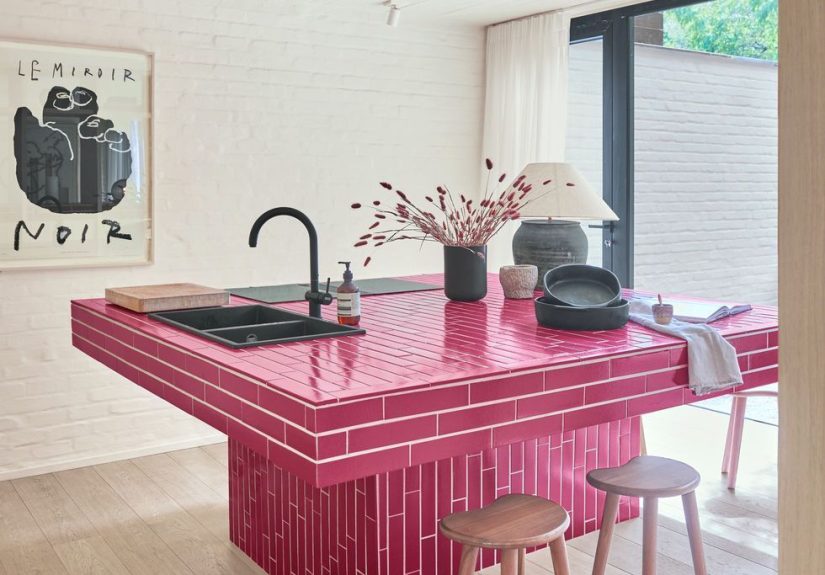
For years, the kitchen island has been the polite overachiever of the home: chopping station, homework desk, snack bar, party buffet, mail pile, and occasionally the place where one lonely banana goes to become abstract art. But now, the island is getting a major style upgrade. Enter the tiled kitchen island, a design trend that wraps the most hardworking piece of kitchen furniture in color, texture, pattern, and personality.
A tiled kitchen island is exactly what it sounds like: an island finished with tile on the base, sides, front panel, or sometimes even the countertop. Instead of relying only on painted cabinets or a waterfall slab, homeowners and designers are using ceramic tile, zellige tile, porcelain tile, terrazzo-look tile, mosaic tile, subway tile, cement tile, and handmade-look tile to turn the island into a statement piece.
And honestly? It makes sense. Modern kitchens are moving away from sterile, all-white showrooms and toward rooms that feel lived-in, layered, and expressive. The tiled island fits perfectly into that shift. It adds dimension without clutter, character without chaos, and a little “wait, where did you get that?” energy without requiring the entire kitchen to shout.
Why Tiled Kitchen Islands Are Suddenly Everywhere
The tiled kitchen island trend did not appear out of nowhere. It is part of a larger design movement toward tactile materials, artisan finishes, warmer color palettes, and kitchens that feel less like laboratories and more like places where people actually make pancakes, gossip, and accidentally burn toast.
Tile is having a big kitchen moment because it checks several boxes at once. It is practical, customizable, durable, and visually flexible. A tiled island can look Mediterranean, modern, coastal, retro, farmhouse, minimalist, or wildly artistic depending on the tile you choose. That range is one reason designers love it: one material can create many moods.
Another reason is simple design fatigue. After years of smooth cabinet fronts, white quartz, and safe gray finishes, many homeowners want something with more soul. A tiled island can bring that soul in a controlled way. You do not have to tile every wall or rip out every cabinet. You can focus the drama on one central feature, which is much less scary than letting your entire kitchen cosplay as a boutique hotel lobby.
What Makes a Tiled Kitchen Island So Appealing?
It Creates an Instant Focal Point
Every strong kitchen needs a visual anchor. In many homes, the island already sits in the center of the room, so it naturally attracts attention. Wrapping it in tile simply gives that attention somewhere beautiful to land.
A tiled kitchen island can break up a sea of flat cabinetry. It can also connect the kitchen to nearby living or dining spaces, especially in open-concept homes. If the backsplash is subtle, the island can carry the pattern. If the cabinets are neutral, the tile can introduce color. If the kitchen feels a little too perfect, tile can add the tiny irregularities that make a space feel human.
It Adds Texture Without Adding Clutter
Texture is one of the most important ingredients in current kitchen design. Wood grain, honed stone, handmade ceramics, plaster-like finishes, woven stools, and brushed metal all help a kitchen feel warm instead of flat. Tile fits naturally into that mix.
Glossy zellige-style tile reflects light in a soft, uneven way. Matte porcelain gives a calmer, architectural look. Tiny mosaics create rhythm. Large-format tile feels clean and contemporary. Fluted or dimensional tile can make the island feel almost sculptural. In every case, the texture works hard without taking up extra space. No additional accessories required. Your island becomes the accessory.
It Offers More Personality Than Plain Cabinet Panels
Painted island bases are classic, but tile offers more variety. You can choose a hand-glazed emerald green, a sandy beige, a deep navy, a creamy white, a terracotta clay tone, a checkerboard pattern, or a soft sage that says, “I drink herbal tea, but I also know where the good snacks are.”
Because tile comes in so many shapes and finishes, it allows for a highly personal design. Square tiles feel fresh and graphic. Vertical subway tiles elongate the island. Moroccan-inspired tile brings movement. Penny tile adds vintage charm. Terrazzo tile gives a playful speckled look. Cement tile can introduce pattern in a way that feels bold but grounded.
Popular Tile Styles for Kitchen Islands
1. Zellige and Handmade-Look Tile
Zellige-inspired tile is one of the most popular choices for tiled kitchen islands because it feels handcrafted, luminous, and imperfect in the best possible way. Its uneven surface catches light beautifully, especially on an island that faces windows or pendant lighting.
This style works well in warm white, soft green, dusty blue, ivory, clay, or mushroom tones. It pairs beautifully with wood cabinetry, marble countertops, brass fixtures, and plaster walls. The result is casual but elevated, like a kitchen that definitely owns good olive oil.
2. Square Ceramic Tile
Square tile is having a comeback because it feels simple, nostalgic, and modern all at once. A grid of square tiles on a kitchen island can look crisp and architectural, especially when paired with slim grout lines. It also creates a slightly retro effect that works well in midcentury-inspired homes.
White square tile with matching grout feels clean and minimalist. Colored square tile with contrasting grout feels bolder and more graphic. For a softer approach, choose muted shades such as sage, butter yellow, pale blue, oatmeal, or warm gray.
3. Terrazzo-Look Tile
Terrazzo is cheerful, durable, and full of movement. On a kitchen island, terrazzo-look tile can introduce pattern without feeling too busy. It is especially useful when you want multiple colors in the room to connect naturally. A tile with flecks of cream, rust, green, and charcoal can tie together wood floors, painted cabinets, stone counters, and black hardware.
Terrazzo-style tile works particularly well in contemporary kitchens, small apartments, and family homes where a little visual playfulness is welcome. It says “design-forward,” but it also says “yes, children probably live here, and that is fine.”
4. Subway Tile With a Twist
Subway tile is familiar, affordable, and widely available, but it does not have to be boring. On a kitchen island, the layout makes all the difference. Stack it vertically for a clean modern look, arrange it in a herringbone pattern for movement, or choose a handmade-look subway tile for more character.
Subway tile is a smart option for homeowners who like the tiled island trend but do not want the island to dominate the entire room. It adds texture while staying timeless. Think of it as the white button-down shirt of kitchen tile: classic, but surprisingly stylish when worn correctly.
5. Mosaic Tile
Mosaic tile can make a kitchen island feel custom and detailed. Penny rounds, small hexagons, kit-kat tiles, and mini squares all work well on curved or rounded island forms because small tiles can bend around edges more easily than large tiles.
This is a great choice for homeowners who want a boutique-café look. Mosaic tile can be playful in bright colors or sophisticated in stone-like neutrals. Just remember that more grout lines mean more maintenance, so choose stain-resistant grout and seal it properly if needed.
Where Should You Put Tile on a Kitchen Island?
The Front Panel
The front panel is the most popular place to use tile because it delivers maximum visual impact. This is the side guests see first when they enter the kitchen. It is also the side that often faces the dining or living room in an open layout.
Tiling the front panel works well if you want the island to feel like a furniture piece rather than a basic cabinet box. It also protects the surface from scuffs, especially if stools are pulled up on the opposite side and shoes regularly bump the base.
The Seating Side
If your island has bar stools, tiling the seating side can be both stylish and practical. Shoes, chair legs, and everyday movement can damage painted wood or cabinet panels over time. Tile handles that abuse better, provided the edges and corners are properly finished.
For families, this can be a smart move. Kids may not respect millwork, but tile is harder to offend. Peanut butter fingerprints, sneaker scuffs, and mysterious sticky spots still happen, of course. This is a kitchen, not a museum.
The Island Ends
Tiling only the ends of the island is a more subtle approach. It adds detail without overwhelming the room. This is especially effective when the island is large or when the kitchen already has a dramatic backsplash or countertop.
Tile on the ends can also help define zones. For example, one end might face a breakfast nook while the other faces a prep area. A tile finish gives those surfaces a more intentional, designed feel.
The Entire Base
For the boldest look, tile the entire island base. This creates a monolithic, sculptural effect, especially when the tile color is rich or the grout is tone-on-tone. It works beautifully with simple slab countertops and minimalist cabinetry.
The key is balance. If the entire island is tiled, keep other elements calmer. Let the tile be the star. Not every surface in the kitchen needs to audition for a reality show.
Best Colors for Tiled Kitchen Islands
Color is where tiled kitchen islands get exciting. The safest route is to choose a tile color that appears elsewhere in the kitchen, such as in the backsplash, floor, cabinet paint, countertop veining, or nearby decor. This creates harmony instead of visual whiplash.
Warm neutrals are a strong choice for timeless appeal. Cream, sand, taupe, mushroom, ivory, and soft beige tiles can add texture without making the island too trendy. These shades work especially well with oak cabinets, walnut accents, white countertops, and unlacquered brass hardware.
Green is another standout. Sage, olive, moss, and deep forest green all feel connected to nature and pair beautifully with wood and stone. Blue is excellent for coastal, cottage, and modern kitchens. Terracotta and clay tones bring warmth and a Mediterranean feeling. Black or charcoal tile creates drama, especially with lighter countertops and warm lighting.
Design Tips for Making the Trend Look Expensive
Use the Right Grout Color
Grout can make or break a tiled island. Matching grout creates a smoother, more seamless look. Contrasting grout highlights the tile shape and creates a stronger pattern. Neither is wrong, but the decision should be intentional.
For a high-end look, avoid grout that feels accidentally harsh. A slightly warm white grout with cream tile usually looks softer than bright white. A mid-tone grout can be more forgiving than very light grout in a busy household. If the island will face heavy use, stain-resistant grout is worth considering.
Finish the Edges Cleanly
Edges matter. A tiled island can look amazing from ten feet away and awkward up close if the corners are unfinished. Use bullnose tile, mitered edges, metal trim, wood framing, or a stone border to create a clean transition.
This is one area where hiring an experienced tile installer can save you from regret. Tile is honest. It reveals shortcuts. A crooked edge on a kitchen island is the kind of thing you will notice every morning while making coffee, and nobody needs that level of emotional damage before 8 a.m.
Keep the Countertop Simple
If the tile has strong color or pattern, choose a quieter countertop. White quartz, honed marble, soapstone, butcher block, or a simple solid surface can keep the island balanced. If both the tile and the countertop are dramatic, the kitchen may start to feel crowded.
On the other hand, if the tile is plain and subtle, a more expressive countertop can work beautifully. The goal is contrast, not competition.
Coordinate With Lighting
Pendant lights can bring out the best in a tiled kitchen island. Glossy tile reflects light, while textured tile creates soft shadows. Warm bulbs can make handmade tile feel cozy, while cool lighting may make the same tile look flatter.
Before finalizing the tile, view samples in your actual kitchen at different times of day. Morning light, evening light, and artificial light can change the color dramatically. Tile samples are small, but their opinions are large.
Practical Pros and Cons of Tiled Kitchen Islands
The Pros
A tiled island is durable, especially when made with porcelain or ceramic tile. It resists scratches better than painted wood and can handle daily bumps. It is also highly customizable, which makes it ideal for homeowners who want a kitchen that does not look exactly like everyone else’s.
Tile can also be cost-flexible. Some designer tiles are expensive, but many attractive ceramic and porcelain options are budget-friendly. Because the island is a smaller surface than a full wall or floor, you may be able to use a higher-end tile without destroying the renovation budget.
The Cons
The biggest downside is maintenance. Grout lines can collect dirt, crumbs, and splashes. If the island sits near a prep sink, cooktop, or high-traffic seating area, cleaning becomes more important. Choose grout wisely and seal it when appropriate.
Another concern is comfort. Sharp tile corners or rough edges can be unpleasant around knees, hips, and small children. Rounded edges, smooth tile, and careful installation help solve this problem. A tiled island should look cool, not behave like a medieval obstacle course.
Is a Tiled Kitchen Island Timeless or Trendy?
The honest answer is both. The idea of using tile in kitchens is timeless. Tile has been used in homes for centuries because it is practical, beautiful, and adaptable. The specific way we are using it now, especially wrapping island bases in glossy squares, bold colors, or handmade textures, feels very current.
To make the look last, choose materials you genuinely love rather than chasing the loudest version of the trend. A soft neutral zellige-style island will age differently than a high-contrast checkerboard island. Both can be beautiful, but they send different messages.
If resale value matters, consider a more restrained palette and classic tile shape. If this is your forever kitchen and your heart wants cobalt blue tile with terracotta grout, your heart has entered the chat. Listen carefully, but maybe order a sample first.
Who Should Try This Trend?
A tiled kitchen island is ideal for homeowners who want a strong design feature without remodeling the entire kitchen. It works especially well in open-plan spaces, kitchens with neutral cabinetry, homes with Mediterranean or coastal influences, and modern rooms that need warmth.
It is also a smart choice for creative homeowners who like pattern and texture but prefer to keep walls and cabinets simple. If you enjoy design details that feel custom, a tiled island may be exactly the right move.
However, if you dislike grout lines, prefer ultra-smooth surfaces, or want the lowest-maintenance kitchen possible, this trend may not be your best friend. There is no shame in that. Some people dream of handmade tile; others dream of wiping one seamless slab in three seconds. Both dreams are valid.
Real-Life Experience: What a Tiled Kitchen Island Feels Like Day to Day
Living with a tiled kitchen island is a little different from admiring one in a photo. In pictures, it is all glow, symmetry, and perfectly placed lemons. In real life, it becomes part of the rhythm of the house. You lean against it while waiting for coffee. Guests run their hands over it and ask whether it was expensive. Someone drops a spoon. Someone else spills salsa. The dog investigates everything with the seriousness of a building inspector.
The first thing most people notice is the texture. A tiled island changes how the kitchen feels, not just how it looks. Smooth painted cabinetry can disappear into the background, but tile has presence. Glossy tile catches pendant light at night and makes the room feel more atmospheric. Matte tile feels quieter and more architectural. Handmade-look tile adds tiny variations that make the kitchen feel less factory-perfect and more personal.
In daily use, the practical details matter. On the seating side, tile can be wonderfully forgiving. Shoes and stool legs are less likely to leave obvious marks than they would on painted panels. That is a major advantage in homes where the island doubles as a breakfast bar, after-school snack station, laptop desk, and “quick dinner because everyone is too tired” zone.
Cleaning is usually manageable, but grout deserves respect. A quick wipe handles most splashes, yet crumbs can settle into textured surfaces or grout lines. Darker grout is more forgiving, while very pale grout looks beautiful but may require more attention. The best experience comes from choosing a tile and grout combination that matches your real lifestyle, not your fantasy lifestyle where nobody eats tomato sauce.
Another day-to-day lesson: edge finishing is not a minor detail. Rounded corners or clean trim make the island feel comfortable and professionally done. Sharp corners can be annoying, especially in tight walkways. If kids are in the house, softened edges are not just aesthetic; they are peace of mind.
The biggest benefit is emotional. A tiled kitchen island makes the room feel designed. It adds a little ceremony to ordinary routines. Chopping vegetables feels nicer. Morning coffee looks better. Even takeout feels more intentional when it lands on an island with character. That may sound dramatic, but kitchens are emotional rooms. They hold noise, hunger, conversation, family schedules, and the occasional argument about who finished the cereal.
After the novelty fades, a good tiled island still earns its place. It does not have to be loud to be special. Sometimes the best version is a soft cream tile with warm grout. Sometimes it is a green handmade-look tile that glows in afternoon light. Sometimes it is a patterned cement tile that makes the whole room smile. The common thread is personality. A tiled kitchen island turns a practical object into a design moment, and that is why this trend has staying power beyond the scroll.
Final Thoughts on Tiled Kitchen Islands
The tiled kitchen island trend is more than a pretty photo opportunity. It reflects where kitchen design is heading: warmer, more expressive, more tactile, and more personal. Tile gives homeowners a way to add color, pattern, texture, and durability to the heart of the kitchen without overwhelming the entire space.
Whether you choose glossy zellige, simple square ceramic, playful terrazzo, timeless subway tile, or detailed mosaics, the key is thoughtful execution. Match the tile to your lifestyle, finish the edges carefully, choose grout wisely, and let the island support the rest of the kitchen instead of fighting it.
A tiled kitchen island is not for everyone, and that is part of its charm. It has opinions. It brings energy. It asks for a little maintenance. But when done well, it can make a kitchen feel custom, collected, and full of life. In a world of safe renovation choices, that is a refreshing thing. Your kitchen island already works hard. Maybe it deserves a fabulous outfit.
Note: This article is an original, human-style synthesis based on current kitchen design reporting, remodeling trends, tile applications, and practical design guidance. It is written for web publication and does not copy from any single source.